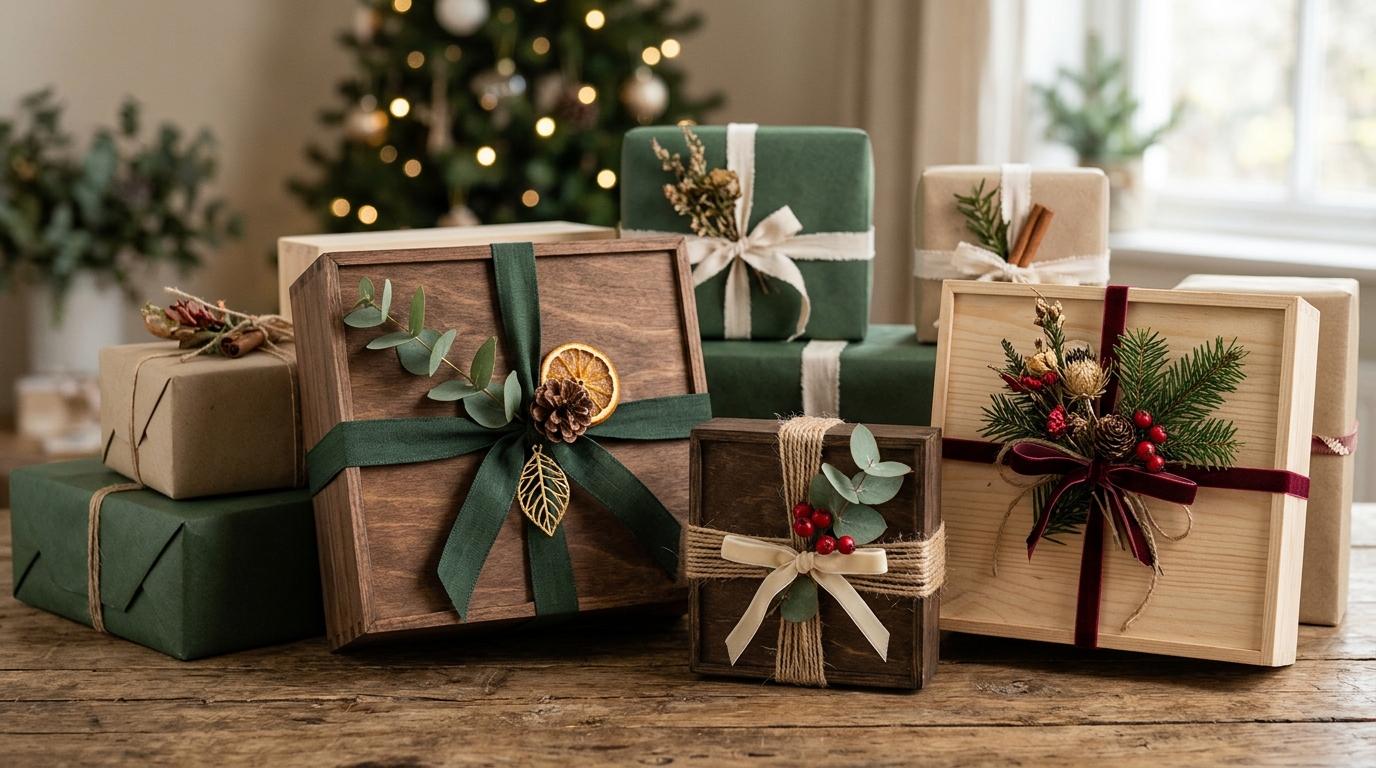
Strategic Keys to Defining Your Christmas Corporate Gift Budget
Efficiently calculating the Christmas corporate gift budget is one of the most important strategic steps for any company heading into the end of the year. In a competitive market where loyalty is key, the holiday gift transcends mere courtesy to become a powerful marketing and public relations tool. However, poor financial planning can lead to unexpected cost overruns or, even worse, gifts that fail to convey the right value and harm the corporate image. The key to success lies in balancing the investment between the item itself and its presentation, maximizing visual impact through custom boxes and cases that elevate perceived quality from the very first glance.
Key Takeaways
- The budget must cover the item, custom packaging, handling, and logistics costs.
- Allocating between 20% and 30% of the total budget to packaging exponentially increases the perceived value of the gift.
- Choosing sustainable materials and durable finishes reinforces corporate values and brand image.
For many organizations, year-end campaigns represent the greatest loyalty-building effort. When structuring this expense, it is essential to understand that the recipient will judge the gift before even opening it. A mid-priced item presented in a high-quality wooden box often generates a much more lasting and positive impression than an expensive product delivered in generic or low-cost packaging. Therefore, planning must be comprehensive.
The "Unboxing" Effect
Neuromarketing studies applied to the corporate sector show that a thoughtful unboxing experience increases the perceived value of the internal contents by more than 40%.
How to Structure Expenses Step by Step
Properly breaking down each item will prevent last-minute surprises. It is not enough to simply multiply the product cost by the number of clients or employees. A methodical process that covers the entire lifecycle of the gift must be established.
- Database segmentation. Classifying recipients into different categories (VIP clients, regular clients, strategic suppliers, employees) allows you to allocate tiered budget items and justify larger investments in key accounts.
- Defining the gift and its format. Selecting the main product (gourmet, technology, wellness) and determining its volume and weight, as this will dictate the type of box required.
- Packaging and customization selection. Setting aside a fixed portion of the budget for packaging design, materials (such as wood or rigid cardboard), and logo branding techniques.
- Calculating handling and logistics. Factoring in assembly costs (if boxes arrive flat-packed), protective void fill (wood shavings, tissue paper), and shipping rates, which vary drastically based on dimensional weight.
The Role of Packaging in the Christmas Corporate Gift Budget
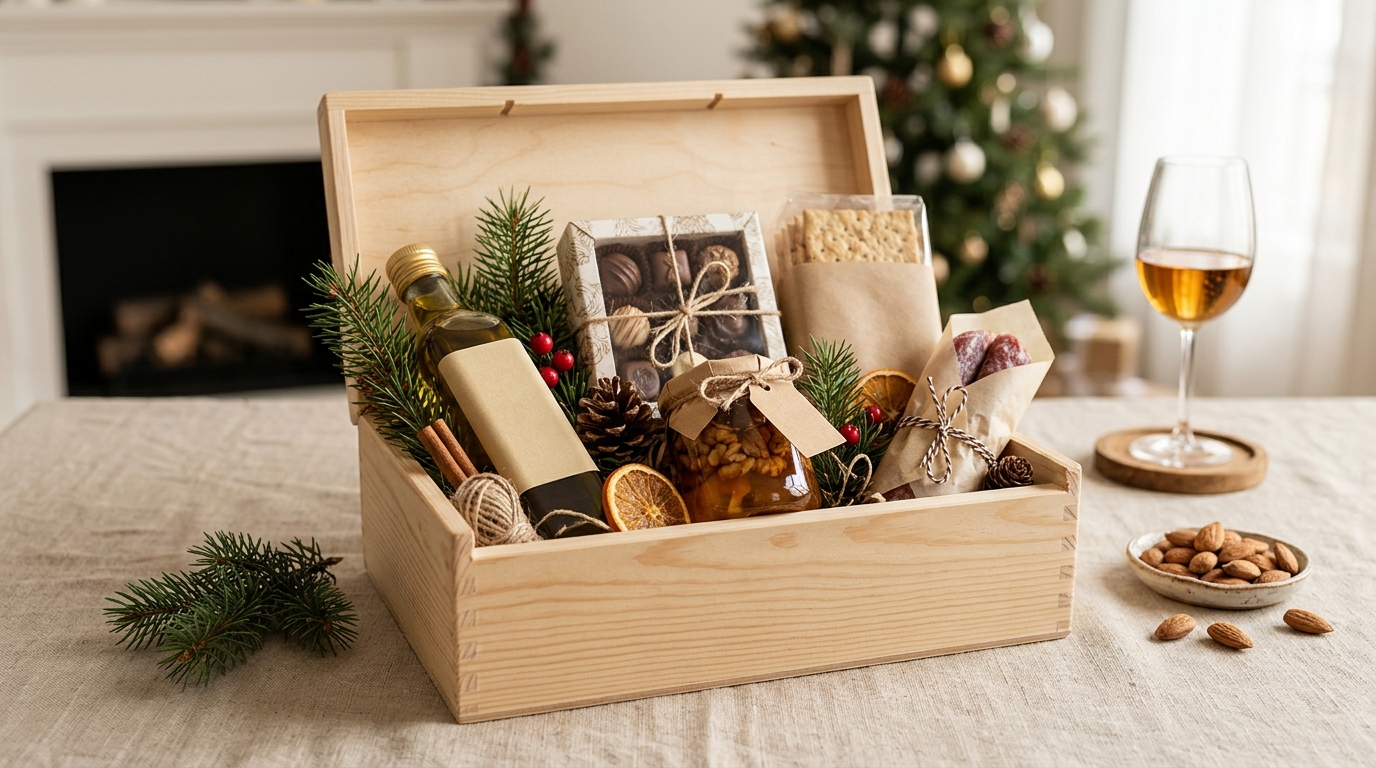
When analyzing how much custom Christmas hampers cost and pricing, it becomes evident that the container is just as important as the contents. A common mistake in planning is allocating 95% of financial resources to buying wine, cured meats, or tech gadgets, leaving a meager 5% for standard thin cardboard boxes. This imbalance often results in packages that arrive damaged or fail to reflect the sender company's status.

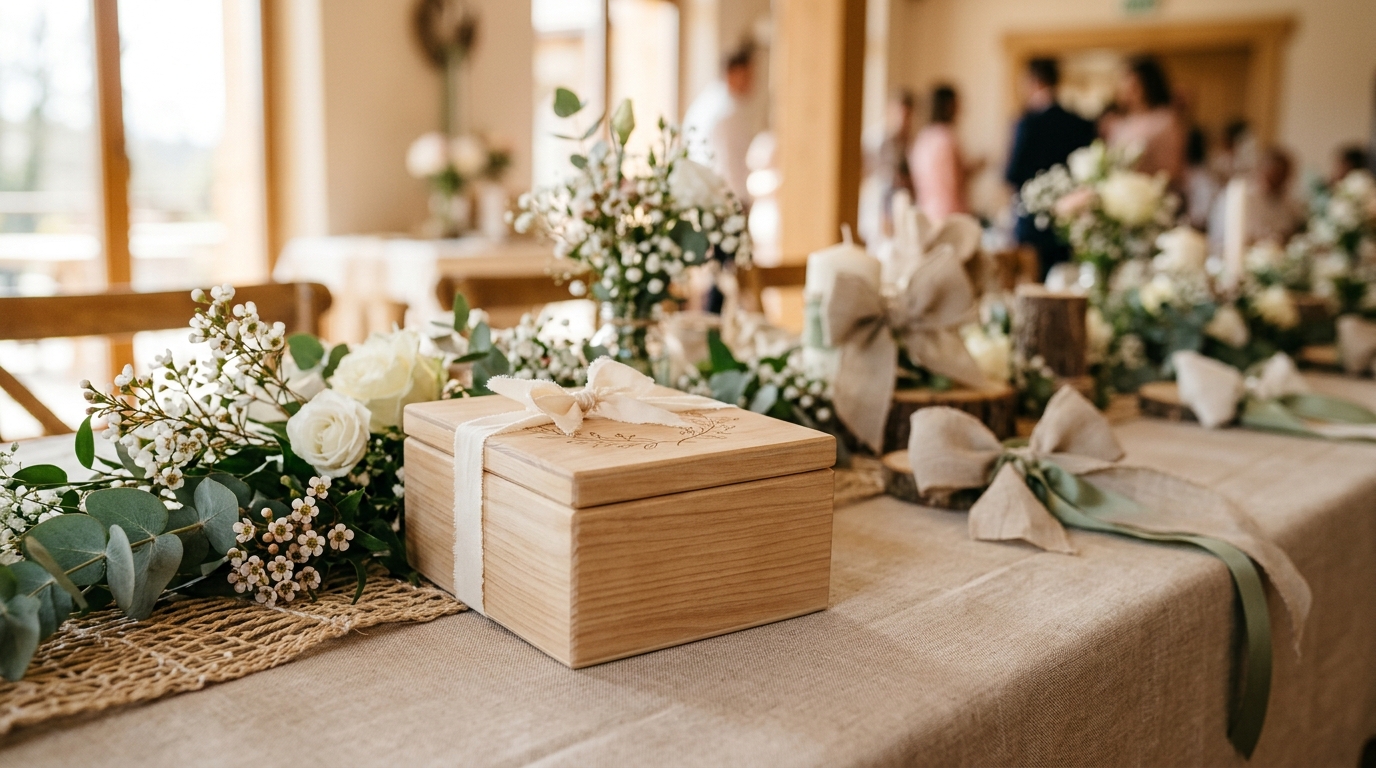
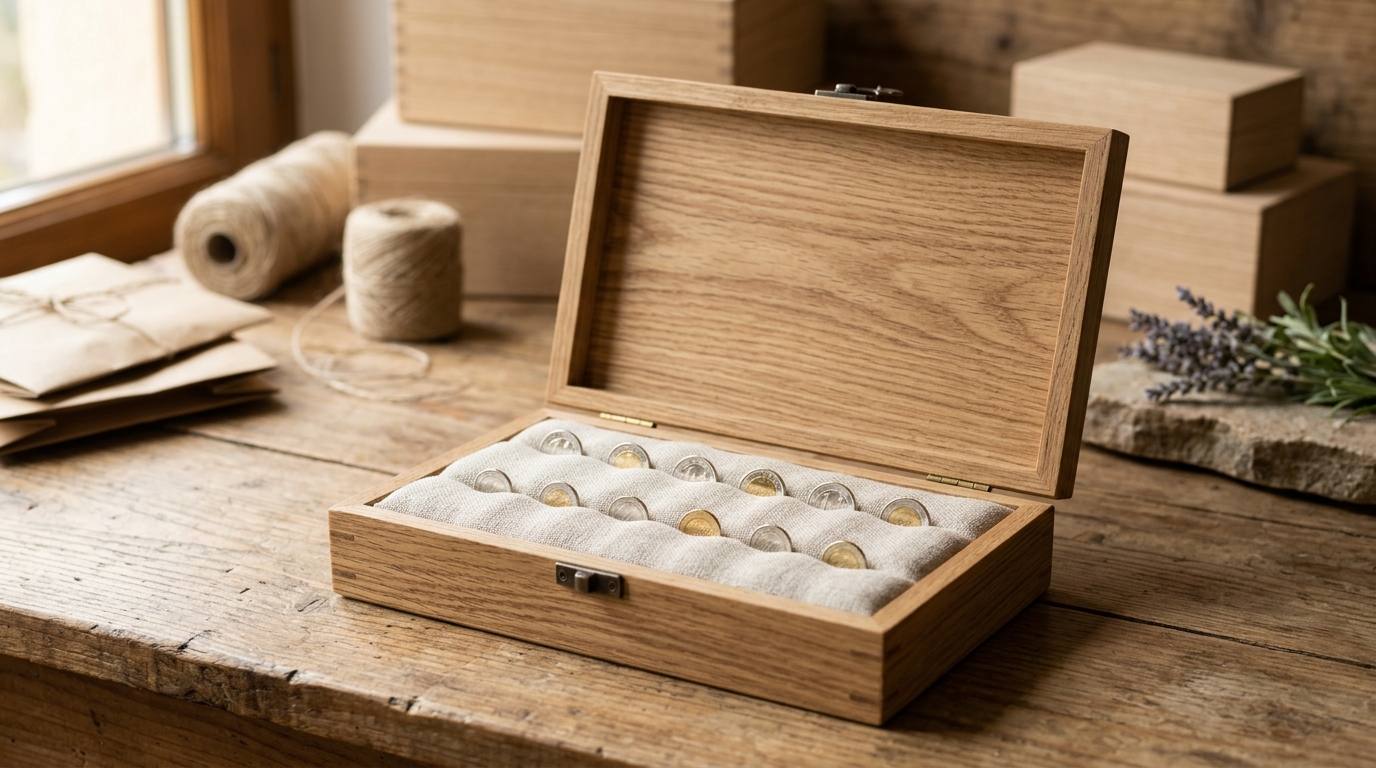
To maximize impact without destabilizing finances, the general rule of thumb in the corporate gift sector suggests an 80/20 or 70/30 split. That means dedicating up to 30% of the total unit cost to premium packaging. This is not a superfluous expense; it is an investment in the longevity of the message. Wooden boxes, for example, are rarely thrown away. They become part of the recipient's office or home, serving as a constant brand reminder long after the holiday season has ended.
Material Comparison and Financial Impact
The choice of material is the primary factor determining packaging costs. Below is a generic comparison to aid in budgetary decision-making:
| Packaging Material | Relative Cost | Strength and Protection | Perceived Value (Premium) |
|---|---|---|---|
| Solid Wood / Pine | High | Very High | Excellent |
| Plywood | Medium-High | High | Very Good |
| MDF (Fiberboard) | Medium | High | Good (ideal for painting) |
| Corrugated Kraft Cardboard | Low | Medium | Basic (eco-friendly focus) |
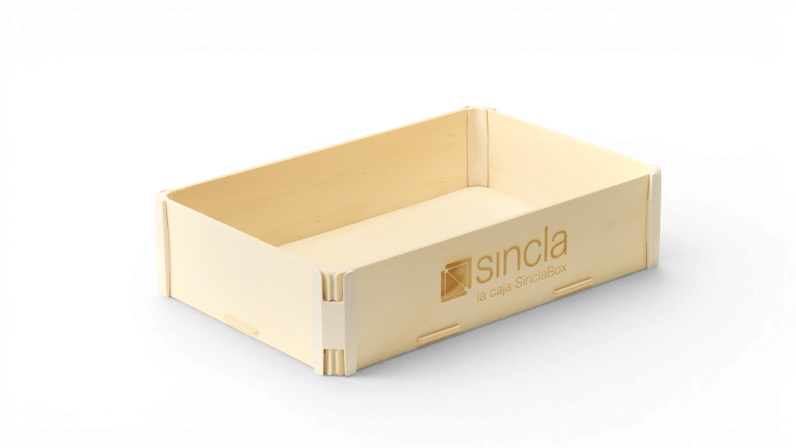
Opting for plywood is often the most balanced decision for corporate budgets. It offers the warmth, texture, and scent of natural wood, but at a more efficient production cost than solid wood, while also being lighter, which drastically reduces shipping expenses.
Standard vs. Custom Formats
If the budget is tight, fitting products (such as bottles or jars) into standard-format boxes is far more cost-effective than manufacturing custom-sized boxes from scratch, which requires specific molds or tooling adjustments.
Customization Costs: Techniques and Finishes
Including a logo or a message of appreciation is essential when putting together original gifts for clients at Christmas and packaging. However, not all branding techniques cost the same or require the same minimum order volumes. When budgeting, knowing these differences is vital to choosing the most suitable option for the campaign's scale.
-
Laser EngravingBurns the surface of the material. Ideal for wood, it offers an elegant, permanent finish without setup costs for plates or screens.
-
Screen PrintingApplies ink through a mesh screen. Very cost-effective for large single-color runs, but requires an initial investment in screens.
-
Pad PrintingAllows printing on curved or uneven surfaces. Excellent for small details, though less common on large boxes.
-
Hot StampingApplies metallic foil (gold, silver) using heat. Delivers a highly luxurious finish, but significantly increases the unit cost.
For corporate campaigns with medium or low volumes (50 to 500 units), laser engraving is usually the safest budgetary option. It does not require high preparation fees and conveys a sense of handcrafted exclusivity that is highly valued, especially when paired with quality materials.