In an increasingly competitive market, where consumers constantly receive products from different brands, first impressions matter more than ever. Packaging is not just protection for the product; it is an extension of the brand, a communication tool, and an opportunity to create a memorable experience. In this context, a key question arises for companies of all sizes: should they invest in custom boxes or continue with standard packaging?
The essentials
- Custom boxes significantly improve brand perception and customer experience compared to standard packaging.
- While custom packaging has a higher initial cost and longer production time, it offers a tangible return on investment through increased sales and loyalty.
- Strategic custom packaging incorporates unique design, materials, and details to create a memorable unboxing experience and differentiate a brand.
In this article, we will analyze in detail the difference between both types of packaging, their advantages and disadvantages, and why opting for custom boxes can transform your brand's perception and boost sales.
1. Standard packaging: what it is and when it is used
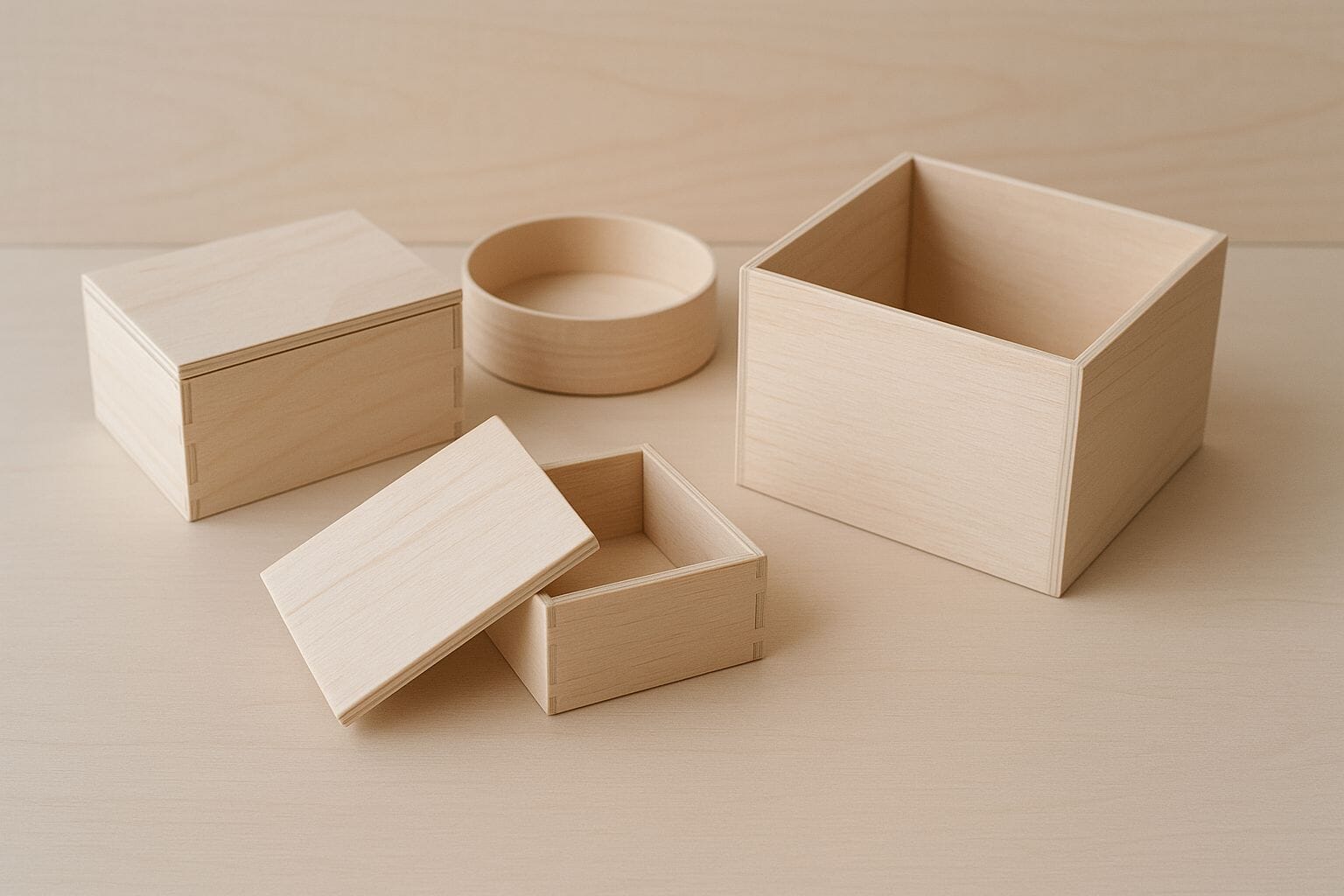
Standard packaging refers to generic, mass-produced packaging without any kind of personalization. These are the types of boxes typically found in supermarkets, high-volume online stores, or for industrial products. They are usually made of simple corrugated cardboard, without distinctive graphic design and with a single format that serves for any product.
Advantages of standard packaging:
- Lower cost Produced in large quantities, the unit price is more economical.
- Immediate availability Easy to acquire and replace.
- Versatility Can serve for different types of products without the need for changes.
Disadvantages:
- Limited customer experience: does not generate emotion or differentiate the product in the market.
- Little impact on branding: difficult to convey brand values or reinforce visual identity.
- Lower brand recall: customers rarely associate standard packaging with a specific brand.
In summary, standard packaging is useful for low-cost, mass-market products or when investment in branding is not a priority. However, in a competitive market, it may be insufficient to capture attention and build customer loyalty.
Market Competition
Standard packaging might not be enough to attract attention and build customer loyalty in competitive markets.
2. Custom box: much more than a container
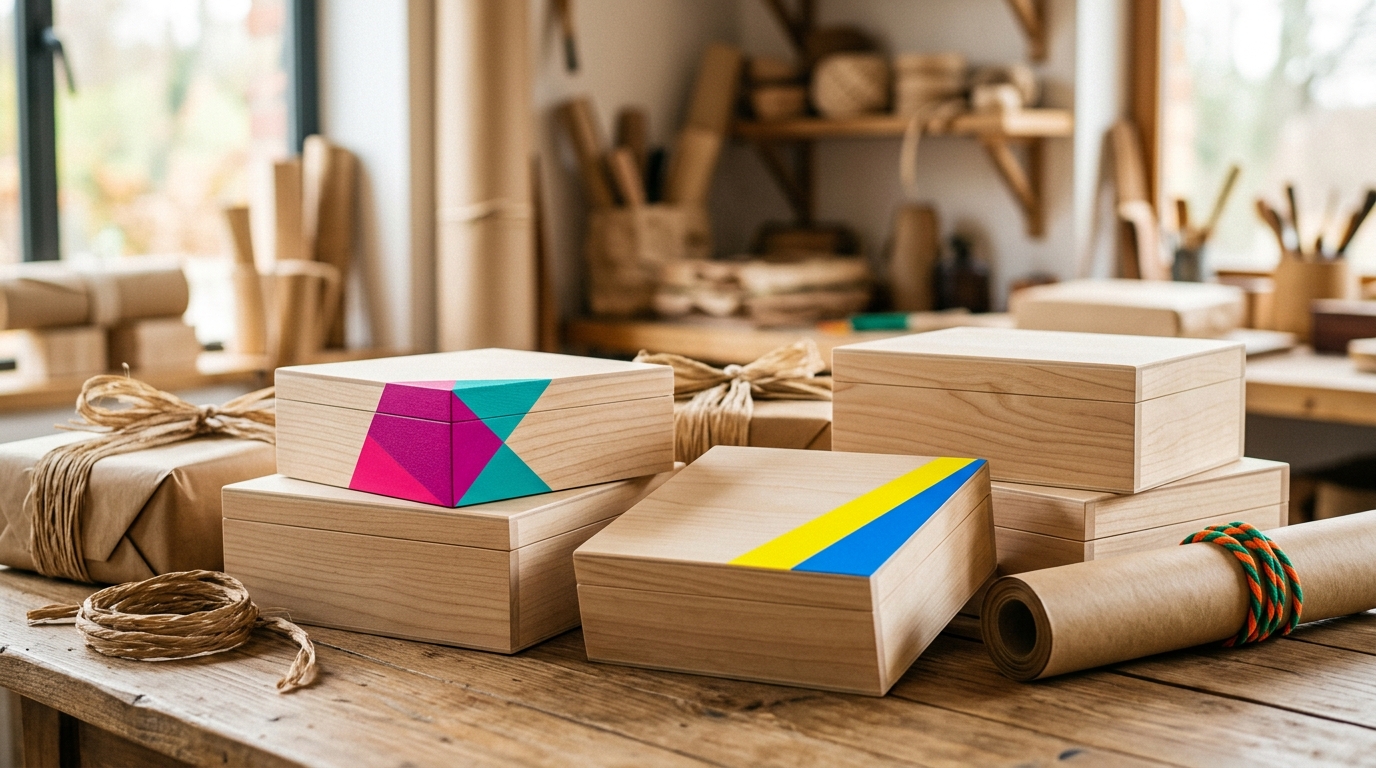
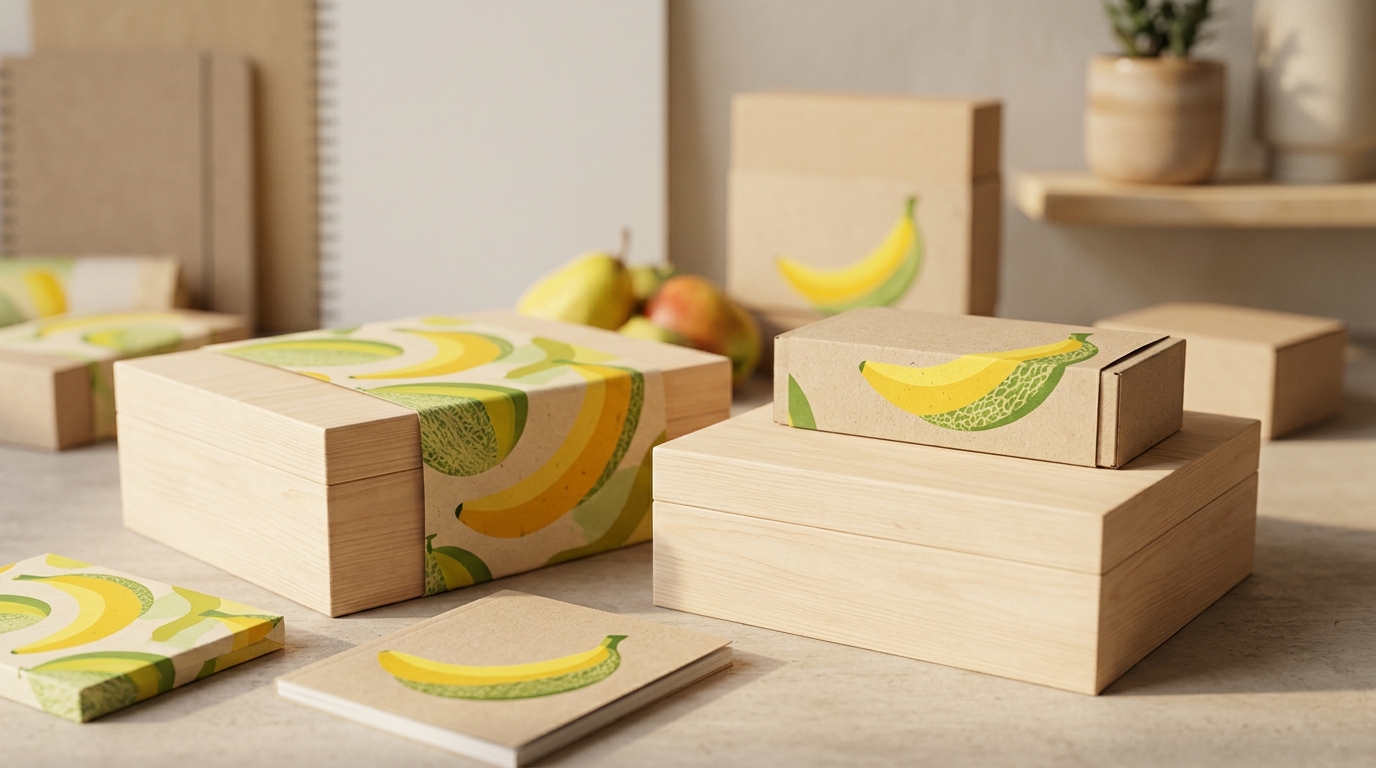
A custom box is packaging designed specifically for a product and its brand. It goes beyond the function of protection, including visual elements, materials, finishes, and details that create a unique experience. Custom boxes can incorporate:
- Own graphic design: corporate colors, logo, typography, and brand messages.
- Differentiated materials: rigid cardboard, kraft, premium corrugated, matt or glossy finishes, tactile textures.
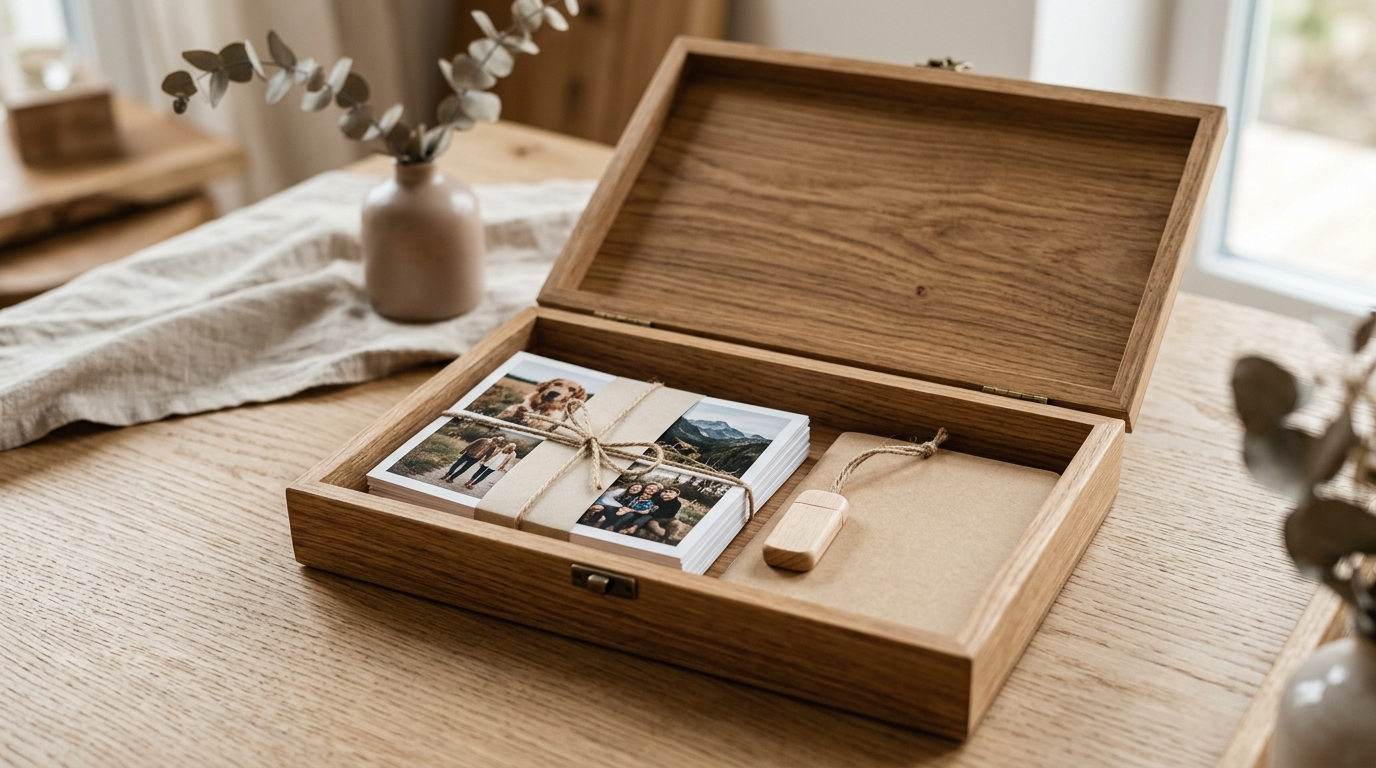
- Special details: ribbons, magnets, windows, foam or recycled paper inserts that add value and surprise.
Advantages of custom boxes:
- Improves brand perception: attractive packaging conveys professionalism, quality, and attention to detail.
- Memorable unboxing experience: the moment of opening the box can become an emotional event that builds customer loyalty.
- Competitive differentiation: in saturated sectors, standing out with a unique box can be decisive for a consumer to choose your product.
- Silent marketing: custom packaging functions as an additional communication channel and generates spontaneous recommendations on social media.
- Versatility for promotions and corporate gifts: facilitates the creation of kits, limited editions, or gifts that strengthen relationships with clients and employees.
Potential disadvantages:
- Higher initial cost: requires specific design and production.
- Longer production time: cannot always be mass-produced as quickly as standard packaging.
Despite these disadvantages, investing in custom boxes usually translates into a much greater return in terms of branding, engagement, and recurring sales.
Investing in custom boxes usually translates into a much greater return in terms of branding, engagement, and recurring sales.
3. Comparison: standard vs. custom
To better visualize the difference, let's make a direct comparison:
Standard Packaging
Generic, mass-produced without personalization.
- Unit cost: Low
- Production time: Fast
- Customer experience: Limited
- Branding and differentiation: Low
- Customer loyalty: Low
- Promotional versatility: Limited
Custom Box
Designed specifically for a product and its brand.
- Unit cost: Medium-high
- Production time: Slower
- Customer experience: Memorable
- Branding and differentiation: High
- Customer loyalty: High
- Promotional versatility: High
As can be seen, custom boxes surpass standard packaging in almost all aspects related to brand perception and customer experience, although they require a greater financial and logistical commitment.
4. Impact of packaging on purchase decisions
Numerous studies confirm that packaging influences purchase decisions. An attractive design can increase the perceived value of a product and generate positive sentiment even before trying it. In e-commerce, where customers cannot physically touch the product, custom packaging becomes a key differentiator that reinforces trust and connection with the brand.
In e-commerce, where physical interaction is absent, custom packaging reinforces trust and connection with the brand, making it a key differentiator.
In e-commerce, custom packaging reinforces trust and connection with the brand, serving as a vital differentiator.
Examples of impact:
- A cosmetics store that ships its products in boxes with gilded details and tissue paper can achieve a higher repurchase rate than one that uses generic envelopes.
- A gourmet food brand that offers boxes with well-designed inserts and corporate colors increases the likelihood of customers sharing photos on social media, generating free marketing.
Packaging is not just a container, but a marketing touchpoint that communicates company values and generates emotions in the consumer.