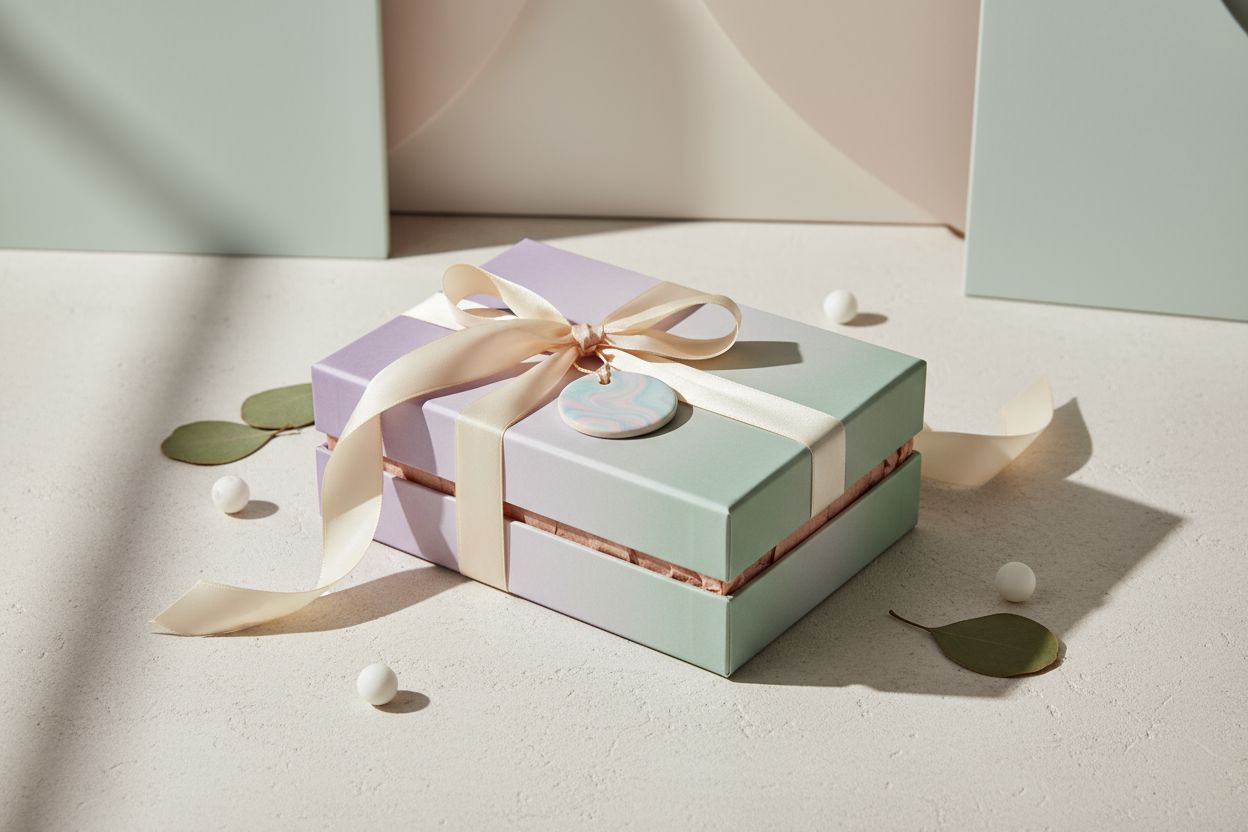
In the digital age, where social media functions as a showcase, packaging is no longer just a functional wrapper. Today, it is a visual marketing tool that can attract and retain customers and generate viral content. Instagrammable packaging must not only be aesthetically appealing but also authentic, consistent with the brand's identity, and capable of telling a story.
The essentials
- Packaging is a visual marketing tool for attracting and retaining customers, and generating viral content.
- Authenticity is key: packaging must reflect brand essence and tell a story, not just follow trends.
- Focus on colors, typography, materials, and the unboxing experience to create shareable content.
In this article, you will discover how to achieve this with practical strategies, concrete examples, and visual recommendations.
Why packaging matters in a digital strategy
Packaging plays a fundamental role beyond protecting the product:
- Tells the brand's story Colours, typography, and materials reflect values and personality.
- Generates memorable experiences A well-designed unboxing can become viral content.
- Differentiates in a saturated market Good design helps to stand out in both physical and online stores.
Practical example:
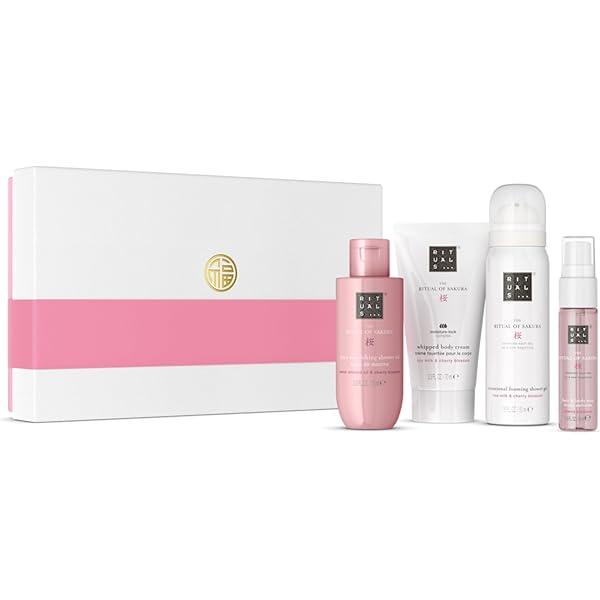
- Rituals transforms packaging into an extension of its wellness philosophy. Its elegant and minimalist packaging conveys luxury and calm, generating attractive photos for Instagram.
1. Maintain authenticity as a central focus
Copying design trends without considering the brand's identity is a common mistake. Packaging can be aesthetically appealing, but if it doesn't reflect the brand's essence, the public will perceive it as artificial.
Avoid Artificiality
Don't copy design trends without considering your brand’s identity; aesthetically appealing packaging that doesn't reflect your brand's essence will be perceived as artificial.
Keys to maintaining authenticity:
- Define your brand's personality: elegant, fun, artisanal, sustainable... This guides colours, typography, and materials.
- Simplicity over saturation: less is more; a clean design generates trust and is perceived as premium.
- Tell a visual story: incorporate elements that explain the product's origin, ingredients, or the brand's philosophy.
Practical example:
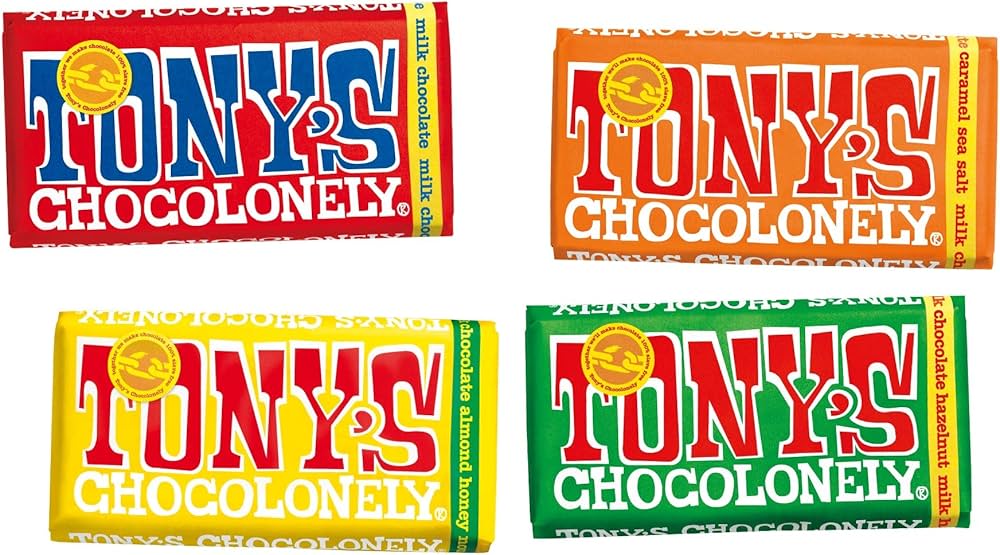
- Tony’s Chocolonely combines bold typography and striking colours with its fair trade message, conveying authenticity and social purpose.
- Dr. Bronner’s uses packaging with illustrative texts and distinctive graphics that tell the story of its organic products honestly and directly.
2. Colours and typography: first impressions count
Colours and typography are the most recognisable elements on social media. On Instagram, where scrolling is fast, your packaging must instantly grab attention.
With fast scrolling on Instagram, your packaging needs to capture attention instantly through its visual elements. Make it count!
- Consistent brand palette: maintain colour consistency across all products and communications.
- Contrast and legibility: ensure that key names and messages are visible even in small photos.
- Typography with personality: avoid generic fonts; typography should tell the brand's story.
Practical example:
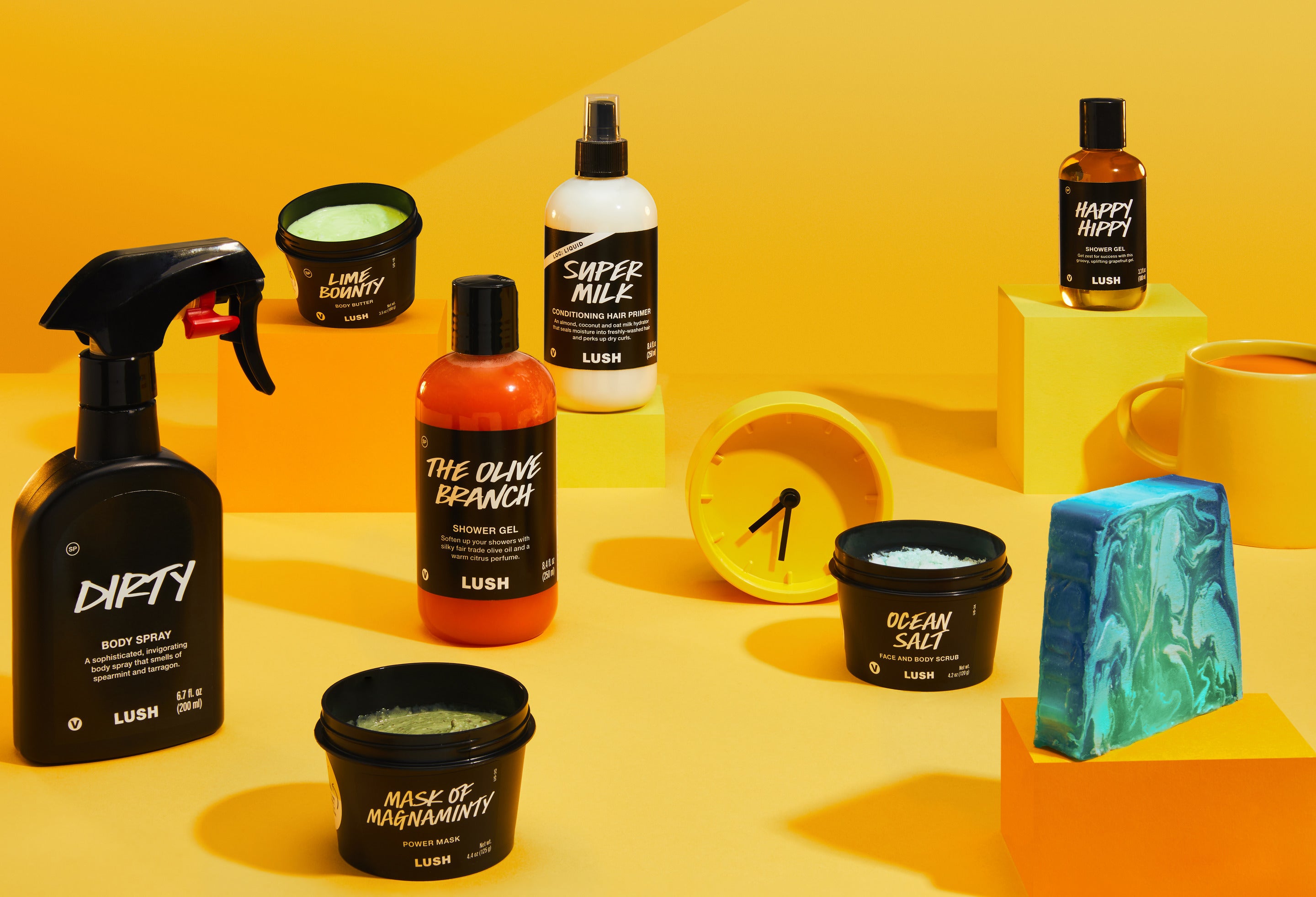
- Method uses vibrant colours and modern typography on its cleaning product packaging, creating a fresh and recognisable design that stands out in Instagram photos.
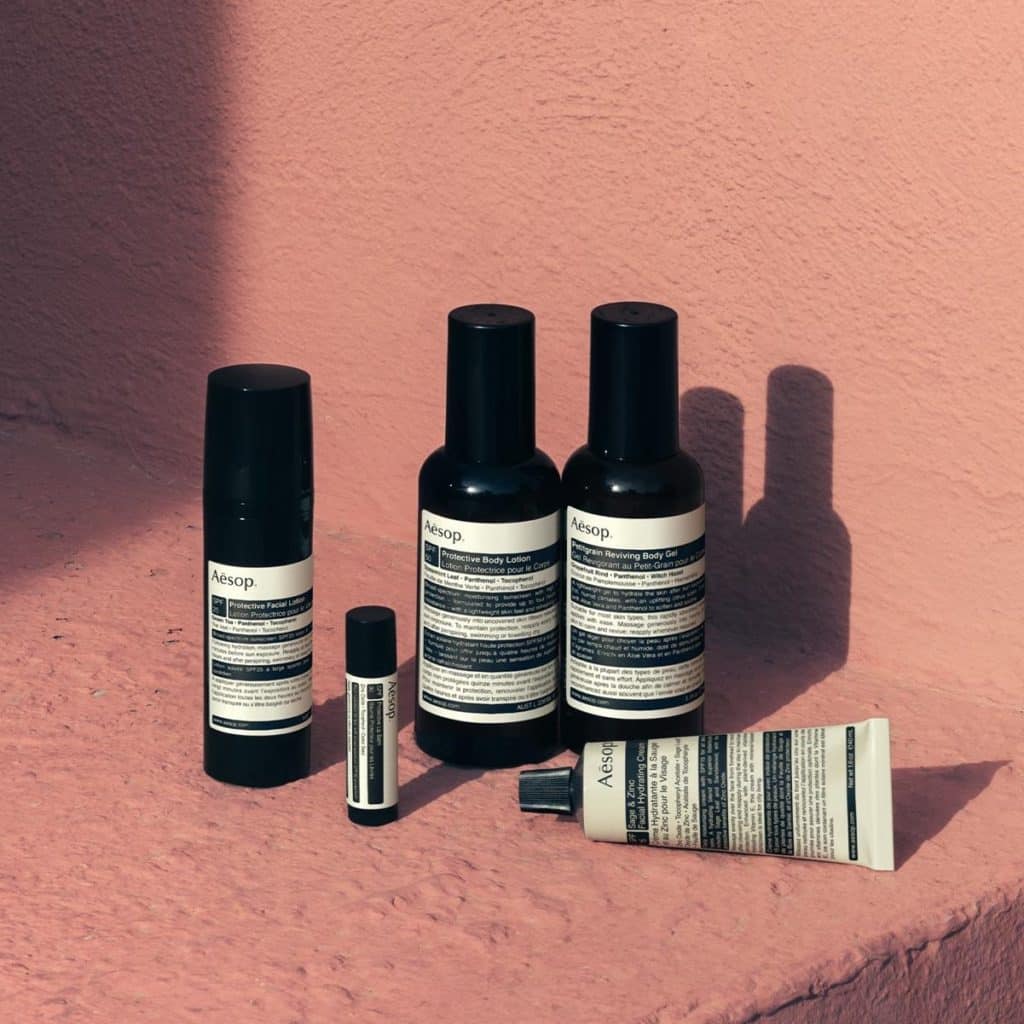
- Aesop combines minimalist typography and sober colours, conveying luxury and elegance without resorting to unnecessary embellishments.
3. Materials and textures that make an impact
Instagrammable packaging should also feel good to the touch. Textures and materials influence the perception of quality and authenticity.
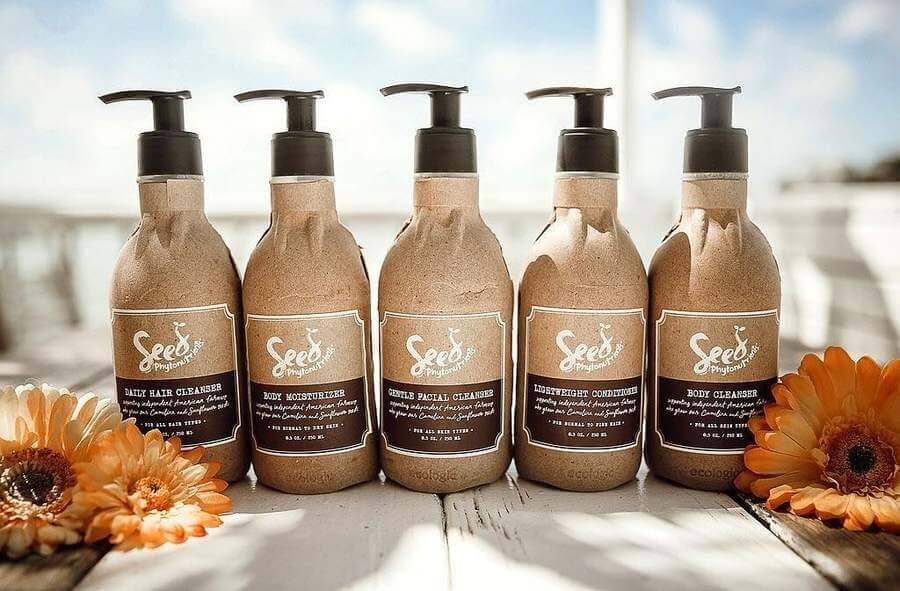
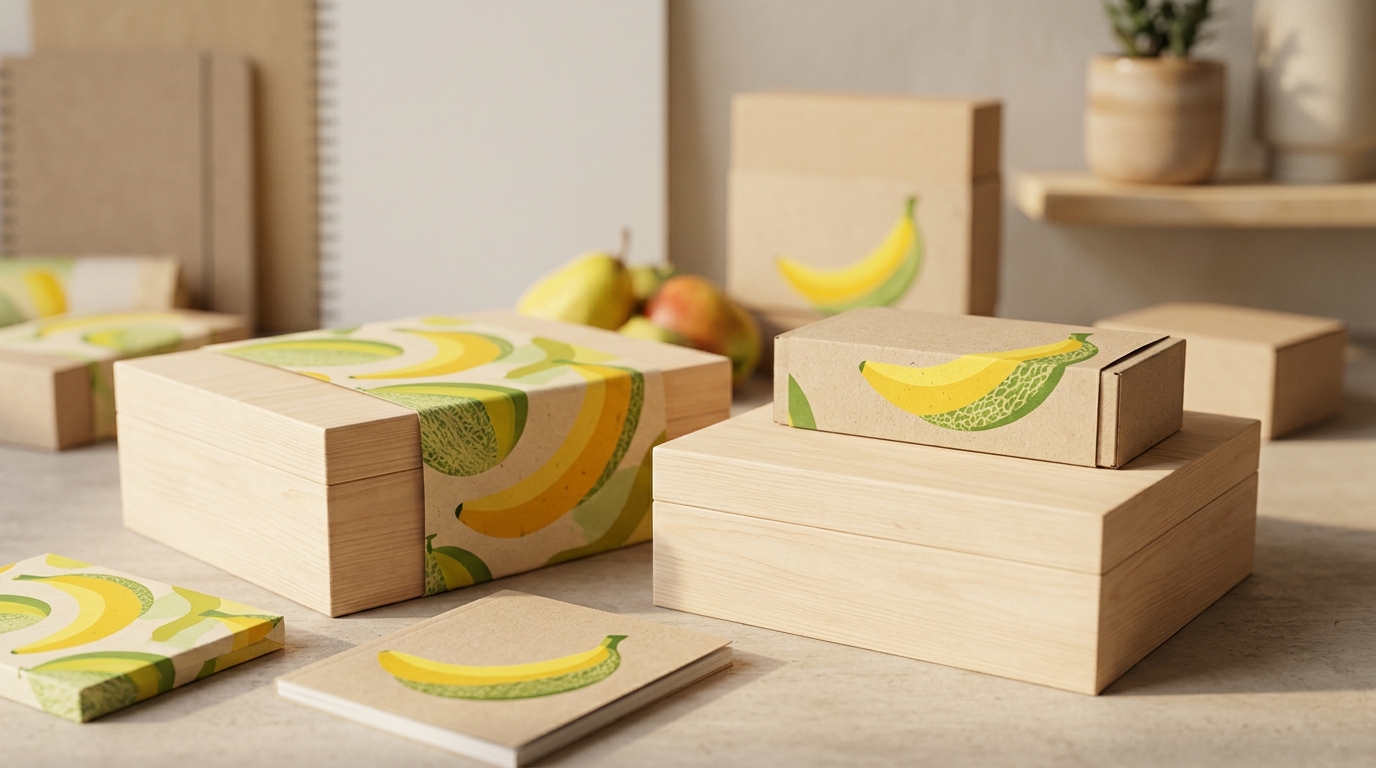
- Recycled cardboard or natural materials Convey sustainability and approachability.
- Matte or soft-touch finishes Add sophistication without resorting to excessive shine.
- Transparencies or windows Allow the product to be seen, generating curiosity and expectation.
Practical example:
- Lush uses recycled cardboard packaging and minimalist wraps with tactile textures that stand out in photos, reinforcing its ecological commitment.
- Chobani combines yogurt packaging with recyclable materials and lids that contrast in colour and texture, inviting photo opportunities of the product.