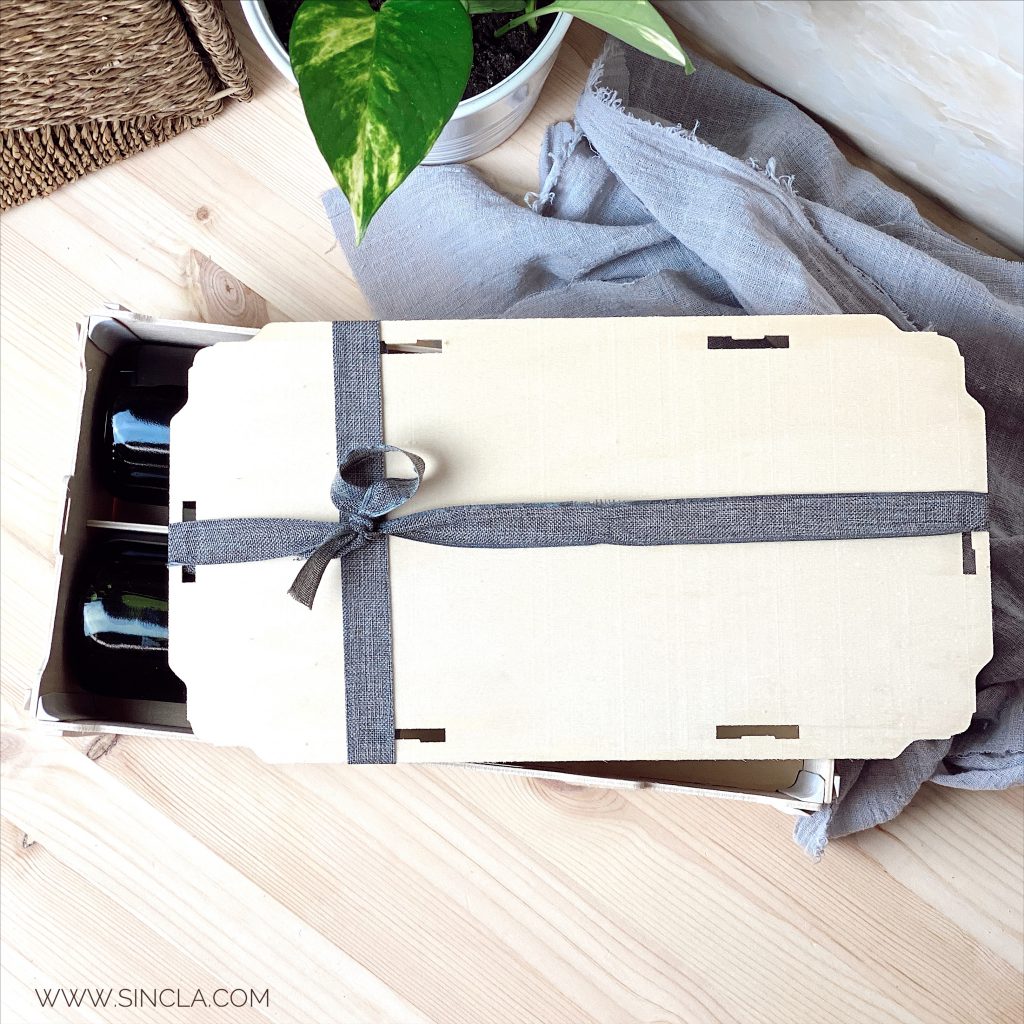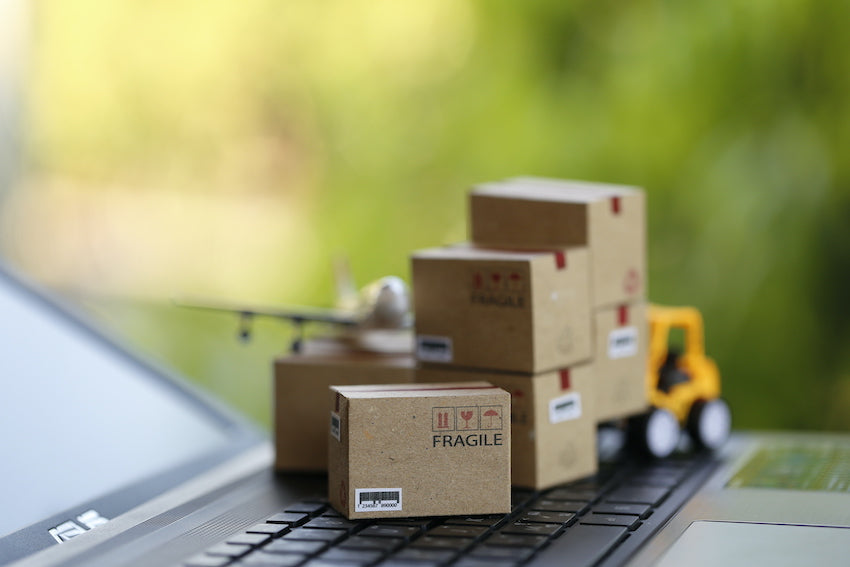
Do you know how to make a fragile shipment? Dinnerware, glassware, vases, wine bottles, among many other items, pose a real challenge if we want to move or give them as gifts.
The essentials
- Wrap each fragile item separately using protective material like bubble wrap.
- Use a resistant and rigid box, ensuring the item is separated from the walls by about five centimeters.
- Properly seal all boxes and consider a fragile package service for international shipments.
Therefore, the box is a fundamental element when making a shipment. Not only should we consider its capacity and size; if we include these types of items, resistance is important, as it will directly influence their safety and protection so that they arrive at their final destination in perfect condition.
How to prepare a fragile shipment
Sending a fragile item in a box is very common among both professionals and individuals. But how do you make the shipment without dying trying? We offer some tips to prevent the item from breaking during the process.
- Wrap each item separately. Use protective material such as wrapping paper or bubble wrap to create adequate separation between items and the box corners.
- Choose a high-quality box. Soft cardboard is not recommended; opt for a resistant and rigid material to minimize movement during transport.
Packaging Box Choice
Soft cardboard is not recommended for fragile shipments; always opt for a resistant and rigid material to minimize movement during transport.

- Maintain separation from box walls. The item should be separated from the packaging walls by approximately five centimetres, filling this space with protective material to cushion impacts.
- Opt for specialized services for international shipments. For international shipments, contract a fragile package service that offers guaranteed collection and delivery, ideally within 24 hours.
- Seal boxes properly. Ensure all boxes are securely sealed to prevent tampering or accidental opening during transit.
Consider using bubble wrap, air cushion packaging, foam pieces, polystyrene balls, or crumpled paper as common protective materials.
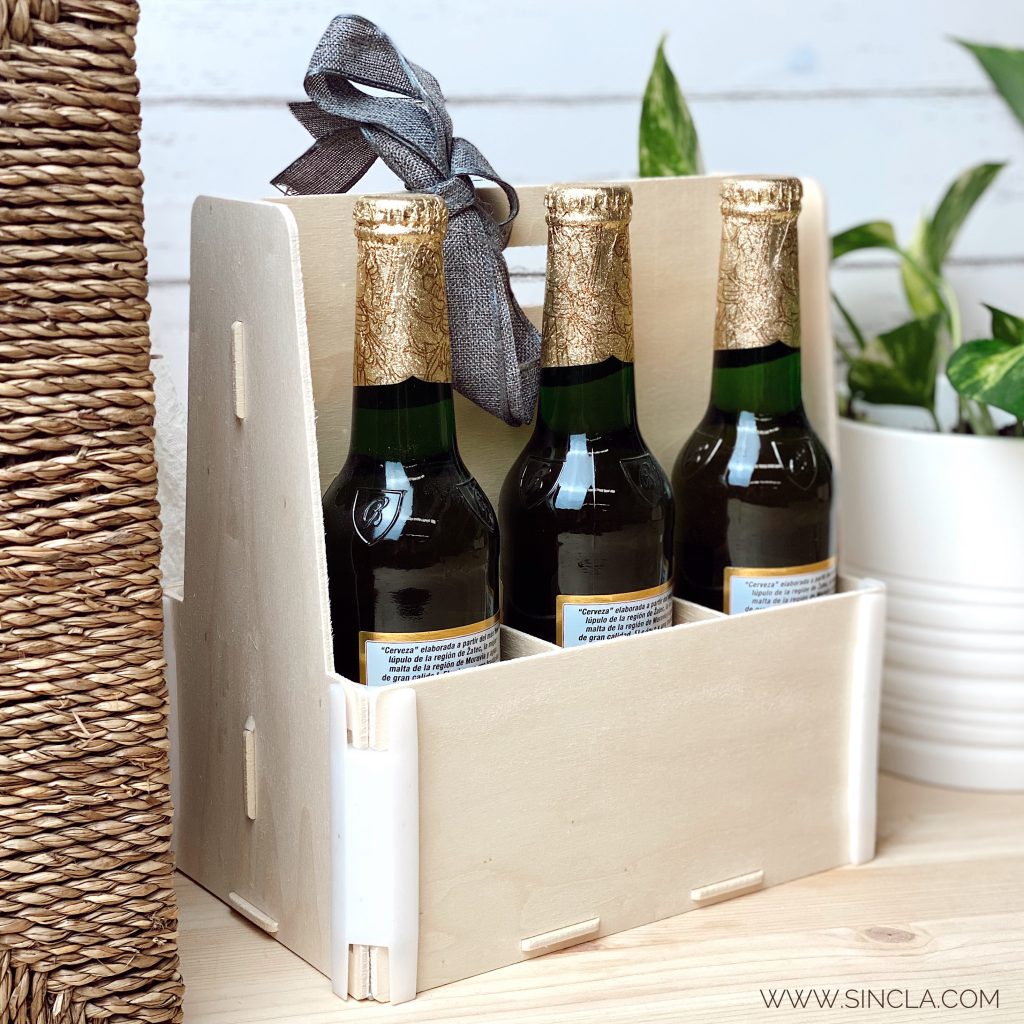
Regarding the most common packaging materials, we can highlight: bubble wrap, air cushion packaging, foam pieces, polystyrene balls, or crumpled paper, among others.
To learn more, take a look at "Packaging design: fundamentals and importance of packaging."