The Art of Capturing: An Immersion into Artistic Photos
The Essentials
- Artistic photos go beyond documentation, seeking to evoke emotions and tell stories.
- They involve careful composition, lighting, color, and post-processing to achieve a unique visual impact.
- They are crucial in perceiving value and differentiating products, especially in premium packaging.
Defining Artistic Photography: Beyond Technique
Key Characteristics of Artistic Photos
- Creative IntentionThere is an underlying message or concept that the photographer wishes to communicate.
- SubjectivityReflects the photographer's personal interpretation of the world or a specific theme.
- OriginalitySeeks a unique perspective and avoids visual clichés, bringing freshness to the image.
- Emotional ImpactIts objective is to move, inspire, or generate a sentimental response in the viewer.
- Careful AestheticsComposition, lighting, and coloration are elements designed for visual beauty.
Essential Elements in Creating Artistic Photos
Composition: The Structure of Art
Lighting: Sculpting with Light
surprise giftThe Power of Natural Light
For artistic product photos, soft natural light (diffused by a window or on an overcast day) is often ideal. Avoid direct, harsh lights that can create unwanted shadows and excessive reflections.
Color and Tone: The Photographer's Palette
the use of pink colorsPoint of View and Perspective
Post-processing: The Final Touch
Types of Artistic Photos Relevant to Packaging and Premium Gifts
1. Artistic Still Lifes
2. Conceptual Photography
3. Minimalist Photography
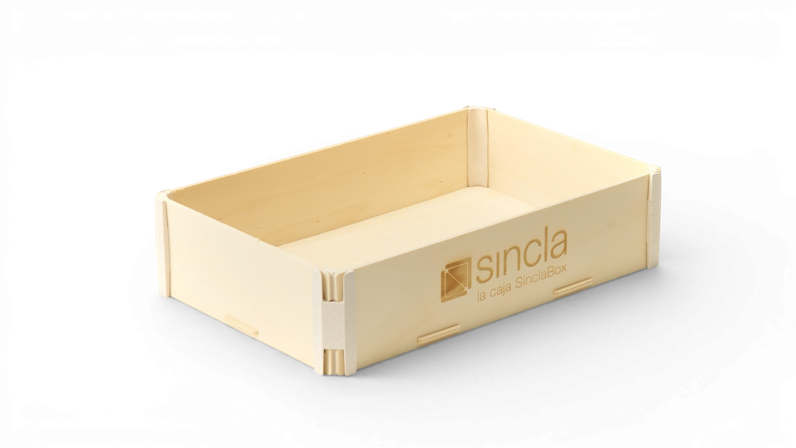
personalized wooden box4. Texture and Detail Photography
The Power of Backgrounds
An appropriate background can enhance the product. Marble, concrete, linen surfaces, or even textured paper backgrounds, can complement the aesthetic of a gift box or premium packaging without overshadowing it.
Application of Artistic Photos in the Field of Packaging and Gifting
Generating Desire and Exclusivity
Communicating Brand Values
Enhancing Materials and Finishes
FSCCertified wood
100%Recyclable
+50%Visual Impact
Creating High-Quality Visual Content
E-commerce packagingCommon Mistakes to Avoid When Creating Artistic Product Photos
1. Lacking a Clear Concept
2. Poor Lighting
3. Excessive Elements or Distractions
4. Excessive or Inconsistent Post-processing
5. Forgetting the Audience
"Artistic photography transforms the perception of the object, endowing it with a soul that transcends its function."
The Creative Process: From Idea to Final Image
wooden box catalog- Definition of concept and message. What story do you want to tell? What emotion do you seek to evoke? What product features do you want to highlight?
- Inspiration search (mood board). Gather images, colors, textures, and lighting styles that help visualize the desired result. This can include references from art, cinema, other photographs, etc.
- Composition planning. Sketch the arrangement of elements, the point of view, and the relationship between the product and its environment. Think about the necessary props.
- Equipment and set preparation. Make sure you have the appropriate camera, lenses, tripod, light sources (natural or artificial), reflectors, and diffusers. Organize the shooting space.
- Photography session. Take multiple shots, experimenting with variations in composition, lighting, and angles. Don't be afraid to try new things.
- Selection and editing. Choose the best images and digitally process them to refine the artistic vision. Adjust color, contrast, exposure, and make touch-ups if necessary.
- Review and feedback. Get a second opinion if possible. Evaluate whether the final photo communicates the desired message and meets the established artistic standards.