Boxes for Christmas? Order as early as you can: the factory gets overloaded and lead times get longer.Last day to order up to 1,000 boxes: 25 October 2026.See all deadlines
The Future of Smart Packaging: RFID, QR Codes, and More
Julia Marco
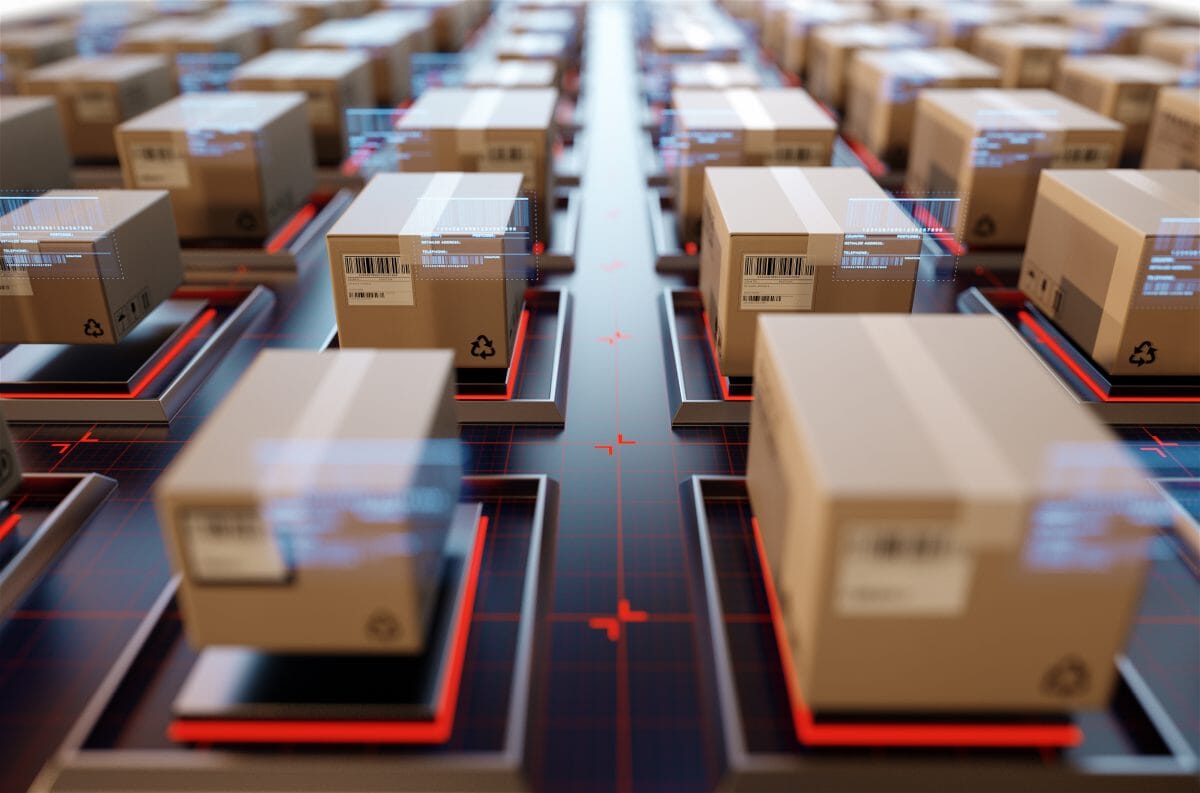
The future of smart packaging is full of possibilities. Technologies such as RFID, QR codes, sensors, and augmented reality are changing not only how brands manage their products but also how consumers interact with them.
For years, packaging has been seen as more than just a container. Today, with new technologies, it is taking on a new dimension. We are talking about smart packaging, a trend that transforms not only the way products are protected, but also how we interact with them and how brands can connect with consumers in increasingly innovative ways. From RFID to QR codes and sensors, emerging technologies are pushing the boundaries of what packaging can do. In this article, we explore how these technologies are shaping the future of packaging and enhancing the shopping experience.
The essentials
Smart packaging uses advanced technologies like RFID and QR codes to make packaging an active tool.
RFID improves logistics, tracking, and security, creating total control over inventory.
QR codes enable instant interaction, transparency, and effective measurement of marketing campaigns.
Emerging technologies include embedded sensors for product condition monitoring, E-Ink displays for real-time information, and Augmented Reality (AR) for immersive experiences.
What is Smart Packaging?
Smart packaging is more than just a container. It is a concept that involves the use of advanced technologies that allow packaging to interact with products, consumers, and even logistics systems. This transforms packaging into an active tool, which not only protects the product, but also provides additional information, allows for direct contact with the brand, and improves inventory management and product traceability.
Beyond a Container
Smart packaging evolves beyond protection, providing information, direct brand contact, improved inventory, and traceability.
RFID: The Revolution in Logistics and Connectivity
One of the most significant advances in smart packaging is RFID (radio-frequency identification). This technology uses radio waves to transfer data between a tag and a reader, making it possible to track products much more efficiently and precisely than with traditional barcode systems.
Advantages of RFID in Packaging: Total Control over Inventory:
Total Control over Inventory Brands can know at all times where each product is located, from manufacture to point of sale, improving logistics and reducing errors.
Improved Shopping Experience Consumers can scan items with their mobile phones to learn more details, access promotions, and have a richer, more personalized experience.
Greater Security and Less Theft Unique identifiers make it harder to counterfeit or steal products, giving brands greater control over authenticity.
Challenges of RFID
Although the advantages are clear, RFID still faces some obstacles, such as its implementation cost, which can be higher than traditional systems. However, with the evolution of technology and falling prices, this barrier is likely to decrease as more companies adopt RFID.
The initial cost of RFID can be a challenge, but prices are expected to drop with technology evolution and wider adoption.
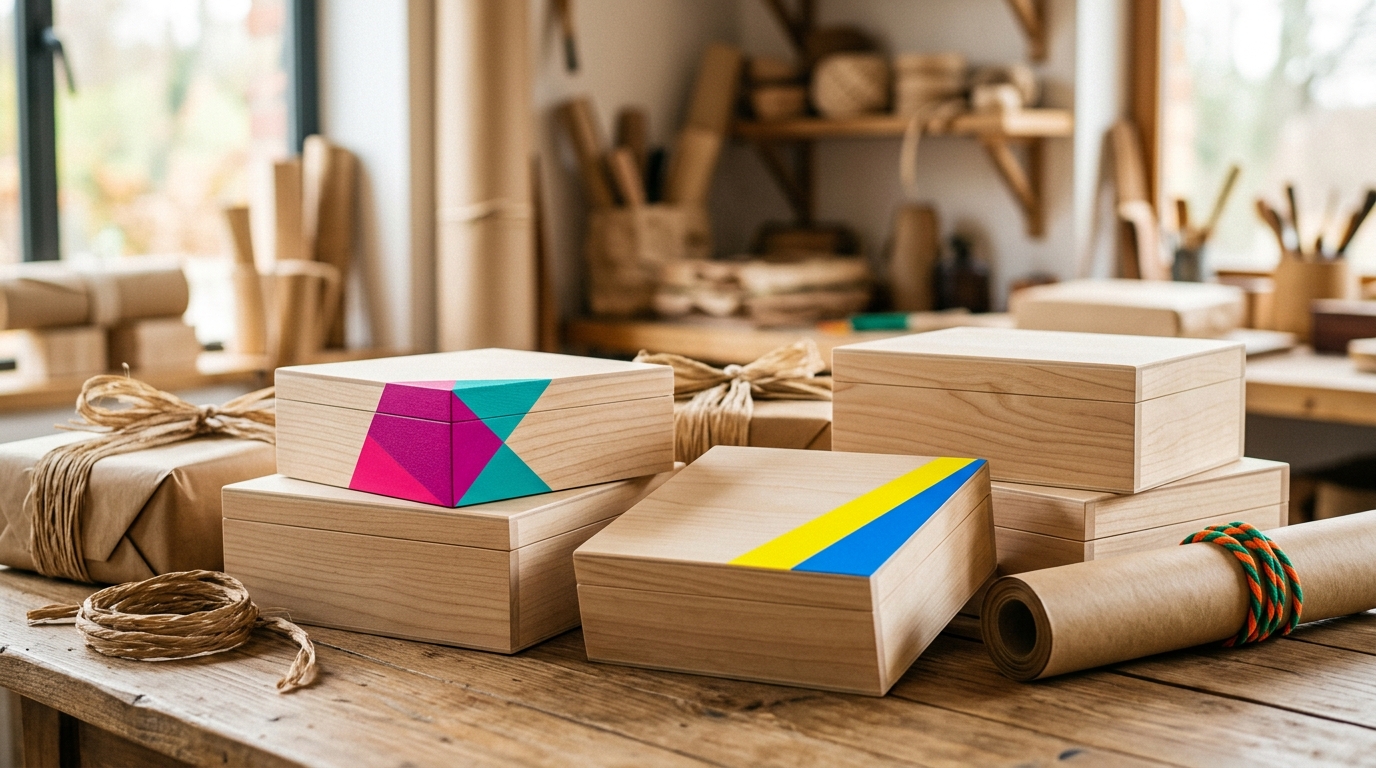
Custom wooden boxes
Discover our wooden boxes for packaging, hospitality, events and more. In-house manufacturing and full customisation.
QR Codes: Connecting the Physical with the Digital
QR codes are another technology that is gaining prominence in smart packaging. These two-dimensional codes, which can be easily scanned with a mobile phone, allow the physical world to be connected with the digital world in a direct and simple way.
Advantages of Codes
Instant Interaction Consumers can immediately access exclusive content or detailed product information by scanning with their mobile.
Transparency and Trust QR codes provide information on product origin and manufacturing, strengthening brand-consumer relationships.
Measurement of Results Brands can track scans to gain valuable insights into customer behavior and adjust marketing strategies.
Challenges of QR Codes
Although QR codes are easy to use, not all consumers are familiar with how to scan them. Furthermore, if the content to which the code leads is not well designed or is not very useful, the experience can be frustrating for the user, which could lead them to abandon the interaction.
Ensure your QR code content is well-designed and useful to avoid user frustration and abandonment of interaction.
Other Emerging Technologies: Sensors and Augmented Reality
Apart from RFID and QR codes, other emerging technologies are opening up new possibilities for smart packaging:
Embedded Sensors: Sensors that monitor temperature, humidity, or movement can be added to the packaging to ensure the product arrives in the best possible condition. For example, for food or pharmaceutical products, these sensors can alert distributors if the packaging has been exposed to unsuitable conditions during transport, guaranteeing product quality.
Packaging with E-Ink Displays: E-Ink displays, which allow real-time information to be shown on packaging, are starting to appear in some brands. These displays are flexible, low-power, and can be constantly updated, making them an ideal option for packaging that needs to change information frequently, such as expiration dates or seasonal promotions.
Augmented Reality (AR): Augmented reality is revolutionizing the way consumers interact with products. Imagine scanning a package with your phone and, instead of simply seeing static information, you access a 3D or interactive experience that shows you how to use the product, visualizes its components, or even creates a story around it. This immersive experience makes packaging not only functional, but also a marketing and entertainment tool.
AR Transforms Packaging
Augmented Reality turns packaging into an immersive tool for product usage, component visualization, and storytelling.
As technologies like the Internet of Things (IoT) and 5G networks continue to advance, smart packaging will only grow. In the future, packaging will not only communicate with consumers and brands, but also with each other, creating a completely interconnected ecosystem. Products will be able to "talk" to each other through their labels, and brands will be able to access real-time data to optimize their operations and improve the customer experience in ways we can only imagine today.
The future of smart packaging is full of possibilities. Technologies such as RFID, QR codes, sensors, and augmented reality are changing not only the way brands manage their products, but also the way consumers interact with them. Far from being just a container, packaging is now a strategic tool that offers personalized experiences, increases efficiency, and enhances security. If brands want to remain competitive in this new world, they must embrace these emerging technologies and leverage the power of connectivity to create shopping experiences that are not only memorable, but also more responsible, sustainable, and dynamic.