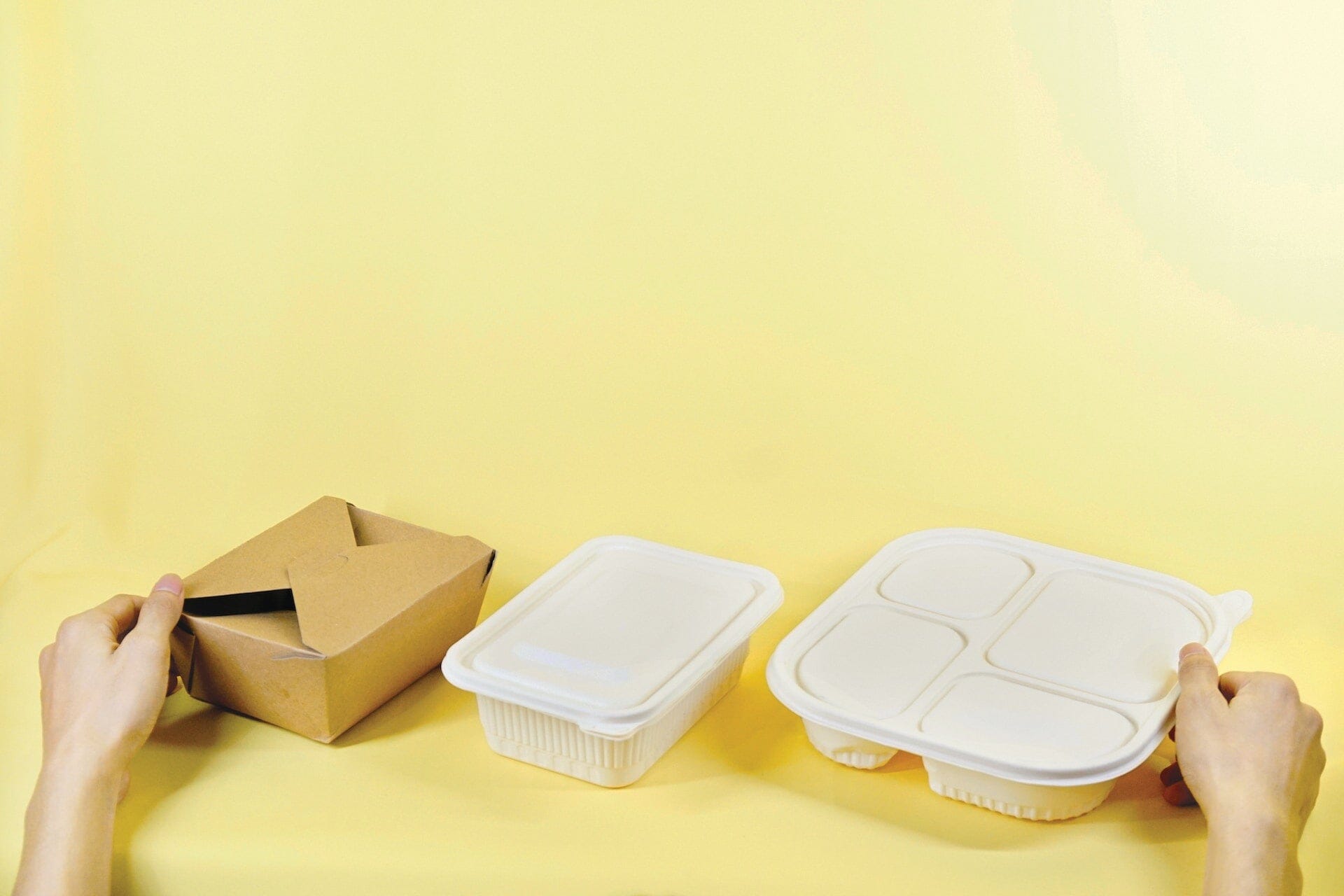
Currently, the convenience of takeaway meals has become an integral part of the catering industry. However, this benefit often comes with a negative impact on the environment due to the excessive use of unsustainable packaging. Restaurants face a challenge: maintaining the practicality of takeaway packaging without compromising the well-being of the planet.
The essentials
- Takeaway packaging typically contributes to environmental pollution due to non-biodegradable plastics.
- Consumers increasingly seek restaurants with sustainable practices, making it critical for brand image and loyalty.
- Various sustainable packaging alternatives exist, from recycled paper and natural fibres to reusable systems.
The Environmental Challenge of Takeaway Packaging
Takeaway packaging, typically made from non-biodegradable plastics, represents a significant burden on the environment. These materials can persist in the ecosystem for hundreds of years, contributing to soil and ocean pollution. The growing demand for these packages has exacerbated the problem, generating an alarming amount of waste that poses serious threats to wildlife and human health.
Long-term impact
Non-biodegradable plastics in takeaway packaging can persist for hundreds of years, causing significant and lasting environmental damage to soil and oceans.
The Importance of Sustainability in the Restaurant Industry
Sustainability has become a critical issue in the restaurant industry. Consumers, increasingly aware of the environmental impact of their choices, are looking for options that minimise their ecological footprint. In response to this demand, restaurants are exploring more sustainable alternatives for their takeaway packaging.
Sustainable Takeaway Packaging: A Responsible Solution
There are several responsible solutions for sustainable takeaway packaging:
- Recycled Paper Packaging Resistant and decomposes more quickly than conventional plastic, reducing landfill waste.
- Natural Fibre Packaging Made from materials like sugarcane bagasse, bamboo, or wheat straw, these are biodegradable, compostable, robust, and heat-resistant.
- Corn Starch or PLA Packaging Derived from plant sources, this looks similar to plastic but is biodegradable under composting conditions.
- Reusable or Returnable Packaging Requires customers to return packaging for cleaning and reuse, reducing waste and encouraging consumer participation.
- Cellulose Fibre or Paper Pulp Packaging Biodegradable and often compostable options made from fibrous materials.
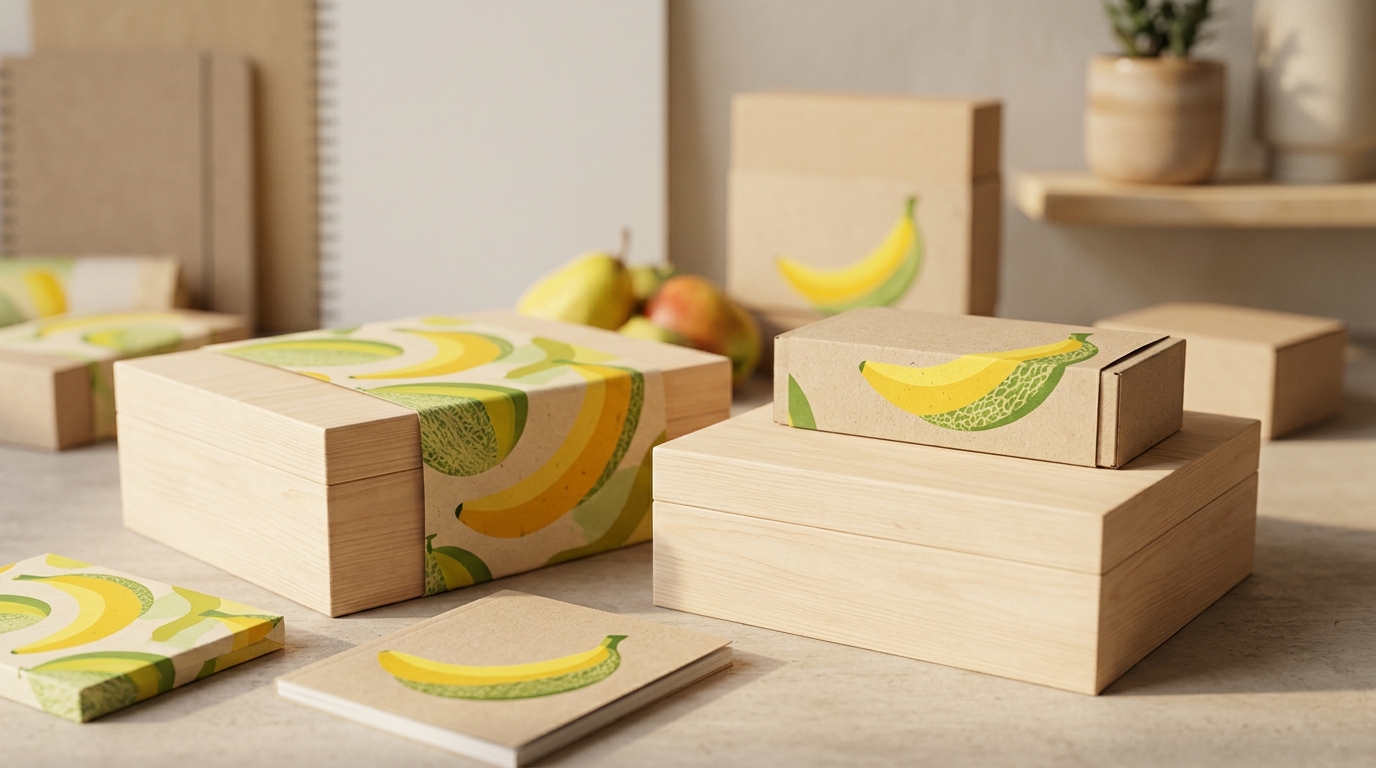
- Wooden Packaging Durable, resistant, and aesthetically attractive, these are often reusable, extending their life and reducing waste.
An example of a company committed to the production of Sincla's wooden boxes.
Cater to the growing number of environmentally conscious consumers by offering sustainable packaging options. This can strengthen customer loyalty and attract new clients.