Packaging: Much More Than Just a Container
Key takeaways
- Packaging is key for protection, logistics, and brand strategy.
- Material choice depends on the product, budget, and sustainability values.
- Customization is essential to differentiate the product and enhance the customer experience.
- Common mistakes include underestimating costs, ignoring regulations, and neglecting sustainability.
Primary Functions of Packaging
- ProtectionSafeguards the product during transport and storage.
- ContainmentKeeps the product together and organized.
- InformationCommunicates essential product data.
- MarketingAttracts attention and reinforces brand image.
- ExperienceContributes to the overall customer perception.
Protection and Containment
Information and Communication
Key fact
According to studies, over 70% of purchasing decisions are made at the point of sale (physical or virtual), where packaging plays a stellar role in the first impression.
Marketing and Differentiation
Facilitating Use and Logistics
picking and packingKey Materials in the Packaging Sector
Cardboard and Paperboard Boxes
corrugated cardboard70%Average Recycled Content
VersatileDiverse uses
LightweightReduces shipping costs
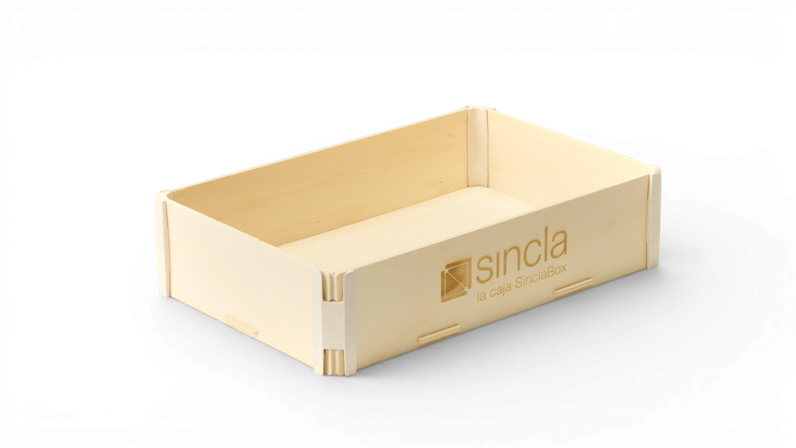
Wooden Boxes
wooden box with a lidwooden box catalogKey consideration
For products perceived as artisanal or high-end, wood, or cardboard with wood finishes, can add significant value and justify a higher price.
Other Materials
foamCustomization and Finishes: The Brand's Mark
Personalized wooden boxesPrinting and Marking Techniques
Additional Customization Elements
adhesive tapeImportant note
A request for a free sample can be the ideal way to evaluate the quality and finish of packaging before placing a large order.
Sustainability in Packaging
Sustainability Criteria
"Sustainable packaging is not an option, but a necessity for future brands seeking to resonate with their consumers' values."
Impact and Benefits
Common Mistakes to Avoid in Packaging Design
- Ignoring functionality over aesthetics. Beautiful packaging that doesn't protect is useless. The priority should always be product safety.
- Neglecting the opening experience. Packaging that is difficult to open or causes frustration can diminish product perception.
- Underestimating logistical costs. The weight, size, and shape of packaging directly impact transport and storage costs.
- Not considering regulations. Each sector and region has specific regulations on labeling, materials, and recycling that must be met.
- Overlooking sustainability. Not incorporating ecological solutions can alienate a growing segment of consumers and damage the brand's reputation.
- Lack of customization or brand consistency. Generic packaging does not help differentiation and dilutes brand identity. See custom box vs. standard packaging.