Boxes for Christmas? Order as early as you can: the factory gets overloaded and lead times get longer.Last day to order up to 1,000 boxes: 25 October 2026.See all deadlines
Flexible Packaging: Innovation and Sustainability in the Packaging Industry
Julia Marco
Flexible packaging has revolutionized the packaging industry in recent years, offering versatile and efficient solutions for both manufacturers and consumers.
Flexible packaging has revolutionised the packaging industry in recent years, offering versatile and efficient solutions for both manufacturers and consumers. From resealable bags to biodegradable wrappers, this type of packaging has become a popular option thanks to its advantages in terms of sustainability, cost, and convenience.
The essentials
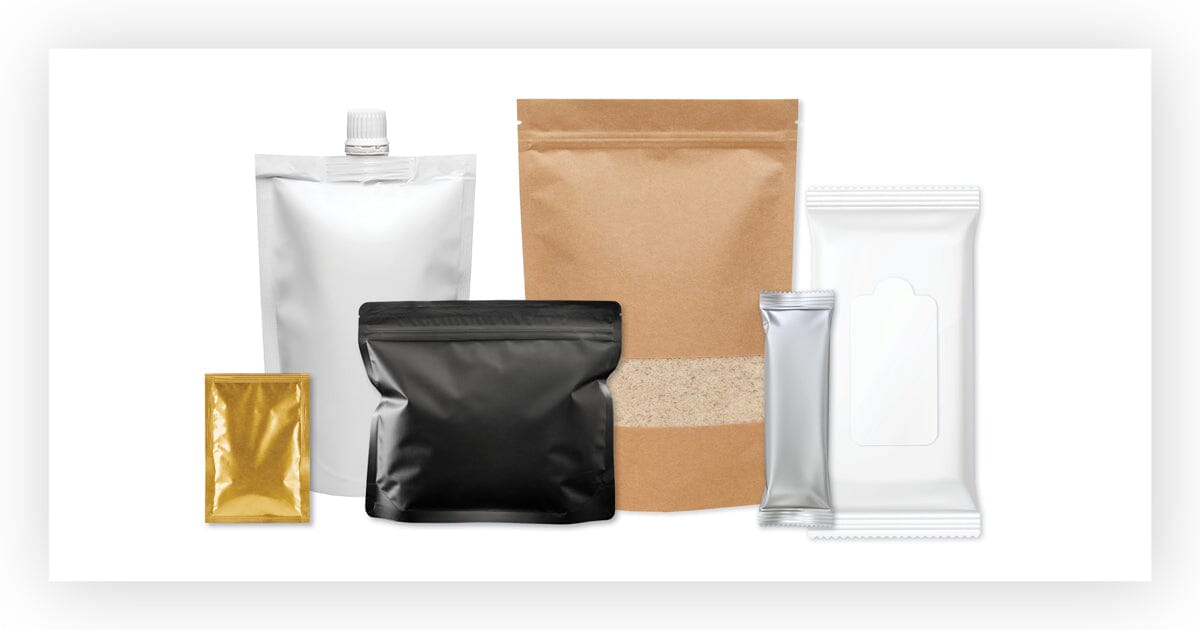
Flexible packaging uses adaptable materials like plastics, paper, and aluminium.
It offers benefits such as reduced material use, lower costs, and enhanced consumer convenience.
New innovations include biodegradable materials, eco-friendly inks, and smart packaging.
What is Flexible Packaging?
Flexible packaging refers to any type of packaging that is made from flexible materials and can easily change shape. Unlike rigid packaging, such as bottles or cans, flexible packaging is made from plastics, paper, aluminium, and other adaptable materials. Its application spans various sectors, such as the food, pharmaceutical, and cosmetic industries.
Companies such as Sincla are at the forefront of developing flexible packaging solutions that combine technology, design and innovation to optimise logistics and improve the consumer experience.
Advantages of Flexible Packaging
Sustainability and Lower Environmental Impact By using less plastic and other resources, less waste is generated compared to traditional packaging.
Cost and Production Efficiency Being lighter and taking up less space, logistics and storage costs are reduced.
Consumer Convenience Thanks to innovative designs, such as airtight seals and easy openings, consumers enjoy greater convenience.
Longer Product Shelf Life Effective barriers against humidity, light, and oxygen help preserve product quality for longer.
Key Benefit
Many flexible packaging options are recyclable, compostable, or made from recycled materials, contributing to a smaller carbon footprint.
Applications of Flexible Packaging
1. Food Industry
Flexible packaging has transformed the way food is presented and preserved. From snacks and cereals to dairy products and meats, these packages ensure freshness and reduce food waste.
2. Pharmaceutical Sector
Flexible packaging has also extended to the pharmaceutical field, where it protects medicines and medical devices. Single-dose sachets and resealable packaging are common in this sector.
3. Cosmetics and Personal Care
Creams, gels, and liquid products benefit from flexible packaging that facilitates their application and transport, reducing waste of cosmetic products.
4. Chemical and Agrochemical Industry
Fertilizers, pesticides, and chemical products are also distributed in flexible packaging that guarantees safety and ease of use.
Custom wooden boxes
Discover our wooden boxes for packaging, hospitality, events and more. In-house manufacturing and full customisation.
Technology has driven advances in flexible packaging that improve its functionality and sustainability. Some of the most notable innovations include:
Biodegradable Materials: Companies have developed biodegradable plastics that decompose naturally, reducing environmental pollution.
Eco-Friendly Inks: Water-based or solvent-free inks have been implemented to reduce environmental impact.
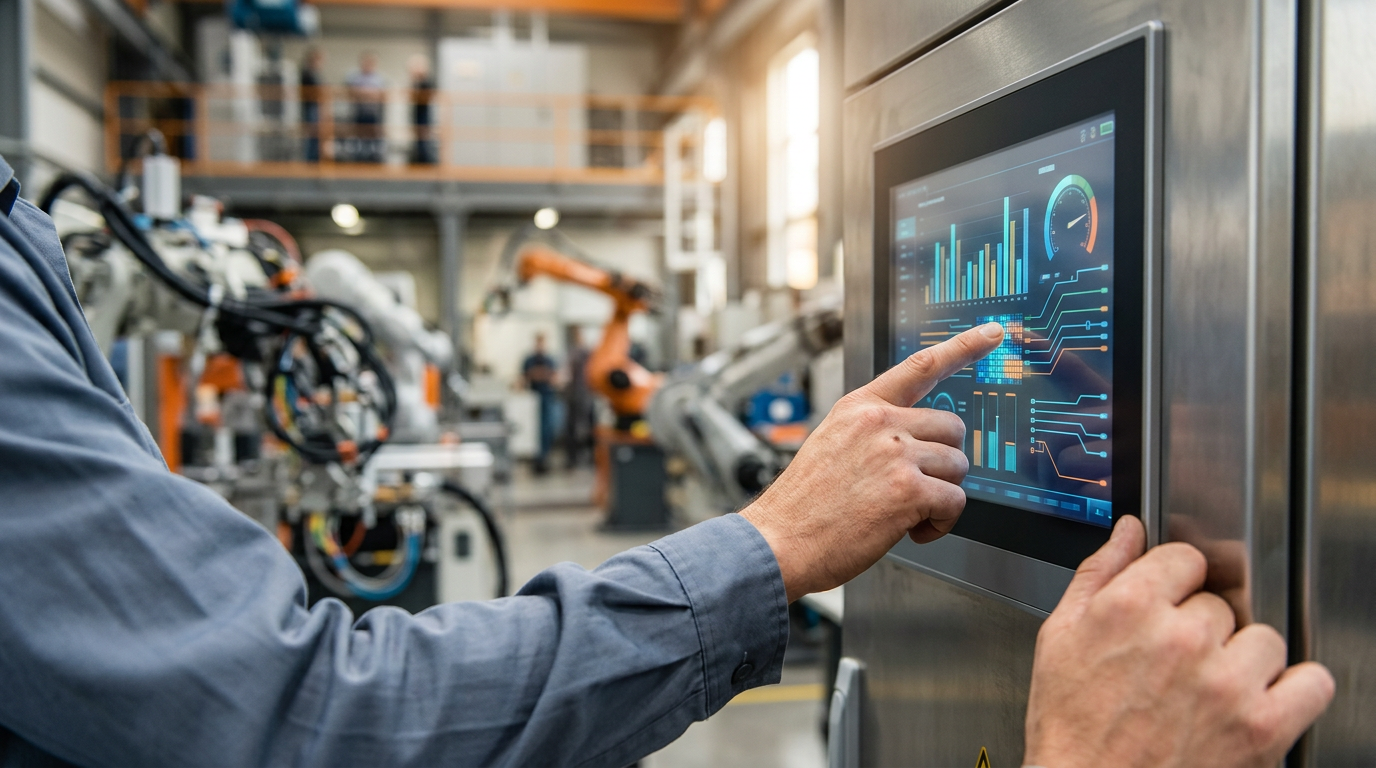
Smart Packaging: Some flexible packages incorporate technology such as QR codes and sensors to track product freshness or provide additional information to the consumer.
Recyclable Monomaterials: Instead of using packaging with multiple layers of different materials, companies are opting for monomaterials that are easy to recycle.
These innovations address both environmental concerns and the need for enhanced functionality and consumer engagement.
Challenges of Flexible Packaging
Despite its advantages, flexible packaging faces some challenges:
Recycling Difficulties: Not all materials used in flexible packaging are easily recyclable. Some solutions combine plastics that require specialised technologies for recycling.
Consumer Perception: Although more and more people are looking for sustainable options, there is still distrust about the recyclability of certain flexible packaging.
Environmental Regulations: The industry must adapt to increasingly strict regulations on the use of plastics and waste.
Recycling Complexity
The combination of different plastic materials in some flexible packaging solutions can pose challenges for conventional recycling processes.
The Future of Flexible Packaging
The future of flexible packaging is marked by innovation and sustainability. Companies will continue to invest in recyclable and biodegradable materials, as well as in technologies that facilitate the recycling and reuse of packaging. Additionally, digitalisation will allow consumers to access detailed information about the environmental impact of the products they buy.
In a world where efficiency and ecology are key, flexible packaging is positioned as a versatile and sustainable solution.
Companies and consumers have a responsibility to adopt practices that drive a greener and more conscious future.
Flexible packaging is not just a trend, but a necessity in a global market that seeks more efficient and sustainable solutions. Its evolution will continue to transform the packaging industry, driving the development of more environmentally friendly materials and more innovative designs. Adaptability and innovation will continue to be the pillars of this sector, offering benefits for both the industry and end consumers.