Packaging is much more than just a wrapper: it's the consumer's first experience with the product. In the case of premium beverages, the packaging not only protects the content but also communicates brand values, conveys luxury, and builds trust. In fact, a study by Ipsos (2023) indicates that 72% of consumers recognise that packaging directly influences their purchase decision, especially in high-value categories such as wines, spirits, and gourmet beverages.
The essentials
- Premium beverage packaging communicates brand values, conveys luxury, and builds trust.
- Materials like high-end glass and wood, coupled with specific colours and finishes, signify exclusivity.
- Technological innovations and a focus on unboxing enhance the premium experience.
- Sustainability is a key market requirement, with 73% of luxury consumers preferring responsible packaging.
In this article, we analyse how packaging can convey quality and exclusivity in premium beverages, with examples, trends, and market data.
1. The importance of packaging in the premium sector
Premium beverages compete in a market where perceived value is as relevant as the product itself. Packaging acts as a silent ambassador for the brand and fulfils several key roles:
- Differentiation On saturated shelves, a distinctive design grabs attention.
- Perception of quality Materials, finishes, and the weight of the packaging influence appraisal.
- Sensory experience The touch, shine, and ergonomics of the packaging generate emotions.
- Storytelling Each bottle can tell the story of its origin, tradition, or innovation.
According to a report by Mordor Intelligence (2024), the global premium drinks market is expected to grow by 6.5% annually until 2028, driven by consumers seeking unique experiences. In this context, packaging becomes a decisive factor.
Market Growth
The global premium drinks market is expected to grow by 6.5% annually until 2028, largely influenced by packaging design.
2. Materials that convey exclusivity
The packaging material is one of the clearest signs of luxury and quality. Some notable examples include:
- High-end glass: thick glass bottles convey solidity and prestige. Example: Belvedere Vodka, whose frosted and heavy bottle reinforces its premium character.
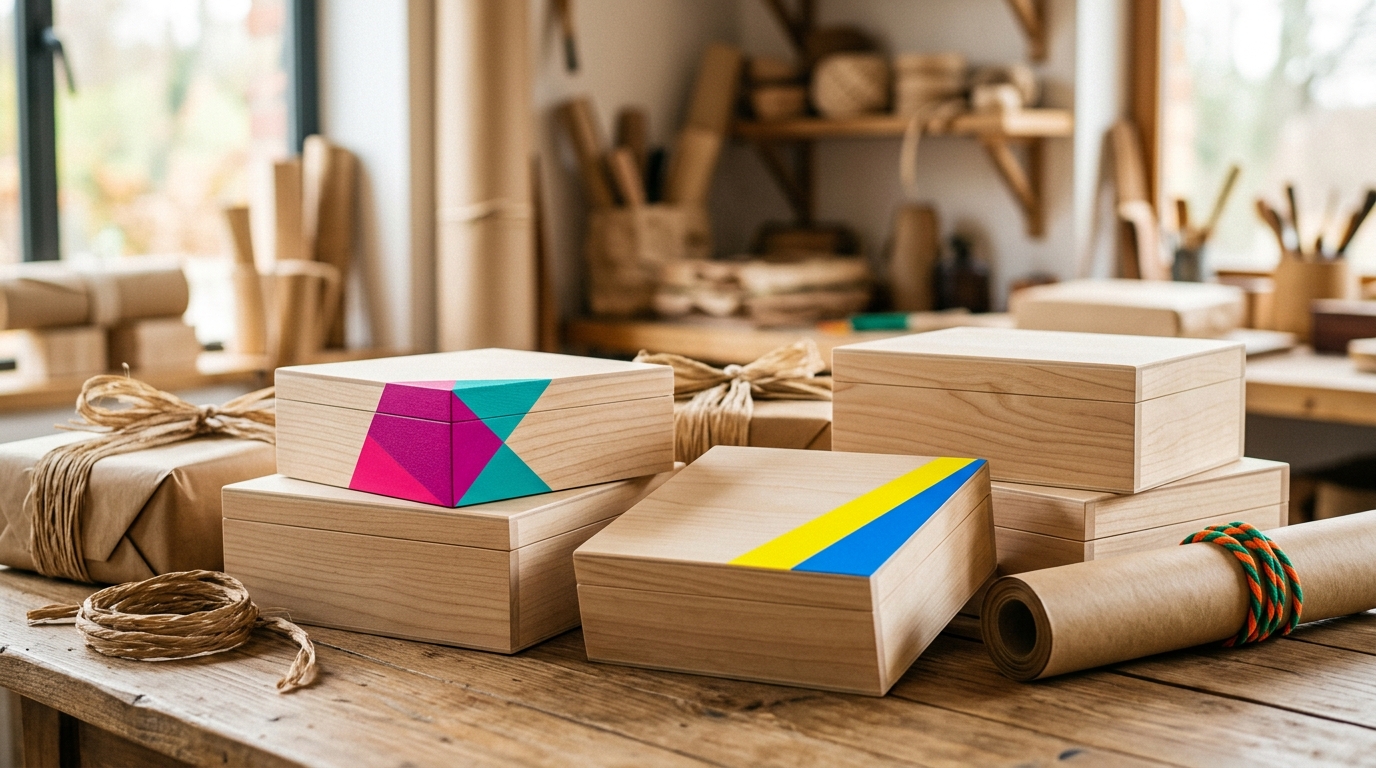
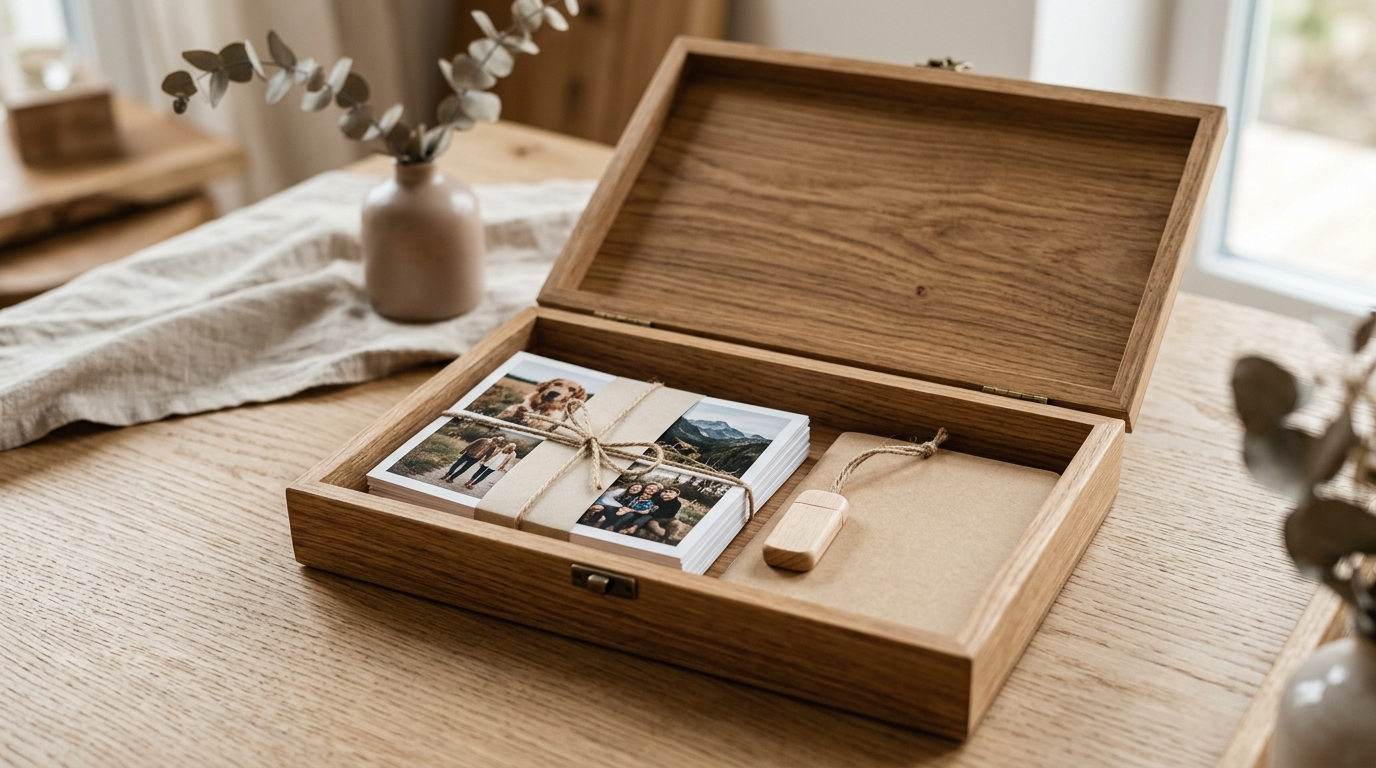
- Wood: used in cases for limited edition whiskies and cognacs, such as those from Macallan, which combine tradition and craftsmanship.
- Metal and brushed aluminium: add modernity and durability. Some special editions of premium gins are presented in polished metal tins.
- High-density recycled paper and cardboard: convey sustainability without losing elegance, as in the case of Absolut Paper, an experimental bottle made from recycled fibre.
Key data
- According to Smithers Pira, the premium sustainable packaging market will grow by 8% annually until 2030.
- Younger luxury consumers (Millennials and Gen Z) prioritise packaging that combines design and environmental responsibility.
3. Colours and finishes that elevate perception
Colour is a language in itself. In premium beverages, the choice of colour is not random:
- Black and gold: convey luxury, sophistication, and exclusivity. Example: Johnnie Walker Black Label.
- White and silver: associated with purity, minimalism, and freshness. Example: Beluga Vodka.
- Deep greens and navy blues: evoke heritage, tradition, and prestige. Widely used in gins and whiskies.
In addition, finishes make a difference:
- Embossing on glass or cardboard that provides tactile texture.
- Metallic screen printing in gold or copper that adds a premium touch.
- Fabric or leather labels that reinforce artisanal authenticity.
A notable example is Clase Azul Tequila, whose hand-painted bottles have become collector's items.
Tactile textures from embossing, metallic screen printing, and fabric or leather labels significantly elevate the premium feel of packaging.
4. Technological innovations in premium packaging
Digitalisation has also reached the world of luxury beverages. Some trends include:
- Personalised QR codes: allow consumers to access the product's history, production process videos, or authenticity certifications.
- NFC labels: used by brands like Château Le Pin on collector wines, to verify authenticity and prevent counterfeiting.
- Augmented Reality (AR): brands like 19 Crimes have innovated with interactive labels that come to life through smartphones.
According to Grand View Research (2023), the smart packaging market will reach 37 billion dollars by 2030, and the premium beverage sector is one of the main drivers.