Painter's Tape: The Silent Ally in Every Painting Project
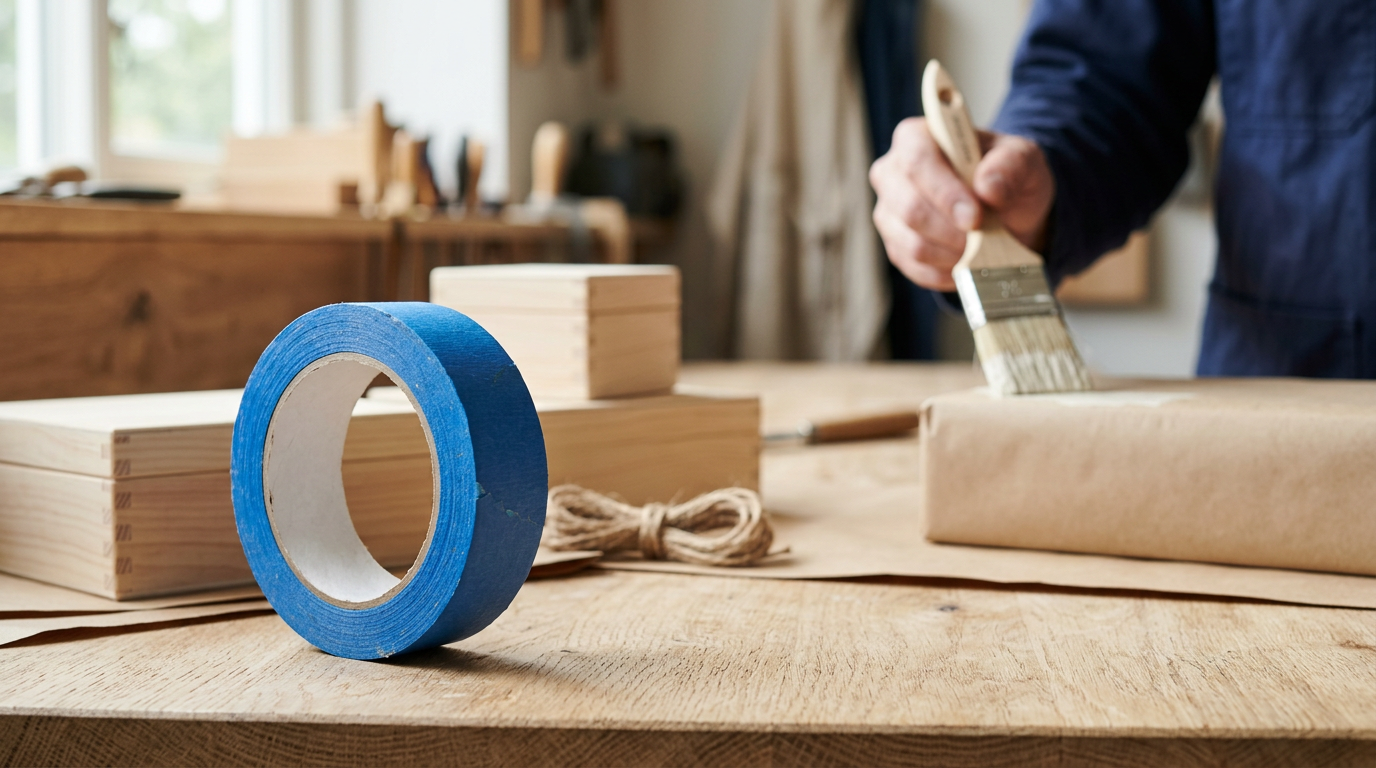
Painter's tape, often underestimated, is an indispensable tool for both professionals and amateurs in any painting project. Its main function is to precisely define areas, protect adjacent surfaces from paint splatters, and ensure clean, crisp lines. Beyond its apparent simplicity, the correct choice and application of painter's tape can make a drastic difference between a pristine finish and one that requires tedious corrections. Understanding the different types, materials, and application techniques is fundamental to maximizing its effectiveness and achieving impeccable results on any surface.
The Essentials
- Painter's tape is crucial for clean lines and surface protection.
- Specific types exist for different surfaces, durations, and finishes.
- Correct application and removal prevent damage and adhesive residue.
Origins and Evolution of Masking Tape
The history of masking tape, the direct precursor to painter's tape, dates back to the 1920s. Richard Drew, a 3M engineer, noticed how car painters became frustrated trying to mask off areas with butcher paper and strong adhesives that damaged the already dry paint. Inspired by this need, Drew developed a tape with a softer, pressure-sensitive adhesive that could be removed without leaving residue or lifting paint. Originally conceived for the automotive industry, its utility quickly spread to construction, DIY, and, of course, decorative painting.
Over time, painter's tape has evolved, leading to specialization in adhesives, backings, and manufacturing technologies. Today, the market offers a vast range of tapes designed for specific uses, from delicate surfaces to prolonged sun exposure, including high-precision applications.
Materials and Composition: The Science Behind the Tape
The effectiveness of painter's tape lies in the combination of its backing and adhesive. Understanding these components is key to selecting the right option for each project.
The Backing: Structure and Flexibility
The backing is the base of the tape and is usually made of crepe paper, although plastic or cloth options also exist. Crepe paper is the most common due to its flexibility, which allows it to conform to contours and curves without tearing. Its slightly textured surface also helps paint adhere better to the edges, reducing the chances of bleeding underneath.
- Crepe paper: The most widely used material. It is flexible, easy to cut, and adaptable to irregular surfaces. Allows for clean hand tearing.
- Plastic film (polyethylene or PVC): Offers greater resistance to moisture and chemicals, ideal for outdoor applications or with certain types of coatings. Does not tear easily and requires a utility knife.
- Cloth: Less common for general painting, but found in specialized tapes for heavy-duty applications or for masking objects in industrial environments.
The Adhesive: The Key to Protection
The adhesive is the most critical component and determines the tape's ability to adhere without damaging the surface upon removal. Adhesives are typically natural rubber or acrylic-based, formulated to be pressure-sensitive and have low initial tack, but with enough strength to keep the tape in place.
- Rubber adhesive: Offers good initial adhesion and is easy to remove. It is temperature-sensitive, so it may be less effective at extremes.
- Acrylic adhesive: More resistant to UV rays, heat, and moisture. Ideal for outdoor or prolonged applications. Offers greater stability over time.
- Tack level: Varies from very low (for ultra-delicate surfaces) to medium-high (for rough surfaces or long-term applications).
Key Adhesive
The adhesive is the determining factor in the quality of painter's tape, dictating its ability to adhere without causing damage or leaving residue.
Types of Painter's Tape and Their Applications
The diversity of painter's tapes on the market responds to the multiple needs of projects. The correct choice minimizes problems and optimizes the final result.
General-Purpose Painter's Tape
This is the most common variant, with a medium-tack adhesive. Suitable for most interior surfaces, such as painted walls, smooth wood, or glass. Its recommended application duration is usually up to 3 days, after which the adhesive might become more difficult to remove without leaving residue.
Painter's Tape for Delicate Surfaces
Designed with a very low-tack adhesive (often light blue or yellow), it is perfect for newly painted surfaces (that have already cured), wallpaper, or special finishes. It allows for clean removal even after several weeks, but its holding power is lower, so careful application is required to prevent paint bleeding.
Painter's Tape for Outdoors and Long Duration
These tapes incorporate acrylic adhesives that are more resistant to UV rays and moisture. They are usually blue or green and can remain applied for weeks or even months without degrading or leaving residue. They are ideal for exterior painting jobs, long-term projects, or in changing environmental conditions.
Sharp-Edge or Precision Painter's Tape
Known for its ability to create extremely crisp lines. They usually have a thinner backing and an adhesive that reacts with moisture to seal the edges, preventing any paint bleeding. They are a bit more expensive but justify their price in projects where edge perfection is critical.
Multi-Surface Painter's Tape
These offer a balance between adhesion and protection, suitable for a wide variety of interior and exterior surfaces, with good UV resistance and an intermediate duration, for example, 7 to 14 days. It is a versatile option for projects involving different materials.
Golden Tip
Always perform a small test in an inconspicuous area of the surface before general application to ensure that the tape will not damage the finish.
Application and Removal Techniques for Optimal Results
Correct application and removal of the tape are as important as choosing the right type. A good process ensures perfect lines and prevents damage.
Surface Preparation
Before applying the tape, ensure that the surface is clean, dry, and free of dust or grease. The presence of dirt can compromise the adhesive's bond, allowing paint to bleed underneath. Clean with a damp cloth and allow to dry completely.
Tape Application
- Cut the tape to the appropriate length. It's best to use manageable sections to maintain control.
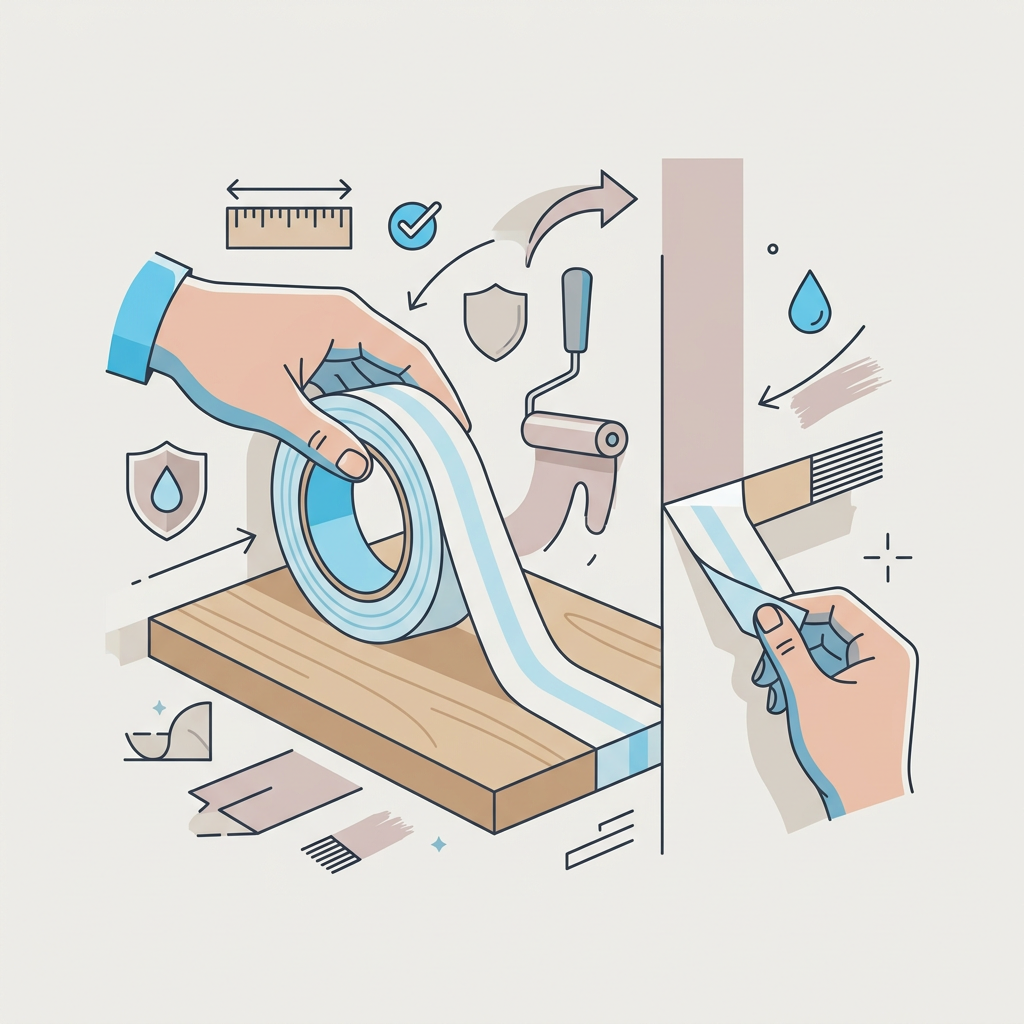
- Apply the tape carefully. Apply it slowly, ensuring that the edge you want to protect is perfectly covered. Use a putty knife or your finger to press firmly along the entire edge of the tape, sealing it against the surface. This is crucial to prevent bleeding.
- Overlap. If you need to cover a corner, slightly overlap the tape ends and then cut a 45-degree angle for a clean fit.
Painting and Removal
- Paint sparingly. Avoid applying excessively thick paint coats near the edge of the tape, as this can create a ridge or cause the paint to lift when the tape is removed.
- Remove at the right time. This is one of the most critical steps. For most paints, the tape should be removed when the paint is "tacky to the touch" but not completely dry. If the paint is too wet, it may smudge. If it is completely dry, it could have bonded to the tape, causing it to peel off along with the fresh paint, or causing the line to break unevenly.
- Removal angle. Pull the tape slowly at a 45-degree angle, away from the painted surface. This helps ensure a clean line and minimizes the risk of paint tearing.
- Cut if necessary. If the paint has dried too much and has adhered to the tape, you can use a razor blade or a sharp utility knife to gently score along the edge of the tape before removing it, preventing it from pulling off the paint.
Avoid Adhesive Residue
Leaving painter's tape applied for longer than the manufacturer's recommended time can cause the adhesive to cure and bond too strongly to the surface, leaving sticky residue or damaging the finish upon removal.
Common Mistakes When Using Painter's Tape and How to Avoid Them
Even with the right tape, application errors can thwart the best efforts. Recognizing them and knowing how to prevent them is fundamental.
- Not cleaning the surface: Dust and dirt prevent proper adhesion, leading to paint bleeding. Solution: Clean and dry the surface before applying.
- Not pressing the tape firmly: Loose edges are an invitation for paint to seep underneath. Solution: Use a putty knife or your finger to firmly seal the edges.
- Choosing the wrong type of tape: Using high-tack tape on a delicate surface or low-tack tape on a rough surface. Solution: Check manufacturer specifications and do a test.
- Leaving the tape on too long: The adhesive can cure and become difficult to remove, leaving residue or pulling off paint. Solution: Follow manufacturer recommendations for removal time.
- Removing the tape when the paint is completely dry: Can cause the paint to tear or lift. Solution: Remove when the paint is tacky to the touch.
- Applying paint too thickly over the tape: Creates a visible paint ridge or "step." Solution: Apply thinner coats or use a "sealing" technique with the base paint.
Creative Uses for Painter's Tape Beyond Protection
Although its primary function is masking, painter's tape is a surprisingly versatile tool that can be used in a variety of creative and practical applications:
- Geometric designs: Allows for creating patterns and stripes on walls or furniture.
- Temporary fastening: Useful for holding small pieces or protecting fragile items while working.
- Provisional labeling: For temporarily marking objects, cables, or containers.
- Tool protection: For wrapping handles or protecting delicate parts during storage.
- Crafts: Serves as a stencil for art projects or to protect areas when painting small objects.
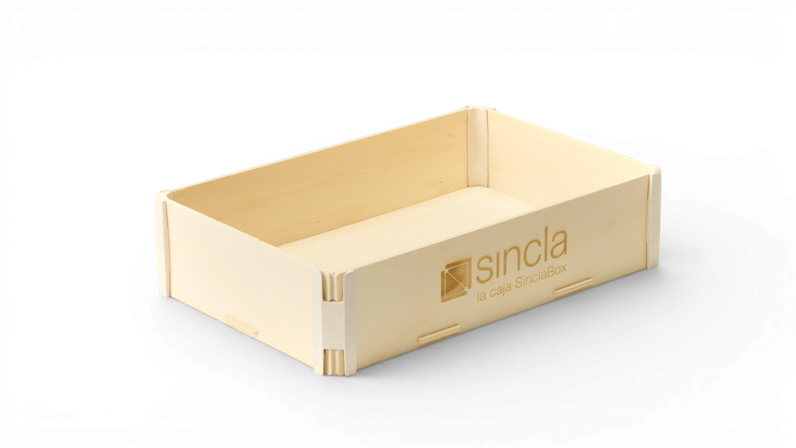
Indeed, painter's tape, by its nature of controlled adhesion and clean removal, has become a valuable tool in various fields. For example, in the realm of custom wooden boxes, it can be used to define areas before applying a varnish or a different color, ensuring that design lines are perfectly defined. Similarly, in projects where the protection of sensitive surfaces is paramount, such as bubble wrap, painter's tape is ideal for securing elements without compromising the underlying material.
Important Note
Ensure that the painter's tape is compatible with the surface to be protected, especially if it is very delicate or has a special finish.
Environmental Impact and Sustainability of Painter's Tape
As with many common products, the sustainability of painter's tape is a topic of growing interest. Most traditional painter's tapes use a paper backing and a rubber-based adhesive, raising questions about their recyclability and biodegradability.
- Paper backing: If the adhesive is separable or biodegradable, the paper backing could be recyclable. However, in practice, the mix of adhesive and paper often complicates the recycling process in conventional waste streams.
- Adhesives: Natural rubber-based adhesives are generally more biodegradable than synthetic acrylics. However, both can contain components that hinder complete composting or biodegradation.
- Sustainable alternatives: Some "greener" options have emerged, such as tapes with water-based adhesives, recycled or biodegradable paper backings, and even fully compostable tapes. These options typically have a higher cost and may not offer the same performance in all applications, but they represent a step towards sustainability.
- Waste reduction: Regardless of the type of tape, the best sustainable practice is to use just the right amount and dispose of it properly. Efficient use of tape reduces the total volume of waste generated.
"Precision is not a luxury; it is the result of choosing the right tools and applying the correct technique."
The Future of Painter's Tape
Research and development in the field of adhesives and materials continue to drive the evolution of painter's tape. Advances are expected in:
- Smarter adhesives: Adhesives that offer a wider removal window, or that better adapt to temperature and humidity variations.
- More sustainable materials: Greater use of recycled, biodegradable, and bio-based materials in the backing and adhesive.
- Multifunctional tapes: Products that combine properties such as water resistance, UV protection, and the ability to create ultra-thin edges in a single product.
- Assisted application: Tools or devices that facilitate perfect tape application, especially in large or complex projects.
Painter's tape, though seemingly a minor detail, is a vital component for quality and efficiency in painting. Choosing the right one and applying it correctly not only guarantees a professional finish but also saves time and effort by avoiding costly corrections.