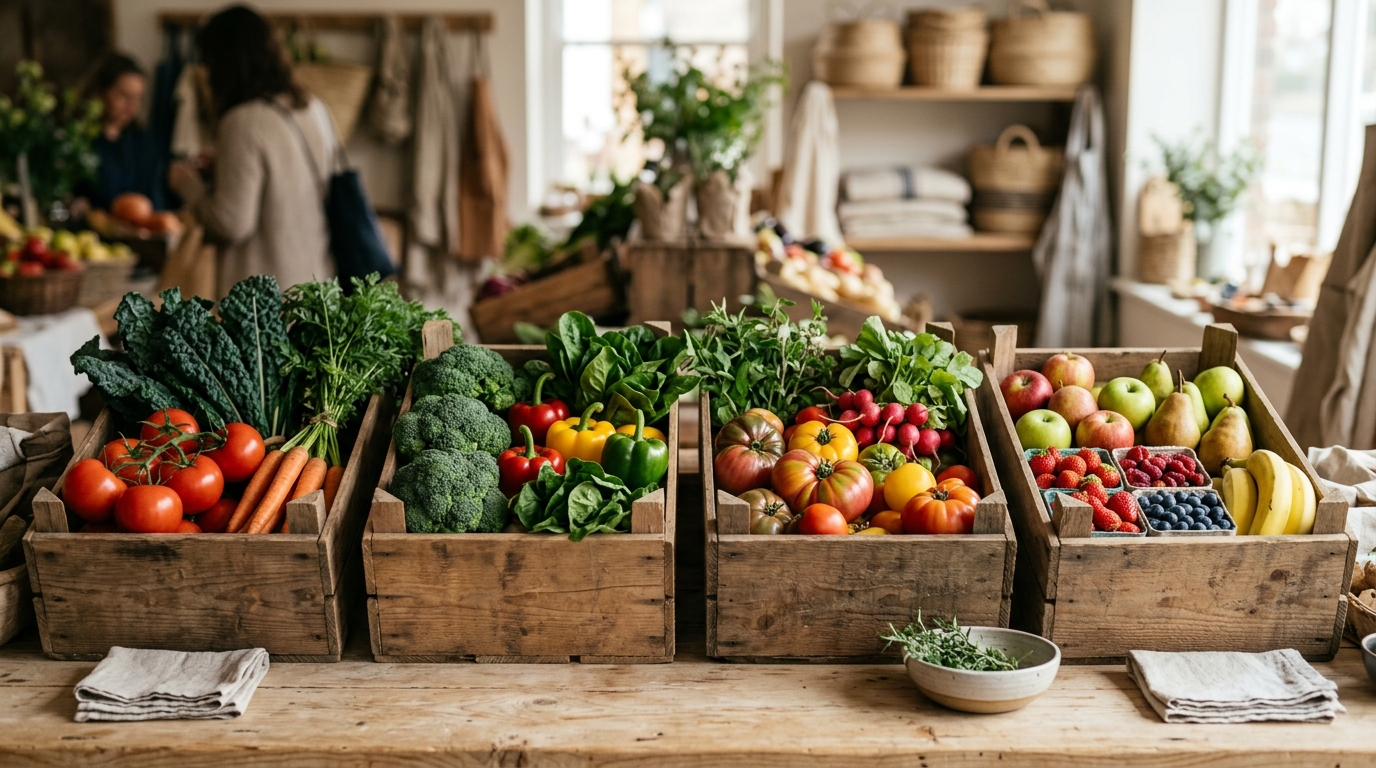

Organic supermarkets have found their niche in the food sector. Mainly located in urban centres, their growing popularity is due to several factors, mainly related to the longings and desires of a modern and dynamic society that wants good, quality, and healthy products.
The essentials
- Organic supermarkets offer fresh, local, and healthy products free of synthetic additives.
- They maintain an ethical commitment to the environment, using less invasive and more natural production techniques.
- Shopping tips include using bulk sales, planning lists, and understanding the long-term value despite slightly higher prices.
- Organic supermarkets cater to a diverse clientele including older individuals, existing organic consumers, and young families.
Advantages of buying in organic supermarkets
The main advantage of these establishments is that they offer a series of products that are very difficult to find in traditional shops or large supermarkets. A fresh product, which is generally local and very healthy, since its origin is of the most natural, guaranteeing that the food does not contain synthetic additives in its composition, so you will not have to face the problem of reading the list of ingredients of a food and observing that you understand nothing.
Read ingredients lists
You will find that organic products do not contain synthetic additives in their composition, making them much healthier.
The fact that the product is usually local is another of the great attractions of organic supermarkets, which guarantees not only freshness but also that seasonal products are offered at their optimal ripening point.
Furthermore, behind these foods there is an ethical commitment that implies greater respect for our environment. Less invasive techniques are used for all production phases. Organic farming is more respectful of nature than traditional farming; it does not generate toxic waste or harmful chemicals such as pesticides, insecticides, synthetic fertilisers, preservatives, or additives. On the other hand, organic livestock farming has a special interest in animal welfare, an issue that increasingly concerns citizens who are more aware of the challenges of the 21st century, allowing these living beings to grow well-fed naturally, and in better living conditions, which implies a higher quality product.
Organic supermarkets uphold an ethical commitment to the environment by using less invasive production techniques and prioritizing animal welfare in livestock farming.
- Freshness Products are generally local, ensuring optimal freshness.
- Health Benefits Food does not contain synthetic additives, supporting a healthier diet.
- Environmental Respect Organic farming uses less invasive techniques and avoids harmful chemicals.
- Animal Welfare Organic livestock farming prioritizes natural growth and better living conditions for animals.
- Optimal Ripening Seasonal products are offered at their peak maturity.
Tips for buying in an organic supermarket
You need to know how to take advantage of the conditions of these establishments to achieve that coveted saving in your pocket. Organic supermarkets usually have bulk sales systems, allowing our purchase to better adjust to what we need for our lives, which not only makes us spend less money but also has a more consistent consumption.
Many organic supermarkets offer bulk sales, allowing you to buy only what you need and reduce waste.
Another tip to keep in mind is to plan your shopping list well and not make overly copious purchases, as these are two ways to optimise our consumption and avoid unnecessary waste that will inflate our expenses at the end of the month. Although organic products are not much more expensive, it is true that they have a slightly higher price, but in the end, it is more advantageous for many reasons: taste, quality, environmental care, and above all, health.