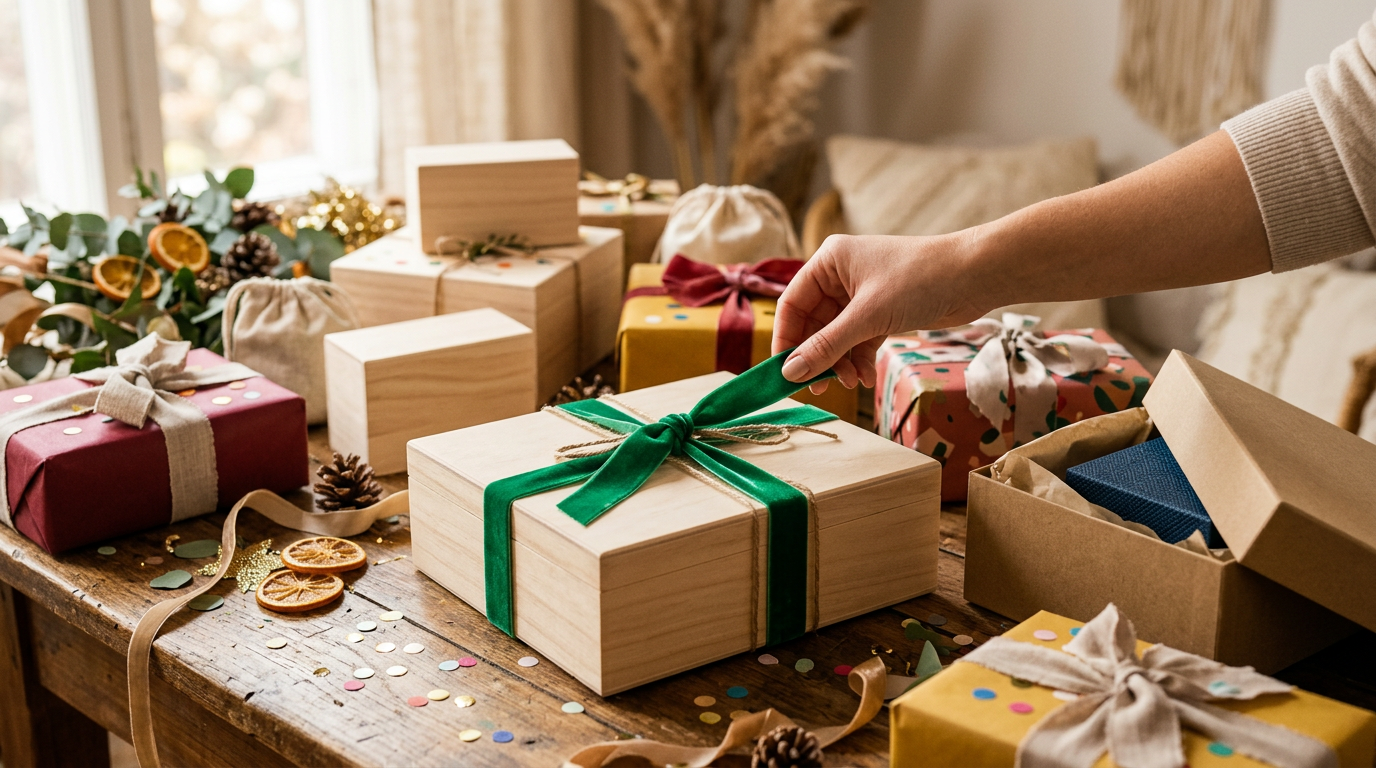
The surprise gift box: An art of emotion in packaging
The essentials
- The surprise gift box is a key element to enhance the emotional experience of a gift.
- There are various types, materials, and finishes that influence the perception and impact of the gift.
- Personalization is fundamental to align the box with the recipient and the occasion.
- Considerations such as sustainability and content protection are crucial in its selection.
- Choosing the right box involves an analysis of design, functionality, and budget.
What is a surprise gift box and why its impact is undeniable
- Anticipation: The uncertainty about the content generates pre-excitement that intensifies gratification upon opening.
- Emotion: It transforms a routine act of giving into a ritual full of feelings, from curiosity to overflowing joy.
- Memorability: A unique opening experience is more likely to be remembered, associating the gift with a special moment.
- Perceived value: Careful and mysterious wrapping can elevate the perceived value of the content, regardless of its actual cost.
- Personalization: It offers an excellent opportunity to adapt the message and style to the recipient, showing care and dedication.
The power of unboxing
The concept of the surprise box aligns directly with "unboxing." A good design invites documenting and sharing that moment, increasing the reach and appreciation of the gift.
Types of surprise boxes based on their construction and material
Common materials in surprise boxes
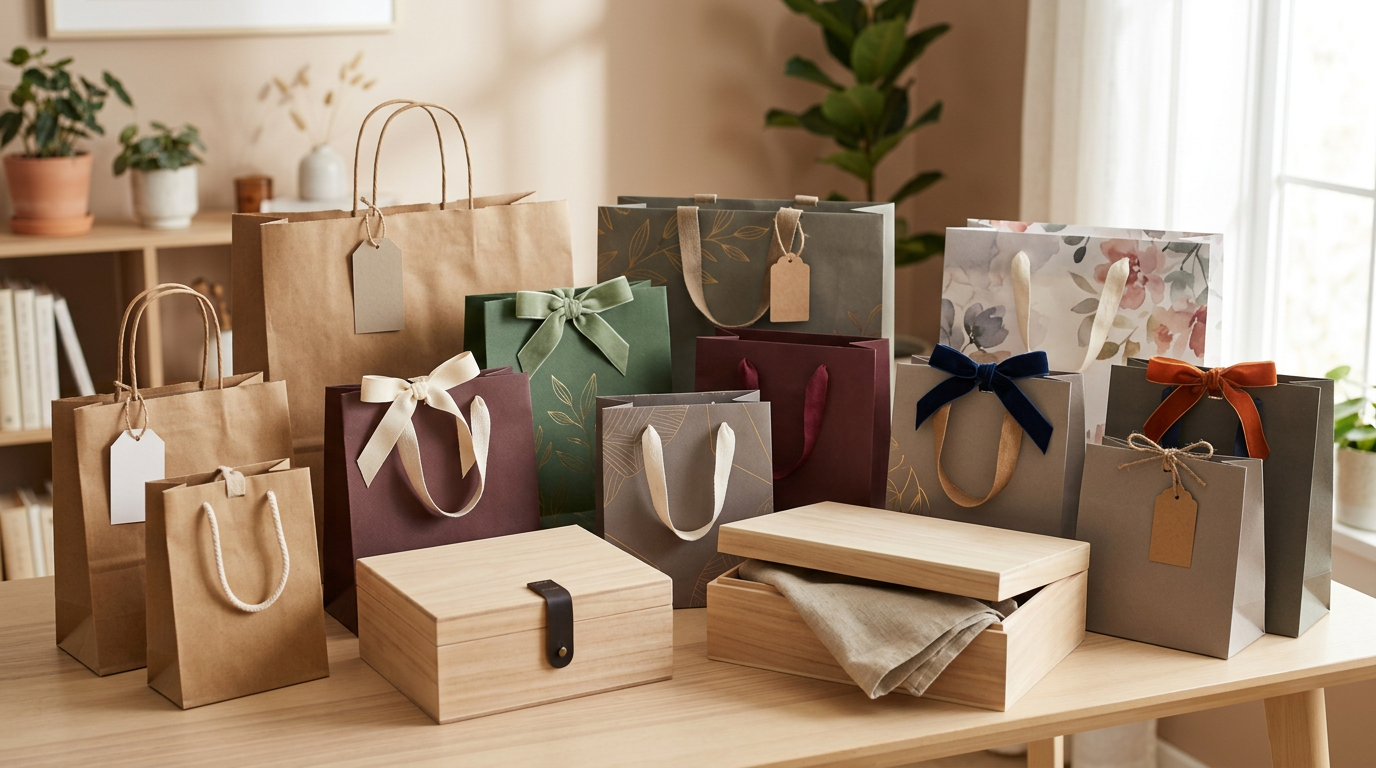
- Cardboard: It is the most versatile and economical material. It comes in various qualities, from recycled kraft cardboard, ideal for a natural and sustainable aesthetic, to coated cardboard for more sophisticated finishes. It allows for a wide variety of shapes and sizes, and is easily customizable.
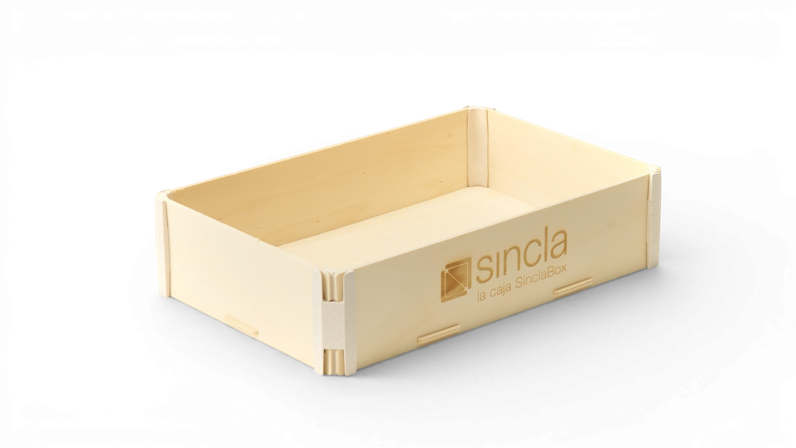
- Wood: Wooden boxes provide a touch of luxury, durability, and tradition. Wood can be natural (pine, spruce, beech), plywood, or MDF. They are ideal for gifts of high perceived value or for special occasions. They can include laser engravings or screen printing for personalization. Their robustness makes them perfect for protecting fragile contents.
- Metal: Metal boxes, often tinplate or aluminum, offer superior protection and a modern or vintage look, depending on the design. They are durable and reusable, perfect for storing collectibles or food items.
- Plastic: Although less common for "surprise" due to its transparency, opaque plastic boxes or those with special finishes can be used, especially for items requiring high water or impact resistance.
Sustainability
The choice of sustainable materials such as recycled cardboard, FSC-certified wood, or biodegradable plastics can add extra value to the surprise box, resonating with growing environmental awareness.
Popular constructions
- Lid and BaseClassic and elegant, offering a leisurely opening.
- Hinged/Book-styleWith a "door" that reveals the content upon opening.
- Sliding/DrawerRequire a movement to reveal the interior.
- Folding/Self-assemblingEconomical, easy to store and assemble.
- WindowedProvide a small glimpse of the interior, maintaining intrigue.
Keys to personalizing a surprise gift box
- Design and Color Selection: Choose colors that reflect the recipient's personality or the event's theme (e.g., vibrant colors for a birthday, pastel tones for a baptism, or elegant ones for an anniversary).
- Finishes and Textures: The surface of the box can communicate a lot. A matte finish suggests sobriety and elegance; a glossy finish, luxury. Textures like soft-touch or rough add a sensory dimension.
- Printing and Engraving Techniques:
- Screen Printing: Ideal for simple designs with one or several inks. Offers durability and good coverage.
- Laser Engraving: Very popular on wooden boxes or rigid materials. Creates an elegant and permanent effect, ideal for names, dates, or detailed logos.
- Pad Printing: Allows printing on irregular surfaces, useful for boxes with complex shapes.
- Hot Stamping: Applies metallic (gold, silver, copper) or colored foils with heat and pressure, providing a touch of distinction and luxury.
- Digital Printing: Allows full-color designs and short runs, ideal for unique and detailed personalizations.
- Internal and External Complements:
- Fillers: Tissue paper, wood shavings, raffia, custom-cut foam. They not only protect the content but also add volume and improve presentation.
- Ribbons and Bows: Add a decorative finishing touch and can elegantly seal the box.
- Labels and Seals: For personalized messages, names, or a subtle branding touch.
- Interactive elements: A small secret compartment, a hidden message under a layer of filler, or a gradual opening system.
"Packaging is the first physical interaction between a gift and its recipient. In surprise boxes, this interaction becomes the beginning of a story."
Use and Applications of surprise gift boxes
In the personal sphere
- Birthdays and Anniversaries: For special gifts that you want to highlight. An original birthday box can be a great success.
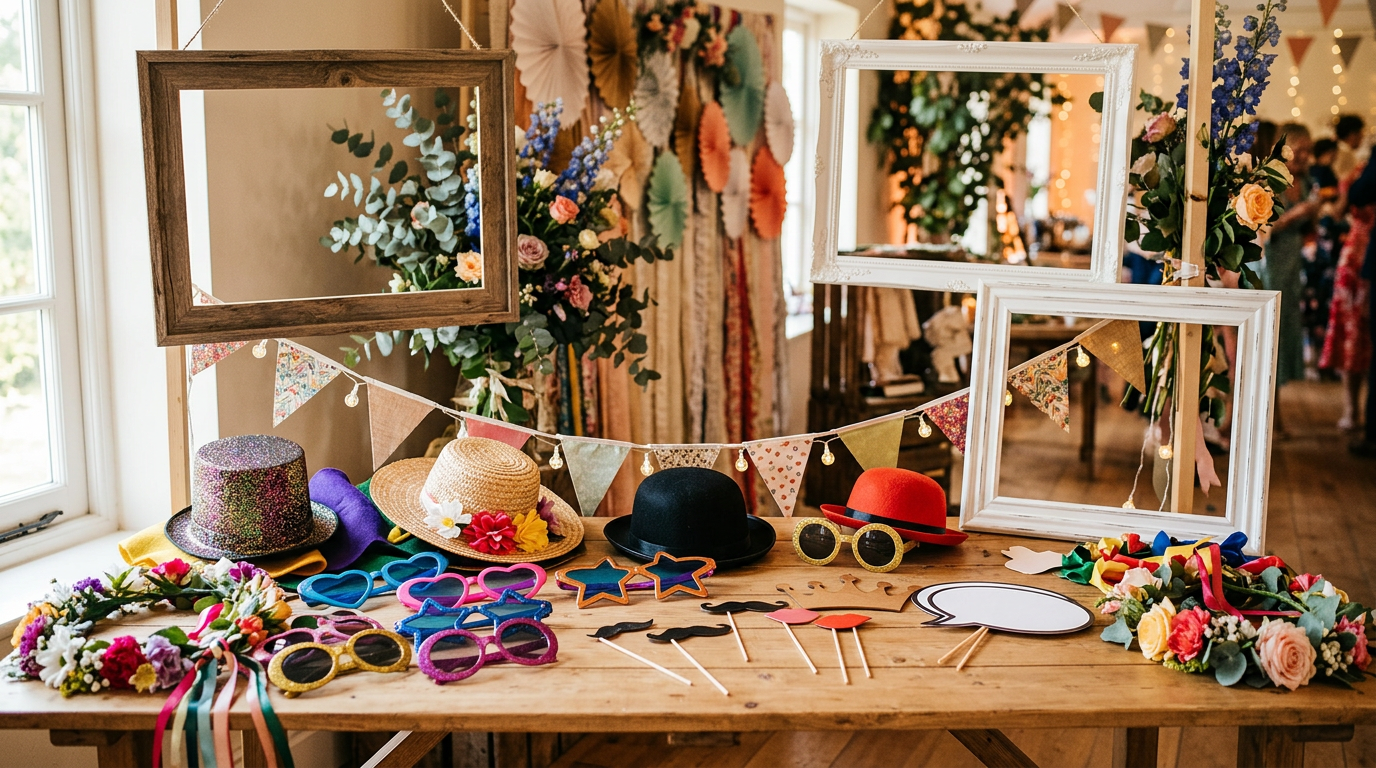
- Weddings and Commemorative Events: For guest favors or gifts between the newlyweds. Wedding packaging often seeks a balance between elegance and the ability to hold small gifts.
- Christmas and Holidays: For gifts that seek visual impact under the tree.
- Proposals and Announcements: From engagement rings to gender reveals, the surprise element is key.
In the corporate and commercial sphere
- Product Launches: Presenting a new product in a surprise box generates anticipation and a premium experience.
- Corporate Gifts: For VIP clients, employees, or partners, a personalized box with selected products leaves a lasting impression.
- Influencer Marketing: Shipments to influencers where the unboxing experience is fundamental for generating content.
- Subscriptions and Themed Boxes: The "subscription box" model is entirely based on the concept of the surprise box, where the content is a mystery until opened.
How to choose the perfect surprise gift box: Essential criteria
50%Experience value
FSCCertified wood
3DTotal personalization
1. The gift's content
wooden box catalog2. The recipient and the occasion
communions3. The budget
4. Materials and finishes
5. Sustainability
6. Opening experience
Common mistakes to avoid when choosing a surprise gift box
- Inadequate size: A box too large for a small gift can make the gift seem insignificant. Too small can damage it or make unboxing difficult.
- Generic design: If the box does not reflect the recipient's personality or the occasion, it loses much of its emotional impact. Personalized wooden boxes solve this problem.
- Low-quality materials: A cheap-looking box can devalue the perception of the gift, no matter how valuable its contents.
- Lack of internal protection: A gift that moves freely inside the box not only risks damage but also conveys a sense of carelessness.
- Ignoring sustainability: In the current era, a lack of consideration for environmental impact can be perceived negatively.
- Overcomplicating the opening: While intrigue is good, an excessively complex or frustrating opening system can ruin the experience.
Pay attention to weight
Ensure that the box material is suitable to support the weight of the contents. Corrugated cardboard boxes are excellent for light to medium objects, while for heavy or fragile items, wood is superior.
The future of surprise gift boxes: Trends and sustainability
- Extreme Personalization: Digital printing technology and AI-assisted design will allow for even more detailed and unique personalizations, even for very small runs.
- Innovative and Sustainable Materials: We will see more compostable materials, bioplastics derived from algae or fungi, and manufacturing techniques that minimize environmental impact. The focus is no longer just "recyclable" but "regenerative."
- Technological Integration: QR codes that direct to personalized video messages, augmented reality that reveals a message when scanning the box, or even small sound modules that play music when opened.
- Sensory Design: Beyond sight, touch, the sound of opening (the rustle of paper, the snap of a clasp), and even scent (boxes with integrated fragrances) will be used to enrich the experience.
- Reuse and Second Life: Boxes are being designed to have a second useful life, as organizers, planters, or decorative elements, extending their value and reducing waste.