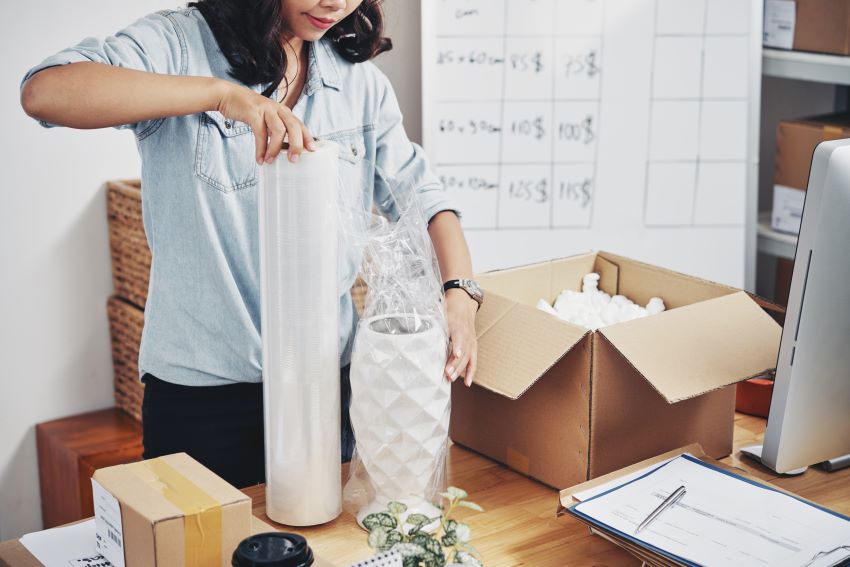
The purpose of product packaging is for the product to arrive in perfect condition to its recipient. The option of customizing it, which we already discussed in another article, helps the company expand its brand image, but for the product to arrive in perfect condition, another important aspect is necessary: the packaging filler.
The essentials
- Packaging filler is essential for products to arrive in perfect condition.
- Choice of filler depends on factors like product size, fragility, and presentation.
- Options range from bubble wrap and foam to sustainable corrugated cardboard and wood shavings.
With adequate packaging filler, you will protect the product and enhance the concept of packaging. In this regard, anything that is done is little to guarantee a good delivery to the customer.
Types of packaging filler
Packaging filler can be made of various materials. When choosing, aspects such as the amount of empty space left in the box, the fragility of the object, or the final presentation must be considered. In any case, we will delve deeper into what the best box filler is later. Now we show you some of the most used options.
Bubble wrap as box filler
This material is very common due to its economical nature, its versatility, and its ability to protect the product from dirt, moisture, and impacts. In addition, it is very flexible and resistant.
Foam protection
It is commonly used when the object to be packaged has a shiny or polished surface, as bubble wrap can leave marks.
Shiny Surfaces
For items with glossy or polished finishes, foam protection is often preferred over bubble wrap to avoid leaving marks.
Air protective sleeve
It is the most recommended option for small electronic objects such as tablets, computers, or mobile phones, but it has one impediment: you will need an air compressor to inflate the chambers.
Airmove coils are similar to protective sleeves, but they are individual elements, segmented, which makes them ideal for filling small gaps.
Thermal accumulators
The differential aspect of this packaging filler is that it is suitable for transporting refrigerated products, those that must be maintained at a temperature between 2 and 8 degrees Celsius.
Corrugated cardboard
If you are wondering how to make sustainable box filler, this should be your choice. It is renewable cardboard that provides a lot of resistance and rigidity. It is especially useful for products that require thermal insulation.
Corrugated cardboard is a renewable option for sustainable box filling, offering significant resistance and rigidity, particularly for items needing thermal insulation.
Wood shavings
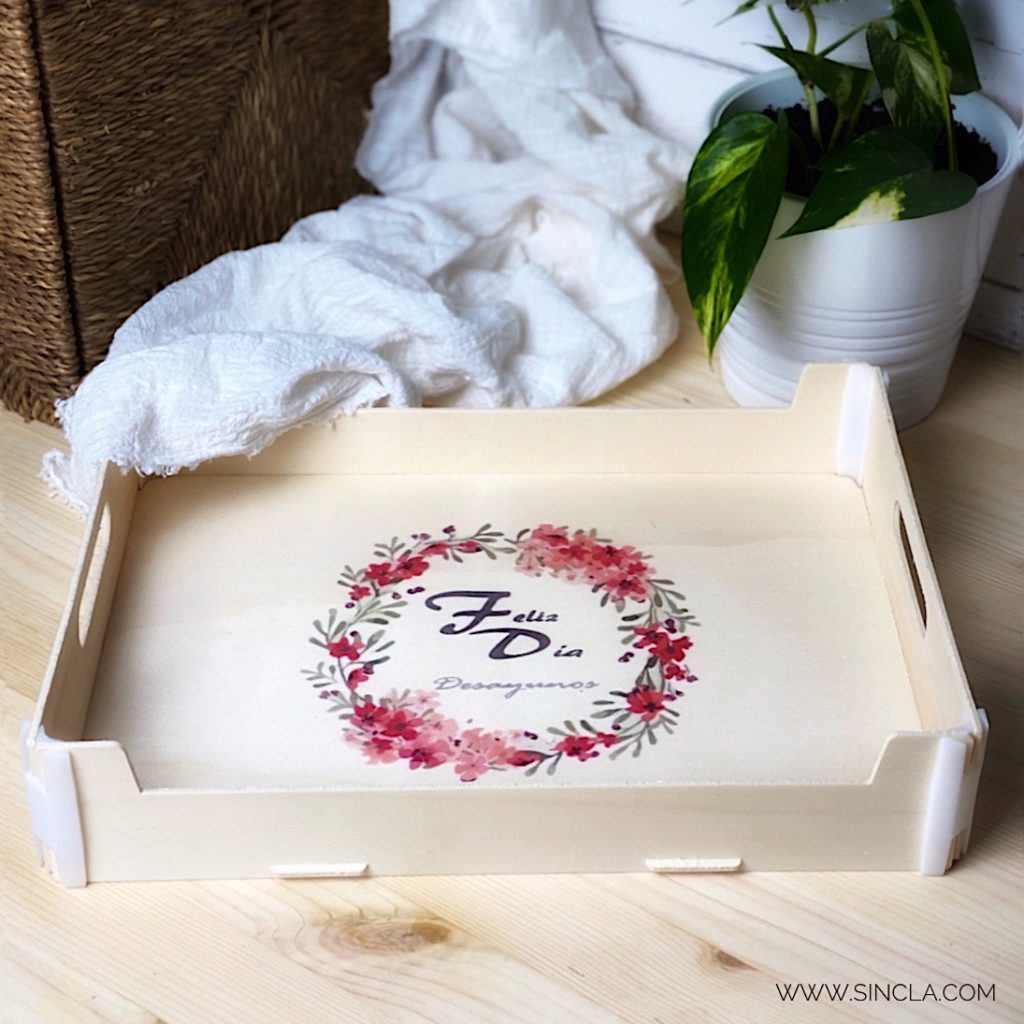
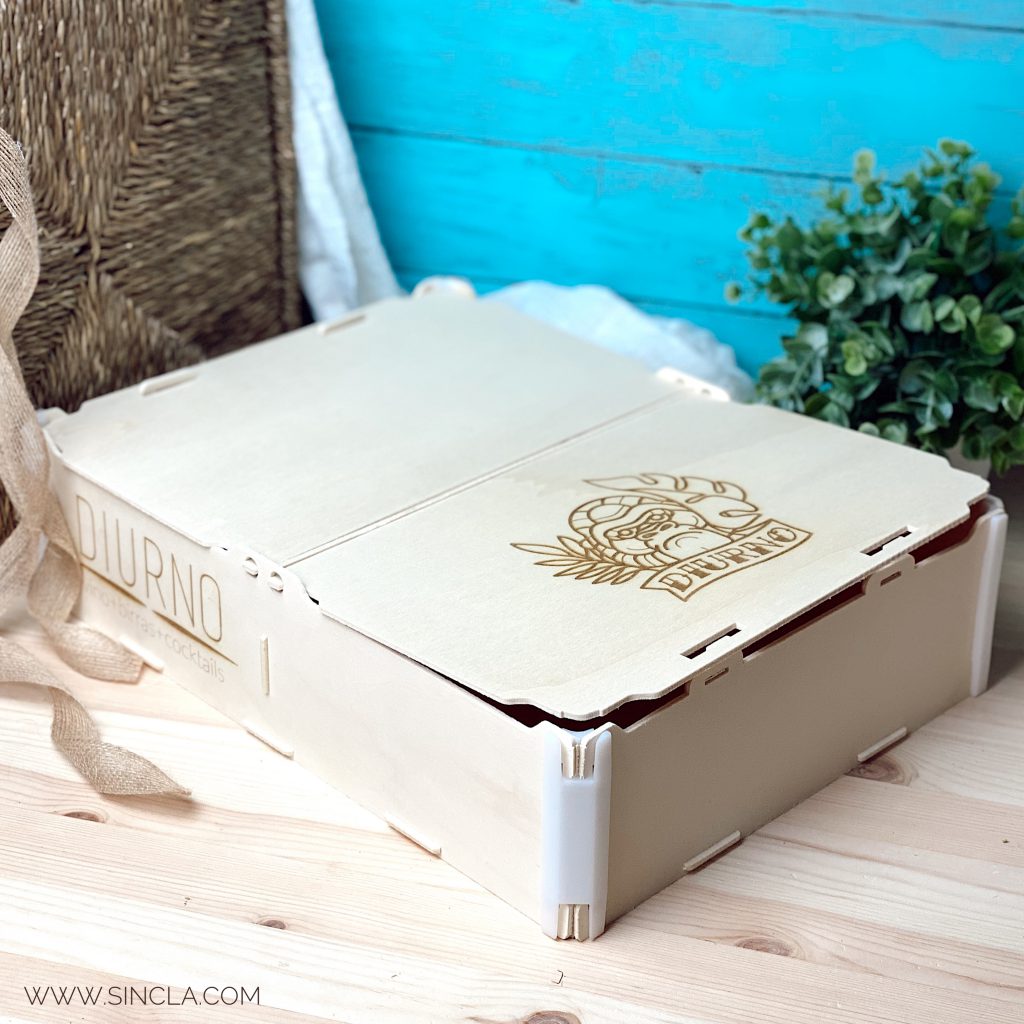
These are small shavings that serve as a protective element for fragile products, but that also add a very interesting decorative touch. When combined with personalized wooden boxes, their aesthetic effect is very pleasant.
Kraft paper
The advantage of kraft paper is that it achieves the same decorative effect as wood shavings and enhances the feeling that the box is full when the products to be delivered are small. In addition, it can also be used as wrapping paper.
Kraft paper provides both a decorative fill and can serve as wrapping paper, making small delivered products appear fuller.