Boxes for Christmas? Order as early as you can: the factory gets overloaded and lead times get longer.Last day to order up to 1,000 boxes: 25 October 2026.See all deadlines
Bottled wine transport: how should it be done to preserve it in good condition?
Shopify API
The transport of bottled wine requires extra care to ensure it reaches the final consumer with all guarantees.
One of the main challenges when organising the transport of bottled wine is the fragility of the product itself. Taking care of your product's image is essential in all phases of the production and commercialisation process, so it is indispensable that wine packaging is functional, practical, and as an added value, aesthetic.
The essentials
Bottled wine requires specific conditions for transport, including temperature, humidity, and light control.
Proper packaging is crucial to prevent breakage, as wine is sensitive to damage during transit.
Wooden boxes are recommended for protecting wine and enhancing brand image, offering excellent insulation and resistance.
To keep wine in good condition and ensure it arrives in perfect condition to the final consumer, we must take some advice into account.
Tips for transporting bottled wine
Online shopping is booming, and even more so in the wine sector. The online wine buyer prioritises service quality and transport efficiency, so it is essential to know how to pack wine bottles for travel.
Ideal Transport Conditions
Wine requires specific temperature, humidity, and light conditions to be maintained so that its organoleptic qualities are not compromised. The ideal transport temperature ranges between 10 and 15 °C, and exposure to direct sunlight should be completely avoided.
Furthermore, bottles are fragile and can easily break if not well packed or if they collide with each other. In fact, wine is classified within the list of goods sensitive to breakage during transport.
There are many types of packaging for bottles: palletised and non-palletised cardboard boxes, and packaging with polystyrene protection.
Cardboard boxes for wine bottles
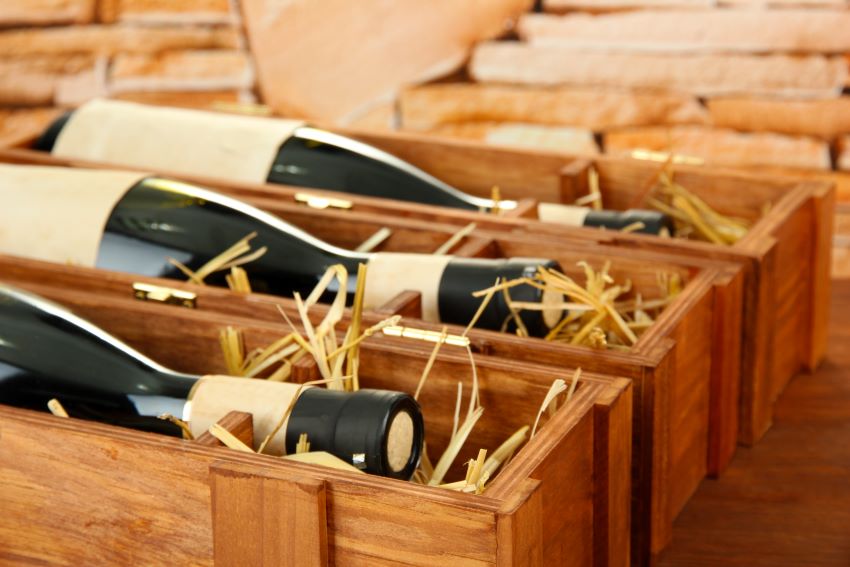
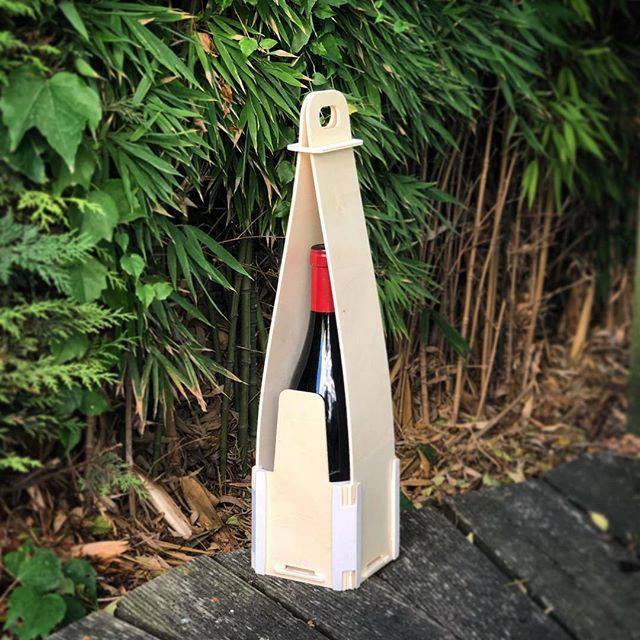
Cardboard boxes are one of the most used packaging types, but if you want to distinguish your product and create a brand image that denotes elegance and good taste, we recommend wooden packaging for bottles.
Customising your boxes with a logo or corporate seal can add a premium touch to your shipments, strengthening your brand's image of quality and good service.
Custom wooden boxes
Discover our wooden boxes for packaging, hospitality, events and more. In-house manufacturing and full customisation.
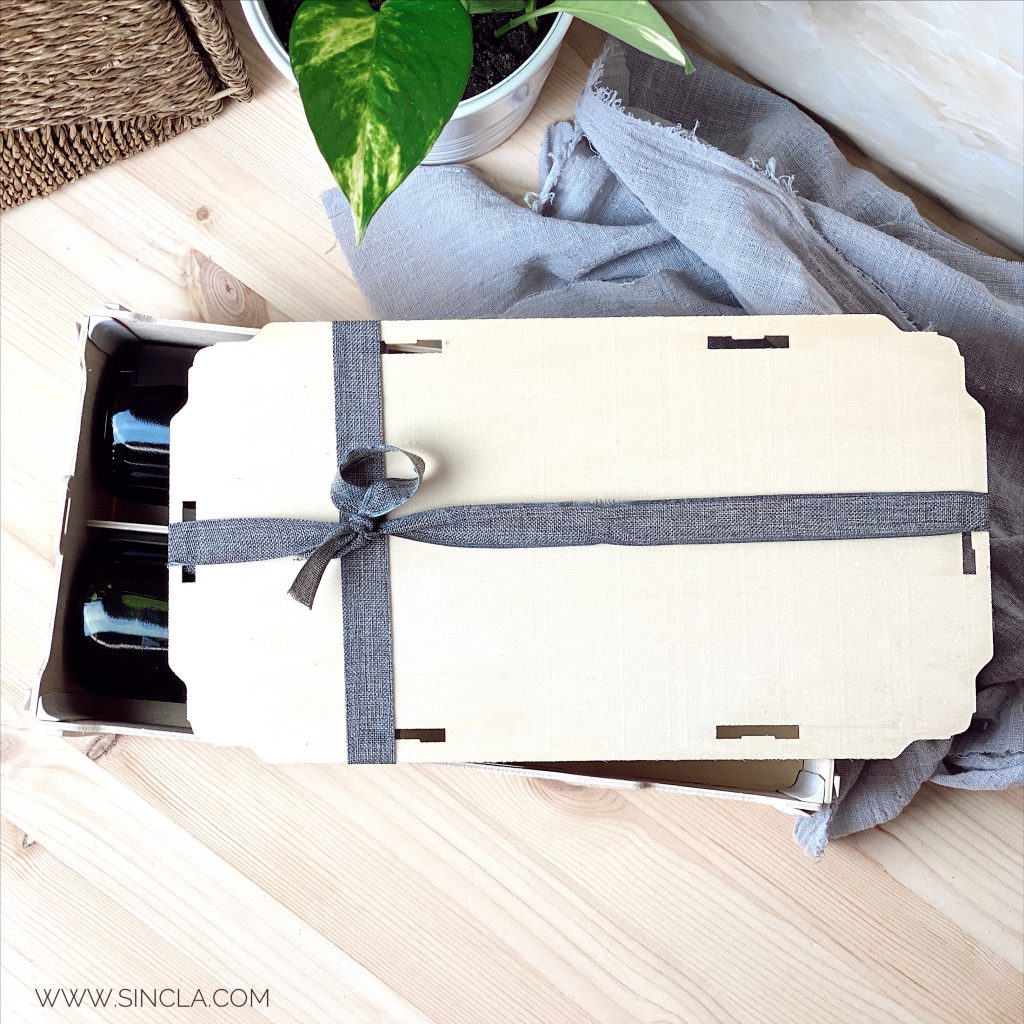
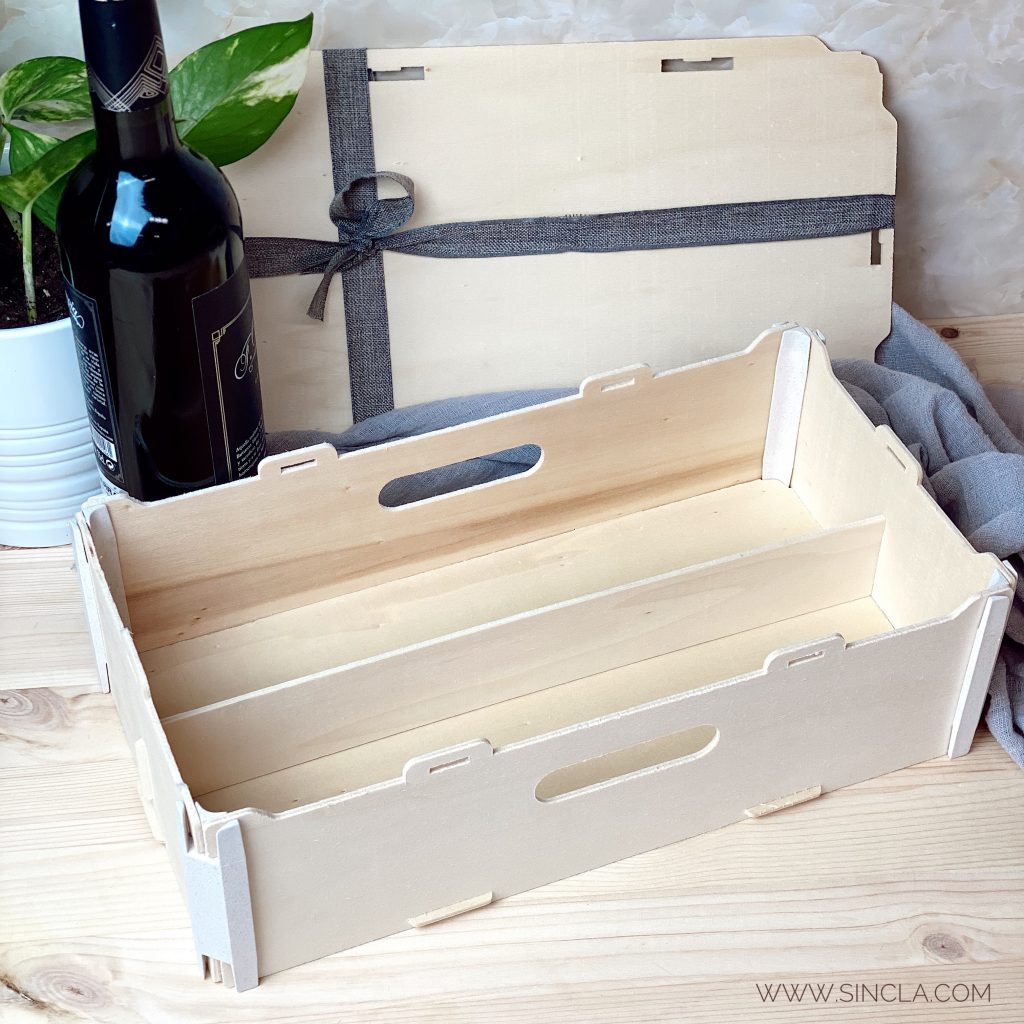
Choose wooden boxes specifically designed for wine transport, as they offer all guarantees in terms of protection against bumps or sudden movements. Furthermore, wood helps maintain the perfect environmental conditions for wine transport.
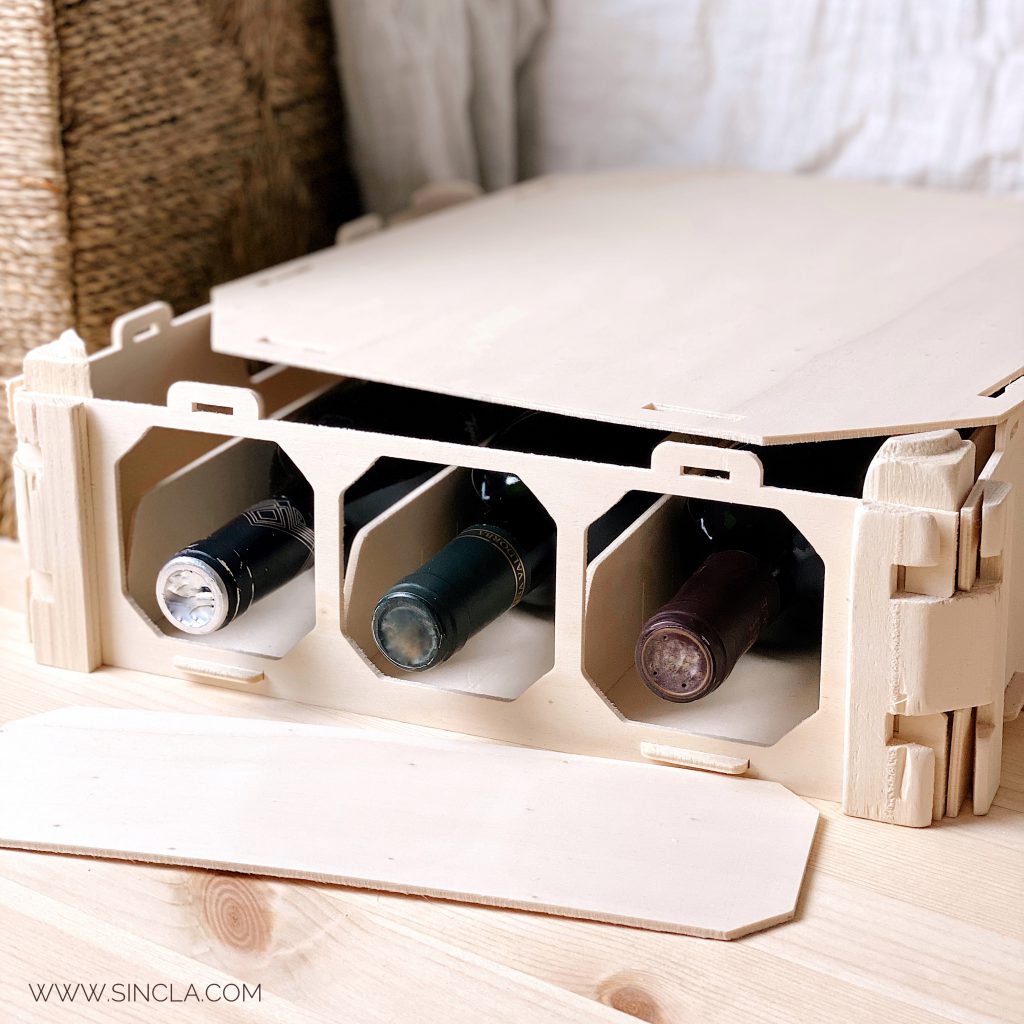
It is interesting to choose bottle boxes that allow transport both vertically and horizontally. This way you can ensure they arrive in perfect condition even when you cannot directly control some phases of shipping and transport.
Superior Protection Offers excellent resistance against bumps and sudden movements during transport.
Optimal Conditions Helps maintain ideal temperature and humidity for wine, preserving its organoleptic qualities.
Versatile Transport Available in designs that allow both vertical and horizontal bottle orientation.
Premium Aesthetics Elevates brand image, conveying elegance and good taste to the consumer.
Polystyrene packaging
Polystyrene packaging protects against impacts, but it is bulky, with the consequent economic cost, and it is not recyclable. Consumers increasingly demand that companies commit to the environment.
While polystyrene protects against impacts, it is bulky, incurs higher economic costs due to volume, and is not recyclable, which conflicts with growing consumer demand for eco-friendly practices.
Shipping wine bottles by parcel is an interesting option for small producers or online delicatessen stores or those offering home delivery services. It is important to store bottles in packaging that protects them from the sun, high temperatures, and direct light.
Good packaging helps your company to retain customers, strengthen brand image, and create a pleasant user experience for the consumer.
Transporting bottled wine requires extra care to ensure it reaches the final consumer with all guarantees. Good packaging helps your company to retain customers, strengthen brand image, and create a pleasant user experience for the consumer.
Did you like this post about bottled wine transport? You can subscribe to the newsletter by completing the form below. You will receive a weekly email with practical tips for smart packaging use. Also, if you are looking for environmentally friendly packaging, you can take a look at our different options on our website.