The rise of premium presentation in the coffee sector. The coffee market has evolved drastically in recent years. Today, in 2026, consumers are not only looking for an exotic origin, an artisanal roast, or a cup score above 85 points; they are looking for an expe
The Rise of Premium Presentation in the Coffee Sector
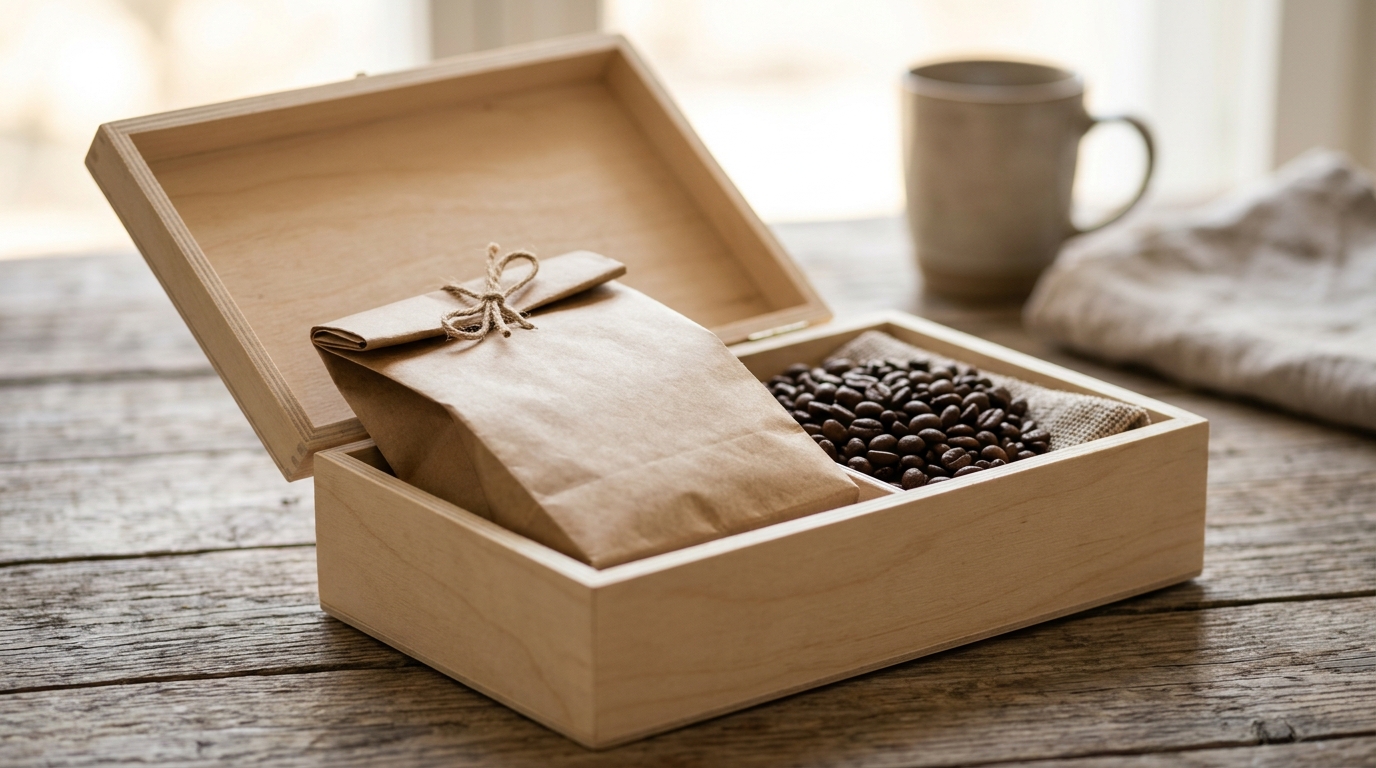
The coffee market has evolved drastically in recent years. Today, well into 2026, consumers are not only looking for an exotic origin, an artisanal roast, or a cup score above 85 points; they are seeking a complete sensory experience. When dealing with microlots or limited editions, primary packaging (the classic bag with a degassing valve) serves its technical function, but often falls short when presenting itself as a luxury item or a memorable gift. This is where wooden boxes for specialty coffee come into play, transforming an everyday consumer product into a high-value-added gift.
Key Takeaways
Wooden boxes elevate the perceived value of coffee, positioning it as an ideal luxury gift item.
It is essential to choose certified lightweight wood (FSC) that offers strength without driving up shipping costs.
The interior must be designed to accommodate valved bags without compressing them, often complemented by barista accessories.
The exterior presentation is the first touchpoint between the customer and the product. A sturdy, well-designed box sets expectations for the quality of the beans stored inside, justifying higher price points and opening the door to more sophisticated markets, such as gourmet hampers or high-end corporate gifts.
Why Choose Wooden Boxes for Specialty Coffee
In the packaging world, countless options exist, ranging from corrugated cardboard to metal tins. However, wood possesses a series of intrinsic attributes that connect directly with the philosophy of third- and fourth-wave coffee: craftsmanship, natural origin, and sustainability.
First, wood conveys a visual and tactile warmth that cardboard rarely matches. By encasing a bag of carefully selected beans in rigid packaging, the product is protected from impacts during transport while providing a perfect format for display on café shelves or in delicatessens.
Visual Synergy
Matching the wood tone to the coffee's profile is an excellent design strategy. Lighter woods (such as poplar or birch) convey lightness and pair well with light roasts and floral notes, while dark stains or toasted woods evoke more developed roasts or chocolate-forward profiles.
Furthermore, this type of packaging encourages reuse. A high-quality wooden box is rarely discarded after the coffee is consumed; consumers tend to keep it to store brewing gear, filters, or even as a decorative piece, extending brand visibility in the customer's home for years to come.
Ideal Materials for Coffee Packaging
The choice of material will determine both the final aesthetic and the logistical cost of wooden boxes for specialty coffee. Not all woods perform the same, nor are they all suited for high-volume shipping. At both industrial and craft levels, several generic options stand out for offering a balanced mix of weight, strength, and workability.
Poplar or Pine Plywood: One of the undisputed leaders in lightweight packaging. Its cross-laminated structure provides high mechanical strength, preventing the box from warping, while keeping weight minimal so as not to penalize shipping rates.
Solid Pine Wood: For ultra-premium editions. It provides greater thickness and a distinctly rustic, traditional presence, reminiscent of cigar boxes or vintage shipping crates. Its main drawbacks are heavier weight and higher cost.
Veneered MDF: Medium-density fiberboards surfaced with a thin layer of natural wood veneer. They are highly stable against humidity fluctuations (common in roasting facilities) and offer a very uniform, polished finish.
FSCCertified origin
100%Reusable
3 mmOptimal thickness
Ensuring that materials come from responsibly managed forests is essential, as specialty coffee buyers are typically deeply mindful of traceability and environmental care.
Customization Techniques for Roasting Brands
An unbranded box is a missed opportunity. Roasters use various branding techniques to print their identity, origin farm details, or tasting notes directly onto the packaging surface.
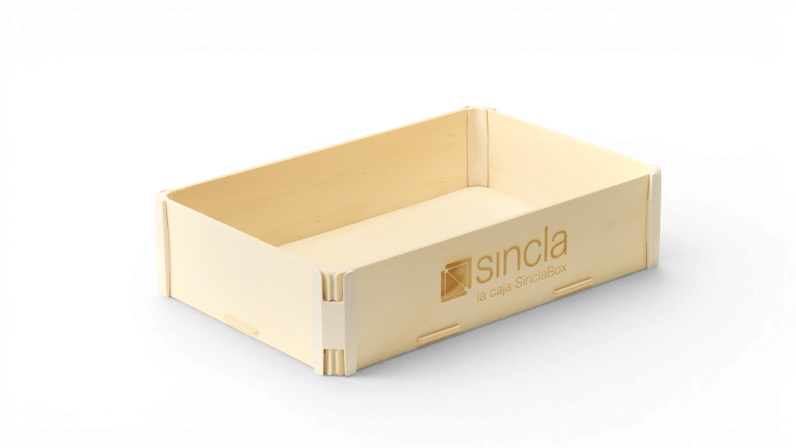
Laser engraving is undoubtedly the technique that best complements the coffee industry. The process of lightly burning the wood's surface produces a toasted finish that subconsciously mirrors the bean roasting process itself. Those seeking an in-depth look at how to implement this technique can consult this guide on boxes engraved with a company logo, detailing optimal resolutions and how laser beams interact with different wood grains.
Branding Technique
Visual Finish
Ideal For...
Laser Engraving
Debossed toasted look, monochrome.
Minimalist logos and rustic or vintage designs.
Screen Printing
Solid and vibrant colors, flat.
Modern brands using specific corporate Pantone colors.
Hot Stamping
Metallic (gold, silver, copper) relief.
Ultra-premium lines or anniversary editions.
Pad Printing
Color with high precision on fine details.
Long text blocks or detailed farm and process information.
Combining fire or laser branding with clean typography creates a visual contrast that stands out on any retail shelf, setting the brand apart from standard adhesive labels.
Custom wooden boxes
Discover our wooden boxes for packaging, hospitality, events and more. In-house manufacturing and full customisation.
Specialty coffee is not typically sold in standard one-kilogram commodity sizes; its formats usually range from 250 grams for quick consumption to 50 grams in tasting sets. Consequently, the outer packaging must adapt to these proportions.
Single-pack format (250g)
Upright flask-style box, tailored precisely to hold a single bag of select origins (e.g., Geisha or experimental varieties).
Tasting kits (multipack)
Wide, shallow boxes with internal dividers to showcase 3 or 4 small bags from different origins for tasting flights.
Barista Sets
High-volume boxes containing a bag of specialty coffee alongside accessories such as a V60 dripper, ceramic cup, or scale.
More comprehensive gift sets are particularly popular during holiday seasons or as corporate incentives. When the goal is to impress top executives or key partners, brands opt for large, polished wooden formats, often drawing inspiration from strategies for corporate gift ideas for VIP clients and packaging, where the presentation must project exclusivity from the first glance.
Technical Criteria for Interior Design
While the box's exterior catches the eye, the interior is responsible for keeping the product secure and well-presented. Unlike bottles or jars, coffee bags are flexible and bulky, and they feature a degassing valve that must not be obstructed.
Pay Attention to Degassing
Freshly roasted coffee releases carbon dioxide for several weeks. The wooden box must not be completely airtight nor apply excessive pressure to the primary bag's valve, as this could cause the bag to overinflate or rupture inside the box.
To seat bags securely inside, certified wood excelsior, crinkle kraft paper (such as honeycomb wrap), or custom die-cut cardboard inserts are commonly used. These inserts are especially sleek in gift boxes because they frame the coffee bag and prevent shifting during transit, ensuring that when the customer lifts the lid, the front of the packaging is always perfectly aligned.
Contemporary luxury packaging is not about flashy ostentation; it is about honest materials, natural textures, and flawless functionality that respects the product.
Steps to Introduce Wooden Boxes to a Coffee Line
For a roasting brand or gourmet retailer looking to elevate its product presentation, transitioning to rigid packaging requires careful planning. Choosing a standard size at random is rarely enough.
Define the exact primary container. Before ordering boxes, measure the filled and sealed bags, as bean volume and zipper seals add unexpected dimensions.
Choose the opening mechanism. Decide between sliding lids (ideal for stacking), hinged lids (classic chest style), or push-fit lids, depending on the desired unboxing experience.
Prepare artwork and finalize the branding method. Design the layout considering the grain of the chosen wood, avoiding overly tiny details if opting for laser engraving on textured timber.
Request prototypes. It is always crucial to verify real-world fit before scaling up production. To better understand this vital phase, it is helpful to know how to request packaging samples before buying to guarantee accurate tolerances.
Plan packaging assembly. Ensure that staff can easily insert the bags and close the boxes without requiring special tools or excessive handling time.
Rolling out these packaging solutions is often done incrementally, starting with holiday editions, Father's Day campaigns, or competition microlot releases, where product margins can comfortably absorb the investment in superior packaging.
The Sustainability Factor
Using solvent-free, water-based adhesives and natural finishes free of toxic varnishes ensures that the box maintains a genuinely eco-friendly life cycle, aligning with relevant European eco-design regulations.
The Psychological Impact on Flavor Perception
Multiple packaging design studies demonstrate that packaging alters consumer expectations regarding a product's taste. When a customer receives wooden boxes for specialty coffee, the brain anticipates more complex tasting notes, greater freshness, and artisanal handling of the beans. The weight of the box, the distinct sound of sliding a wooden lid open, and the natural scent of the wood prime the palate for an elevated tasting experience, proving that investing in packaging is ultimately an investment in brand building.
Frequently Asked Questions
Is wood safe for storing coffee?
Yes, provided the coffee remains inside its sealed, airtight primary bag. Wood serves as an excellent secondary packaging material because it shields the beans from impacts and direct light, though it should not come into direct contact with food without a specific food-safe treatment.
Can the smell of the packaging affect the coffee's profile?
If the coffee is properly packaged in heat-sealed, high-barrier bags, the natural aroma of the outer packaging will not penetrate or alter the tasting notes. However, boxes treated with strong-smelling chemical varnishes should always be avoided.
What wall thickness is recommended for gift boxes?
For individual 250g boxes, a plywood thickness of 3 to 5 millimeters is sufficient, offering both lightness and strength. For heavier kits containing ceramic mugs or hand grinders, thicknesses are typically scaled up to 8 mm or more to ensure structural integrity across the base.
Can these boxes be custom-made for unusually shaped bags?
Absolutely. Unlike standard tin cans, manufacturing in wood—especially using laser cutting or CNC routing—allows for custom-sized boxes even in relatively small production runs, adapting seamlessly to the height or width of any flexible pouch or glass jar.
Newsletter
Get our latest articles and news in your inbox.
Cookies
Cookies on sincla.com
We use our own and third-party cookies to improve your experience, analyze traffic and show relevant advertising. You can accept, reject or customize your preferences.