The Art of Gifting: The Importance of Wooden Gift Boxes
The presentation of a gourmet or artisanal product is just as important as the product itself. Wooden boxes have established themselves as the top choice for premium gifts, delivering an immediate perception of quality, exclusivity, and attention to detail. In 2026, the trend toward natural, sustainable materials in the gifting industry has driven up demand for this type of packaging, making these cases essential for conveying the true value of what they hold inside.
The Essentials
- Wooden boxes elevate the perceived value of any gourmet or artisanal gift.
- The choice of material and finish must align with the product's identity and contemporary sustainability values.
- Various types of wood and customization techniques make it possible to tailor the packaging to any budget and style.
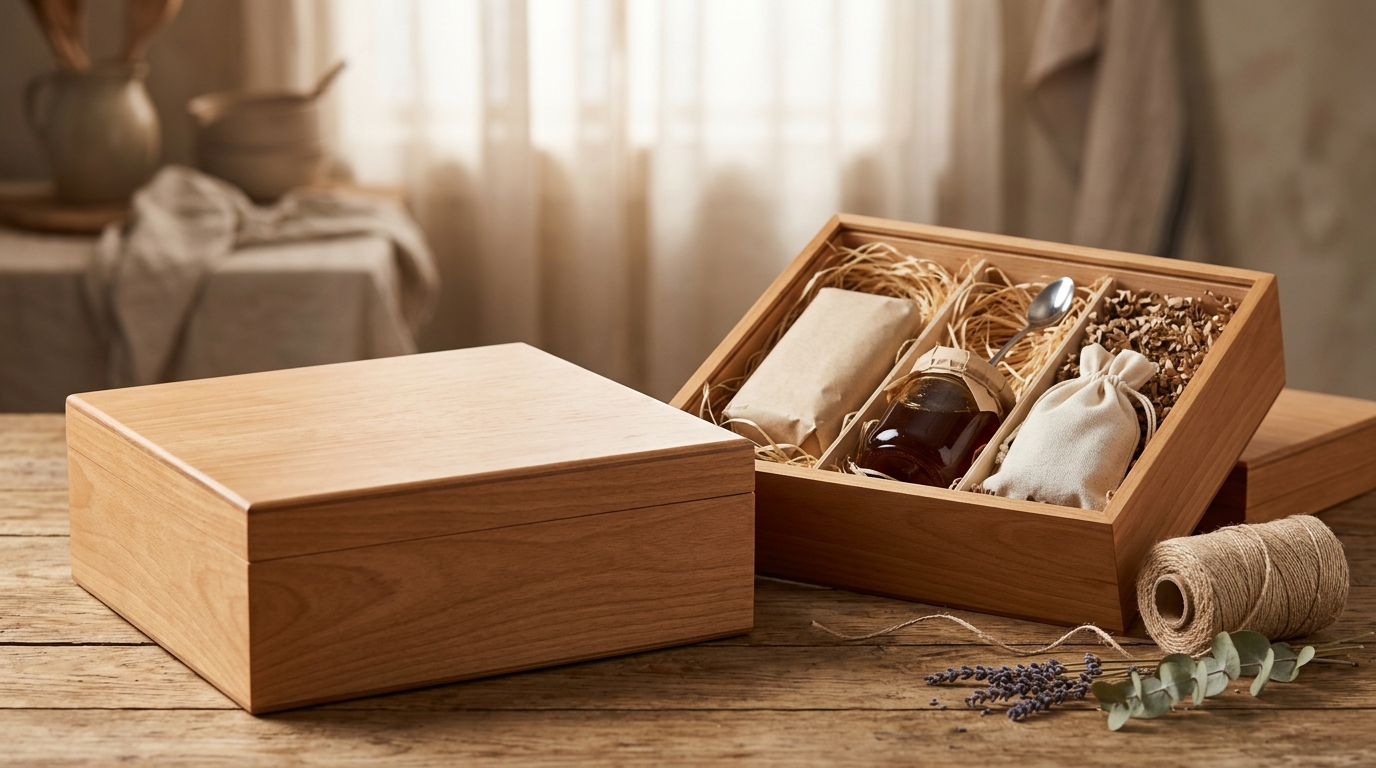
When consumers receive a gift, the first interaction is visual and tactile. Good packaging does not merely protect—it communicates. In the context of select items, from aged wines to curated cured meats, artisanal chocolates, or natural cosmetics, the packaging must match the promised experience. Choosing wisely among the many options available requires an understanding of materials, customization techniques, and the most suitable formats for every occasion.
Why Choose Wooden Boxes for Premium Gifts
Wood possesses intrinsic qualities that set it apart from other packaging materials. Its texture, aroma, and sturdiness convey authenticity. Unlike standard cardboard, a wooden box is rarely thrown away immediately; it tends to be kept, repurposed, and consequently keeps the memory of the gift and the giver alive.
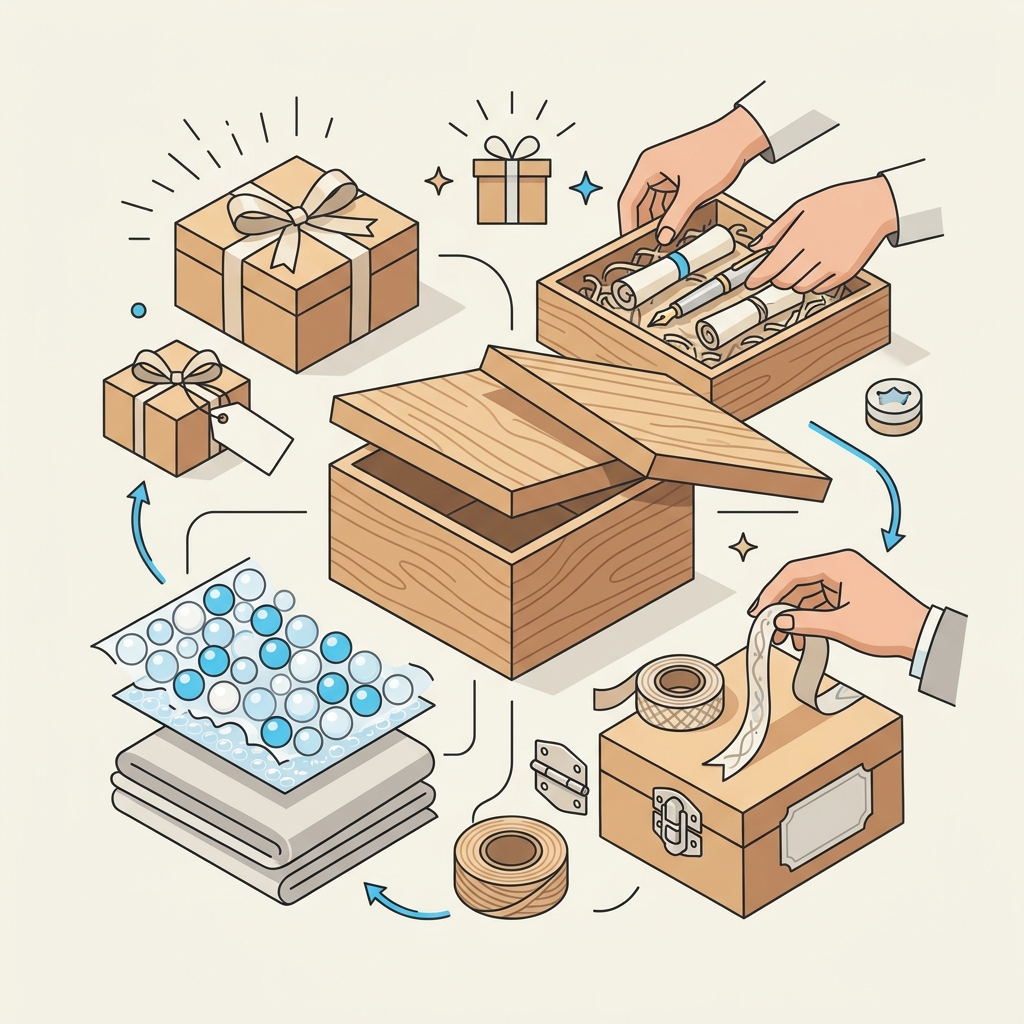
Perceived Value
Neuromarketing studies show that packaging weight and rigidity heighten expectations regarding product quality inside. Wood fulfills this principle with ease.
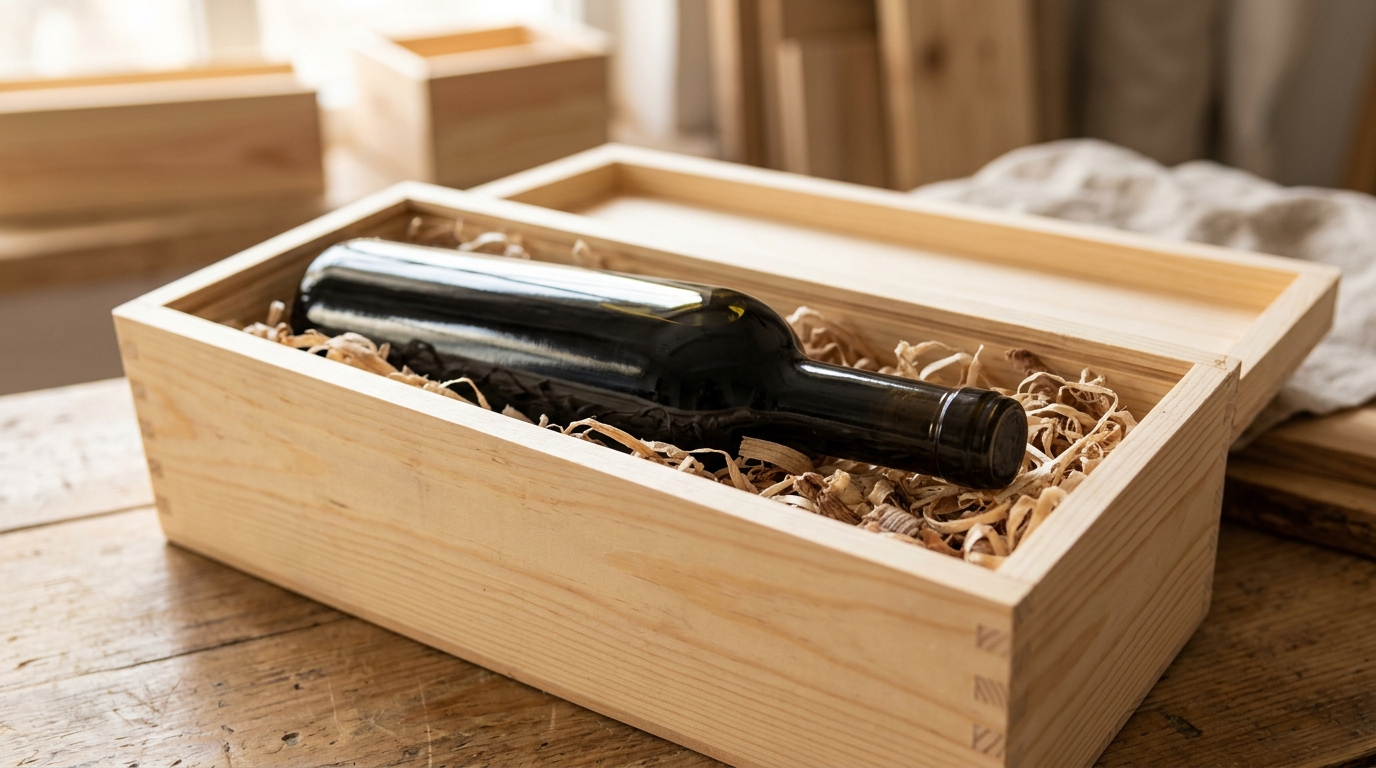
Furthermore, in a market increasingly mindful of environmental impact, opting for durable packaging makes a clear statement. For special occasions, such as anniversaries or corporate events, a wooden presentation suggests that the contents are valuable and deserve to be safeguarded with care—a crucial factor when preparing a bottle of wine as a gift.
- Superior ProtectionThe rigidity of wood shields fragile items like glass bottles or preserve jars during transport.
- ReusabilityRecipients often keep these boxes for home storage, extending the packaging's useful life.
- Timeless AestheticWood complements traditional rustic styles just as seamlessly as it fits modern minimalist designs.
- DistinctivenessOn retail shelves or presentation displays, a wooden box stands out visually against standard packaging.
Types of Wood and Engineered Materials
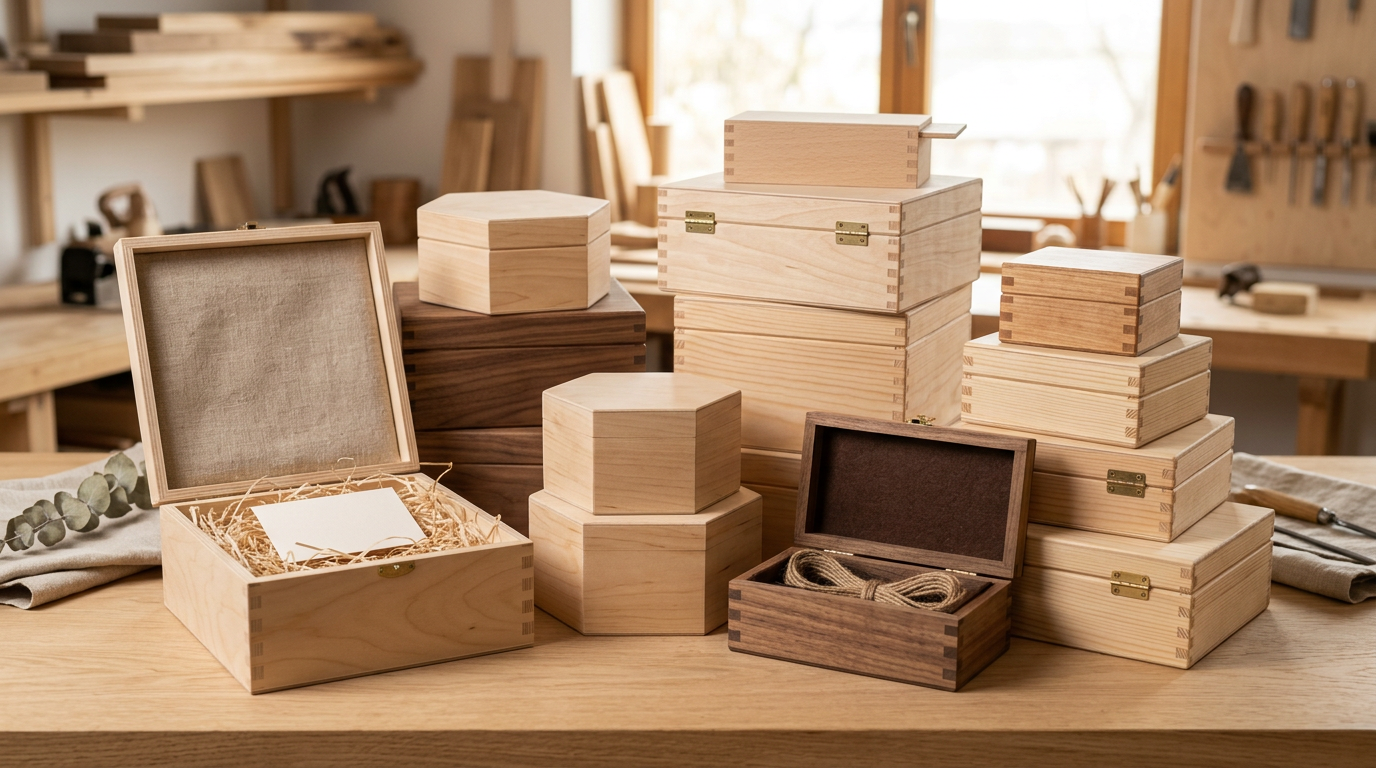
Not all boxes are constructed in the same way or from the same type of wood. The right choice depends on budget, product weight, and the desired aesthetic finish. Understanding the differences is key to making the right choice.
Solid Wood
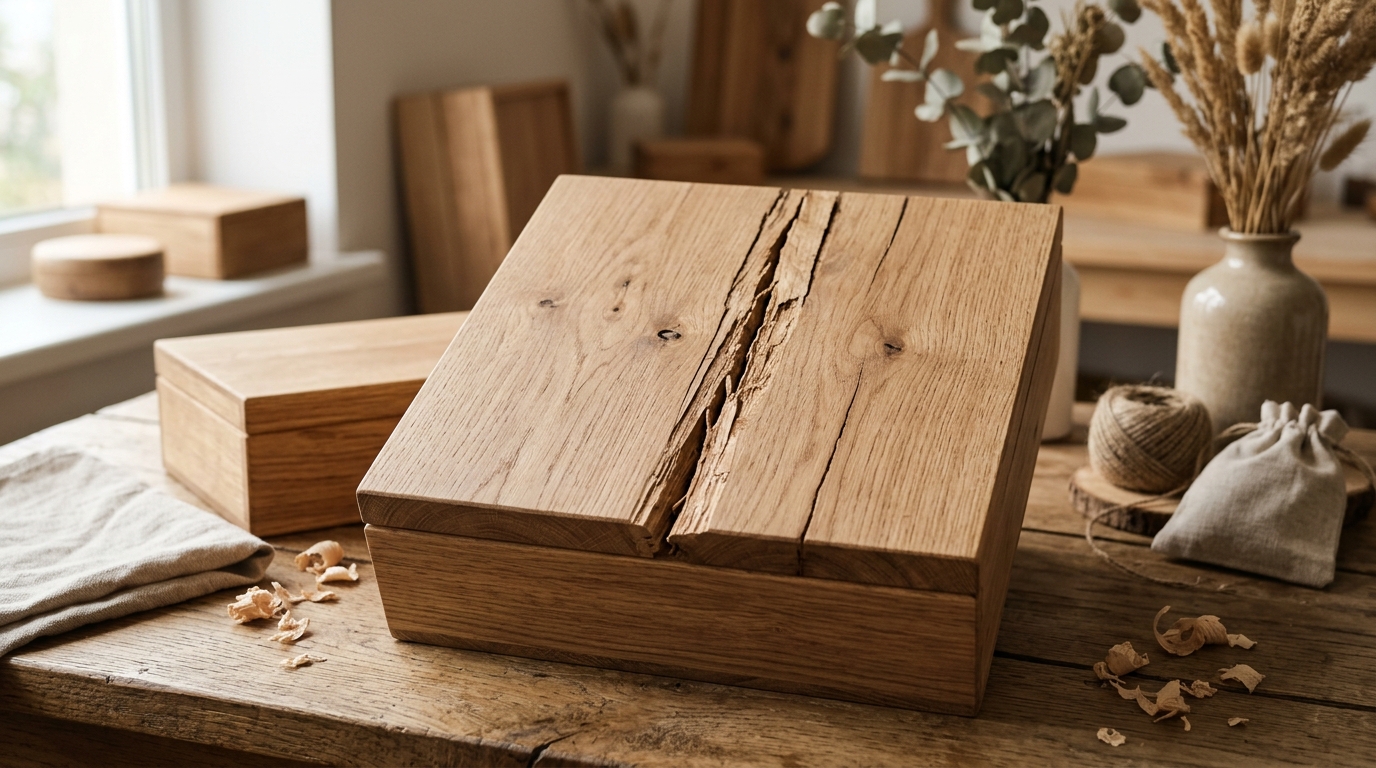
This is the most traditional and premium option. Pine, oak, or walnut are commonly used. It delivers unmatched strength and an unmistakably upscale look. Its natural grain ensures every box is one of a kind. However, its weight and cost can limit its use to ultra-high-end gifts.
Plywood
Plywood is manufactured by layering thin wood veneers with alternating grain directions. It is lighter than solid wood while retaining remarkable structural strength. Visually, it preserves the appearance of natural wood, offering a balanced alternative for packaging that demands durability without excessive costs.
MDF (Medium-Density Fiberboard)
Produced from wood fibers compressed with resins, MDF offers a perfectly smooth, uniform surface without grain or knots. It is ideal when you want to paint the box in solid colors or apply complex printing methods, although it lacks the rustic charm of natural timber.
| Material | Key Advantages | Drawbacks | Recommended Use |
|---|---|---|---|
| Solid Wood | Maximum quality, unique natural aesthetic, highly durable. | Higher cost, heavier weight. | Collector wines, fine jewelry. |
| Plywood | Lightweight, strong, natural look, great value. | Visible layer edges if not trimmed or edged. | Gourmet baskets, premium cosmetics. |
| MDF | Smooth surface, cost-effective, easy to paint and machine. | No natural grain, lower moisture resistance. | Board games, painted corporate gifts. |
The Hybrid Approach
Many manufacturers combine materials: solid wood or plywood framing for the walls, paired with MDF or reinforced board bases and lids to trim weight and costs without overly compromising aesthetics.
Functional Design: Openings and Formats
The box format shapes the entire unboxing experience. A thoughtful design does more than display the product attractively—it simplifies removal and keeps the contents secure.
Common opening mechanisms include:
- Sliding Lid: A classic choice for wine boxes. The lid slides through grooves milled into the side panels. It is secure, requires no hardware (hinges or clasps), and provides an expansive surface for personalization.
- Hinged Lid: Creates a "treasure chest" feel. It allows the box to stay open for display while showing off its contents. It requires metal hardware, which can lend a vintage or contemporary touch depending on the finish.
- Drop-in / Inset Lid: The lid rests cleanly within an inner recess of the box. This provides a sleek, minimalist look frequently used for cosmetics or confections.
- Book-Style / Clamshell Boxes: These open down the middle, often held together with a ribbon or magnetic closure. Highly refined, they work exceptionally well for arranging multiple flat or slim items.
When selecting a format, consider how the gift will be presented. For special occasions like celebrations, wooden boxes for weddings in a chest style remain a favorite choice because of their striking visual presence on tables.
Customization: The Ultimate Mark of Exclusivity
A standard wooden box serves its protective purpose, but customization transforms it into a true communication vehicle. Tailoring the design to brand identity or the gift's purpose is a critical step in any custom packaging strategy.
Branding and Marking Techniques for Wood
The porosity and grain of wood accommodate various printing and engraving techniques, each yielding a distinct aesthetic:
- Laser Engraving: Lightly burns the surface of the wood, leaving a dark, debossed mark. It is permanent, sharp, and imparts a handcrafted, premium feel.
- Screen Printing: Applies solid inks directly onto the wood. It is ideal for one- or two-color logos and very cost-effective for large production runs.
- Pad Printing: Best suited for rendering fine details or printing across curved or irregular areas of the box.
- Hot Stamping / Branding: Uses a heated die, frequently transferring a metallic foil (gold, silver). The result is exceptionally refined and widely embraced in the spirits industry.
Mind the Contrast
Laser engraving on very dark woods (such as walnut) may lack sufficient contrast. In these cases, screen printing with light inks usually delivers far better readability.