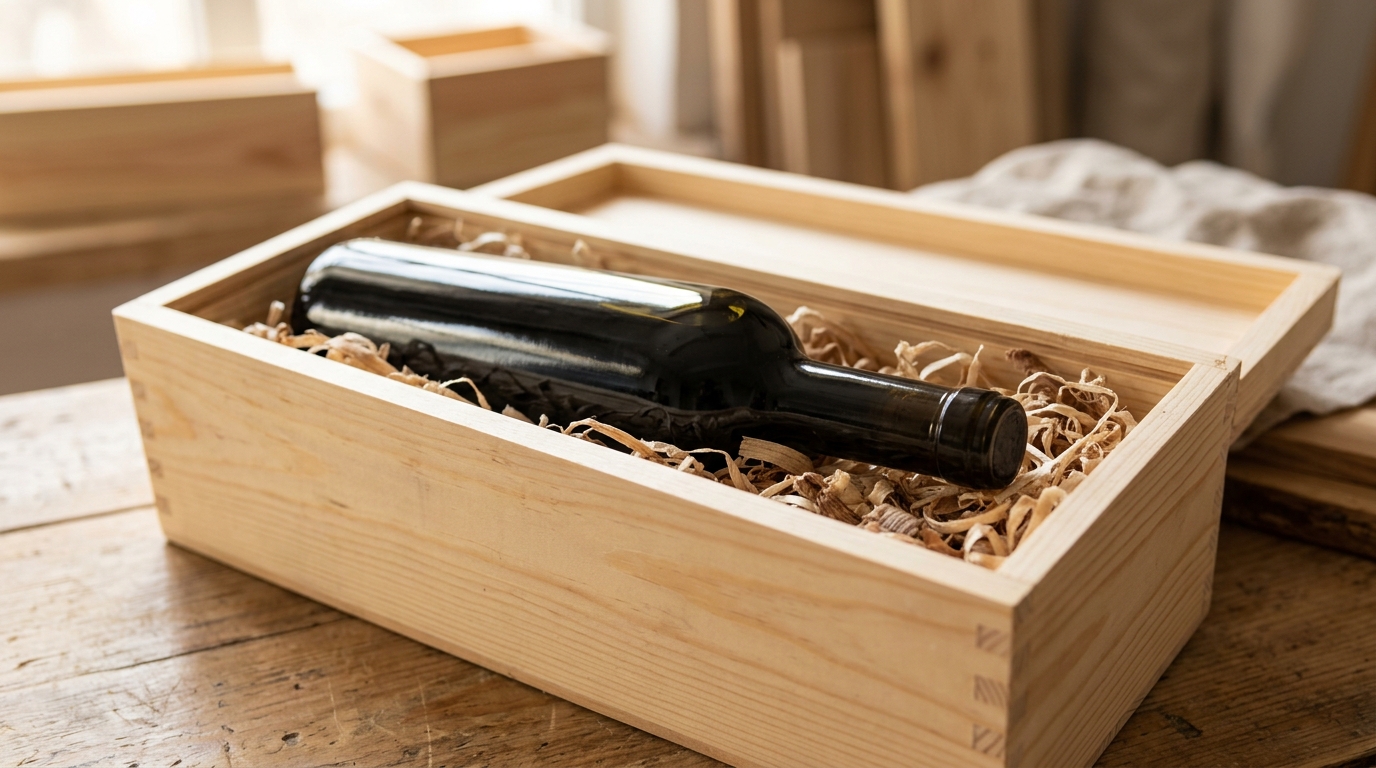
The Essentials
- The right packaging transforms any bottle into a premium, memorable gift experience.
- Wood (whether plywood, MDF, or pine) offers the best balance between physical protection and visual aesthetics.
- Customizing the box adds immeasurable emotional value, making it ideal for corporate events and personal celebrations.
- The use of sustainable, certified materials is a key requirement in the 2026 packaging market.
Why Packaging Is Vital for a Wine Bottle Gift
The psychology of gift-giving shows that anticipation plays a crucial role in the recipient's satisfaction. When presenting a wine bottle as a gift, the packaging communicates just as much as—if not more than—the contents. A well-designed case made from fine materials conveys care, attention to detail, and respect for the recipient. In the corporate world, this level of detail can solidify business relationships, while on a personal level, it demonstrates genuine thoughtfulness.
Beyond aesthetics, packaging serves an essential protective purpose. Glass is fragile, and wine is sensitive to sudden changes in light and temperature. A quality box insulates the bottle, cushions against potential impacts during transit, and protects the liquid from direct light, preserving its organoleptic qualities until the moment it is uncorked.
The Value of Reusability
Unlike single-use wrapping paper or cardboard bags, a wooden box is usually kept. The recipient often repurposes it to store keepsakes, decorate spaces, or hold other bottles, extending the life of the gift and keeping the memory alive.
Materials for Wine Boxes: Options and Characteristics
The choice of material defines not only the final look of the gift, but also its durability and customization options. While rigid cardboard boxes and metal tins exist, wood remains the undisputed front-runner when looking for a premium, traditional finish.
| Material | Main Characteristics | Ideal For... |
|---|---|---|
| Plywood | Lightweight, highly durable, and featuring a natural grain aesthetic. Does not warp easily with moisture. | Premium gifts, courier shipping, and laser engraving. |
| MDF (Medium-Density Fiberboard) | Completely smooth surface without grain or knots. Highly cost-effective and uniform. | Color screen printing, high-volume production, and modern designs. |
| Solid Pine | Rustic, traditional, and robust appearance. Thicker and heavier. | Cellared wines, high-value gifts, and classic styling. |
| Rigid Kraft Cardboard | Affordable, eco-friendly, and very lightweight. Offers less structural protection. | Large-scale events, tight budgets, and minimalist aesthetics. |
For those looking to balance elegance and practicality, custom wooden boxes made from plywood typically deliver the best results, as they allow for precise machining, clean assembly, and an excellent surface for various printing and branding techniques.
Customization: The Secret to an Unforgettable Gift
The true leap in quality when presenting a bottle of wine comes from personalizing the packaging. Engraving a date, a logo, a thank-you message, or the recipient's name turns a mass-produced item into a unique piece of craftsmanship.
-
Laser Engraving Provides an elegant, permanent finish with a natural burned effect. Ideal for plywood and solid wood.
-
Screen Printing Allows for vibrant, flat colors on the surface. Excellent for corporate logos and modern designs on MDF.
-
Hot Stamping Applies heat and pressure, often with metallic foils (gold, silver). Delivers the ultimate touch of luxury and sophistication.
-
Pad Printing Useful for printing small details or logos on curved or irregular surfaces, though less common on flat wooden boxes.
The choice of technique will depend on the desired design, the selected material, and the production volume. For individual gifts or small runs, laser engraving is the most versatile and popular option.
Key Occasions for Gifting Wine with Premium Presentation
There are specific moments where wine bottle packaging takes on special importance. In the corporate world, year-end gift baskets and presents are the perfect example. Integrating wine into Christmas gift boxes: premium design and packaging ensures that a company's brand stands out from the competition and leaves a lasting, positive impression on clients and employees.
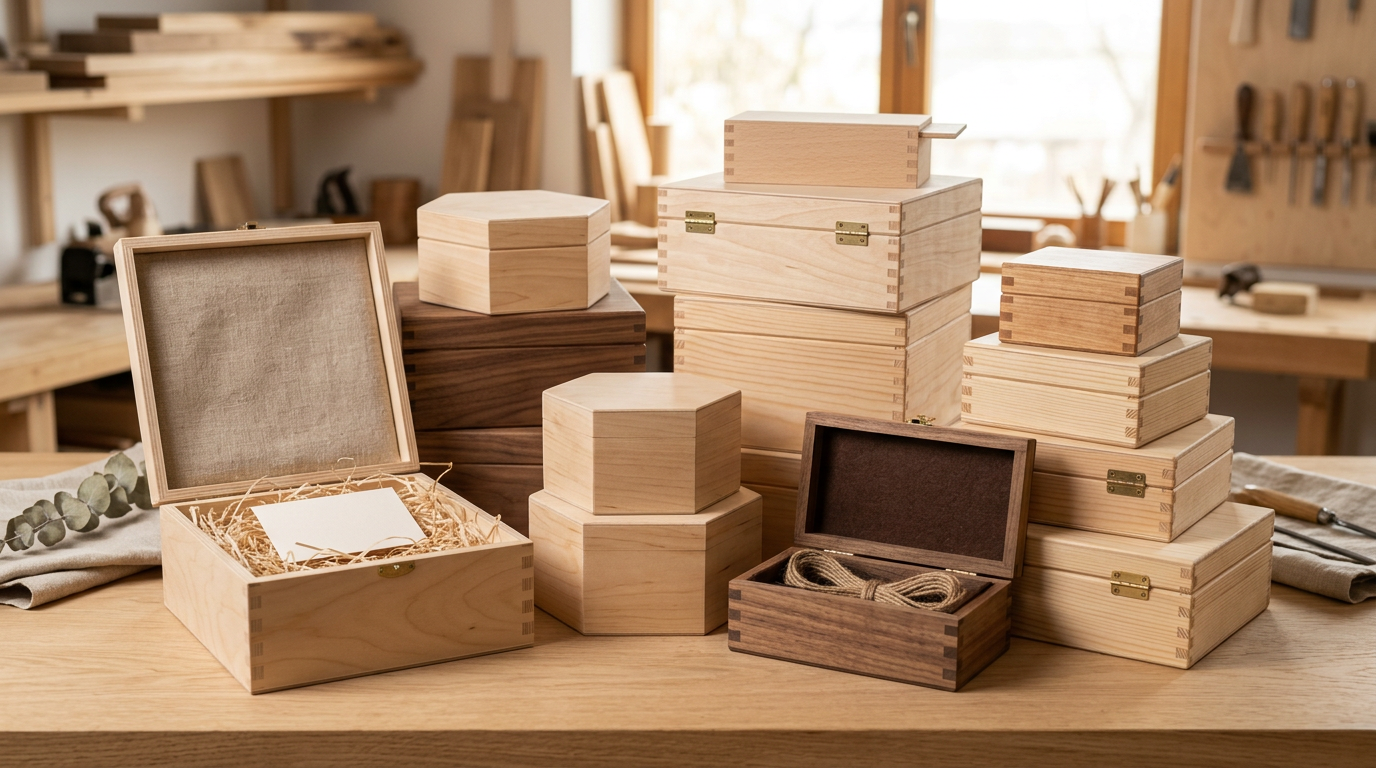
In personal settings, weddings are another ideal scenario. Presenting wine to best men, bridesmaids, witnesses, or even as favors for guests requires an immaculate presentation. Boxes with sliding lids or concealed hinges are perfect for these occasions, lending a rustic yet sophisticated touch that aligns seamlessly with current wedding trends.
Packaging design does not just protect the bottle; it tells the story of the gift before the wine is even uncorked.
How to Prepare the Perfect Gift: Step-by-Step
Preparing the box requires attention to detail to ensure the bottle travels safely and that the unboxing experience is visually stunning. Here is the proper process:
- Select the right box. Make sure to measure the bottle. Burgundy-style bottles (wider at the base) or sparkling wine bottles will not fit into standard cases designed for Bordeaux bottles.
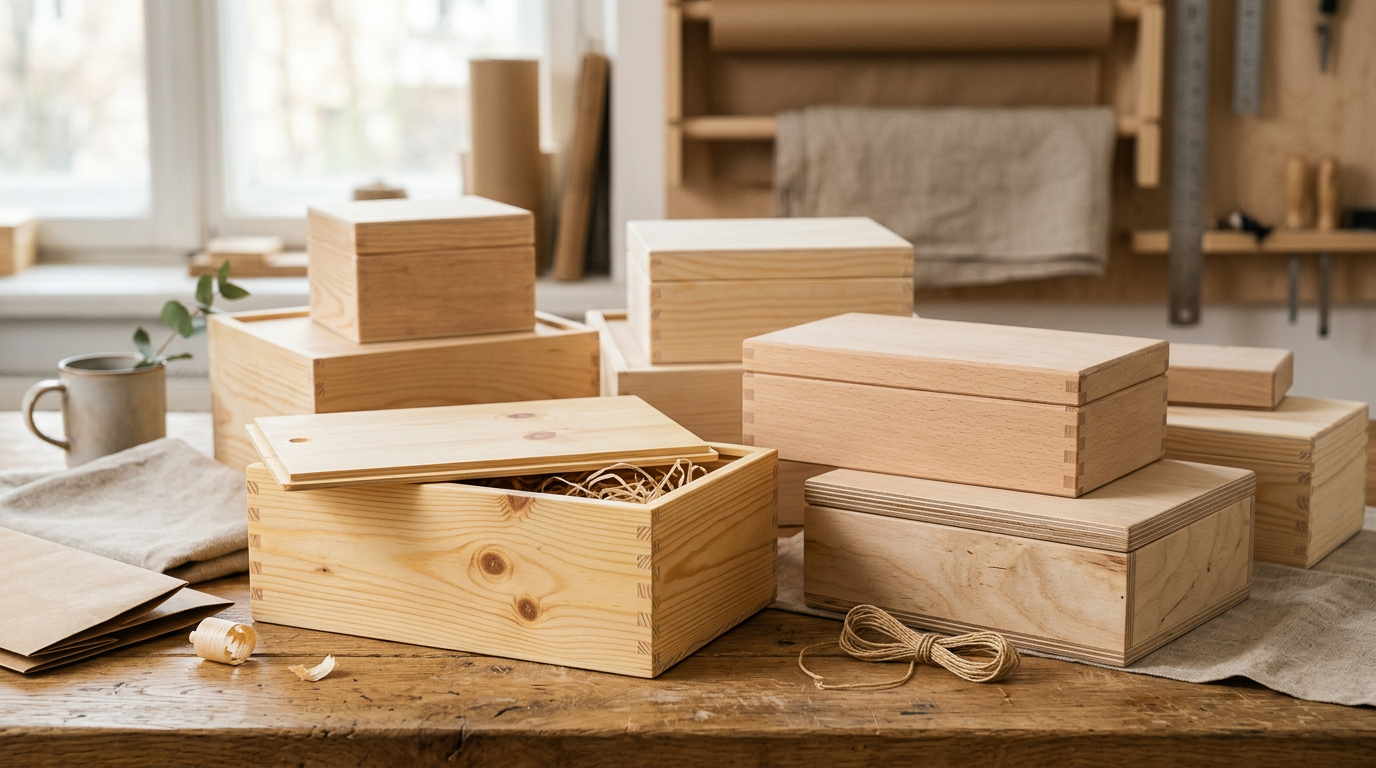
- Prepare the bedding. Place a generous layer of natural wood excelsior or shredded kraft paper at the bottom of the box. This not only enhances the rustic aesthetic, but also absorbs shocks.
- Place and secure the bottle. Insert the wine bottle, making sure the main label faces upward (if the box opens from the front or top). Add more padding in the side gaps and around the neck to keep the bottle from shifting inside.
- Add complementary items. This is the time to include a quality corkscrew, a foil cutter, or a handwritten greeting card alongside the bottle.
- Close and finalize presentation. Slide the lid shut or secure the metal clasps. For an extra touch of elegance, wrap the box with a thick fabric ribbon or a jute twine bow, depending on the box's style.
Watch Out for Odors
Avoid using strong adhesives, fresh varnishes, or chemically treated wood shavings when preparing the box. Harsh odors can penetrate through the cork if the bottle is stored in the box for extended periods, spoiling the taste of the wine.
Sustainability and Packaging Trends for 2026
Well into 2026, consumer eco-consciousness has drastically reshaped packaging standards. Gifting a bottle in plastic packaging or non-recyclable materials is increasingly frowned upon. Global trends demand that packaging serve as an extension of environmental values.
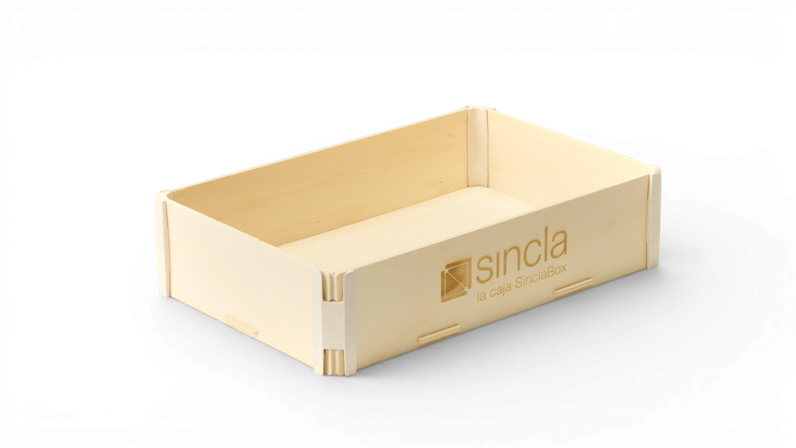
European regulations and market preferences favor responsibly sourced materials. Wooden boxes assembled without nails or toxic glues—using interlocking tabs or friction-fit joints—are the current gold standard. This ensures that, if not reused, they can be easily disassembled and recycled.
Forest certification guarantees that the wood used for the box originates from sustainably managed forests, ensuring reforestation and ecosystem preservation. Incorporating a certification seal into the box design adds clear value that modern recipients recognize and appreciate.
Tips for Choosing the Right Wine Box Supplier
If you are in charge of organizing corporate gifts or sourcing favors for a large event, selecting the right boxes requires careful planning. It is essential to look for manufacturers that offer flexibility in quantities, as some suppliers set minimum order quantities that are far too high. Additionally, the ability to request a sample before placing a bulk order is crucial for verifying machining quality, lid fit, and the sharpness of your logo engraving.
Special Formats
Do not limit yourself to single-bottle boxes. There are boxes designed to hold 2, 3, 4, or even 6 bottles, as well as combo designs that pair space for a bottle with compartments for gourmet products like cheeses, cured meats, or glassware.
Frequently Asked Questions
What dimensions are needed for a standard wine bottle box?
A standard Bordeaux-format wine bottle (the most common) requires an interior space of approximately 8x8 cm at the base and 33 cm in height. However, it is essential to leave a few extra millimeters of clearance to accommodate padding material (wood excelsior) and make removing the bottle effortless.
Is a sliding lid or a hinged lid better?
Both are great options, but it depends on the style you want. A sliding lid offers a cleaner, more minimalist, and modern look while minimizing the use of metal hardware. Boxes with hinges and clasp closures offer a more classic, traditional feel, reminiscent of a vintage chest or trunk.
Can I ship the wooden box directly via courier?
Yes, plywood and pine are sufficiently sturdy. However, the wooden box itself serves as the gift presentation, so it should always be placed inside a corrugated cardboard shipping carton for transit. This prevents the wood from sustaining scratches or stains, and keeps carrier shipping labels off the presentation box.
Will the wood deteriorate if the wine is stored in a cellar?
Wine cellars typically have high humidity levels (between 70% and 80%) to protect corks. Plywood and pine hold up well under these conditions as long as there is no direct water condensation. In fact, quality wooden boxes act as an added insulator, shielding the wine from light and buffering against temperature fluctuations.
How much does a personalized wooden box add to the cost of the gift?
The cost varies based on material, branding method, and order volume. Generally, unit prices decrease as order quantities increase. As a broad benchmark, custom packaging typically represents between 10% and 25% of the total gift value—a highly worthwhile investment given the significant boost in presentation and perceived value.