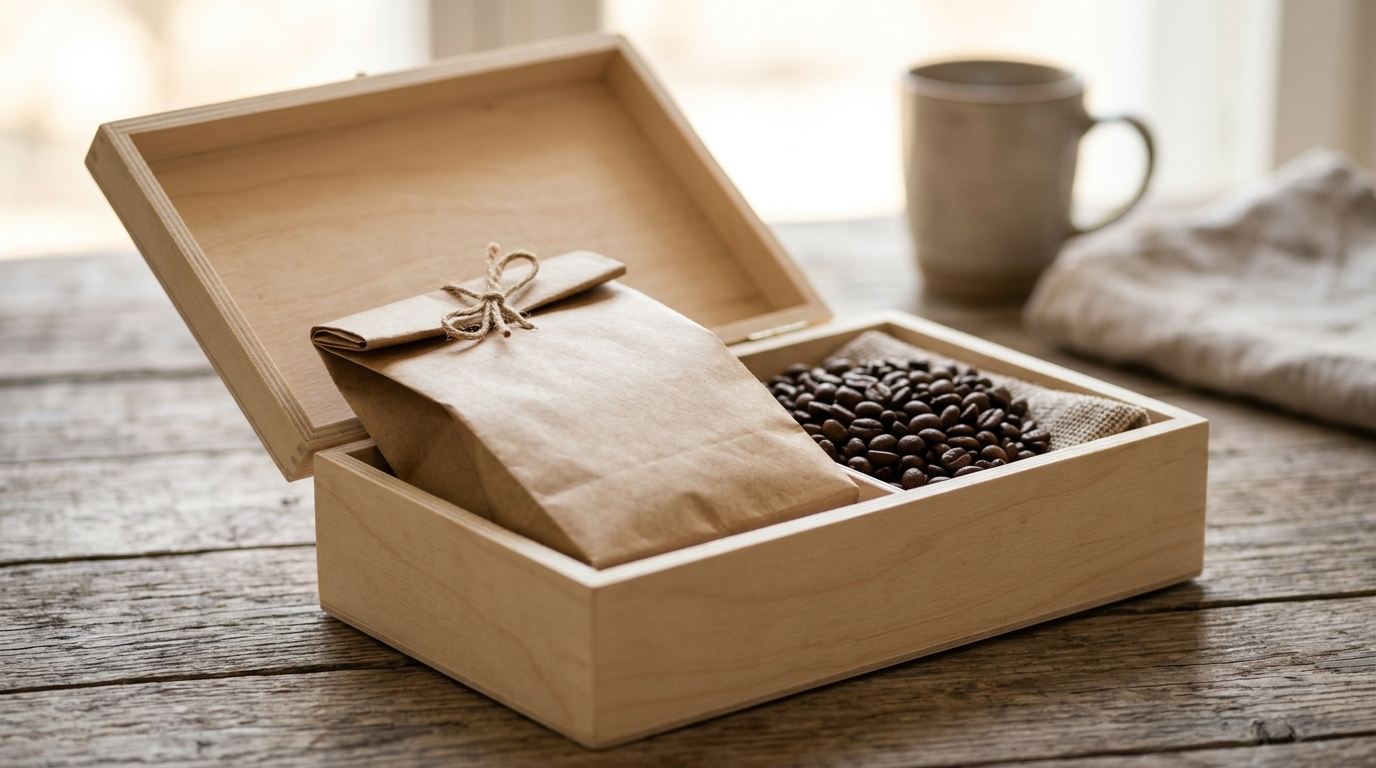
Wooden Boxes with Colored Corner Protectors and Custom Design
Sincla
Design and visual identity: the impact of wooden boxes with colored corner protectors. Packaging is the first physical touchpoint between a product and the consumer, serving as a tangible extension of corporate identity. In recent years, the use of box
Design and Visual Identity: The Impact of Wooden Boxes with Colored Corner Protectors
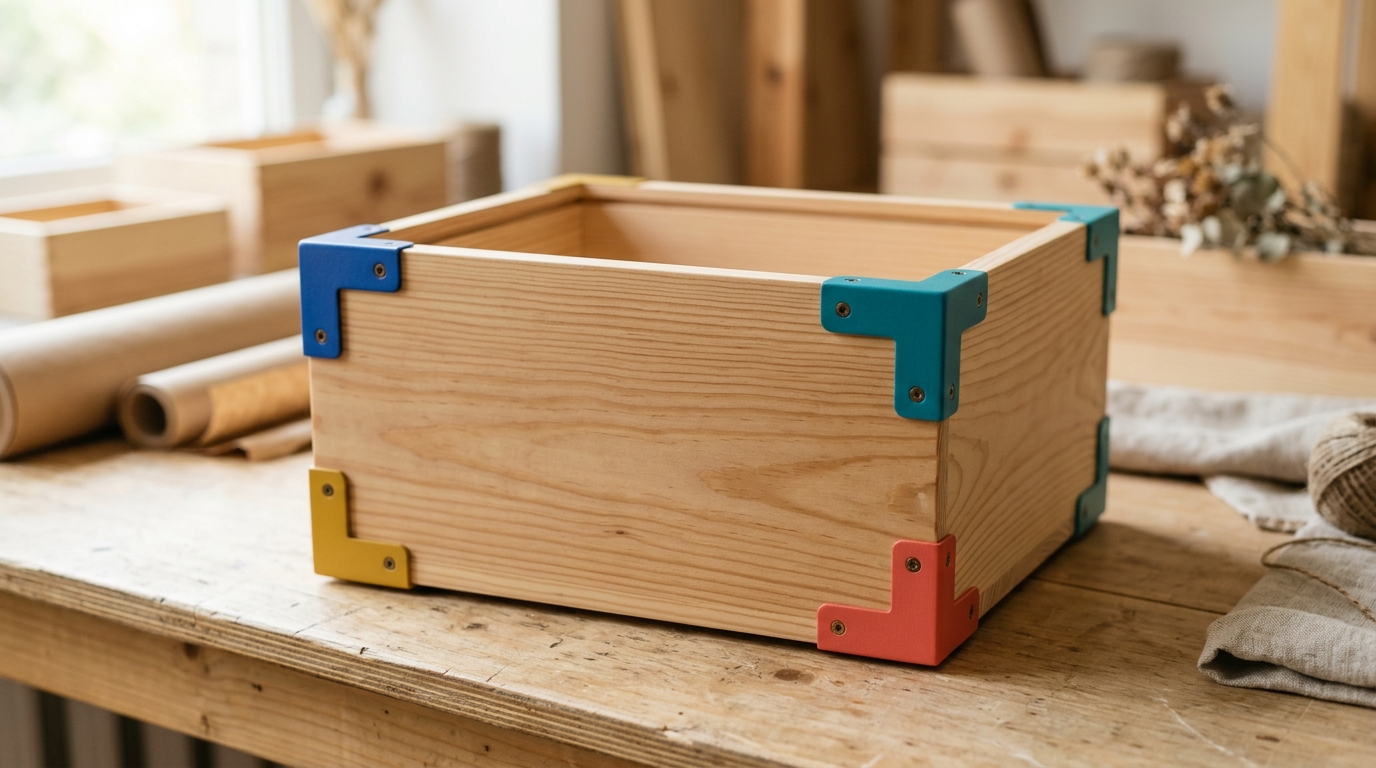
Packaging is the first physical touchpoint between a product and the consumer, serving as a tangible extension of corporate identity. In recent years, the use of wooden boxes with colored corner protectors has established itself as one of the most effective product design strategies for differentiating brands in premium, gourmet, and gift sectors. This combination of materials merges the warmth, tradition, and natural robustness of wood with the vibrant precision of corporate Pantone colors, generating immediate visual impact without sacrificing elegance. By applying specific hues to the packaging's corners, a perfect balance between rustic and contemporary is achieved, boosting brand recall in the user's mind.
The Essentials
Colored corner protectors add a visual accent that allows the corporate color palette to be integrated into traditionally neutral packaging.
Beyond aesthetic value, these corner reinforcements enhance the box's structural integrity during transport and logistics.
Selecting the right wood tone and corner material defines product positioning and perceived quality.
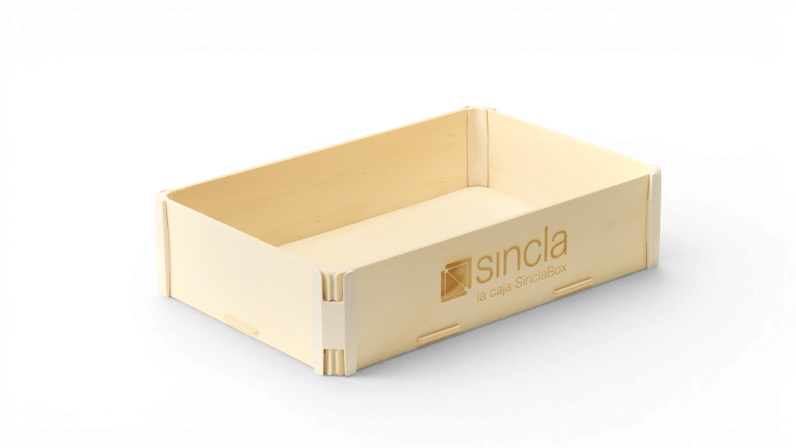
This format can be combined with other branding techniques, such as laser engraving or screen printing, to complete customization.
The Role of Color and Texture in the Unboxing Experience
A product's presentation drastically influences its perceived value by the end customer. When a consumer receives an item, visual and tactile contrast plays a fundamental role. Wood offers an organic texture, unique and unrepeatable grain, and a warm feel to the touch. Historically, however, its limitation has been the difficulty of integrating corporate colors without concealing the material's natural character beneath thick layers of paint or opaque lacquers.
This is where wooden boxes with colored corner protectors solve the industrial design challenge. By limiting color to the structural corner elements, the wood remains the star, yet the brand successfully projects its identity. This subtle yet powerful injection of color is key to optimizing the unboxing experience for gourmet shops and packaging, as the human brain processes color before shape or text, intuitively recognizing the brand in a fraction of a second.
Color Psychology Applied to Packaging
Color accents on corner protectors alter how packaging is perceived: black and gold convey luxury and exclusivity, mint or forest green are associated with organic products, and vibrant neon or primary shades bring a disruptive, modern edge.
Materials and Structure: The Foundation of Perfect Packaging
For color integration to succeed, selecting the base material is a critical step. Not all woods respond visually the same way to a colored trim. Today, the packaging market in 2026 offers highly optimized options to ensure both lightness and mechanical strength.
Poplar or pine plywood is one of the most popular choices. It stands out for its smooth, pale surface, providing a neutral canvas that makes almost any corner shade pop. On the other hand, medium-density fiberboard (MDF) offers absolute uniformity without visible grain, ideal for brands seeking a more industrial or minimalist aesthetic. With dark solid woods such as walnut or oak, color accents must be chosen with care (typically metallic tones or pure whites) to ensure adequate contrast.
Visual Contrast Color focused on the corners breaks the monotony of plain wood without overwhelming the overall design.
Structural Protection Corner protectors absorb micro-impacts during handling, protecting the most vulnerable edges of the box.
Ease of Assembly Depending on the design, they can function as joining or stapled brackets, eliminating the need for visible adhesives.
Corporate Versatility They allow standard packaging to be adapted to different seasonal campaigns simply by changing the reinforcement tone.
Types of Colored Corner Protectors and Their Applications
Manufacturing technology has greatly diversified the materials used to create corner pieces. Although their original function was purely protective (inherited from vintage travel trunks and maritime shipping crates), today they are designed with an unmistakable aesthetic purpose.
Lacquered metal is one of the most classic and durable options. Through powder coating or baked lacquer processes, these brass, aluminum, or lightweight steel pieces can be dyed in any Pantone shade, offering finishes ranging from deep matte to reflective gloss. Another rising alternative is bioplastics and high-density recycled polymers, which allow lightweight corner protectors to be produced via injection molding or 3D printing, snap-fitting into the box's grooves. For lighter, more economical packaging solutions, lacquered metal staples or heavy-duty dyed kraft cardboard reinforcements are also used.
Corner Material
Visual Finish
Durability
Recommended Use
Lacquered metal
Premium, smooth or textured
Very high
Spirits boxes, corporate gifts, and luxury cosmetics.
Bioplastics / Tinted PLA
Matte, solid, and bright colors
Medium
Promotional campaigns, e-commerce shipments, and tech products.
Colored decorative staples
Minimalist and discreet
High (structural)
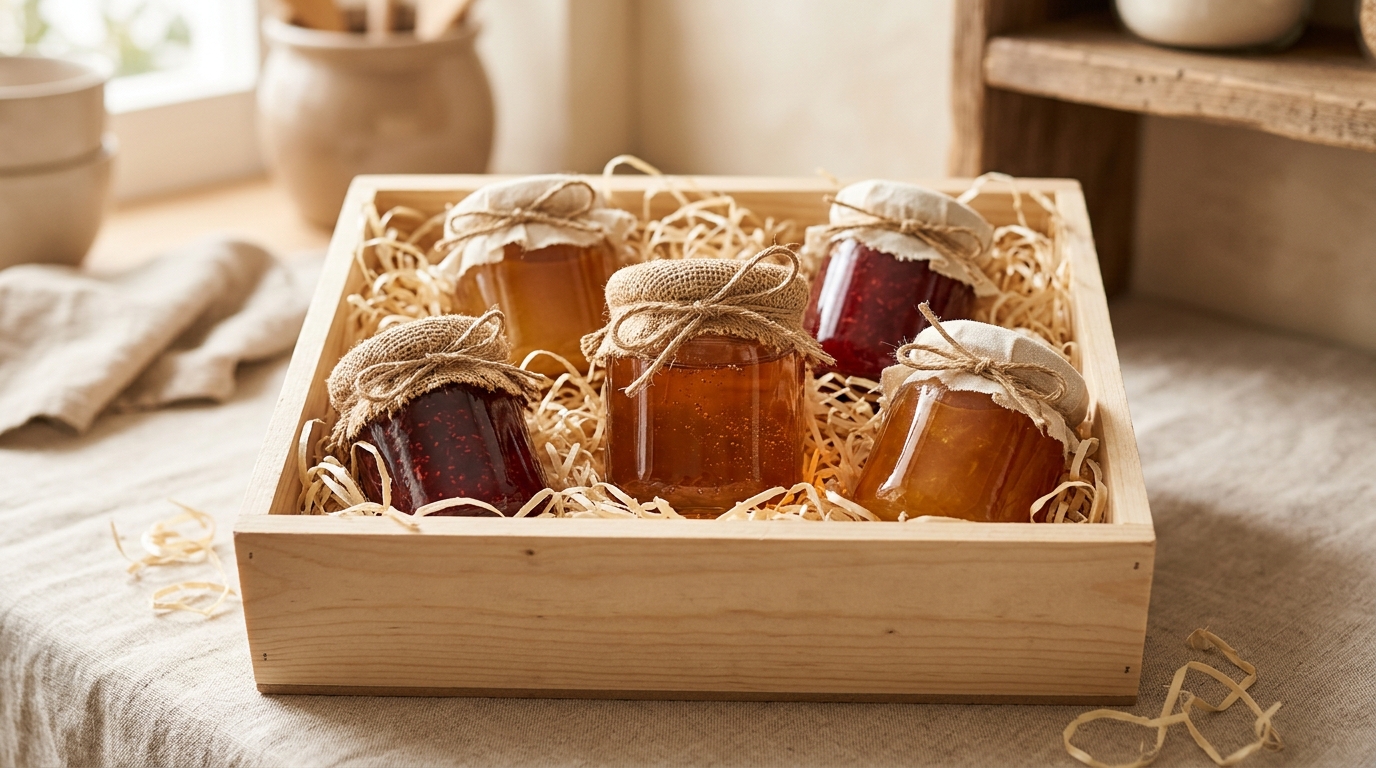
Gourmet preserves, gift hampers, and high-volume packaging.
Glued rigid cardboard
Organic, pastel or earthy tones
Low
Lightweight products and stationery items.
Matching Corporate Pantone Colors
Always request physical samples before mass production. The exact same Pantone code can look different on a glossy metallic lacquer compared to a matte injected plastic due to light refraction.
Custom wooden boxes
Discover our wooden boxes for packaging, hospitality, events and more. In-house manufacturing and full customisation.
How to Integrate Wooden Boxes with Colored Corner Protectors into Brand Identity
To achieve a cohesive design, packaging development must be approached as a comprehensive branding project. It is not simply about adding a random splash of color, but about creating visual synergy between the container and the product inside. When designing wooden boxes with colored corner protectors, following a structured process helps minimize errors and maximize visual impact.
Define brand objectives. Determine whether you want a luxurious, artisanal, eco-friendly, or tech-forward look. This decision directly influences wood texture and color sheen.
Select the wood tone. Light woods (poplar, white pine) highlight dark, vibrant, or neon colors. Dark or stained woods (walnut, wenge) pair best with gold, copper, white, or pastel corners.
Choose the corner material. Decide whether metal is required to provide weight and perceived value, or a lightweight polymer to optimize shipping costs without losing that pop of color.
Design complementary branding. Determine how and where the logo will go (branding iron, laser engraving, or screen printing) to ensure it works harmoniously with the corner color without cluttering the face of the box.
Test logistics and durability. Verify that the corner protectors fulfill not only an aesthetic role, but also withstand stacking and abrasion during shipping, protecting the internal contents.
Customization Techniques That Complement the Design
While colored corners are a powerful visual hook, they are usually paired with a brand logo or tagline on the main panels. Marking techniques on wood produce distinct results, and their selection requires careful consideration.
Laser engraving is the most popular choice thanks to its precision and permanent finish. By burning away the surface layer of the wood, it creates natural contrast in brown or dark tones. This understated look pairs perfectly with brightly colored corners, preventing visual overload. In contrast, screen printing and pad printing allow inks to be applied directly onto the wood. With screen printing, a common approach is to print the logo in the exact same Pantone shade as the corners, creating absolute cohesion throughout the design.
Finally, hot stamping (or foil blocking) applies a metallic foil using heat and pressure. If the corners feature gold, silver, or copper tones, reproducing the logo with matching metallic hot stamping elevates the box to luxury packaging status, commonly seen in fine perfumery and premium spirits.
Risk of Visual Overload
If the box corners are finished in a bold, vibrant color, it is best to avoid full-color (CMYK) photo or complex graphic printing on the lid. Less is more: a monochrome logo is usually the best choice for preserving elegance.
Sustainability and Regulations in Modern Packaging
Environmental awareness continues to shape the packaging industry in 2026. When using wooden boxes with colored corner protectors, brands must ensure that aesthetic appeal does not compromise recyclability. Wood must come from responsibly managed forests, verified by international certifications such as FSC (Forest Stewardship Council) or PEFC.
Regarding color, the industry has shifted toward water-based paints, eco-friendly varnishes, and coatings free of volatile organic compounds (VOCs). If corner protectors are metal or plastic, the box must incorporate "Design for Recycling," ensuring end users can easily separate the different materials (wood on one side, metal or plastic on the other) to place them in their respective recycling streams. Having sustainable packaging for eco-friendly brands is now an essential requirement and a direct consumer demand, not just a competitive advantage.
FSCCertified wood
100%Separable and recyclable
< 3mmStandard thickness
Dimensions, Formats, and Application Catalog
The geometric versatility of wood allows for everything from tiny jewelry cases to large hampers for holiday gift sets. A box's proportions will affect how its corners are viewed. On shallow boxes (such as those used for photo albums or textiles), corners stand out primarily from an overhead angle. On cubic or tall boxes (such as those designed for magnum bottles or vases), elongated vertical corner brackets can streamline the overall silhouette even further.
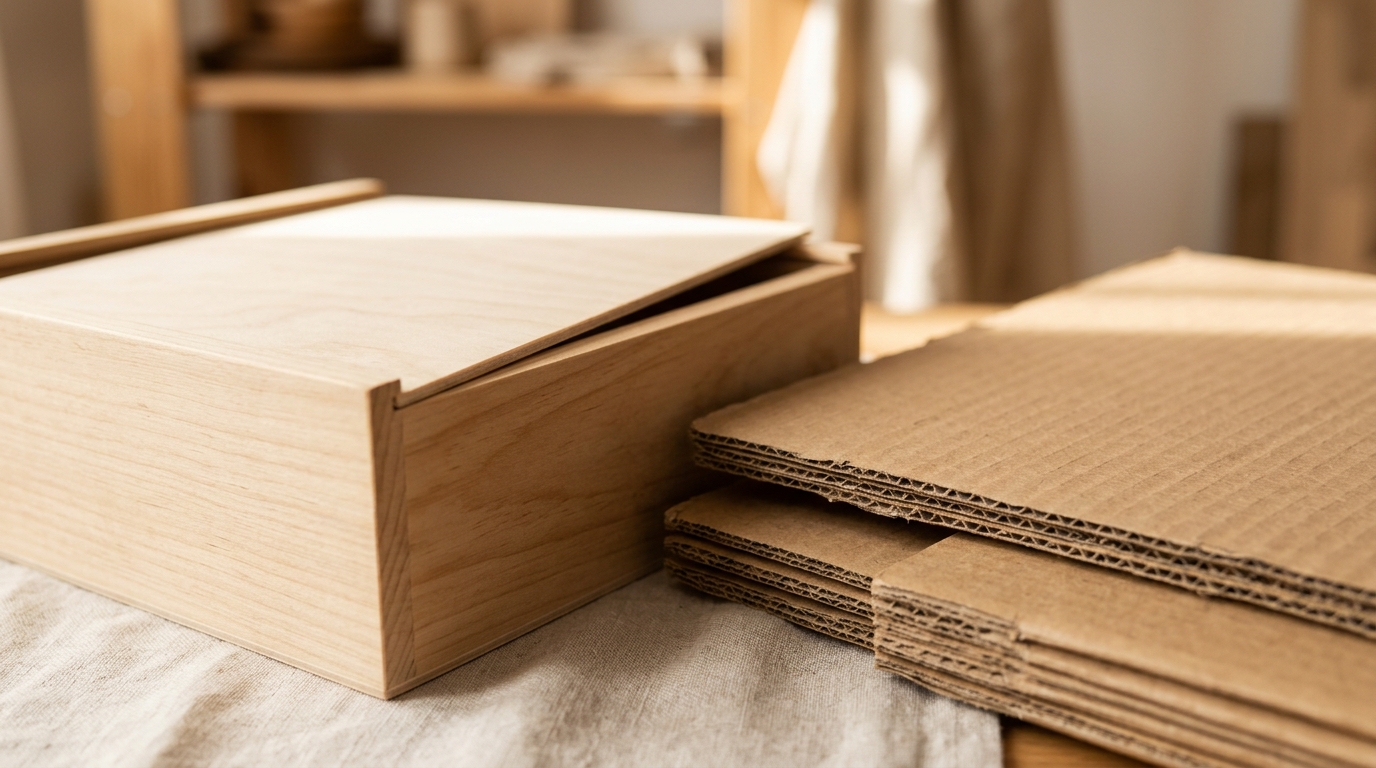
To explore different volume options, wall thicknesses, and closure systems (sliding, hinged, or lift-off lids), reviewing a comprehensive wooden box catalog is essential. There, you can assess the technical load capacity of each model, ensuring the chosen size withstands both the weight of the enclosed product and stacking pressure during storage, guaranteeing the chromatic design arrives pristine to the client.
Packaging is not merely a protective wrapper; it is the stage where brand identity delivers its first and most important performance before the customer.
Frequently Asked Questions
Is it more expensive to use wooden boxes with colored corners than traditional ones?
It depends on the material and assembly process. Using standard dyed staples or profiles does not significantly raise the price compared to a traditional box. However, if custom lacquered metal corner protectors with a specific Pantone code are required, the unit cost will be higher, which is typically justified for high-end products.
Can corner protectors affect the total shipping weight?
The impact is minimal when using lightweight polymers or low-gauge aluminum sheet. However, in large production runs or weight-sensitive international shipments, it is a factor to consider. Choosing lightweight woods such as poplar plywood easily compensates for the slight extra weight of the hardware.
How do you ensure the corner color doesn't scratch during transport?
Metal components typically undergo baked lacquer or powder coating treatments, providing high resistance to friction and minor impacts. Nevertheless, for complete protection, boxes are usually packed into master corrugated cardboard cartons that prevent direct rubbing during palletized transit.
Can multiple colors be used on the same box?
Technically, it is possible to assemble corner protectors of different colors on a single box, though from a corporate design perspective, it is rarely recommended. Mixing multiple structural colors can cause visual confusion. The standard practice is to maintain a single color for the corners to serve as a cohesive thread for the graphic identity.
We use our own and third-party cookies to improve your experience, analyze traffic and show relevant advertising. You can accept, reject or customize your preferences.