The Essentials
- Wood offers superior structural rigidity that protects fragile and heavy products far better than corrugated cardboard.
- The life cycle of wooden packaging is extended thanks to its high rate of reuse in the home, reducing its long-term environmental impact.
- Perceived value and the unboxing experience are substantially improved, justifying a higher price positioning for the final product.
Main Advantages of Wood Over Cardboard in the Premium Sector
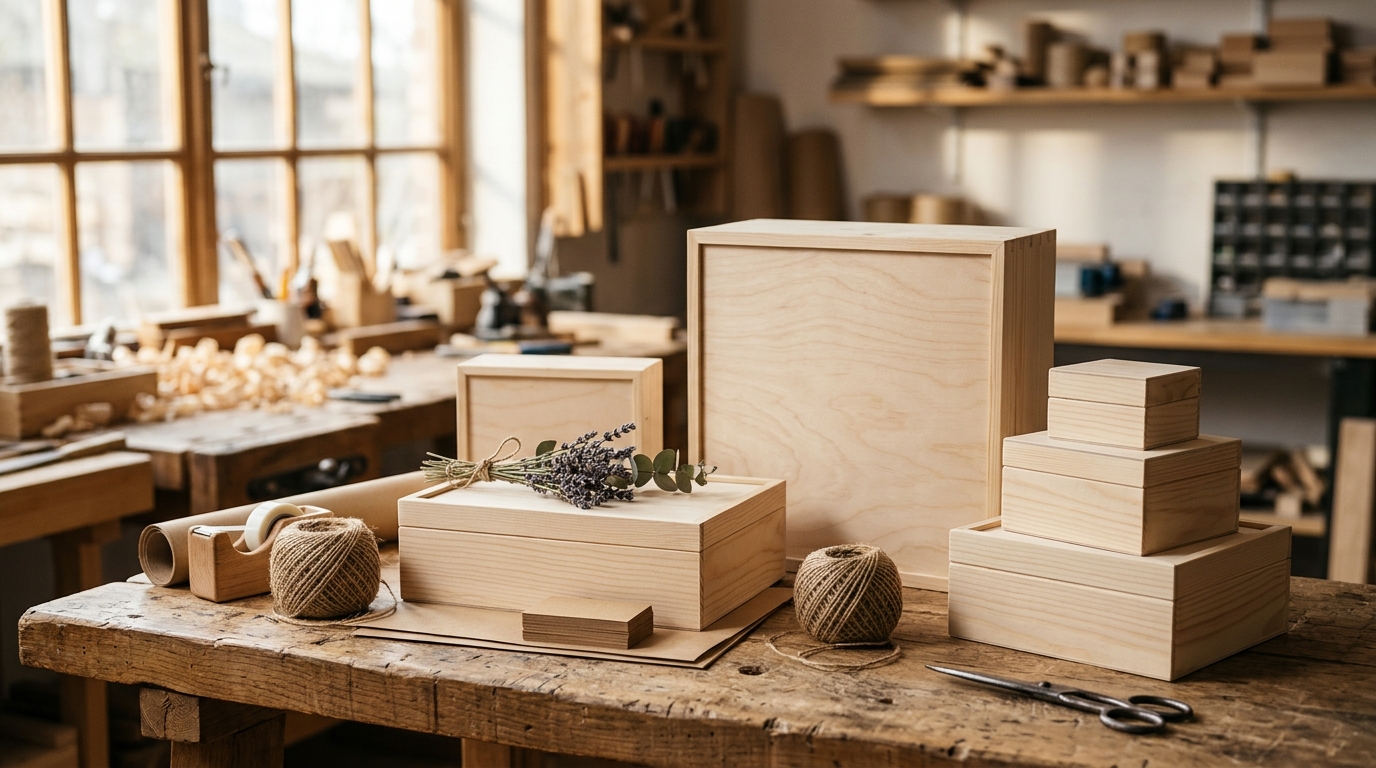
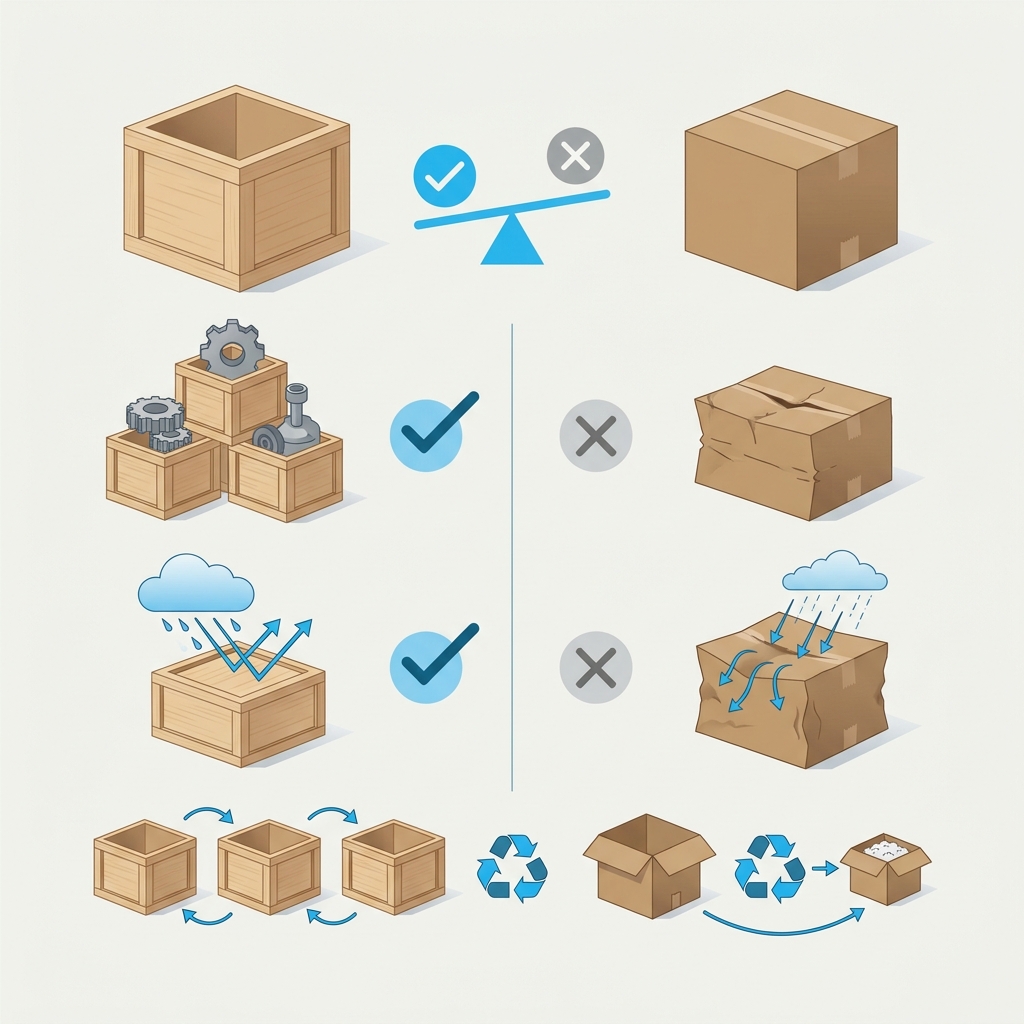
Choosing packaging material is not a simple aesthetic matter; it is a strategic decision that affects protection, logistics, visual identity, and profitability. When evaluating the advantages of wood over cardboard, several fundamental pillars stand out that position materials derived directly from timber or in plywood format as the preferred choice for the luxury segment and eco-friendly products. First and foremost, mechanical strength is unmatched. Cardboard, even in double or triple-wall variants, is susceptible to crushing under sustained pressure, puncturing, and, above all, degradation from moisture. Wood, on the other hand, provides a rigid shell that absorbs heavy impacts and maintains structural integrity. This is vital for glass bottles, ceramic jars, or precision machinery.Moisture Resistance
Unlike kraft cardboard, which loses its rigidity instantly when wet, certain types of wood and treated panels can withstand hygrometric variations and protect the product inside during maritime shipping or in humid climates.
Sustainability and Life Cycle in 2026: Dispelling Myths
Direct Comparison: Wood and Plywood vs. Kraft Cardboard
To clearly visualize the technical differences, it is helpful to break down the attributes of both materials across the most common logistics and retail scenarios.| Feature | Wooden Packaging | Cardboard Packaging |
|---|---|---|
| Structural rigidity | Very high. Does not deform when stacked. | Medium-Low. Susceptible to crushing. |
| Customer perception | Premium, artisanal, luxury item. | Standard, utilitarian, disposable. |
| Post-sale lifespan | Years. High rate of household reuse. | Days. Destined for immediate recycling. |
| Protective barrier | High (impacts, punctures, and weather). | Low (vulnerable to moisture and cuts). |
| Initial unit cost | Higher. Investment focused on adding value. | Lower. Optimized for mass volume. |
Finishes and Customization Options
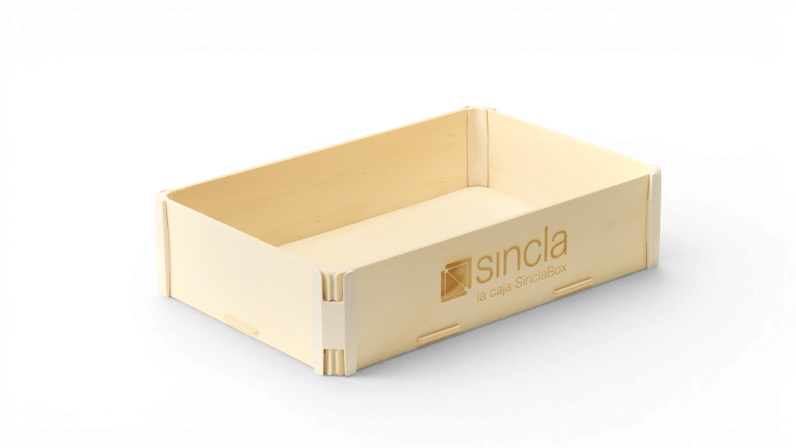
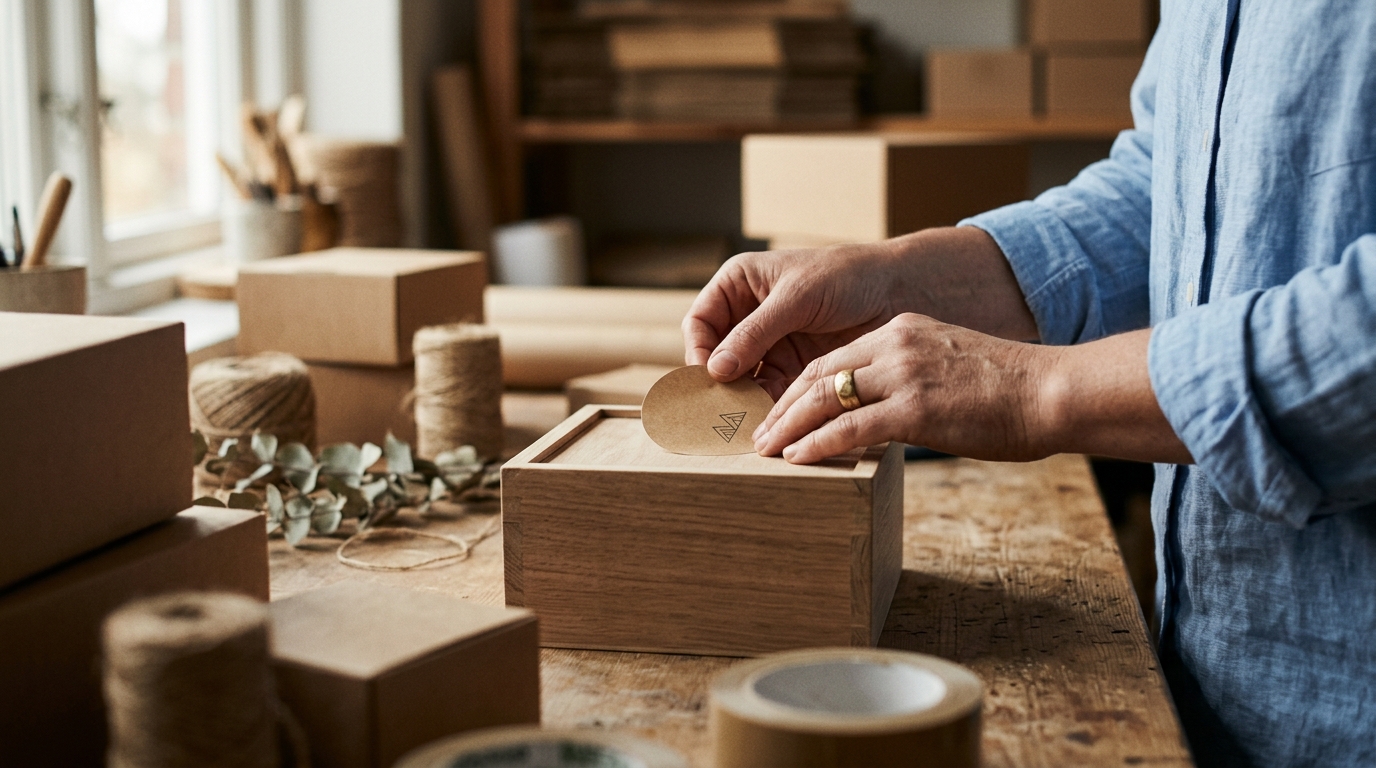
Customization is the vehicle through which a simple container becomes a brand ambassador. Printing and engraving techniques vary radically between these two worlds. Cardboard allows for full-color offset and digital printing with photographic finishes, spot UV varnishes, and glossy or matte laminations. It is excellent for complex graphics and vibrant campaigns. However, these inks and plastic coatings often hinder subsequent recycling, diminishing its eco-friendly credentials. Wood, on the other hand, favors techniques that highlight the noble nature of the material. The most prominent options include:- Laser EngravingSurface-burns the material, leaving a dark, indelible debossed finish without the use of inks or chemicals.
- Screen PrintingAllows for the application of solid colors (such as white, black, or corporate shades) with high durability and a subtly textured feel.
- Hot BrandingA traditional technique using a heated die to brand the logo, conveying maximum craftsmanship and tradition.
- Eco-Friendly StainsWater-based color baths that alter the tone of the material (walnut, oak, wenge) while keeping the natural grain visible.
Packaging is not what gets thrown away after opening the product; in the premium segment, packaging is the first part of the product to be consumed.
Decision Guide: When to Choose Wood and When to Choose Cardboard
Selecting the ideal packaging type requires an objective analysis of the product, profit margins, distribution channels, and buyer profile. There are no absolute answers, but there are clear methodologies for making the right choice. Follow this structured process to determine which material will bring the greatest return on investment to your project:- Evaluate product weight and fragility. If the item exceeds 2 kilograms per unit, includes glass, or contains delicate mechanisms that cannot tolerate compression, wood will provide the necessary structural security during palletization and final transit.
- Define price positioning. For fast-moving consumer goods or low-cost products (under 15–20 euros), cardboard is essential to maintain viability. For items priced above 50 euros (reserve wines, high-end natural cosmetics, corporate gifts), wood justifies the price point and increases willingness to buy.
- Analyze the sales channel. On supermarket shelves, cardboard dominates due to its lightness. In boutique shops, trade fairs, or direct-to-consumer (D2C) gift sales, the visual impact of a wooden box in a display window or online storefront significantly increases conversion rates.
- Check logistics shipping costs. Wood weighs more than cardboard. It is essential to calculate the impact on carrier rates—especially for international shipments—to ensure operating margins remain healthy.
Prior Prototyping
Before commissioning a full production run, it is advisable to validate exact dimensions and the visual finish. Learning how to Successfully Order Packaging Samples Before Buying will prevent costly sizing errors or corporate color mismatches.
The Psychological Impact of Materials on the Consumer
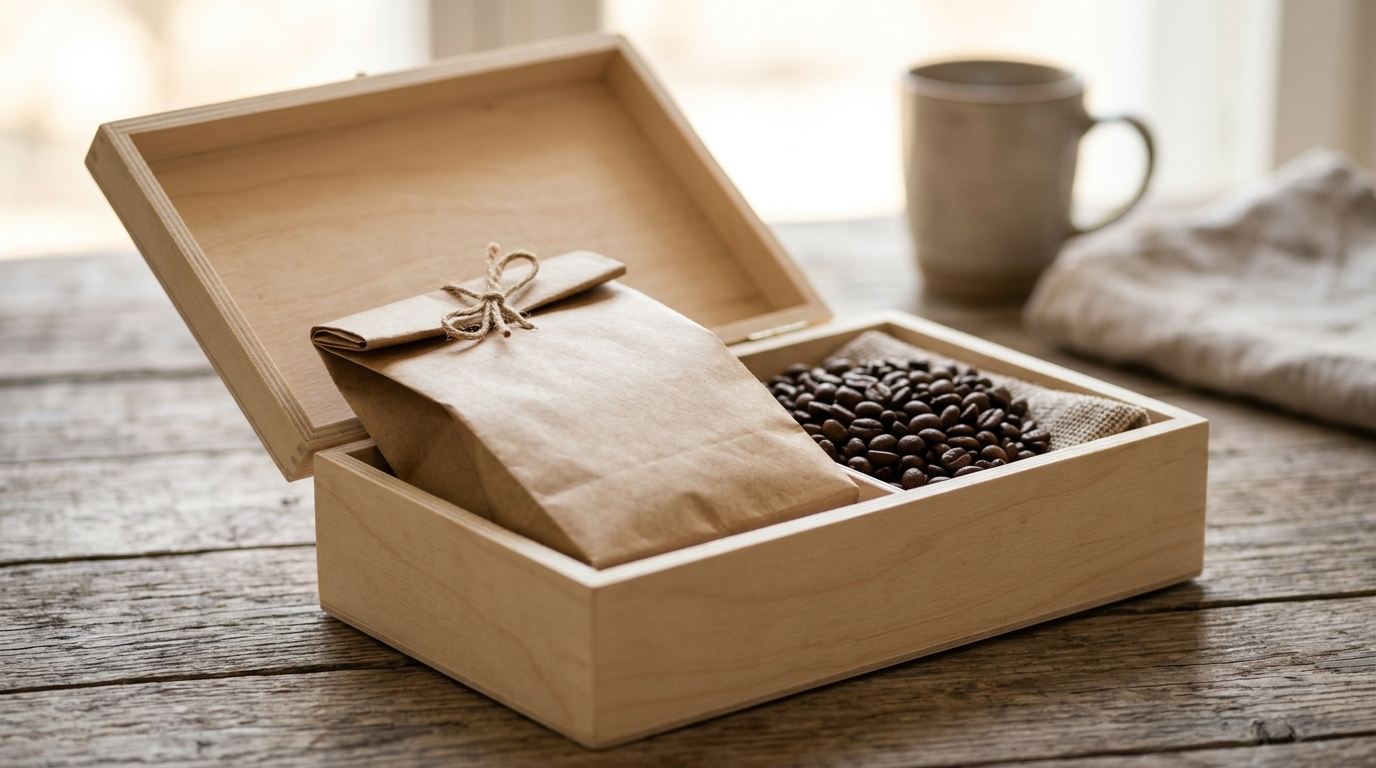
Understanding the advantages of wood over cardboard requires looking into consumer psychology. When someone receives a package, their brain instinctively evaluates the effort and care the brand has invested in the presentation. Corrugated cardboard triggers a "transactional" mental framework. It is a functional container whose sole purpose is getting the item from point A to point B. By contrast, a box crafted from noble materials, assembled with precision, and customized with engraving triggers a "gift" mental framework—even if the consumer purchased it for themselves. This perception shifts the customer's price tolerance and builds brand loyalty. In sectors like winemaking, spirits, extra virgin olive oil (EVOO), or niche perfumery, the outer packaging is not hidden away; it is displayed on shelves, in display cabinets, and in private cellars. A durable container ensures the brand logo remains part of the consumer's life long after the original contents have been enjoyed.International Phytosanitary Regulations
If you plan to export outside the European Union, keep in mind that raw solid wood packaging may be subject to ISPM 15 standards (heat treatment against pests). Plywood and MDF boards, having been processed under high heat and pressure, are generally exempt from this regulation, simplifying customs clearance.
Frequently Asked Questions
Is wooden packaging much more expensive than cardboard?
Yes, the initial unit cost is generally higher. However, this cost should not be evaluated in isolation, but rather in relation to the added value it brings to the final product. For premium items, the higher packaging cost is offset by higher profit margins, as it allows for an increased retail price and elevates brand positioning.
Is wooden packaging completely recyclable?
Yes, raw wood, plywood, and uncoated MDF are 100% recyclable and biodegradable materials. They can be chipped to manufacture particle boards, used as biomass, or industrially composted, provided they are free from toxic varnishes or glues.
Does it add too much weight for e-commerce shipments?
It depends on the design and material thickness. Today, there are boxes made from lightweight plywood (3 mm or 4 mm thick) that offer high structural strength without adding excessive weight to the parcel, optimizing courier shipping rates for e-commerce.
What advantages does laser engraving have over printing on cardboard?
Laser engraving delivers a permanent finish that will not rub off, fade in sunlight, or require solvents or inks, making it exceptionally eco-friendly. Additionally, it provides a tactile relief that reinforces the feeling of authenticity and craftsmanship—something traditional flat printing on cardboard cannot achieve.