Custom Wooden Boxes for Small Orders: Key Factors and Benefits
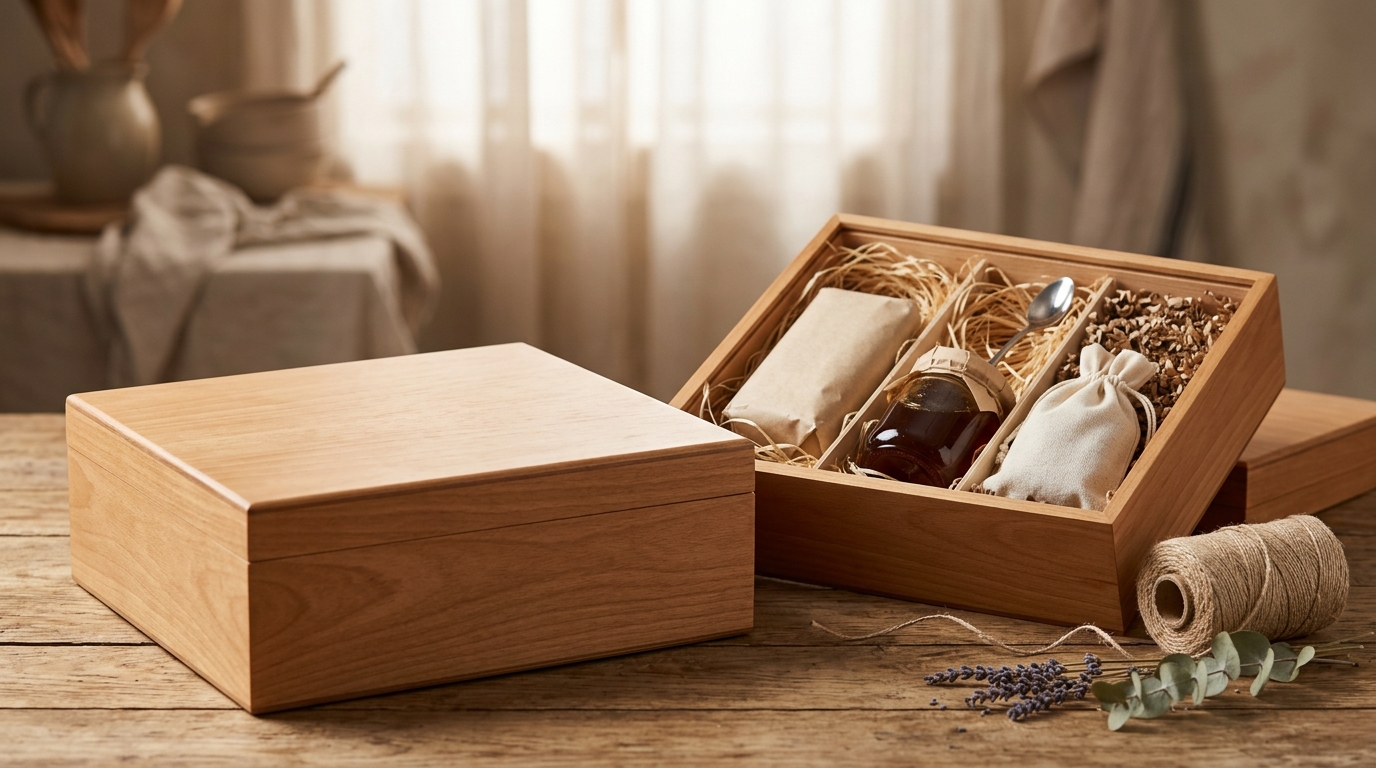
Customization in packaging is no longer exclusive to large-scale production. Custom wooden boxes for small orders have opened up a wide range of possibilities for entrepreneurs, event agencies, and brands seeking a premium presentation without taking on high inventory costs or requiring vast storage spaces. In a market where differentiation is vital to connect with consumers, this format stands out as a versatile, elegant, and highly valued solution for limited projects, such as special editions or corporate gifts.
Key Takeaways
- Custom boxes in short runs allow you to offer premium packaging without the need to store thousands of units.
- Materials such as pine, plywood, and MDF are common choices, often paired with sustainable certifications (FSC).
- Laser engraving or screen printing adds essential value to corporate gifts, limited editions, and events.
Why Choose Small Orders for Wooden Boxes
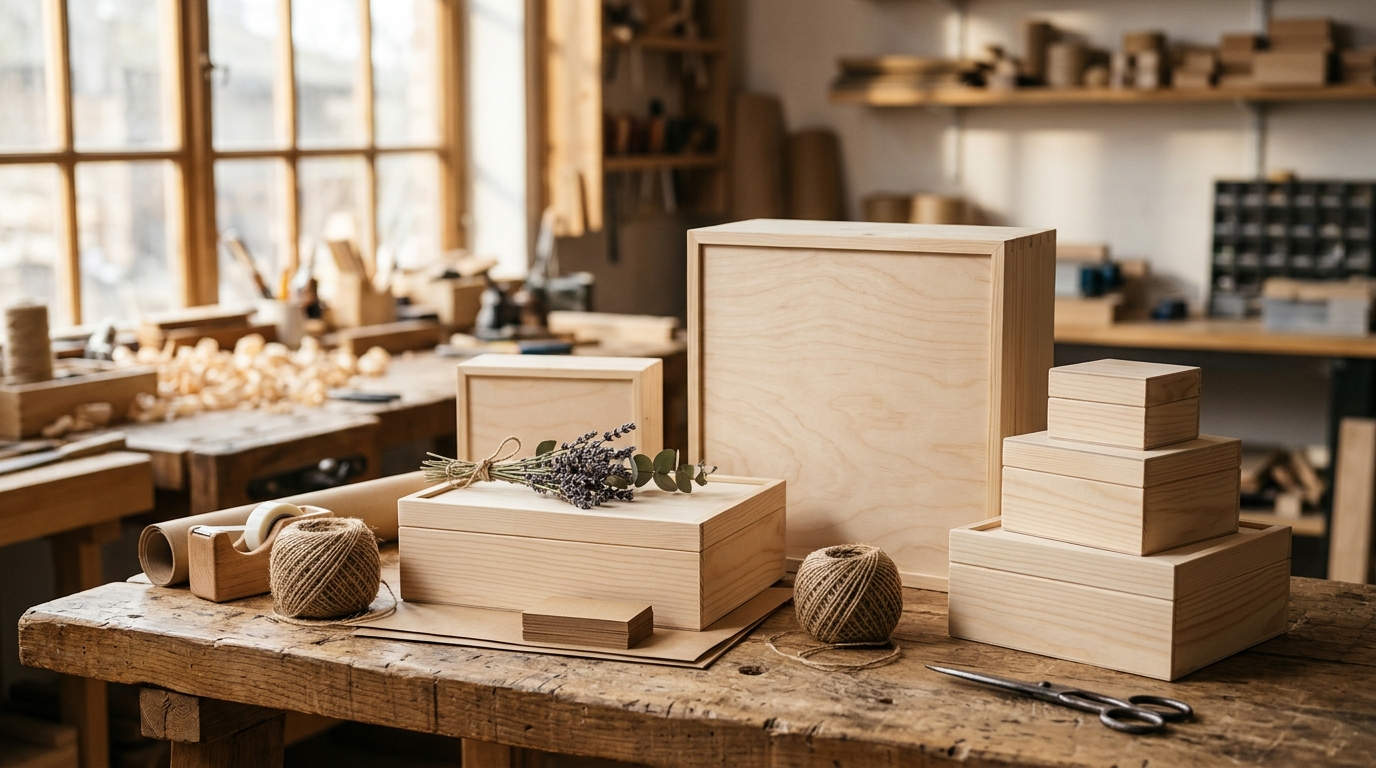
Until a few years ago, ordering custom rigid packaging meant committing to minimum order quantities ranging from hundreds to thousands of units. Advancements in cutting and engraving technologies, particularly laser cutting, have democratized access to short runs. This is especially useful in situations where exclusivity is needed without excessive volume.
The advantages of turning to limited runs are numerous:
- Inventory ControlPrevents tied-up capital and the risk of packaging obsolescence due to design updates.
- Creative FlexibilityAllows you to test new formats or launch seasonal editions without committing significant resources.
- Perceived ValueWood conveys sturdiness, warmth, and care—attributes directly associated with luxury and craftsmanship.
- ReusabilityUnlike conventional cardboard, wooden boxes are often kept, extending brand exposure over time.
Common Materials in Short-Run Manufacturing
The term "wood" encompasses various materials and engineered products, each with specific characteristics regarding strength, aesthetics, and cost. For custom wooden boxes for small orders projects, the choice of material will determine both the visual finish and the overall feasibility of the project.
| Material | Main Characteristics | Recommended Use |
|---|---|---|
| Solid wood (pine, fir) | Rustic look, pronounced grain, heavier weight, and high structural strength. | High-end corporate gifts, premium wine cases, or heavy gourmet products. |
| Plywood (poplar, pine) | Lightweight, warp-resistant, smooth surface ideal for printing and laser cutting. | Versatile presentations, sliding lid boxes, shipments where weight is a factor. |
| MDF | Completely uniform surface, grain-free, excellent for painting or lacquering. | Boxes with modern and colorful finishes, luxury cosmetics packaging. |
The Importance of Sustainability
Ensuring the material carries FSC or PEFC certification guarantees that the wood comes from responsibly managed forests—a standard increasingly demanded by end consumers in 2026.
Customization Options: Beyond Laser Engraving
One of the greatest benefits of opting for a custom design, even in low quantities, is the ability to integrate your project's visual identity directly into the packaging. Customization transforms a simple container into a powerful marketing tool.
Laser engraving remains the premier technique due to its precision and because it does not require printing plates or films (which would drive up the cost of short runs). It burns the surface of the wood, creating a natural, highly elegant, and long-lasting contrast. To learn more about this technique, reading a guide on boxes engraved with a company logo can provide clear insights.
However, other viable alternatives exist for limited runs:
- Direct digital printing (UV): Allows full-color printing directly onto the wood. Ideal for complex designs or logos that need to maintain specific brand colors.
- Screen printing: While traditionally associated with high volumes, some workshops offer it for medium runs. It delivers highly saturated, durable flat colors.
- Hot stamping or foil embossing: Applies heat and pressure to metallic foil (gold, silver, copper). It adds an exclusive touch, perfect for limited editions or high-end wooden cases.
Accessories and Closures
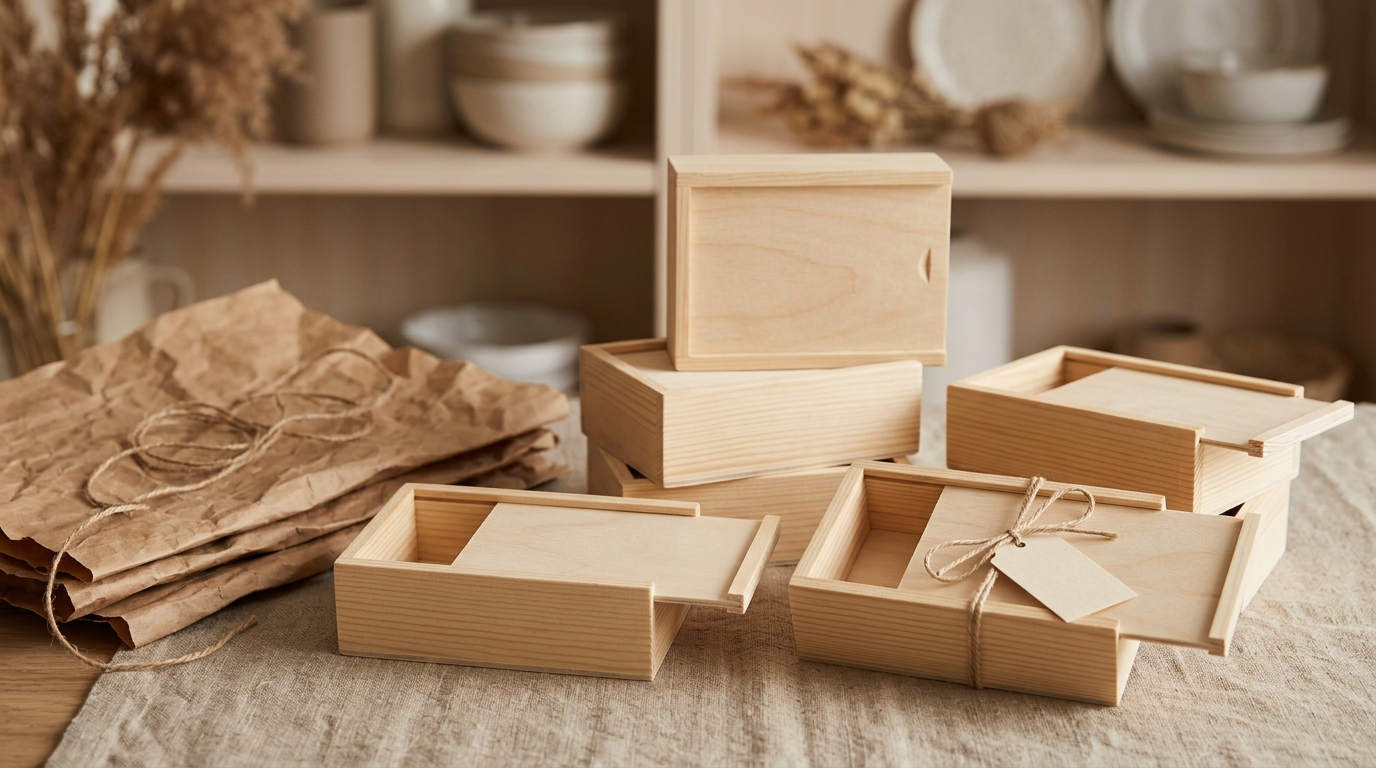
The type of closure (sliding lid, metal hinges, hidden magnets, or guillotine lid) and internal fittings (wood wool, custom foam inserts, or dividers) play a decisive role in the unboxing experience.
Frequent Use Cases for Limited Productions
Custom wooden boxes for small orders address very specific needs across various industries. Without being tied to pre-made standard sizes, designs can be tailored down to the millimeter to fit the product they hold.
Corporate Gifts and Onboarding Kits
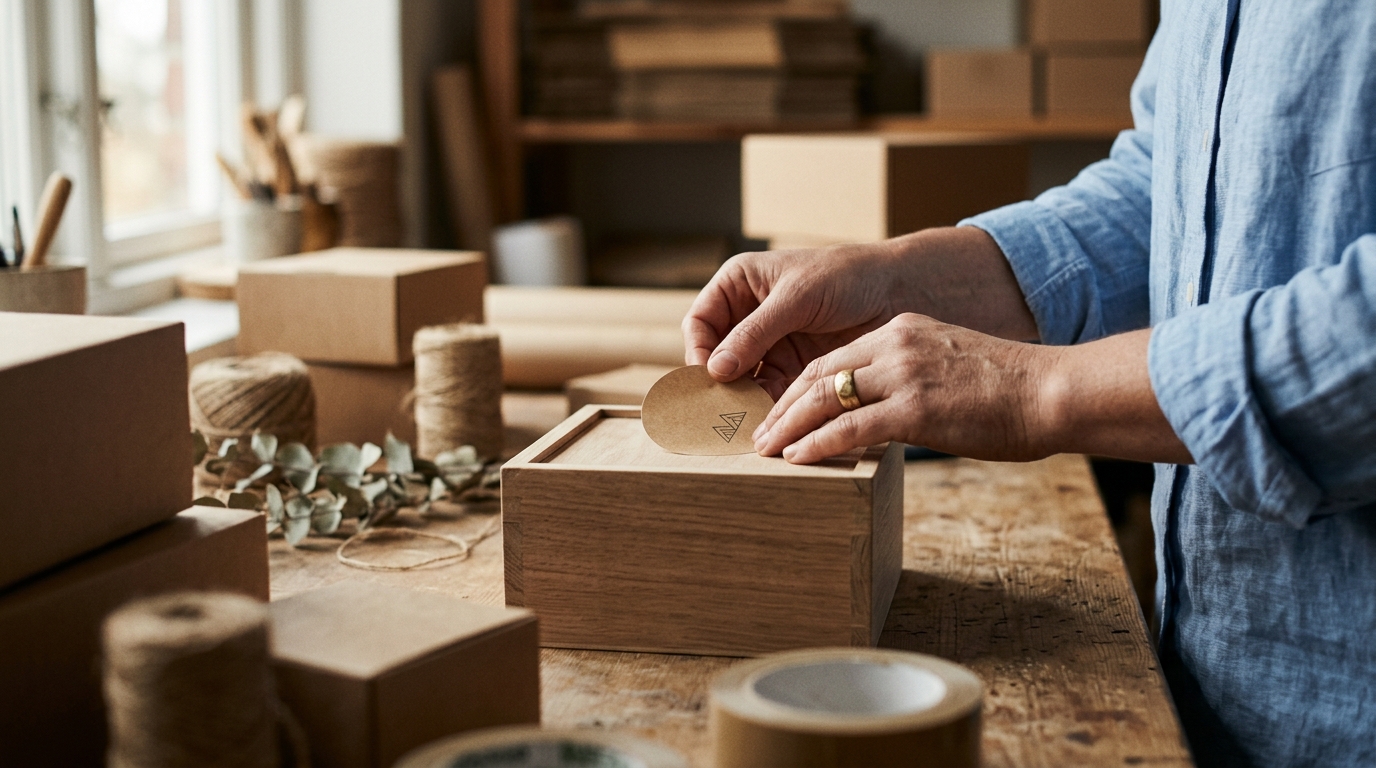
Companies are increasingly looking to impress new hires or VIP clients with items that reflect dependability and thoughtfulness. A personalized wooden box containing a notebook, a premium pen, or tech gadgets is perceived as a high-value gift. In this setting, custom packaging is key to communicating brand values right from the start.
Limited Editions of Gourmet Food and Beverages
Releases of premium spirits, artisan cheese selections, or numbered bottles find a natural match in wood. The material's sturdiness protects fragile containers (such as glass), while its rustic or refined appearance complements the product. A classic example is learning how to present extra virgin olive oil as a gift in single- or double-bottle formats.
Social Events and Exclusive Invitations
Weddings, company anniversaries, and press events often call for a distinctive format. Small wooden boxes for favors can serve as both a container for guest gifts and a physical event invitation, offering an impressive, tactile presence.
Process for Ordering Custom Boxes
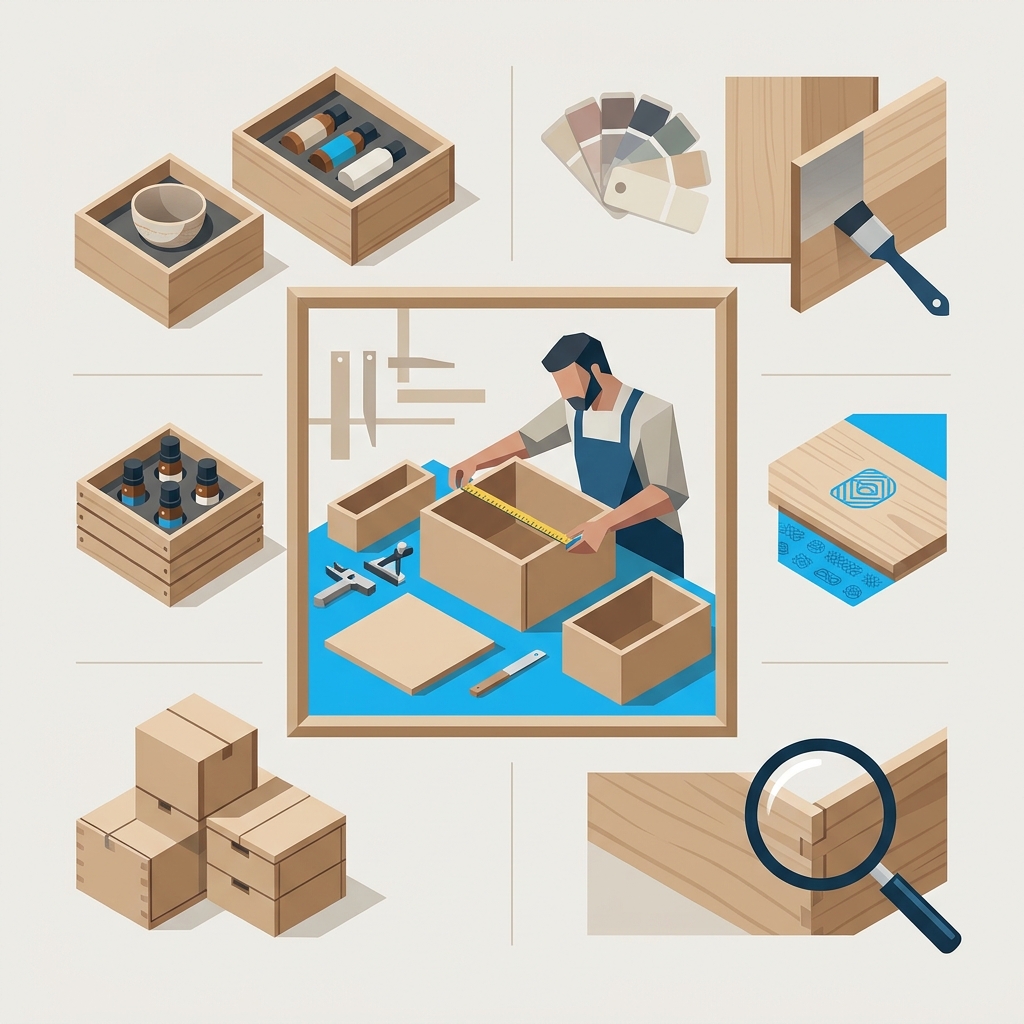
While technology has streamlined manufacturing, a custom order requires careful planning to prevent unexpected costs or sizing mistakes. Here are the standard steps when approaching this type of project:
- Defining the contents: Before designing the box, it is essential to determine the exact dimensions (width, length, and height) of the products that will go inside, as well as their weight.
- Calculating clearances and interior fittings: Decide whether the product will rest loose, on wood shavings, or nested within die-cut foam. This will dictate the required internal space.
- Selecting material and format: Choose between solid wood or plywood, and select the lid style (sliding, hinged, or lift-off).
- Graphic design for customization: Prepare vector files for the logo or artwork for engraving or printing, making sure they fit the proportions of the lid or sides.
- Requesting a prototype: For custom projects, it is always advisable to order an initial prototype (or check if there is an option to request a free sample of standard formats) to verify the fit before committing to the full short run.
Custom packaging in short runs allows brands of any size to compete in perceived value and exclusivity, turning the presentation into a memorable experience.
Logistical and Cost Considerations
Although ordering small batches (for instance, 20, 50, or 100 units) reduces the total investment compared to industrial-scale orders, the unit cost will understandably be higher. This is due to machine setup times and design adjustments.
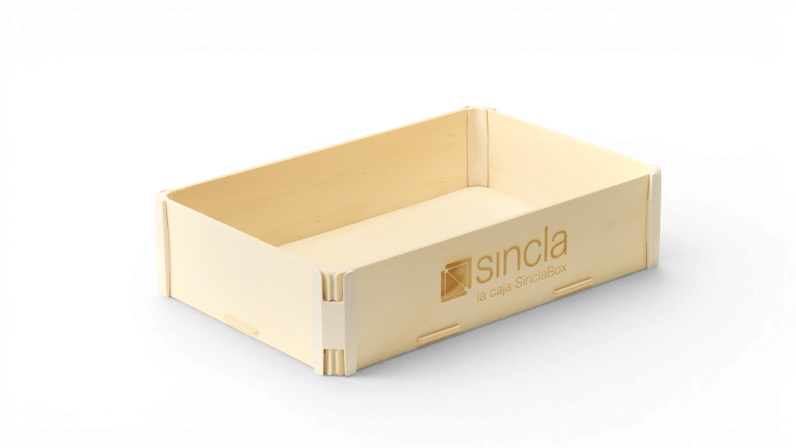
Furthermore, shipping is an essential factor to keep in mind. Rigid wooden boxes, unlike folding styles (such as certain cardboard boxes), take up empty volume (air). As a result, freight costs from the manufacturer to your door can be significant. One option that has gained popularity is collapsible wooden boxes that require no nails or glue; they ship flat and are assembled at their destination using tab-and-slot designs, O-rings, or press-fit joints, drastically cutting storage and shipping requirements.
Mind the Weight
Wood adds substantial weight to the final parcel. When calculating shipping rates for your customers, factor in this increase compared to corrugated cardboard alternatives to avoid unexpected courier fees.