Wrapping paper: beyond simple wrapping
The act of giving has transcended throughout history, transforming from a simple exchange of goods to a complex expression of affection, recognition, or celebration. In this ritual, wrapping paper plays a fundamental role, elevating the experience of receiving a gift. Far from being a mere functional wrapper, wrapping paper is a declaration of intent, a prelude to surprise, and an element that adds perceived value to the contents. Its choice, design, and application can communicate care, personality, and anticipation, turning a common object into a wrapped treasure.
The essentials
- Wrapping paper is key to the gift experience, adding value and surprise.
- There are various types of paper, from functional kraft to premium design, each with its uses.
- Sustainability and personalization are growing trends in the choice of this material.
- The wrapping technique is as important as the paper for a professional finish.
History and evolution of wrapping paper
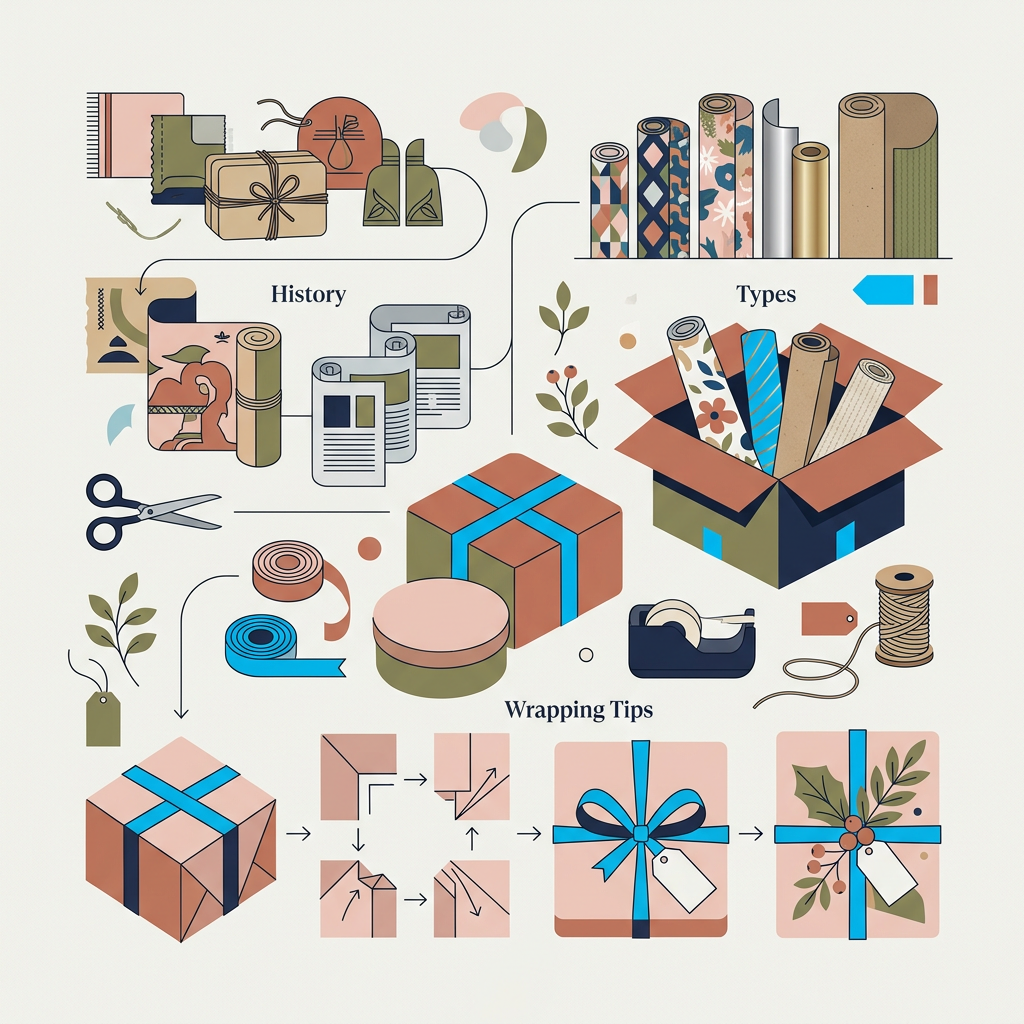
Although the practice of wrapping gifts is ancient, with the use of fabrics, leaves, and papyri in various cultures, the modern concept of tissue paper began to gain popularity in the 19th century. Before, gifts were commonly wrapped in plain brown paper or newspaper. The true revolution came in the early 20th century, when department stores began offering patterned and colorful papers, transforming the wrapping into an integral part of the gift. Today, the wrapping paper industry is global, with a vast range of styles, textures, and designs to suit every occasion and personality.
Types of wrapping paper and their characteristics
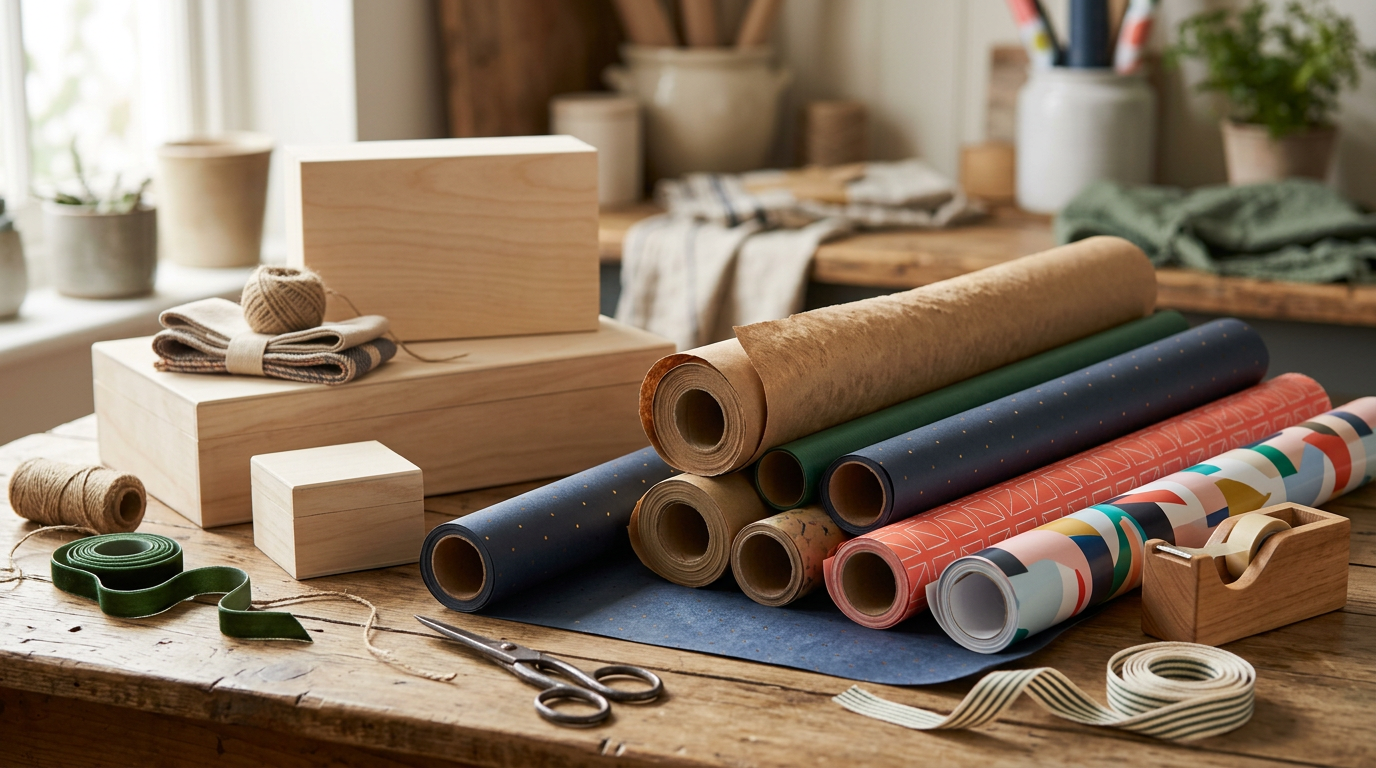
The diversity of options available on the market allows finding the perfect paper for every situation. Knowing its characteristics helps make an informed decision and achieve the desired effect.
Kraft paper
It is one of the most versatile and sustainable types. Made from virgin wood pulp, kraft paper is known for its strength and natural finish. It can be found in unbleached brown tones or in bleached white variants. Its surface is ideal for stamping, manual personalization, or for a rustic and minimalist style.
- Grammage: Generally between 60 and 90 gsm.
- Uses: Eco-friendly gifts, vintage style, packaging for handmade products.
- Advantages: Biodegradable, recyclable, economical, resistant.
Coated paper (couché)
This type of paper is characterized by its smooth and glossy surface, a result of a coated layer (kaolin, calcium carbonate, etc.) applied during its manufacture. This layer allows for excellent color reproduction and detail in printing, making images and designs stand out.
- Grammage: Usually between 80 and 150 gsm.
- Uses: High-end gifts, photographic prints, vibrant designs.
- Advantages: Premium finish, vivid colors, smooth feel.
Metallic or laminated paper
For special occasions that require a touch of glamor or sophistication, metallic paper is the ideal choice. It is obtained by applying a thin metallic layer or a glossy laminate on a paper base. Gold, silver, copper, or iridescent tones are common.
- Grammage: Generally between 70 and 100 gsm.
- Uses: Christmas, anniversaries, luxury parties, corporate events.
- Advantages: Visual appeal, festive effect, perception of exclusivity.
A tip for cutting
When cutting metallic paper, use sharp scissors to prevent the material from fraying or tearing. A clean cut is key to a professional finish.
Textured paper
This type of paper offers a unique tactile experience. It can include embossed textures (such as lines, dots, or geometric patterns), velvety finishes, or even papers with visible fibers. It is often used for gifts that seek to convey a handmade or discreet luxury feel.
- Grammage: Variable, from 80 gsm to 150 gsm.
- Uses: Personalized gifts, event stationery, boutique items.
- Advantages: Sensory experience, differentiation, subtle elegance.
Recycled or ecological paper
With growing environmental awareness, wrapping paper made from recycled materials or with sustainable forest management certifications (such as FSC) has become very popular. It often has a more matte appearance and a slightly irregular texture, although modern recycling techniques allow for very varied finishes.
- Grammage: Similar to kraft, between 60 and 90 gsm.
- Uses: Any occasion where sustainability is a value, corporate gifts with conscience.
- Advantages: Low environmental impact, contributes to the circular economy.
Certifications
Look for seals such as FSC (Forest Stewardship Council) or PEFC (Programme for the Endorsement of Forest Certification) to ensure that the paper comes from responsibly managed sources.
Factors to consider when choosing wrapping paper
Choosing the right wrapping paper goes beyond simple aesthetic taste. Considering various factors can elevate the presentation and impact of the gift.
- Occasion. A child's birthday is not the same as a wedding or a corporate gift.
- Recipient. Their tastes, age, and interests are key to choosing a design they will like.
- Size and shape of the gift. An irregular object may require more flexible paper or a higher grammage.
- Sustainability. Opt for recycled or biodegradable options if it is a priority.
Grammage: impact on presentation and resistance
Grammage, which is the weight of paper per square meter (gsm), directly influences the handling, opacity, and resistance of wrapping paper. A low grammage (e.g., 40-50 gsm) can be too thin, showing the contents and tearing easily, while one that is too high (more than 120 gsm) can make folding into complex shapes difficult.
For most gifts, a grammage between 60 and 90 gsm is ideal, offering a balance between opacity, resistance, and ease of handling. A higher grammage may be suitable for large gifts or those with sharp edges.
To delve deeper into this concept, you can consult the article on Grammage in Packaging: Essential Guide to Packaging and Protection.
Accessories and complements for wrapping
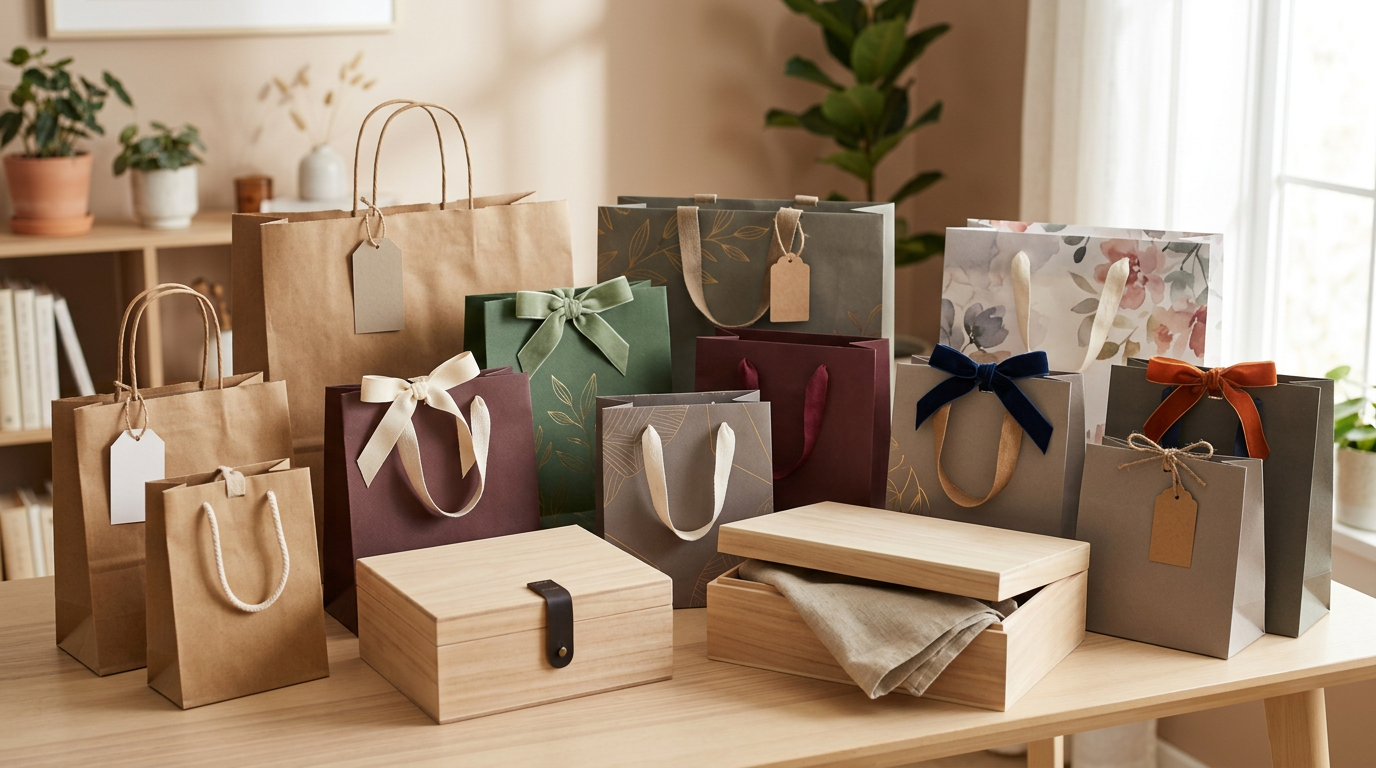
Wrapping paper is just the beginning. The right accessories can transform a simple wrap into a work of art. The choice of these elements should be consistent with the style of the paper and the occasion.
| Accessory | Description | Common uses |
|---|---|---|
| Ribbons and bows | Fabric (satin, organza, jute), paper, or plastic. Add volume and color. | Package closure, decoration, ties. |
| Labels and tags | Small cards for messages, names, or designs. | Personalization, recipient identification. |
| Decorative ornaments | Dried flowers, branches, beads, bells, small thematic objects. | Enrich the aesthetic, add a personal touch. |
| Strings and raffia | More rustic or ecological options than traditional ribbons. | Natural, minimalist, or artisanal style. |
| Inner tissue paper | To fill and protect the contents, or to add a layer of color and surprise. | Protection, internal aesthetics, volume. |
Aesthetic consistency
It is important that the wrapping paper and its accessories form a harmonious whole. A well-thought-out combination enhances the beauty of the gift.
Wrapping techniques for a professional finish
Good wrapping can transform any gift. Although practice makes perfect, following a few basic steps can ensure a neat and attractive result.
- Measure and cut. Place the gift on the paper and measure the necessary length and width. Leave enough margin to completely cover the object and slightly overlap the edges. A precise cut is essential.
- Center the gift. Place the gift in the center of the paper. This ensures that the paper is evenly distributed on all sides.
- Wrap the length. Bring one long edge of the paper over the gift and tape it down. Then, take the other long edge, fold it slightly inward (for a clean finish) and overlap the first edge, securing it with tape.
- Fold the sides. At the ends of the gift, push the sides of the paper inward to form triangles. Then, fold the top edge towards the center and the bottom edge upwards, forming a clean crease. Secure with tape.
- Decorate and personalize. Once wrapped, add ribbons, bows, tags, or any other ornament that complements the paper design. The final touch can include a handwritten message or a thematic detail.
"The wrapping is the first message the gift communicates. It says as much about the gift as it does about the giver."
Sustainability in wrapping paper: options and considerations
Environmental concern has led to a re-evaluation of packaging materials. In the case of wrapping paper, there are several ways to opt for more sustainable alternatives.
Ecological options:
- Recycled paper: Made from recovered fibers. It is important to verify the percentage of recycled material.
- Natural kraft paper: Unbleached and untreated with additional chemicals, it is biodegradable and compostable.
- FSC or PEFC certified paper: Ensures that the wood pulp comes from responsibly managed forests.
- Paper with vegetable inks: Uses soy or water-based inks instead of petrochemicals, facilitating recycling and biodegradation.
- Material reuse: Furoshiki (Japanese wrapping cloths), fabric bags, or reusing old gift wraps.
Considerations when recycling:
Not all wrapping paper is recyclable. Paper with metallic finishes, plastic laminates, glitter, or excessive ribbons and adhesives can contaminate recycling processes. It is advisable to separate these elements before placing the paper in the appropriate container, or directly opt for simpler and recyclable options from the origin.
Personalization and branding
For businesses or individuals looking to leave a lasting impression, personalized wrapping paper is a powerful tool. A unique design can reinforce brand identity or add an exclusive touch to a personal gift.
- Custom printing: Logos, specific patterns, messages, or illustrations. Techniques such as screen printing or digital printing allow for high definition.
- Special finishes: Hot stamping (hot stamping with metallic foils), embossing, or selective varnish can add specific textures and shines.
- Material choice: Use a base paper that reflects the brand's values (e.g., kraft for an eco-friendly brand, coated for a luxury brand).
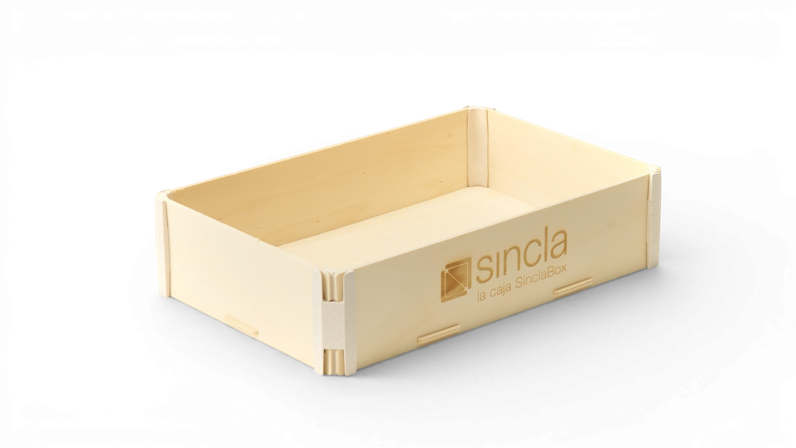
Personalization goes beyond paper. Considering custom wooden boxes or matching labels can create a cohesive and memorable unboxing experience.
Common gift wrapping mistakes
Avoiding these mistakes can significantly improve the presentation of your gifts:
- Cutting the paper too large or too small: Generates excess material or insufficient coverage for the gift.
- Using too much tape: Unsightly finish and difficult to open.
- Not folding the edges: Leaves an uneven and less professional finish.
- Choosing inappropriate paper for the gift/occasion: Diminishes the intention of the gift.
- Ignoring color and texture coordination: A harmonious set is more attractive.
- Wrapping irregularly shaped gifts without technique: Requires more creativity, often using tissue paper or bags as a preliminary step.
In summary, wrapping paper is an essential component of the art of gifting. Its informed choice, combined with careful execution and a personal touch, can transform a simple present into a memorable gesture, increasing the anticipation and enjoyment of the recipient.