The Art and Science of "Cajeando": A Complete Guide to Packaging and Presentation
The essential
- "Cajeando" covers material selection, design, protection, and product presentation.
- Material choice is crucial for packaging safety, aesthetics, and sustainability.
- Personalization goes beyond branding, impacting experience and perceived value.
- Common packaging errors can lead to costs and affect brand image.
The Strategic Importance of Packaging
- ProtectionEnsures the physical integrity of the product throughout the logistics chain.
- MarketingFunctions as an advertising canvas, reinforcing the brand's image and values.
- ExperienceContributes to a memorable and pleasant unboxing experience for the consumer.
- SustainabilityAllows for the choice of ecological options, reducing environmental impact.
- InformationCommunicates essential data about the product, usage, and certifications.
Materials in the Art of Packaging: Choice and Properties
Wooden Boxes and Their Derivatives
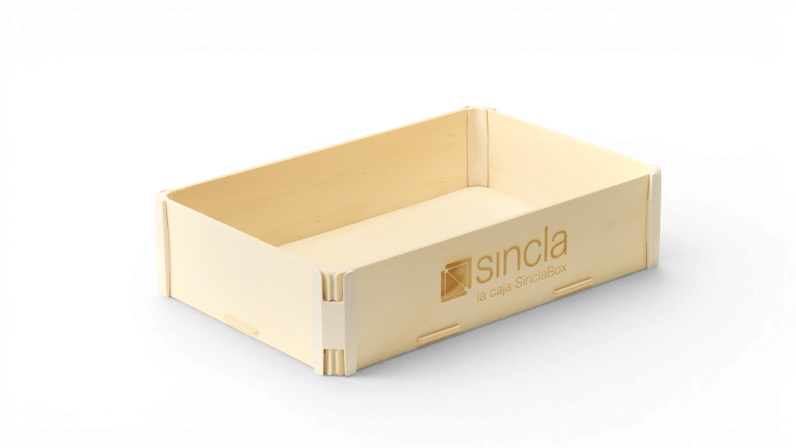
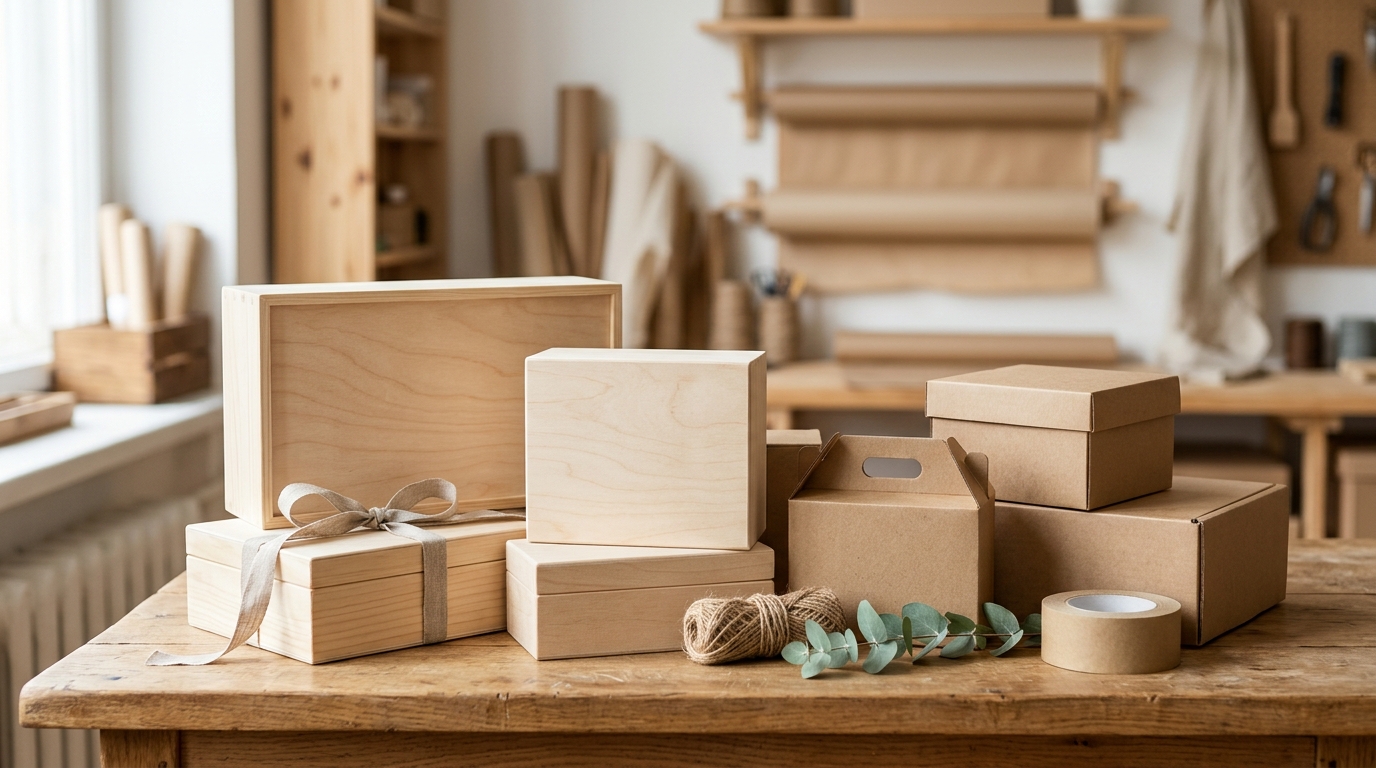
Wooden boxes evoke craftsmanship, durability, and an unmistakable premium touch. They are ideal for high-value products, special gifts, or items requiring robust protection and sophisticated presentation. Within this category, we find several options:
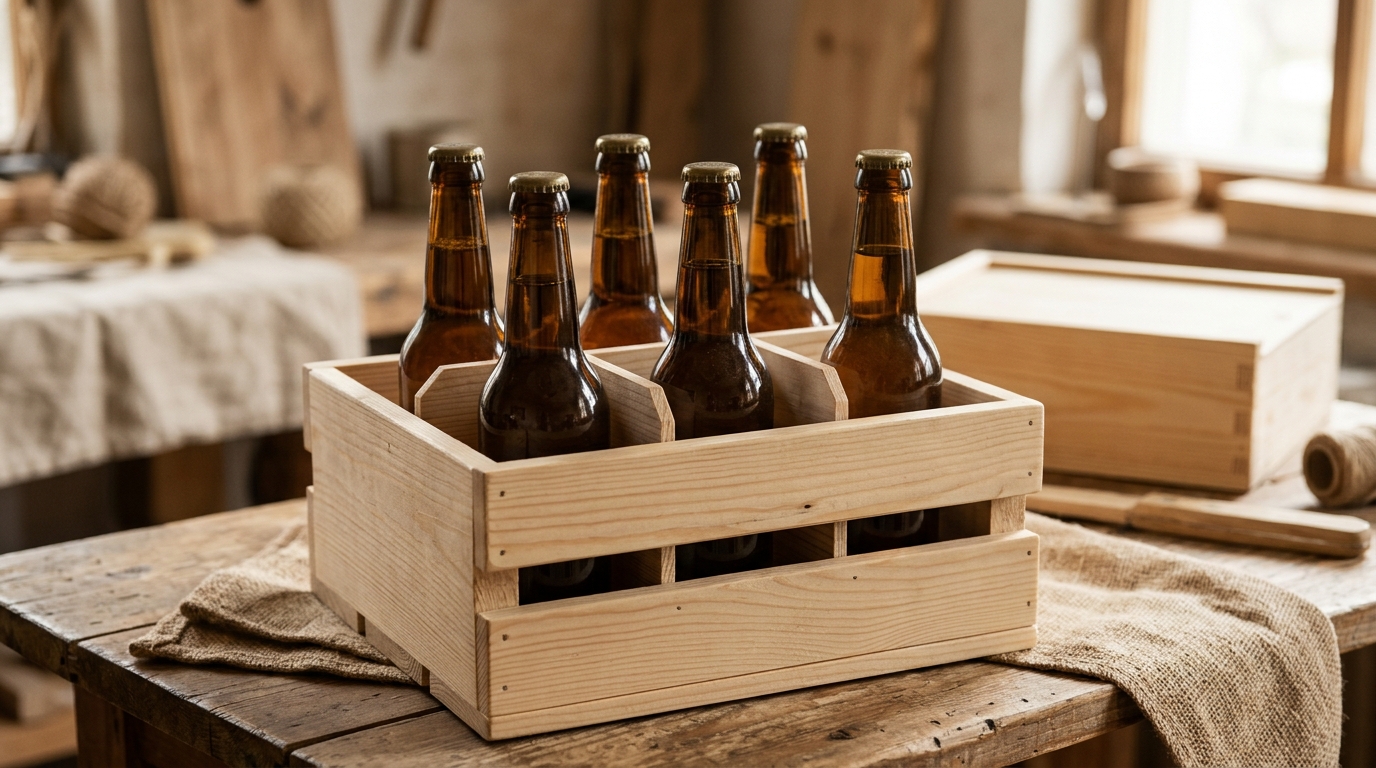
- Solid Wood: Offers maximum resistance and a natural finish. FSC (Forest Stewardship Council) certified wood ensures sustainable forest management. It is often used for luxury items, wine bottles, or as custom wooden boxes for special events.
- Plywood: Formed by thin glued wood veneers, it is lighter and more stable than solid wood, with good resistance to moisture and deformation. It is a versatile option for packaging that requires rigidity and moderate weight.
- MDF (Medium-Density Fibreboard): Composed of wood fibers and resins, it offers a smooth, uniform surface, ideal for finishes such as lacquering or direct printing. Its cost is more contained, and its cutting versatility allows for complex shapes.
Cardboard: Versatility and Sustainability
Cardboard is the king of packaging due to its versatility, lightness, and cost-effectiveness. It is essential to understand its variants:
- Corrugated Cardboard: Its multi-layer structure with one or several corrugated sheets gives it resistance and cushioning capacity. Ideal for transporting goods. It comes in different flutes (single, double, triple) depending on the protection required.
- Kraft Cardboard: A type of virgin or recycled fiber cardboard, recognized for its strength, natural brown tone, and rustic finish. It is highly valued for its ecological aesthetic and its ability to convey a message of sustainability.
- Cardstock or Paperboard: Thinner and lighter, it is used for smaller presentation boxes, product cases, or secondary packaging. It allows for high-quality printing and complex folding.
Choose wisely
When selecting the material, evaluate the product's weight and fragility, shipping conditions, and budget. Water resistance, compression strength, and appearance are key factors.
Other Complementary Materials
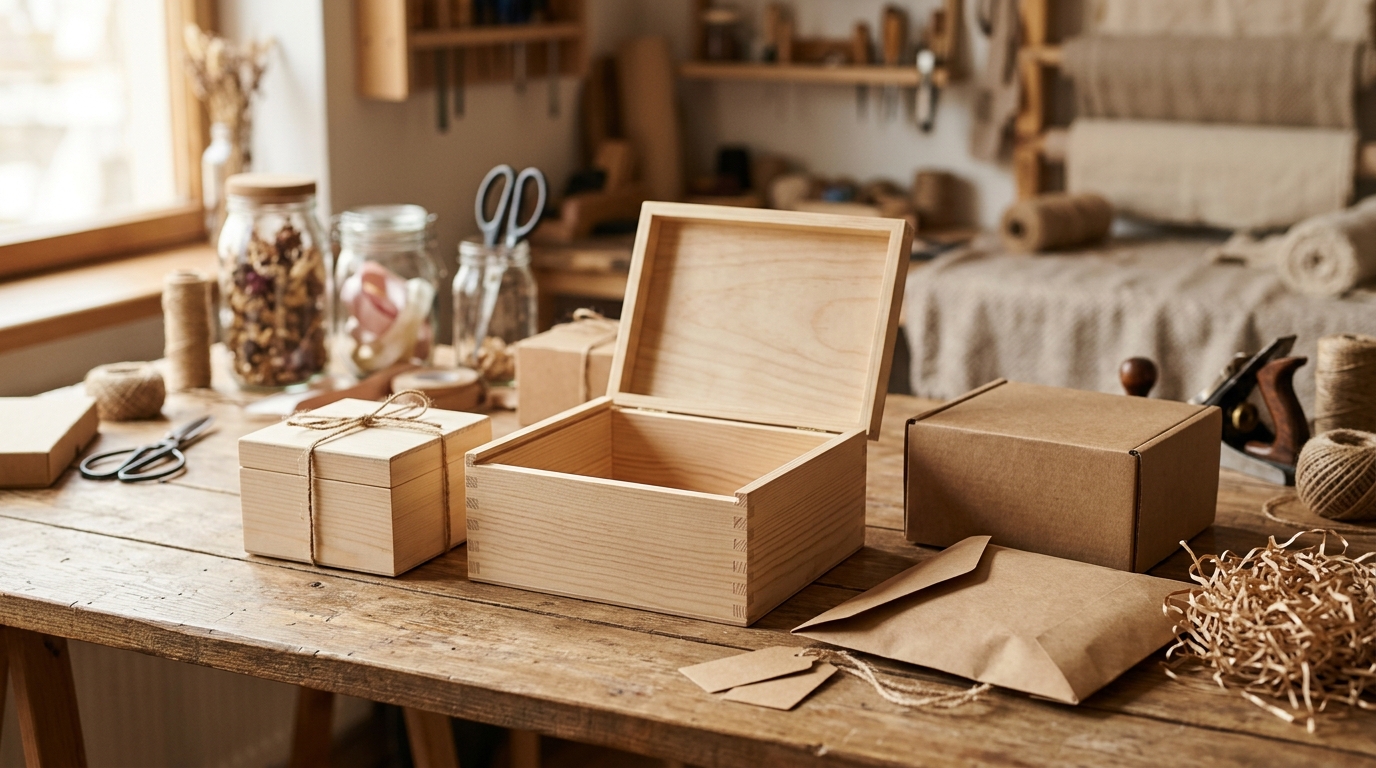
For complete packaging, complementary materials are used:
- Filling Materials: Wood shavings, shredded paper, polystyrene beads, or air bubbles (like those mentioned in the complete guide to bubble wrap) protect contents from impacts and movement.
- Seals and Adhesives: Paper tapes, security tapes, or custom adhesives close and secure the box.
- Accessories: Strings, bows, handles, metal fittings, or textiles to improve aesthetics and functionality. Some of these accessories are linked to the relevance of twine in packaging, for example.
Personalization and Finishes: The Signature of Premium Packaging
Personalization Options and Finishes
- Digital Printing or Screen Printing: Allows reproducing logos, texts, and images with great detail and a wide range of colors. Screen printing is ideal for medium to large runs, while digital printing is perfect for short runs or prototypes.
- Laser Engraving: Offers an elegant and durable finish, especially on wood or metal. It creates a depth effect and a distinctive tactile feel. It is perfect for wedding packaging or communion boxes.
- Pad Printing: Suitable for irregular surfaces, it allows precise ink transfer to objects with complex shapes.
- Hot Stamping: Applies a metallic (gold, silver, copper) or colored foil onto the surface using heat and pressure, achieving a shiny, luxurious effect.
- Die-Cutting: Allows creating custom shapes and windows in the box, adding visual interest and allowing the product to be seen.
- Varnishes and Laminates: Add protection and improve the finish. Varnishes can be glossy, matte, or UV (for a localized relief effect), while laminates offer a plastic layer that enhances resistance and appearance.
The power of first impressions
Premium packaging with careful finishes can significantly increase the perceived value of the product and customer satisfaction.
Key Considerations When "Boxing" a Product
- Define the Purpose: Is it for shipping, gifting, storage, or display? The main objective will guide all other decisions.
- Know the Product: Dimensions, weight, fragility, shape, and potential sensitivities (humidity, light, temperature) will dictate the size, strength, and internal materials of the packaging.
- Optimize Space: Packaging that is neither too large (excessive shipping and material costs) nor too small (risk of damage) is ideal. Efficient use of space is also key for storage and transport.
- Budget: Balance desired quality with cost. Premium materials and special finishes usually imply a higher investment.
- Sustainability: Consider recyclable, biodegradable, compostable, or sustainably sourced materials (like FSC-certified wood). Legislation and consumer awareness increasingly demand ecological options.
- User Experience: Ease of opening, box reusability, attractive design, and tactile feel contribute to a positive experience.
- Regulations: Ensure compliance with any specific regulations for the product type or for international transport.
Common Packaging Errors and How to Avoid Them
Costly mistakes
Inadequate packaging can result in damaged products, returns, customer complaints, and a negative impact on reputation.
Some of the most frequent errors include:
- Undersizing the packaging: A box that is too small or made of insufficient material will not adequately protect the product, especially if it is fragile.
- Over-packaging: Using unnecessary materials or an excessively large box not only increases material and shipping costs but also generates a negative perception of unsustainability.
- Ignoring content fragility: Not using enough cushioning material or not clearly indicating fragility can lead to breakage during transport.
- Inconsistent design: A design that does not reflect the brand or product value can confuse the customer or diminish their perception of quality.
- Lack of relevant information: Omitting barcodes, usage instructions, or certifications can lead to logistical or regulatory compliance problems.
- Not considering the opening experience: Packaging that is difficult to open or lacks an "unboxing moment" can frustrate the customer.
Sustainability in Modern Packaging
Key strategies for sustainable packaging:
- Reduction: Minimize the amount of packaging material used without compromising protection.
- Reuse: Design boxes that consumers can reuse for other purposes (storage, decoration). A simple white box can be an excellent canvas for reuse.
- Recycling: Use easily recyclable materials and communicate this clearly to the consumer. Favor recycled cardboard and plastics with recycled content.
- Biodegradability and Compostability: Explore alternatives that decompose naturally, such as certain bioplastics or organic fillers.
- Monolayer and Monomaterial: Design packaging with a single type of material to facilitate recycling.
- Eco-friendly Ink: Use water-based or vegetable-based inks in printing.
Sustainable packaging is not just a trend, it is a responsibility and a competitive advantage in today's market.
The Process of "Boxing" a Premium Gift
- Base Box Selection: Opt for noble materials such as solid wood, lacquered MDF, or high-density cardboard with special finishes. The size should be just right, creating a sense of exclusivity.
- Design and Personalization: Use laser engraving, hot stamping, UV printing, or a combination for the logo, a personalized message, or an elegant pattern. Consider custom wooden boxes for a unique touch.
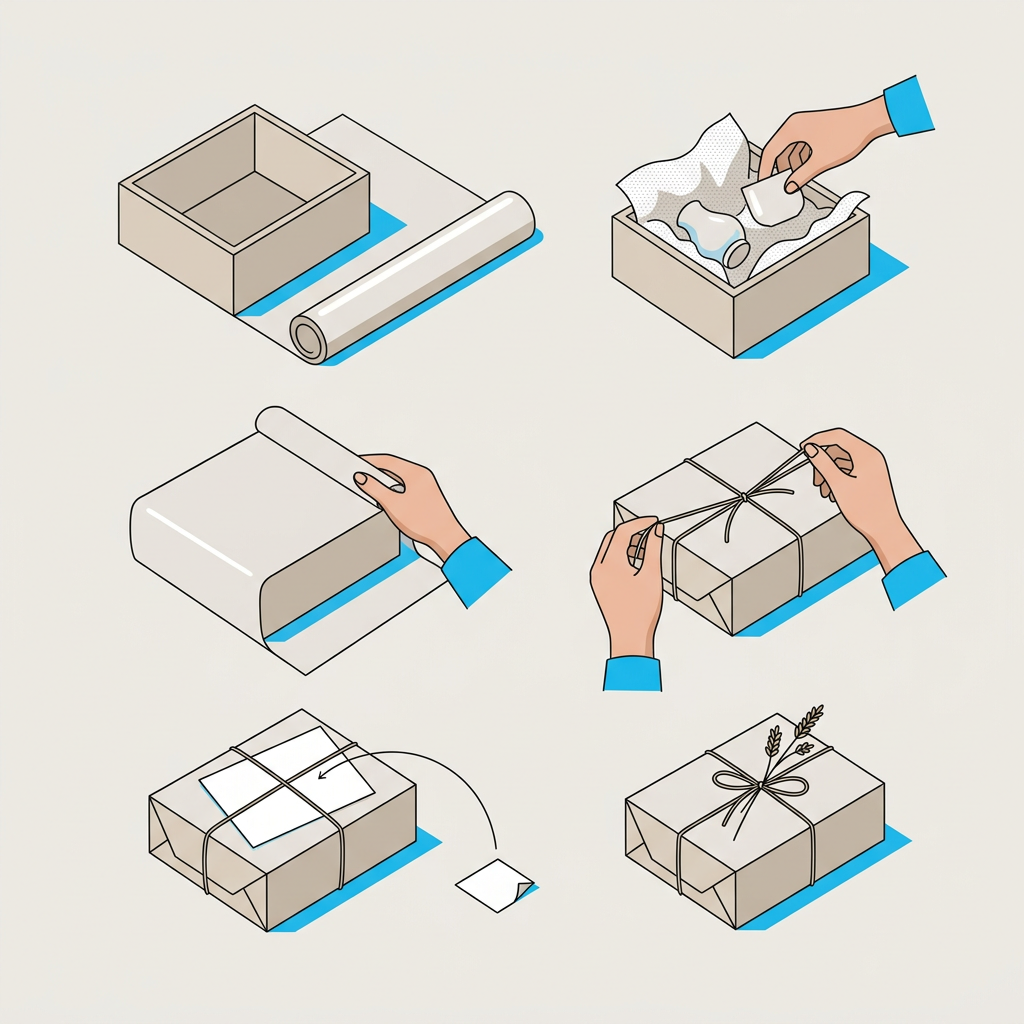
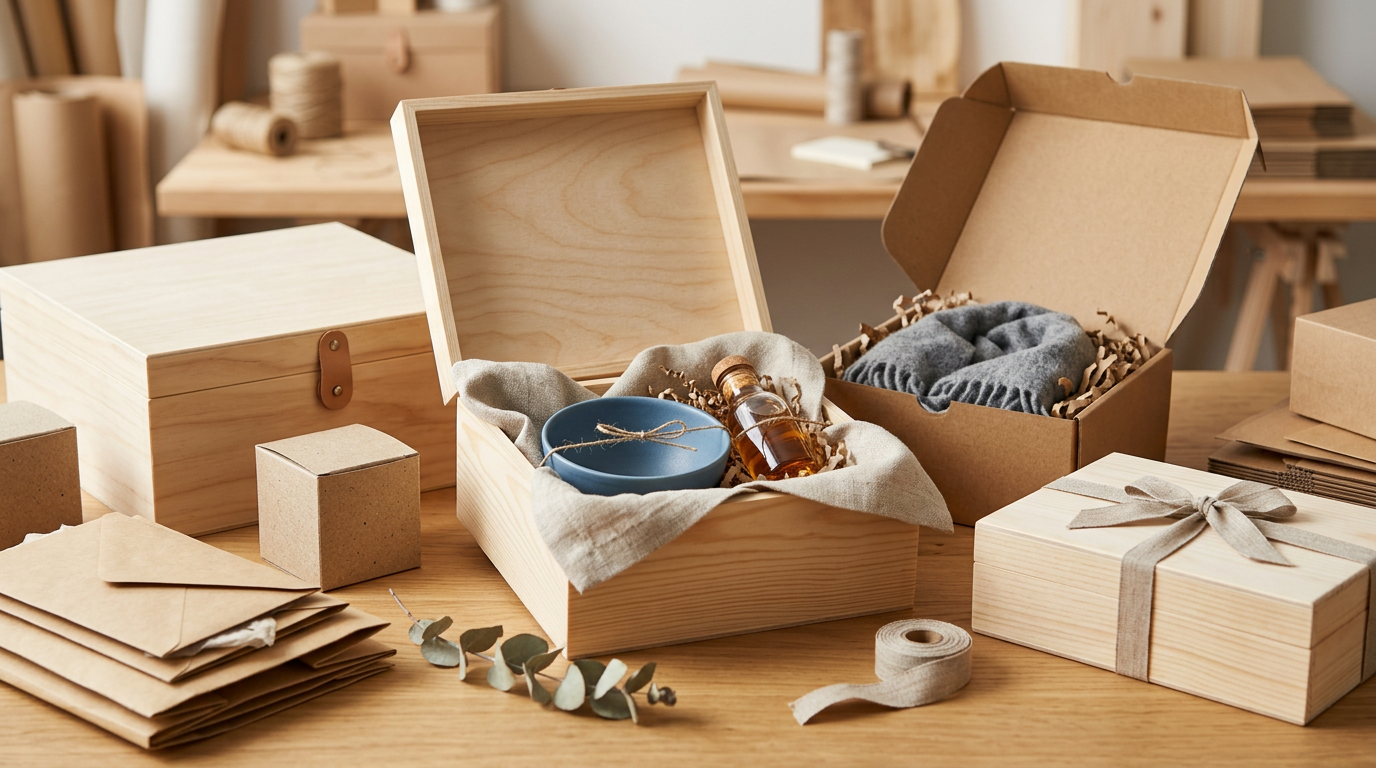
- Filling and Securing: Choose fillers that complement the aesthetic, such as fine wood shavings, tissue paper, preserved moss, or custom-cut high-density foams. The goal is for the product to be perfectly secured and enveloped in softness.
- Finishing Touches: Add satin ribbons, high-quality jute strings, wax seals, or personalized tags. Every detail counts.
- Opening Experience: Design the box so its opening is a ritual, not a chore. Magnetic lids, ribbons to lift the contents, or inserts that gradually reveal the object.