Complete Guide to Choosing Craft Beer Pack Boxes
The brewing industry demands packaging solutions that not only protect bottles or cans, but also faithfully convey the identity and passion of the brewmaster. Choosing the right craft beer pack boxes is a strategic decision that directly impacts both distribution logistics and the final consumer's perception at the point of sale.
The Essentials
- The box material must balance premium aesthetics with structural strength to support the heavy weight of glass and liquid.
- Customization using techniques such as laser engraving or screen printing dramatically increases the pack's perceived value.
- Incorporating internal divider systems is essential to prevent friction and bottle breakage during transport.
- Market demands in 2026 require the use of materials from certified, sustainable sources as an indispensable standard.
The Importance of Packaging in the Craft Beer Industry
The craft beer market is a highly competitive ecosystem where interior product quality is taken for granted. In this context, a product crafted with dedication and premium raw materials needs a presentation to match. A consumer's first interaction with a new brand is usually not gustatory, but purely visual. The box, label, and bottle work together as a silent salesperson on gourmet supermarket shelves, at trade fairs, and in specialty shops.
Unlike industrial beer, which competes primarily on price and volume, craft beer positions itself as an experience, a tasting product, and very often, a gift item. Craft beer pack boxes elevate this consumption experience, transforming a simple grouping of bottles into an exclusive item worthy of collectors or ideal for special occasions.
The Power of Unboxing
The process of opening a high-quality box generates positive psychological anticipation that predisposes consumers to enjoy the beer tasting more, improving the product's organoleptic perception.
Most Commonly Used Materials in Beer Packaging
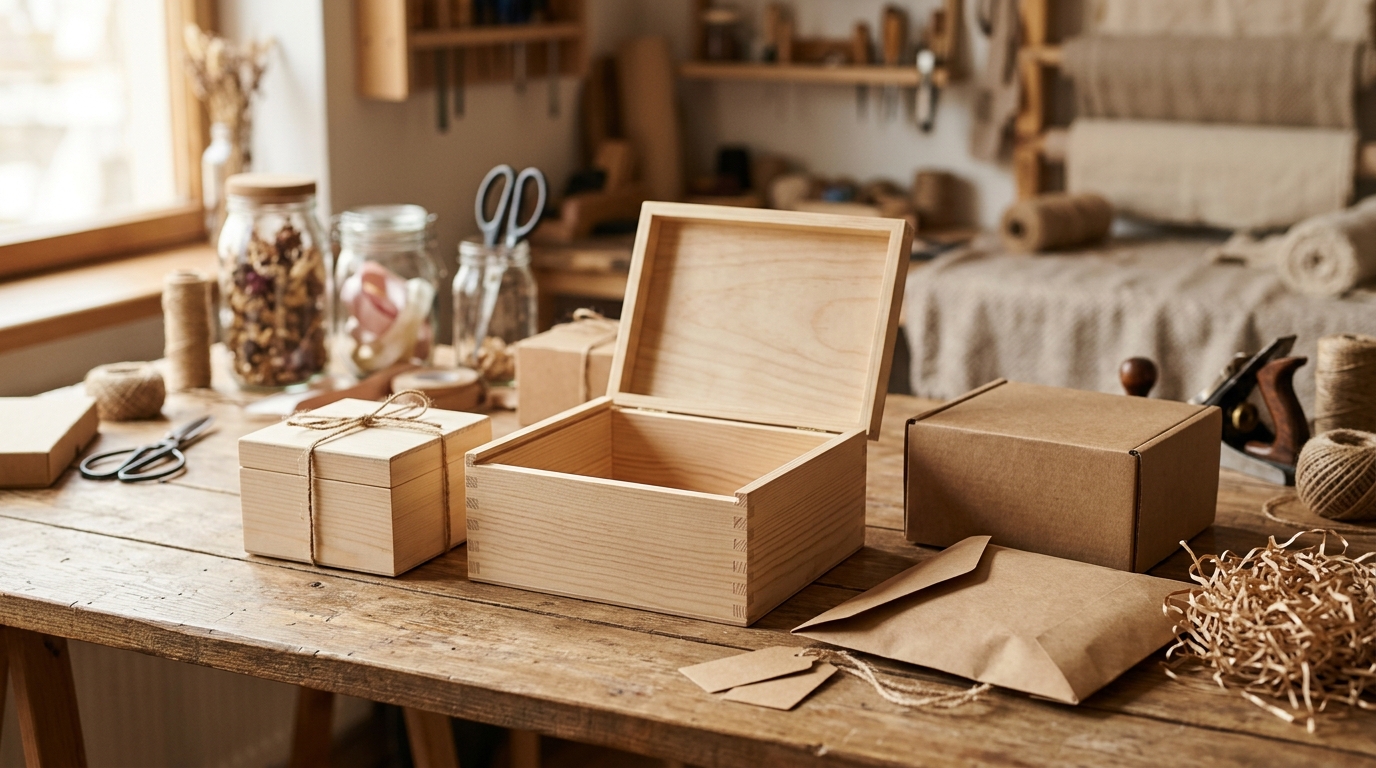
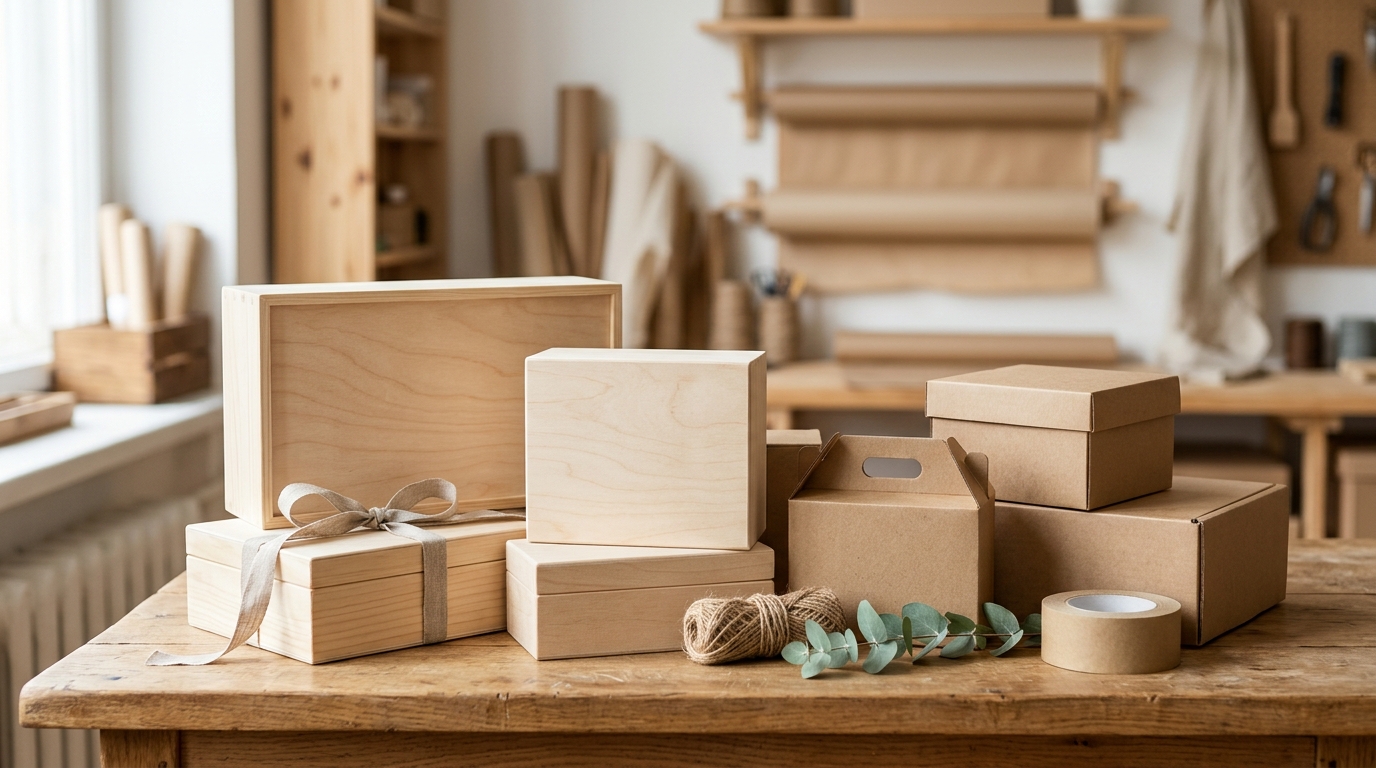
Material selection is the foundation upon which any presentation strategy is built. There must be a perfect balance between aesthetics, structural strength, and cost feasibility. When exploring available options, the industry typically leans toward high-grammage paper derivatives and different types of wood.
| Material | Strength | Aesthetics / Finish | Recommended Use |
|---|---|---|---|
| Corrugated Kraft Cardboard | Medium | Rustic, natural, and approachable | Fast-consumption packs, very large print runs, supermarkets. |
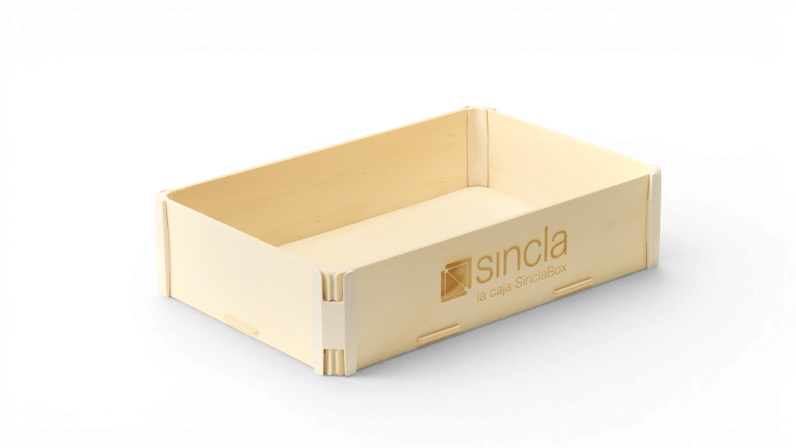
| Plywood (Poplar/Pine) | High | Premium, lightweight, natural grain | Gift boxes, limited editions, tasting and sample sets. |
| MDF (Fiberboard) | High | Smooth, uniform surface | Boxes requiring high-definition, full-color printing. |
| Solid Wood | Very High | Traditional, robust, exclusive | Cellared bottles, large-format special reserves, VIP gifts. |
For truly memorable editions, wood remains the undisputed king. It conveys authenticity, craftsmanship, and deep roots in the land—values that align seamlessly with the philosophy of the craft beer movement.
Formats and Capacities: Tailoring the Box to the Product
The dimensions and interior format of the packaging must adjust with total precision to the type of glass or can. The brewing industry uses a wide variety of containers: from the classic 33 cl Longneck or Steinie bottle, to half-liter formats, up to elegant 75 cl bottles (champagne style) used for mixed-fermentation or barrel-aged beers. 33 cl and 44 cl cans have also gained tremendous traction.
Depending on the microbrewery's commercial objective, the most common craft beer pack box formats are:
- Duos and Trios: Very popular configurations for introducing new styles, aimed at offering customers a mini-tasting experience without requiring a large purchase.
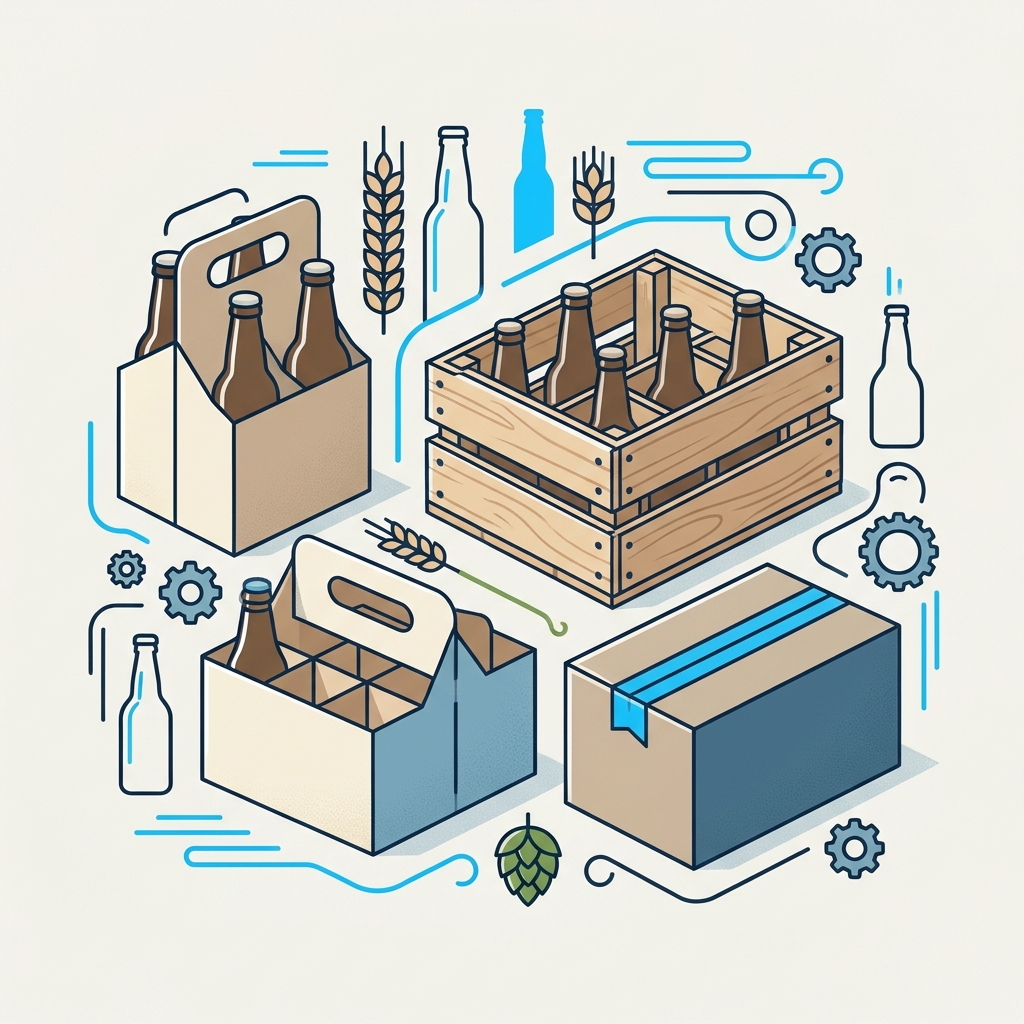
- 4 and 6 Packs (Six-Pack): The classic grouping elevated to a higher tier through the use of wood or premium closures.
- Calendar or Large Tasting Formats: 12 or 24-unit boxes, highly sought after during the holiday season for craft beer advent calendars.
The Value of Mixed Sets
Including a dedicated slot for glassware is an excellent commercial strategy. A pack combining, for example, three different beers with a Teku glass or a screen-printed pint glass substantially increases the average order value and helps build brand loyalty in the consumer's home.
Keys to Ensuring Protection During Transport
Glass and liquid make for a heavy and extremely fragile combination. One of the top priorities when searching for Custom Boxes: Keys to Protecting Your Shipments is ensuring that the engineering design prevents any unwanted movement or internal friction.
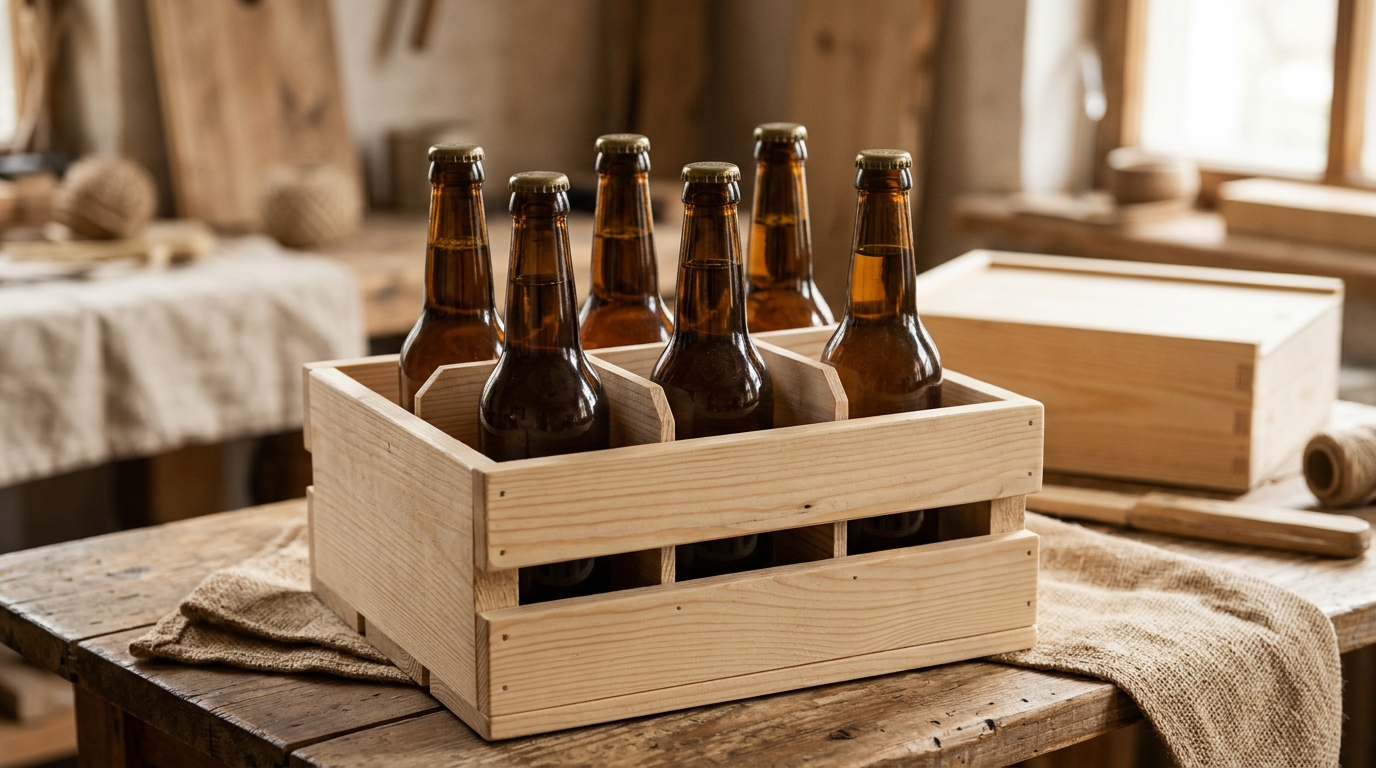
It is a common mistake to invest in a magnificent outer box while neglecting the interior. Craft beer pack boxes must include an internal divider system, also known as partitions or cell inserts. These dividers, typically made from high-grammage interlocking cardboard or the same wood sheet as the outer packaging, prevent bottles from colliding with each other due to vibrations during ground transport or warehouse handling.
Watch Out for Temperature Changes
Beer is a living product that frequently passes through cold storage. It is critical that the chosen materials, especially the assembly adhesives, can withstand thermal shifts and surface condensation without the structure warping or weakening.
Customization Options to Stand Out at the Point of Sale
The container must faithfully communicate the values of the contents. The brewery's logo, artwork, beer name, and tasting notes are elements that must be rendered clearly. Today, multiple marking techniques exist to turn a generic box into a unique piece of branding:
-
Laser Engraving: Subtly and precisely burns the surface of the wood. It achieves a permanent, rustic, and highly elegant finish that evokes tradition.
-
Screen Printing: The ideal technique for applying solid, opaque brand colors, ensuring the design boasts high visibility from a distance on retail shelves.
-
Hot Stamping: Adds metallic accents (such as gold, copper, or silver). It is perfect for prestige releases, such as barrel-aged beers.
-
Sleeves and External Labels: As a complement, mastering the art of how to customize wooden boxes with labels allows brands to adapt the same packaging for different seasonal campaigns (Christmas, Father's Day) at minimal cost.
Sustainability: The Essential Requirement in 2026
Modern craft beer consumers are deeply conscious of environmental protection. Spectacular packaging that generates unnecessary waste or uses non-recyclable plastics severely harms brand image. For this reason, choosing renewable, biodegradable resources or those that are part of a circular economy cycle is not merely an ethical stance, but a market imperative.
Truly sustainable packaging has ceased to be an alternative and has become the only viable way to present a premium product to today's audience.
Ensuring that suppliers use wood sourced from responsibly managed forests (FSC or PEFC certifications) and that the printing inks used are water-based and free of heavy metals are details that brands should actively communicate on the box itself to connect with their customers.
How to Plan Your Packaging Design
Tackling a project for custom packaging: keys to differentiating your brand requires foresight and a systematic approach. Developing packaging for beer sets should not be left to the last minute; it follows a well-structured workflow:
- Needs and format analysis. Accurately determine the dimensions of the bottle or can (maximum diameter, height, neck curve, weight) and the number of units that will make up the retail pack.
- Material selection and opening style. Choose between sliding lid boxes, hinged lid cases, or open carrier formats like crates or caddies with handles.
- Technical prototyping. Produce a blank sample unit to verify the actual fit of the containers, ensuring the internal dividers perform their immobilization role effectively.
- Graphic design and prepress. Adapt final artwork to the selected marking technique, paying close attention to margins, bleed areas, and legibility on porous, textured substrates.
- Production and assembly. Plan mass production to ensure logistics timelines align seamlessly with the bottling schedule and the commercial release of the beer.