The Essentials
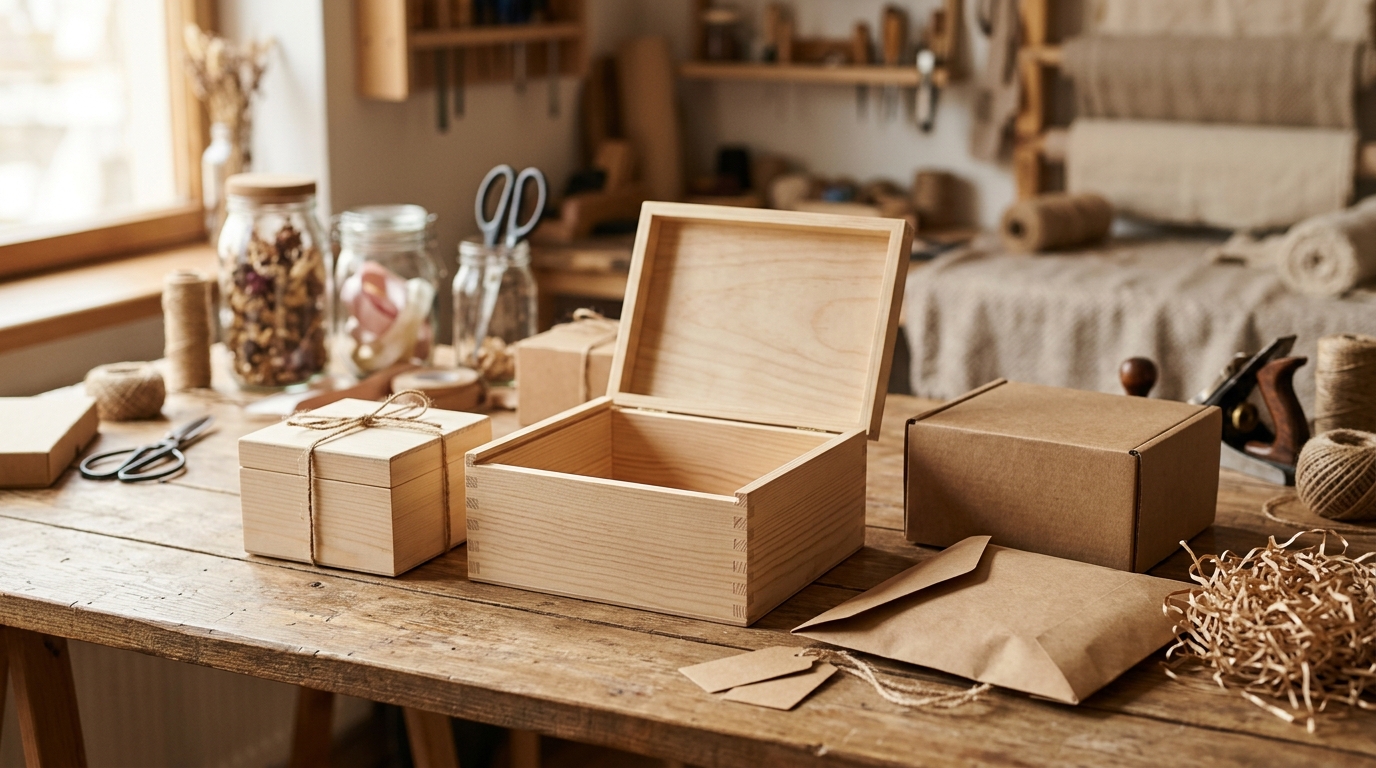
- The use of natural materials such as certified wood and kraft cardboard elevates the product's perceived quality.
- Customization through techniques like laser engraving or screen printing helps build a solid and recognizable visual identity.
- A design intended for reuse extends the packaging's lifespan and keeps the logo visible in shoppers' homes.
Why Look for Creative Packaging Ideas for Retail Stores in 2026
Well into 2026, product presentation directly influences purchasing decisions and repeat purchase rates. Today's consumers are highly informed and value details that demonstrate a genuine commitment to quality and the environment. Seeking creative packaging ideas for retail stores responds not only to an aesthetic need, but also to market demand for reducing single-use plastics in favor of nobler, more environmentally friendly alternatives. Physical retail uses packaging as a visual hook in storefronts and on shelves, while e-commerce relies on it to ensure merchandise arrives in pristine condition and makes a positive impression upon opening. Good design strikes a balance between protective functionality and visual appeal that invites being photographed and shared on social media, thus serving as an organic marketing tool.The Value of Forestry Certifications
When selecting wood-derived materials, it is essential to verify that they carry the FSC or PEFC seal. These certifications guarantee internationally that the raw material comes from responsibly managed forests, a factor increasingly demanded by European regulations and consumers alike.
Natural Materials: The Foundation of Premium Packaging
Wood and Engineered Wood
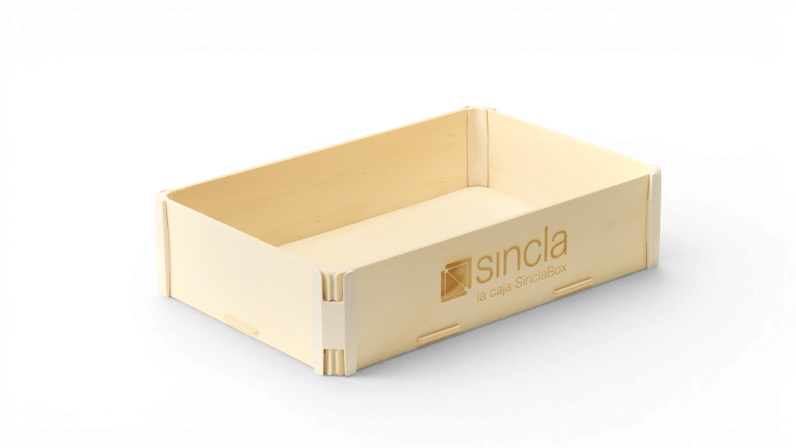
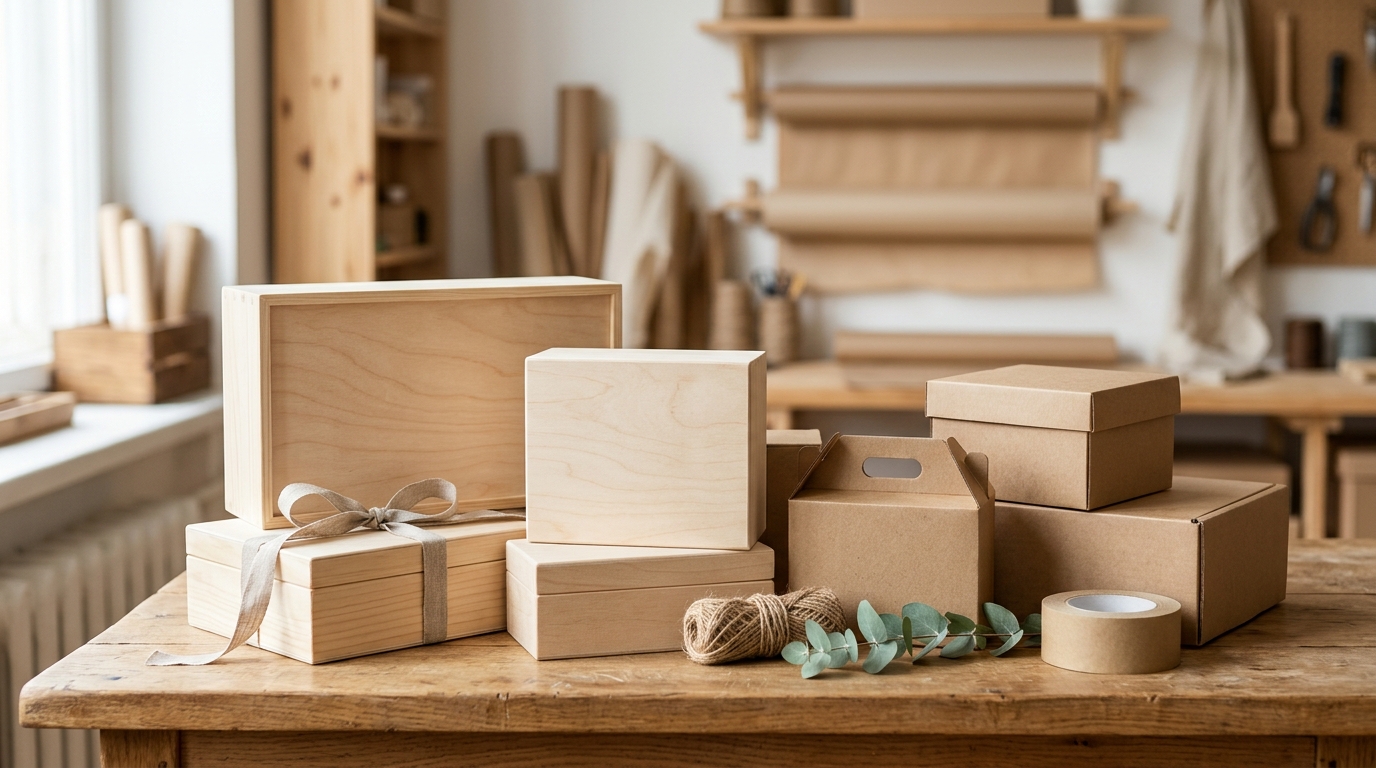
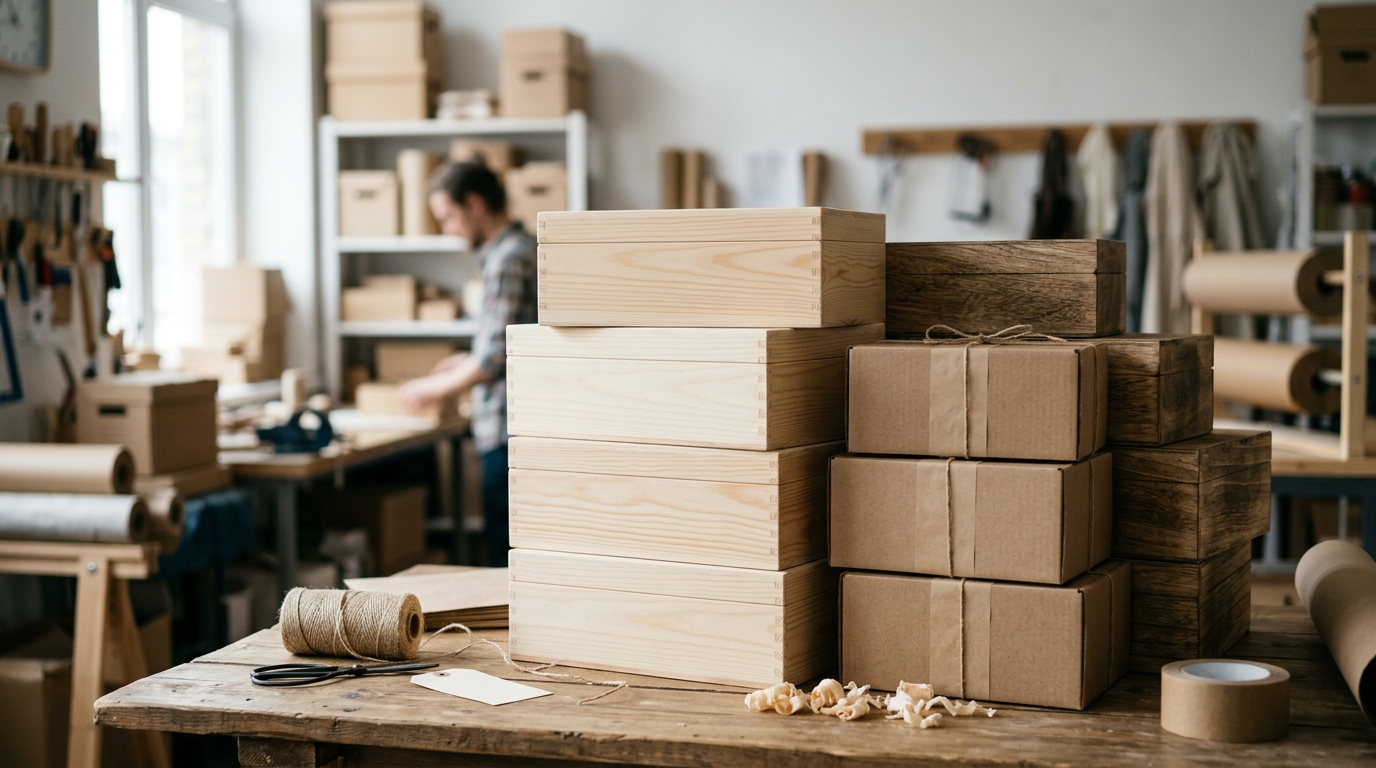
Wood provides unmatched sturdiness and warmth. It conveys tradition, craftsmanship, and durability. Different formats are available depending on the weight and volume of the merchandise: * Plywood: Offers an excellent balance between strength and lightness. It is ideal for manufacturing interlocking boxes that do not require complex adhesives. * MDF (Medium-Density Fiberboard): Stands out for its smooth, uniform surface, making it exceptionally easy to apply printing or lacquering techniques. * Solid Wood: Usually reserved for luxury items, aged wines, or limited editions due to its greater weight and cost. In this area, exploring options like Wooden boxes: a gift packaging guide can prove very useful for gourmet items.Kraft and Corrugated Cardboard
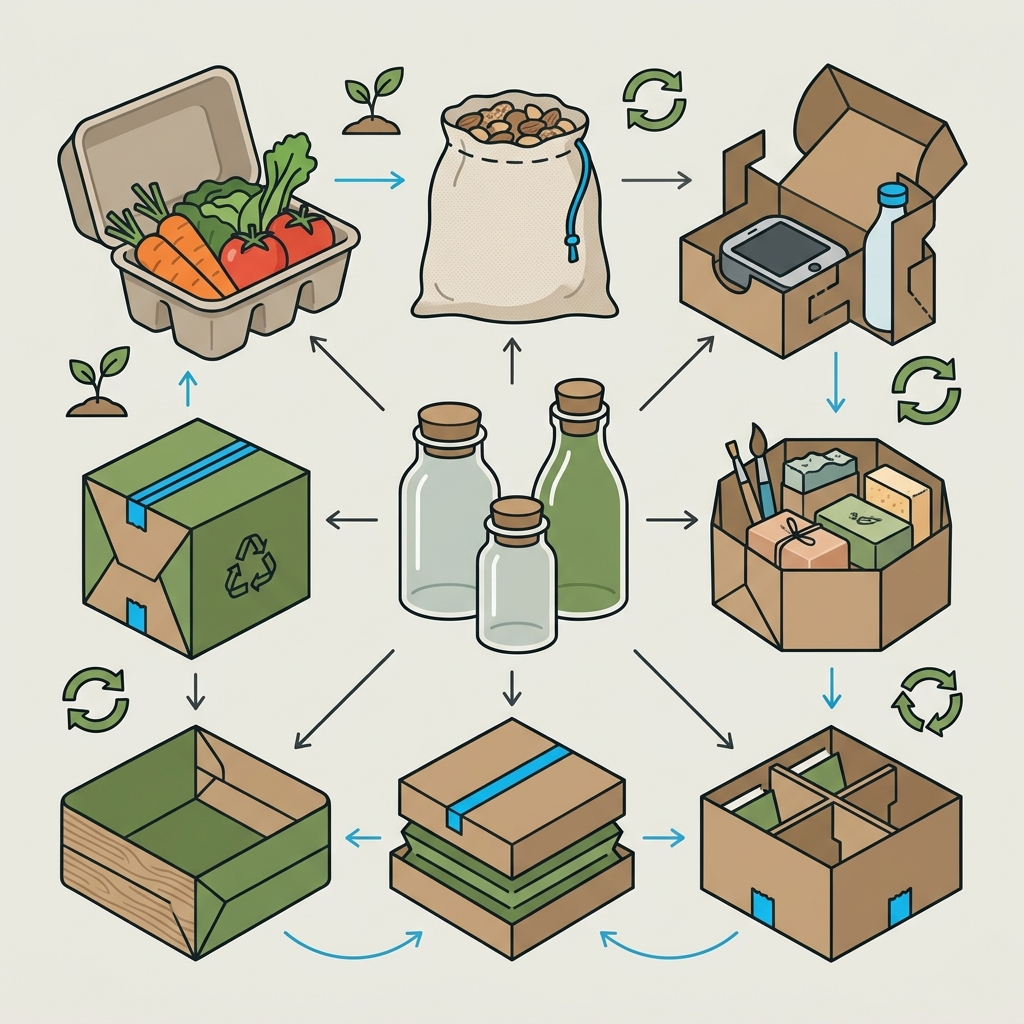
Kraft cardboard is the undisputed king of home deliveries thanks to its light weight and affordable cost. Its natural brown tone evokes sustainability and simplicity. For fragile items, corrugated cardboard adds layers of air between its flutes that act as shock absorbers against impacts during transit.- ProtectionThe material's ability to absorb impacts and prevent breakage during transit.
- ReusabilityStructural design that allows the end user to repurpose the container in their home.
- StorageEase of stacking boxes in the warehouse, preferably using self-assembling formats.
- AssemblyTime required by employees to prepare the package before handing it over or shipping it.
Customization: The Secret to Being Remembered
A generic box fulfills its protective role, but it wastes a valuable branding opportunity. Developing Custom packaging: keys to differentiate your brand involves applying visual and tactile elements that make the container unique. Several industrial techniques cater to different budgets and production volumes:| Technique | Ideal Material | Finish and Characteristics |
|---|---|---|
| Laser Engraving | Wood, MDF, Plywood | Bas-relief finish, natural toasted tone, indelible, and very elegant. Does not support color. |
| Screen Printing | Wood, Cardboard | Allows the use of brand colors using spot inks. Ideal for large logos. |
| Pad Printing | Irregular surfaces | Ink transfer via a silicone pad, perfect for fine details. |
| Hot Stamping | Premium cardboard | Application of metallic foils (gold, silver, copper) through heat and pressure. |
The Power of Labels
For businesses with constantly changing collections, using neutral boxes and personalizing them with printed paper sleeves or high-quality stickers is a very cost-effective strategy that saves on direct printing costs.
Design Strategies for a Memorable Experience
When exploring various creative packaging ideas for retail stores, it is vital to understand that aesthetics must go hand in hand with the user experience. The moment a buyer opens the box—known as unboxing—creates a deep psychological impact. If positive, the likelihood of them sharing their experience and purchasing again increases considerably.The Inside Matters Just as Much as the Outside
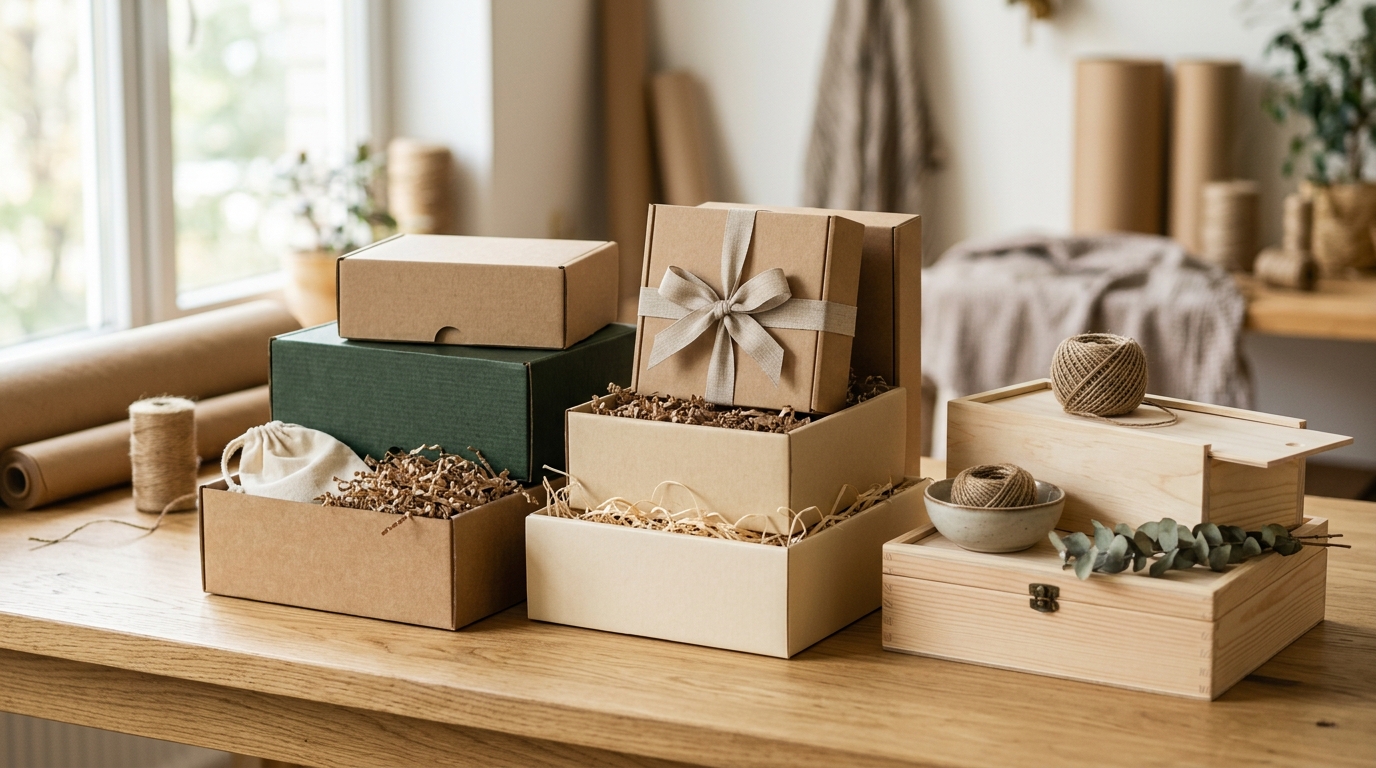
A large portion of the budget is often spent on the visible exterior of the packaging, neglecting the interior. Filling empty spaces with natural wood shavings, custom tissue paper, or custom die-cut cardboard inserts prevents the item from shifting during transit and adds an engaging texture. Including a handwritten thank-you note or a small unexpected gift elevates the perceived closeness and exclusivity of the transaction.Tailoring to the Sales Channel
Where the delivery takes place dictates structural design. In a physical store, sturdy bags or boxes with built-in handles facilitate transport on foot and act as mobile billboards on the street. On the other hand, home deliveries face rigorous logistics processes. In this context, turning to Custom e-commerce boxes: the ultimate packaging guide helps in understanding the need for robust, tamper-evident formats featuring security tape or tamper-proof closure systems.Packaging is the only marketing channel guaranteed to reach 100% of the customers who make a purchase.
How to Implement New Packaging Step by Step
Upgrading product presentation requires structured planning to avoid unexpected costs or stockouts.- Inventory audit. Analyze the dimensions and weights of all products sold. Group them by size to minimize the number of different box SKUs required.
- Budget definition. Establish the maximum cost per shipping unit, taking into account not only materials, but also handling time and the impact on dimensional shipping costs.
- Supplier selection. Look for manufacturers that offer low minimum order quantities for testing, hold sustainability certifications, and ensure fast reorder lead times.
- Prototyping and stress testing. Before placing a bulk order, request physical samples to check how the items fit. Conduct test shipments via standard courier agencies to verify drop and impact resistance.
- Rollout and communication. Once implemented, leverage the change to create social media content, explaining the reasons behind the upgrade to your audience (such as the transition to more eco-friendly materials).
Common Mistakes to Avoid
In the search for creative packaging ideas for retail stores, it is easy to fall into traps that undermine profitability or brand image. The most frequent mistake is overpackaging, where multiple unnecessary layers are used (bubble wrap, foam, inner box, outer box), frustrating the user upon opening and generating an unjustifiable amount of waste. Another common pitfall is ignoring the physical constraints of the store or warehouse. Purchasing bulky, pre-assembled boxes to lower unit costs can become a serious logistical headache if sufficient storage space is unavailable. Self-assembling solutions, which arrive flat and fold together at the time of use, are the standard choice for optimizing storage space.Watch Out for Dimensional Weight
In e-commerce, shipping carriers calculate rates based on the box's size in addition to its actual weight. Using oversized boxes for small products will dramatically increase logistics costs for every shipment.
Visual Impact and Packaging Reusability
Designing with the object's second life in mind is one of the strongest trends in 2026. Plywood boxes, for instance, rarely end up in the trash. They are often reused at home to organize toys, store tools, hold kitchen spices, or simply serve as decorative pieces. This reusability means the logo engraved on the material will remain visible for years, creating ongoing brand recall at no extra cost. To encourage this, the design should be elegant and not overly promotional. A subtle logo and a polished finish are far more inviting for preservation than packaging cluttered with marketing slogans and barcodes. In conclusion, innovating item presentation is a strategic investment. By choosing materials from responsible sources, applying precise customization techniques, and optimizing formats for the operational and physical realities of the business, brands can build a lasting competitive edge that radically improves end-customer satisfaction.Frequently Asked Questions
What materials are most sustainable for retail store packaging?
The most sustainable materials are those derived from renewable sources that are easily recyclable or biodegradable. Kraft cardboard, recycled paper, and wood sourced from FSC- or PEFC-certified forests are prime choices, provided the use of unnecessary adhesives or plastics is kept to a minimum.
Is wooden packaging more expensive than cardboard?
Generally, wooden containers (such as plywood or MDF) carry higher manufacturing costs than corrugated cardboard. However, their use adds a premium perceived value to the product, provides better protection for fragile or heavy items, and promotes reuse, which justifies the investment for mid- to high-end products or gifts.
How does dimensional weight affect e-commerce shipments?
Shipping companies calculate rates by comparing a package's actual weight to its physical volume (the space it occupies in the delivery van). If an oversized box is used for a lightweight product, billing will be based on volume (dimensional weight), significantly driving up shipping costs. This is why tailoring the packaging size to the product is critical.
Which customization technique is best for short runs?
For short runs or limited editions, laser engraving is usually the most efficient option since it does not require the creation of costly screens or plates as screen printing does. In addition, laser engraving offers pinpoint precision and a highly refined finish on wood or rigid cardboard surfaces.