Boxes for Christmas? Order as early as you can: the factory gets overloaded and lead times get longer.Last day to order up to 1,000 boxes: 25 October 2026.See all deadlines
Cost Optimization in Packaging: Strategies for Cost-Effective Solutions
Jon Marco
Sustainable packaging, automation, supply chain collaboration, and specialized consulting are just some of the tools available to companies looking for cost-effective solutions.
Packaging, or wrapping, goes far beyond being a simple protective layer for products. It is a crucial component that has the power to influence customer perception and, ultimately, purchasing decisions. In a world where first impressions are fundamental, good design and material choices can turn occasional customers into loyal followers. However, like many other aspects of business, packaging is not exempt from costs, and finding cost-effective solutions is essential to ensure the viability of any business project.
The essentials
Packaging significantly impacts brand perception and purchasing decisions.
Global demand for packaging, especially in e-commerce, is increasing alongside environmental concerns.
Cost-effective packaging strategies include material choice, size optimization, automation, sustainable options, and supply chain collaboration.
Expert consultation can identify significant cost-saving opportunities.
The impact of packaging on the economy and the environment
The demand for packaging globally has increased considerably in recent decades, reaching astronomical figures. According to recent statistics, global plastic use has exceeded 460 million metric tonnes, and packaging accounts for 31% of that total. This growth is driven, in part, by the rise of e-commerce and global consumption, but it also poses serious environmental challenges.
Packaging Market Growth
The global packaging market is projected to grow from 338.34 billion dollars in 2021 to 478.18 billion in 2028, with a significant shift towards sustainable solutions.
The global packaging market, especially in sectors such as food, is enormous. The value of this sector is expected to grow from 338.34 billion dollars in 2021 to 478.18 billion in 2028. As the market grows, so do consumer expectations, who are looking for more sustainable and ecological packaging solutions. The market for biodegradable materials is projected to exceed 169 billion dollars by 2032, indicating a clear trend towards environmentally conscious packaging.
Custom wooden boxes
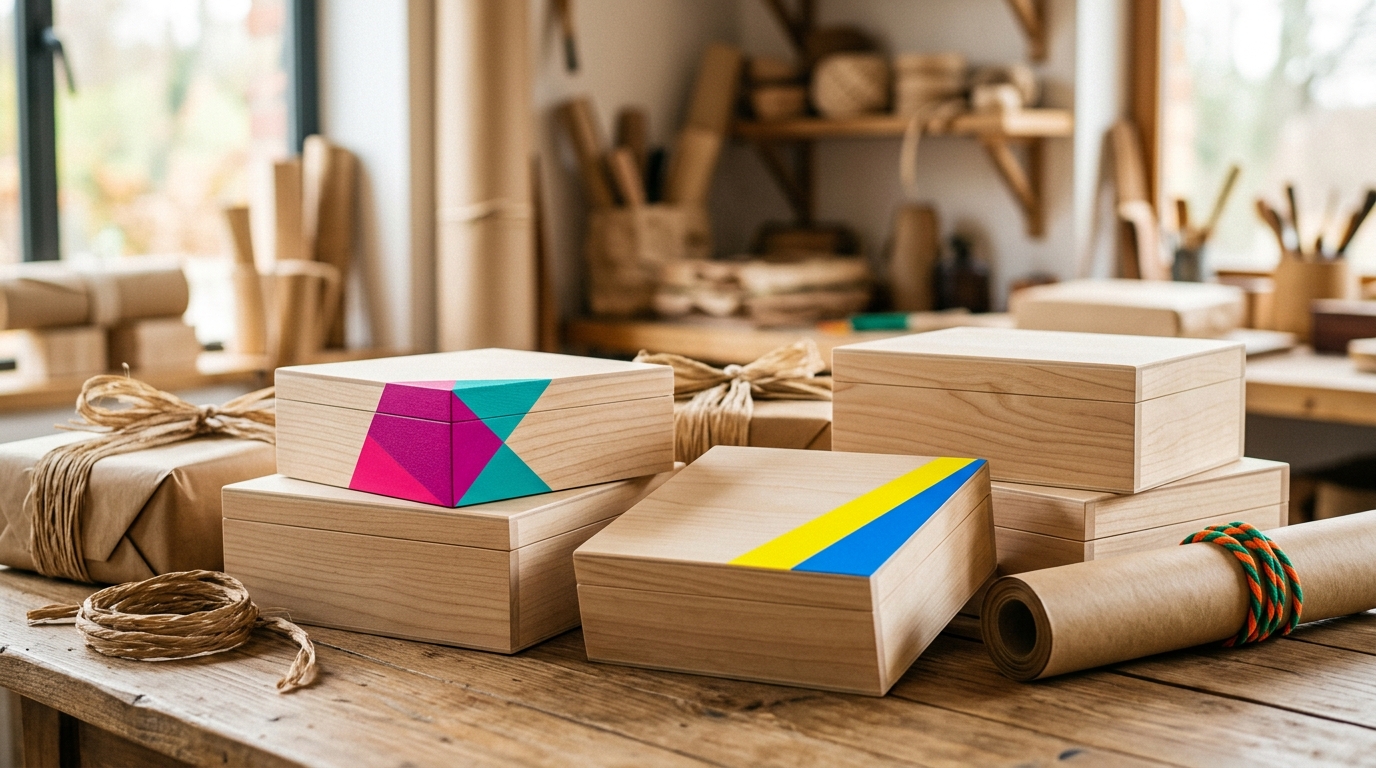
Discover our wooden boxes for packaging, hospitality, events and more. In-house manufacturing and full customisation.
Strategies for more economic and efficient packaging
For many companies, packaging costs represent a considerable part of their budget, making it necessary to look for solutions that not only reduce expenses but also maintain product quality and attractiveness. Below, we explore some strategies that can help reduce costs without compromising packaging quality.
1. Choosing appropriate materials
One of the most determining factors in packaging cost is the material chosen. Common materials such as cardboard, plastic, and paper vary considerably in price, durability, and sustainability. The increase in raw material prices, such as plastic, has led to an increase in packaging costs, which has led many companies to seek more economic and sustainable alternatives.
For example, the use of recycled or biodegradable materials can not only reduce long-term costs but also improve brand perception among consumers who are increasingly concerned about the environment. However, finding the balance between cost, functionality, and sustainability is crucial. Buying materials in bulk or negotiating prices with suppliers can be an excellent way to optimise costs.
For example, Sincla offers more than 700 models of customised and self-assembly wooden boxes. It is a perfect solution for those looking for special packaging.
2. Reducing size and weight
The size and weight of the packaging also play an important role in the final cost. The larger or heavier the packaging, the higher the production and shipping cost. In addition, using disproportionately large packaging may require more filling and increase storage space, which negatively impacts profit margins.
Reducing unnecessary empty space and opting for lighter packaging materials can significantly cut down production and shipping costs while also improving environmental impact.
The solution is simple: optimise the size of the packaging according to the product. Reducing unnecessary space and using lighter packaging will not only reduce direct costs but also have a positive impact on the company's ecological footprint. Some companies, such as Amazon, have implemented machine learning tools to calculate the optimal size of each package, thus optimising costs and environmental impact.
3. Automation and technology
Technology and automation have revolutionised many aspects of the packaging industry. Automated sealing machines, for example, can significantly reduce the time and effort required to package products, eliminating the need for manual processes such as taping or sealing. This not only improves efficiency but also reduces labour costs.
Automated Sealing Reduces manual labor, improving efficiency and cutting costs.
Advanced Management Systems Tools like barcode scanning and RFID streamline inventory and storage.
Order Processing Automation Increases speed and accuracy, leading to higher customer satisfaction.
On the other hand, technology can also optimise storage and inventory management. Implementing advanced management systems, such as barcode scanning or radio frequency identification (RFID), facilitates the organisation of packaging materials, saving time and resources. In addition, automation in order processing and packaging improves speed and accuracy, which translates into greater customer satisfaction.
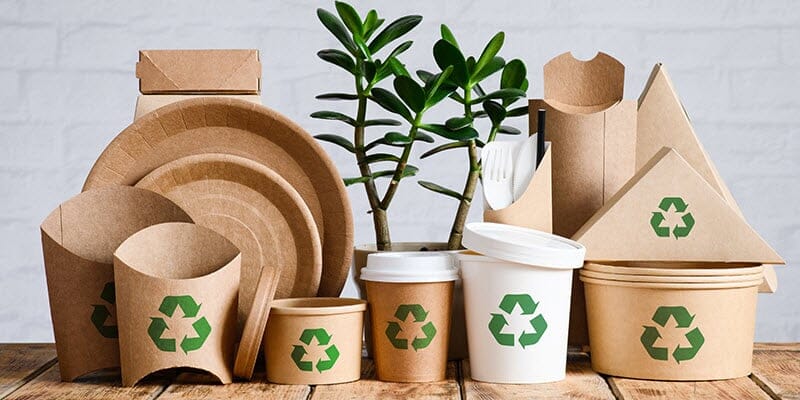
Sustainable packaging refers to the use of materials that have a lower negative impact on the environment throughout their life cycle. As consumers become more aware of environmental impact, the demand for eco-friendly packaging solutions has grown. In fact, a study revealed that 74% of consumers would be willing to pay more for sustainable packaging.
Adopting sustainable packaging not only reduces environmental impact but also aligns with modern consumer values, fostering long-term loyalty.
Innovations in the field of sustainable packaging are diverse and range from packaging made from mushrooms or sugar cane to plant-based bioplastics. Edible packaging, such as the coffee cups developed by KFC, is another innovative example that completely eliminates waste. By adopting these types of solutions, companies not only reduce their environmental impact but also align with the values of modern consumers, gaining long-term loyalty.
5. Optimising packaging design
Packaging design not only affects the product's aesthetics but also its cost. Optimising the design can make a big difference in terms of profitability. For example, the European Federation of Corrugated Board Manufacturers (FEFCO) has developed a series of standard designs that ensure efficiency in the use of materials. These designs not only minimise waste but are also easily customisable to adapt to the specific needs of each product.
Standard packaging designs, like those from FEFCO, enhance material efficiency, reduce waste, and allow for easy customisation, impacting profitability.
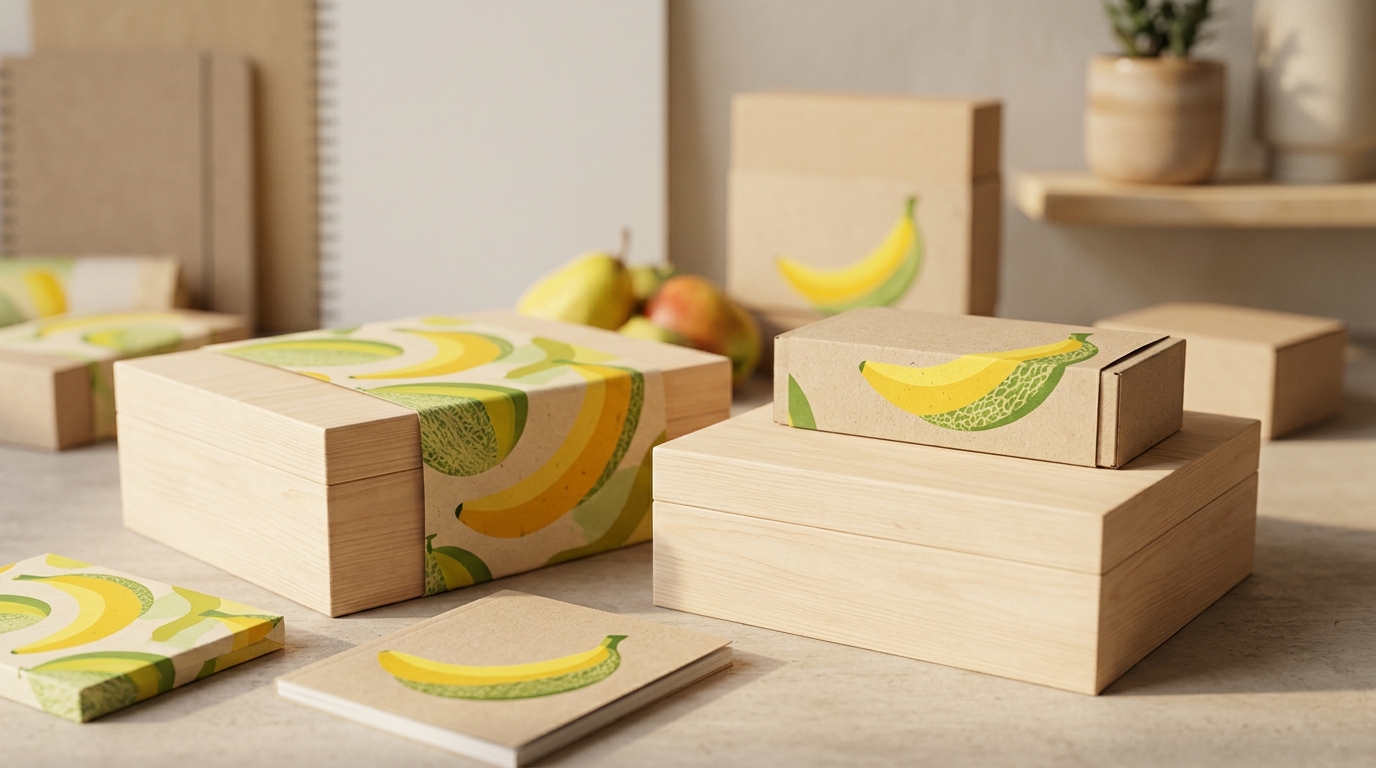
Efficient design can also reduce shipping costs. Using custom packaging that fits the product perfectly eliminates the need for unnecessary fillers and reduces dimensional weight charges in transport. In addition, simplifying graphic design, using plain packaging with customised labels, can be a cost-effective solution for small businesses.
6. Supply chain collaboration
Working collaboratively with suppliers and other supply chain partners can be an effective strategy for reducing packaging costs. For example, buying materials in bulk or sharing storage spaces can generate significant savings. In addition to this, collaborative demand planning allows anticipating packaging needs, thus avoiding delays and optimising inventory levels.
Integrating the supply chain with key partners can also help reduce waste and improve the overall efficiency of the packaging process. By sharing information on demand trends and sales forecasts, companies can adjust their orders and packaging operations accordingly, reducing unnecessary costs.
7. Expert packaging consultancy
Consulting a packaging expert can be an investment that, in the long run, proves to be extremely profitable. Packaging experts can analyse current solutions and propose alternatives that reduce costs without compromising quality. In addition, they can help optimise production and storage processes, identifying areas for improvement that may not be obvious to the company.
Investment in Expertise
A specialised packaging consultant can identify critical areas for improvement in production and storage, leading to significant long-term cost reductions and efficiency gains.
A specialised consultant can, for example, identify opportunities to combine different packaging materials or adjust processes to improve efficiency. As the market becomes more competitive, having a specialised approach can make the difference between an efficient packaging operation and one that generates unnecessary costs.
The economics of packaging is a crucial aspect for any company selling physical products. From material selection to automation and design optimisation, there are numerous strategies that can help reduce packaging costs without compromising quality or environmental impact.
Sustainable packaging, automation, supply chain collaboration, and specialised consultancy are just some of the tools available to companies looking for cost-effective solutions. Now is the time to implement these strategies and start optimising packaging costs to improve business profitability and sustainability in the long term.