Duct tape: Uses, types, and selection criteria for professionals
The essentials
- Duct tape is a versatile, strong, and flexible adhesive, ideal for multiple applications.
- There are various types depending on the material, adhesive, and reinforcement, adapting to different needs.
- Correct selection depends on factors such as surface type, required strength, and environment.
- Its use in professional packaging offers security, efficient sealing, and moisture protection.
- It is crucial to apply the tape correctly to maximize its adhesion and durability.
Origins and history of an iconic product
What is duct tape and what is it made of?
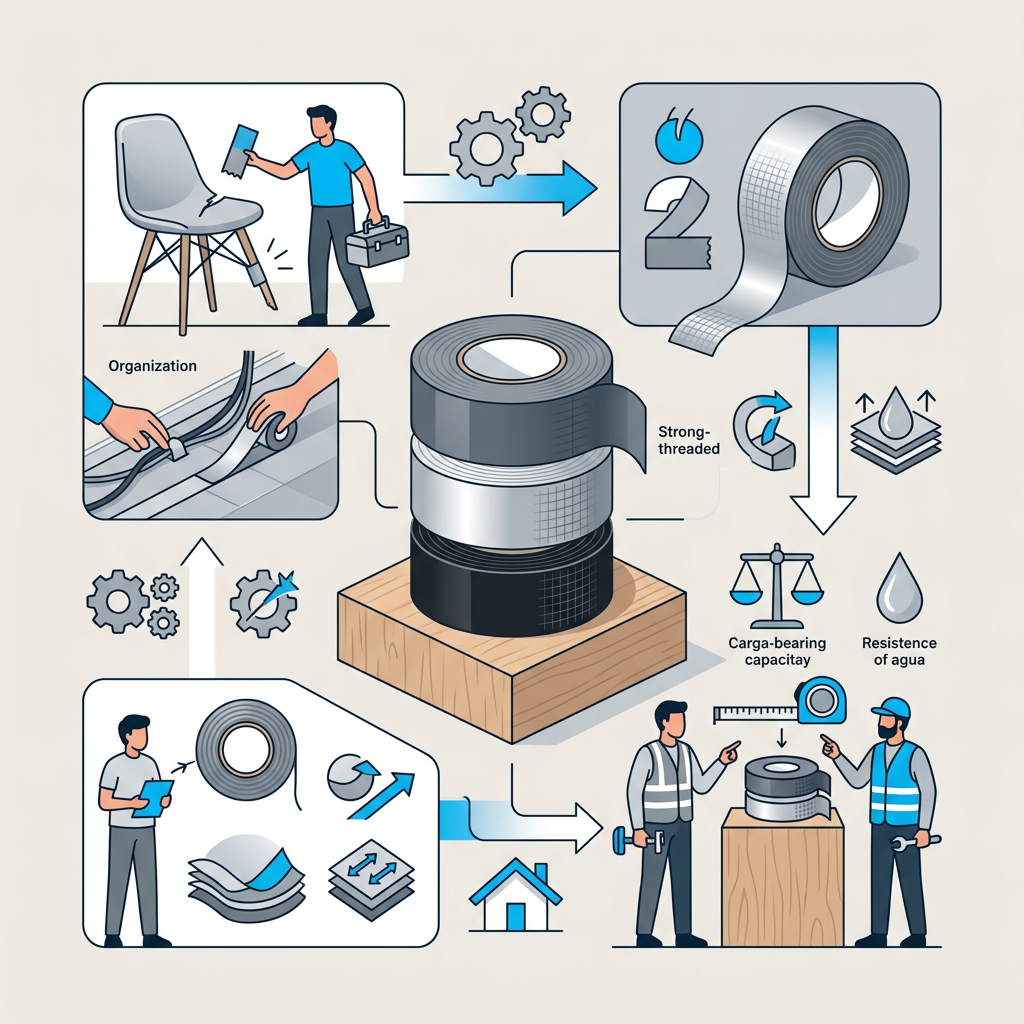
- Backing layer. Generally made from a cotton, polyester, or rayon mesh fabric, which gives it its characteristic tensile strength and ability to be torn by hand. This fabric is laminated with a polyethylene layer, which makes it water-resistant and abrasion-resistant.
- Adhesive layer. Usually made of natural or synthetic rubber, known for its strong adhesion and its ability to stick to a wide variety of surfaces, even irregular or dirty ones.
- Protective layer (liner). In some specific or double-sided tapes, a siliconized paper layer is included to protect the adhesive until its application. However, most duct tapes do not have it, allowing it to be used directly.
Types of duct tape and their specific applications
Standard or multi-purpose duct tape
Heavy-duty duct tape
- Packaging heavy or bulky items.
- Critical repairs in machinery or vehicles.
- Construction and outdoor work.
- Sealing pipes or ducts in industrial environments.
Temperature resistance
Some heavy-duty tapes are formulated to withstand extreme temperature ranges, from very low in cold rooms to high in industrial environments.
Colored and decorative duct tape
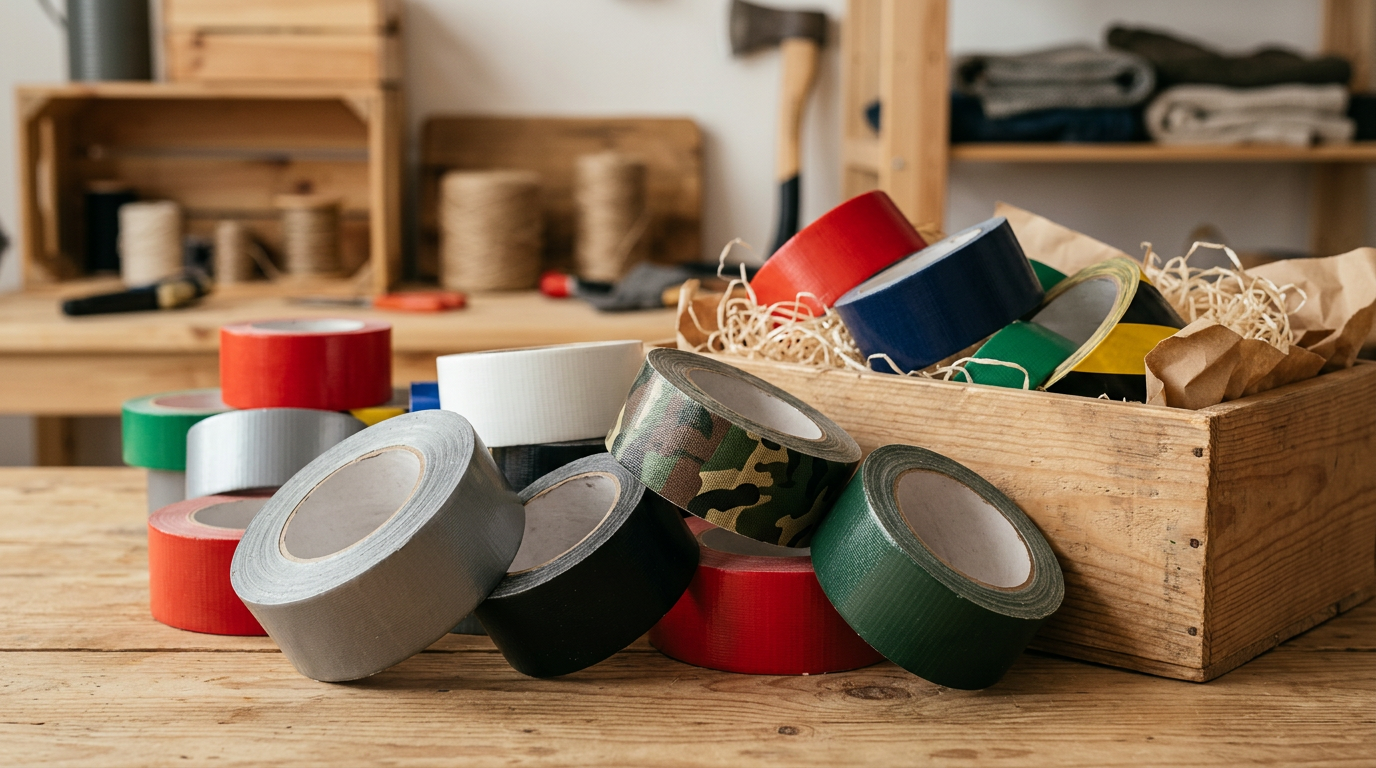
- Color coding in warehouses and events.
- Decoration and crafts.
- Temporary identification on stages or productions.
- Repairs where aesthetics are a factor.
Transparent duct tape
Outdoor-grade duct tape
HVAC-grade duct tape
Key factors for choosing the right duct tape
- Surface type. Is it smooth or irregular? Porous or non-porous? The adhesive must be compatible.
- Environmental conditions. Exposure to humidity, extreme temperatures, UV rays, or chemicals.
- Holding strength. Do you need temporary adhesion or a durable, extra-strong bond?
- Purpose of application. Is it for sealing, repairing, bundling, protecting, or decorating?
- Abrasion resistance. If it will be exposed to wear and tear, it is crucial to choose a tape with a robust backing.
Duct tape in the packaging and wrapping sector
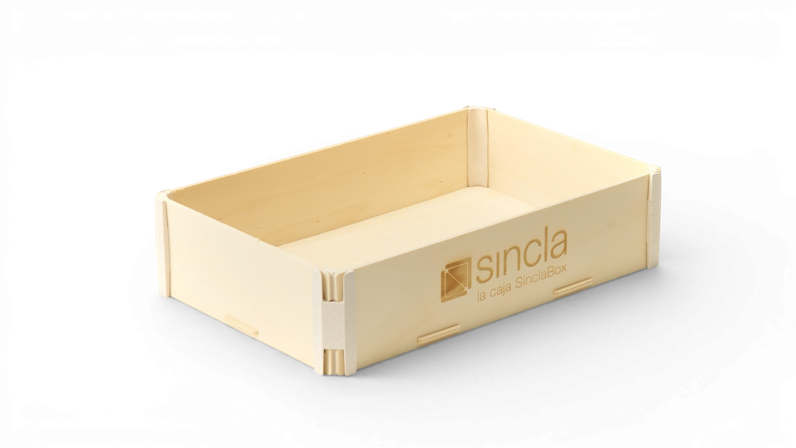
wooden box catalog- Sealing heavy or oversized packages. Its exceptional tensile strength ensures that boxes remain closed, even with considerably weighty contents or when handling bulky packages that could exert pressure on standard tapes.
- Reinforcing packaging. It allows for reinforcing vulnerable points or joints in boxes, especially those exposed to knocks or sudden movements during transport.
- Moisture protection. Its polyethylene layer provides excellent water resistance, protecting the contents from humidity and rain, which is vital for shipments in adverse conditions.
- Sealing unconventional packaging. Sometimes, packaging materials beyond cardboard, such as certain plastics or tarpaulins, are used. Duct tape adheres effectively to these surfaces, providing a secure seal.
- Temporary labeling and coding. In warehouses or during picking and packing processes, colored tapes can be used to identify batches, special addresses, or fragility, facilitating logistics and handling.
- Quick repairs of damaged packaging. If a package suffers slight damage during the preparation process or in the warehouse, a quick application of duct tape can seal the gap and prevent further damage.
Optimize sealing
For packages requiring extreme security or a moisture barrier, apply duct tape overlappingly on the joints and edges of the packaging, paying special attention to the corners.
Common mistakes and key tips for its application
Common mistakes:
- Dirty or wet surface. The adhesive will not adhere correctly if the surface is covered with dust, grease, or moisture.
- Not applying enough pressure. For the adhesive to activate and form a strong bond, firm pressure must be applied during placement.
- Excessively stretching the tape. By stretching it too much before applying it, the tape can try to contract, resulting in weak adhesion and premature peeling.
- Using the wrong tape. Using standard tape for a heavy-duty or outdoor application can lead to sealing failures.
Tips for effective application:
- Surface preparation. Make sure the surface is clean, dry, and free of dust or grease.
- Precise cutting and measuring. Cut the necessary length with an additional margin for overlaps and reinforcements. Although it tears by hand, a clean cut with scissors or a dispenser is more professional.
- Uniform application. Start applying the tape from a corner or edge, gradually unrolling it and pressing firmly as you go to avoid air bubbles.
- Firm pressure. Once placed, press the tape along its entire length, using your hands or a pressure roller, to ensure full contact between the adhesive and the surface.
- Strategic overlap. In cases of critical sealing or for greater strength, overlap the tape strips by a minimum of 2-3 cm.
Sustainability and recycling considerations
Environmental impact
Since duct tape is neither biodegradable nor easily recyclable, it is important to consider its use responsibly and seek more ecological alternatives when the application allows.
- Prioritize choosing products with lower environmental impact when possible.
- Manage tape waste according to local regulations, generally by depositing it in the non-recyclable waste container.
Innovations and future of duct tape
- More eco-friendly adhesives: Development of bio-based or easier-to-decompose adhesive formulas.
- Recycled backing materials: Use of recycled fibers and plastics in the backing layer to reduce resource consumption.
- Greater specialization: Creation of tapes with even more specific properties for extreme environments, such as transparent adhesives that withstand years of UV exposure or tapes with conductive properties for electronic applications.
- Integration with other technologies: Possibility of incorporating traceable elements or sensors for advanced logistics.