Secure Packaging for Shipping Gourmet Honey: Key Guide
Sincla
Key factors in secure packaging for shipping gourmet honey in 2026. The high-end beekeeping product market has grown exponentially, and with it, the need to find secure packaging for shipping gourmet honey. The main logistical challenge of this product lies in
Key Elements of Secure Packaging for Shipping Gourmet Honey in 2026
The market for high-end beekeeping products has grown exponentially, and with it, the need to find secure packaging for shipping gourmet honey. The primary logistical challenge of this product lies in its traditional container: the glass jar. Combining the fragility of glass with the high specific weight of honey requires packaging solutions that not only guarantee product integrity during transport, but also elevate the unboxing experience, projecting the artisanal and premium character expected by the 2026 consumer.
Key Takeaways
Glass and the weight of honey require rigid outer packaging and a flawless interior cushioning system.
Certified wood (FSC) stands out as the ideal material by combining maximum physical protection with an unmatched artisanal aesthetic.
The use of interior dividers is non-negotiable when shipping sets or tasting packs containing multiple jars.
Eco-friendly void fill, such as wood shavings or kraft paper, absorbs impacts without compromising sustainability.
Why Premium Honey Demands a Different Logistical Approach
Unlike other food products, honey has a very high density (approximately 1.4 kg per liter). This means that a parcel containing just three or four small jars concentrates significant weight in a compact space. If the outer box is made of flimsy material, the inertia of movement during courier transit can deform the package, causing the glass jars to collide with one another.
Risk of Pressure Leaks
Beyond glass breakage, inadequate packaging that allows vertical movement can loosen twist-off metal lids due to vibrations, resulting in honey leaks that completely ruin the order's presentation.
To prevent these issues, the packaging industry recommends moving away from single-wall cardboard when dealing with high-value beekeeping products, opting instead for much sturdier structures and custom interior holding systems. This is where custom wooden boxes for small orders and large production runs take center stage, providing a crush-resistant chassis.
Criteria for Secure Packaging When Shipping Gourmet Honey
Designing protection for such a delicate product involves considering multiple dimensions. It is not just about wrapping the glass, but immobilizing it and presenting it properly.
Complete ImmobilizationThe jar must not shift even a millimeter inside the box. Zero friction is key.
Impact AbsorptionThe perimeter material must be capable of dissipating energy from a standard-height drop (1 meter).
Thermal InsulationAlthough honey does not spoil, extreme temperature swings in logistics can alter its crystallization process.
Visual DifferentiationThe exterior must reflect the quality of the interior, justifying the purchase price of a premium product.
Wood as the Ultimate Packaging Solution
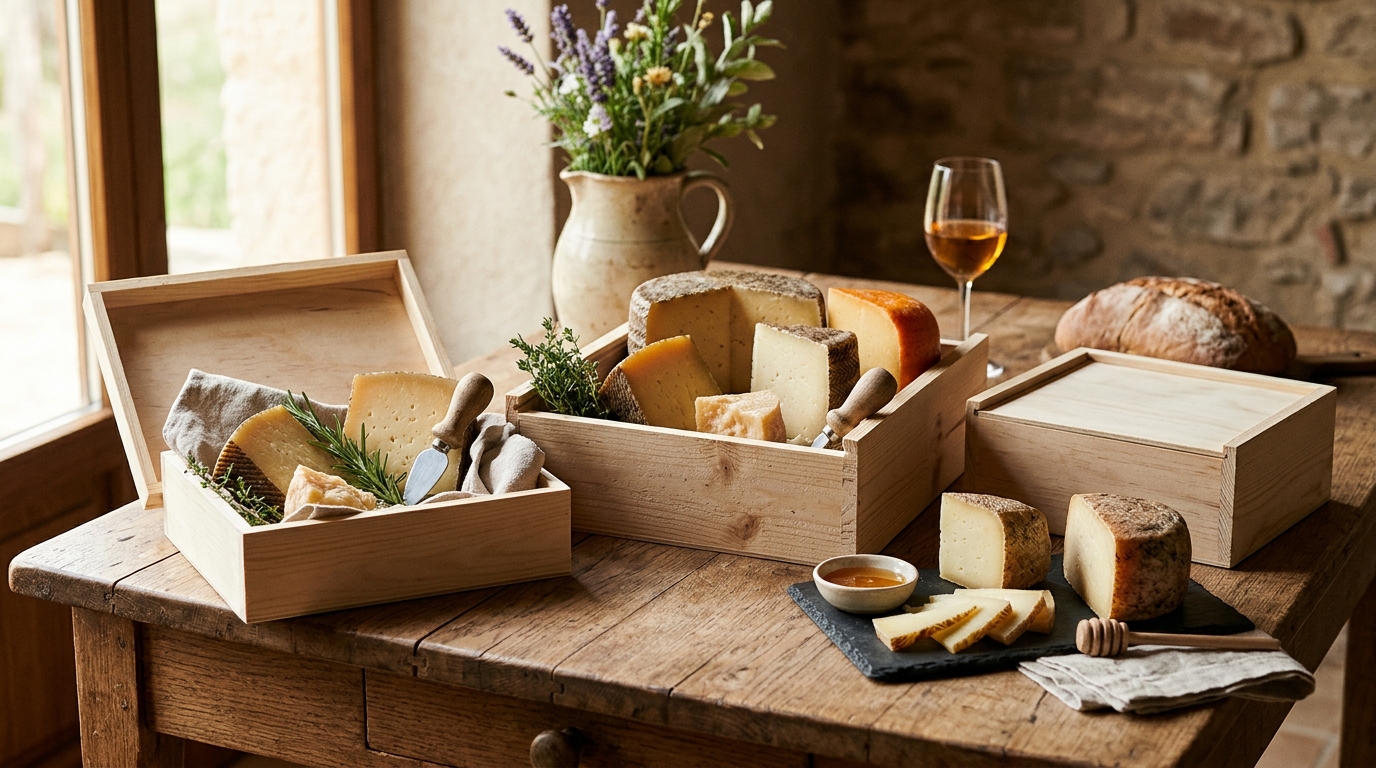
When seeking the perfect balance between rusticity, elegance, and extreme physical protection, wooden boxes stand out as the industry standard for fine food products. Wood not only absorbs heavy impacts without transferring them to the interior, but it also provides an exceptional presentation for Corporate Gift Ideas for VIP Clients and Packaging.
Most Commonly Used Materials and Formats
Depending on the brand identity of the honey producer, various wood panels and finishes can be utilized in structural packaging design:
Material
Strength
Aesthetics / Finish
Ideal Honey Application
Pine/Poplar Plywood
Very High
Natural grain, rustic, organic
Organic, forest, or heather honeys; limited editions.
MDF (Medium-Density Fiberboard)
Medium-High
Smooth, grainless, perfect for painting
Modern design honeys, minimalist brands, or honey-based cosmetics.
Solid Wood
Extreme
Premium, classic, substantial
Corporate gifts, large-format jars.
FSCSustainable Sourcing
100%Reusable
3-5 kgLoad Capacity
It is important to emphasize that sourcing wood from responsibly managed forests (FSC certification) is practically a requirement in today's European market. Gourmet honey consumers value nature and expect the entire package to be environmentally responsible.
Well-designed wooden packaging does not end up in the trash; it becomes a decorative or storage piece, extending brand recall for years.
Custom wooden boxes
Discover our wooden boxes for packaging, hospitality, events and more. In-house manufacturing and full customisation.
The Interior of the Packaging: Fillers and Fastening
Having a sturdy outer box is only half the battle in achieving secure packaging for shipping gourmet honey. Interior cushioning is where breakages are truly prevented. Jars—especially when shipped in sets (for example: orange blossom honey, rosemary honey, and eucalyptus honey)—must never rub against one another.
Sustainable Cushioning Options
Bubble wrap has become outdated in the premium segment due to its environmental impact and unrefined appearance. Today, far more elegant and equally effective alternatives are used:
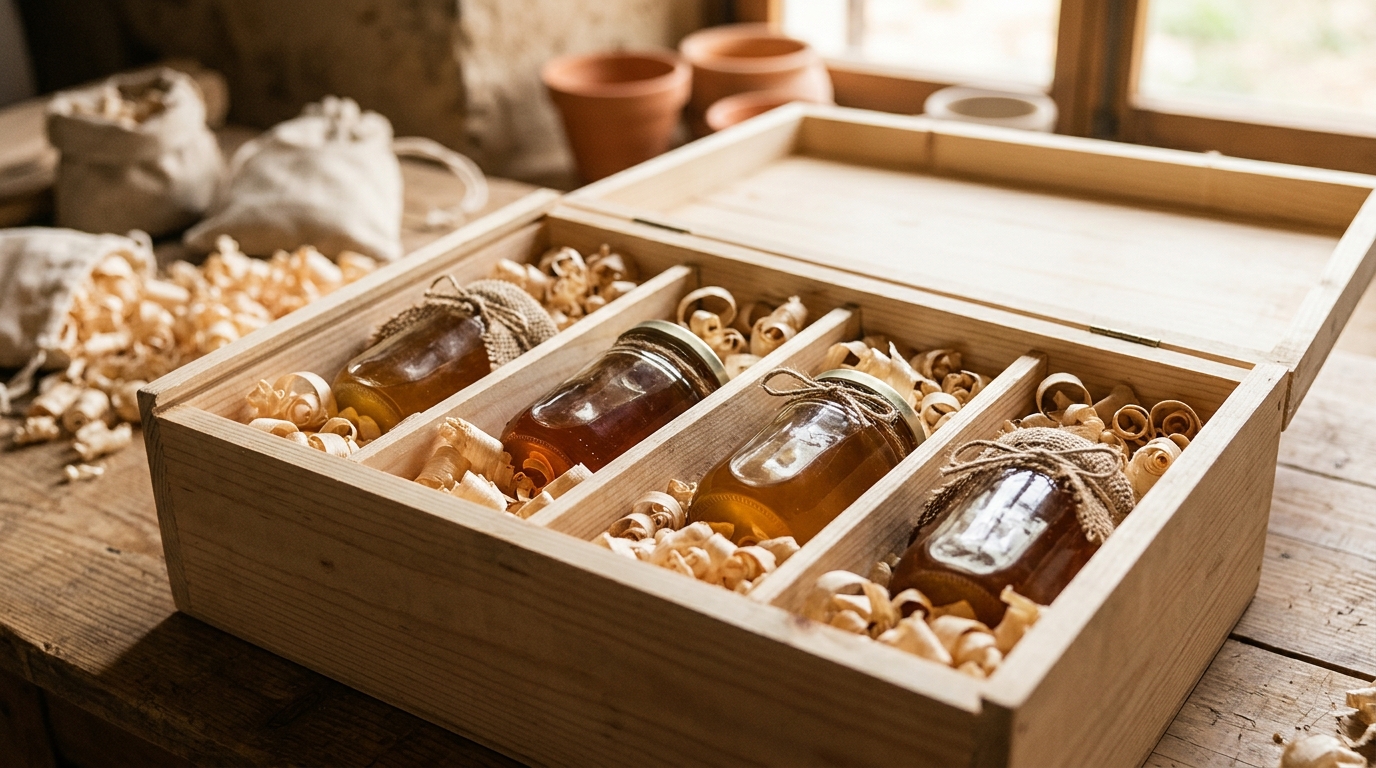
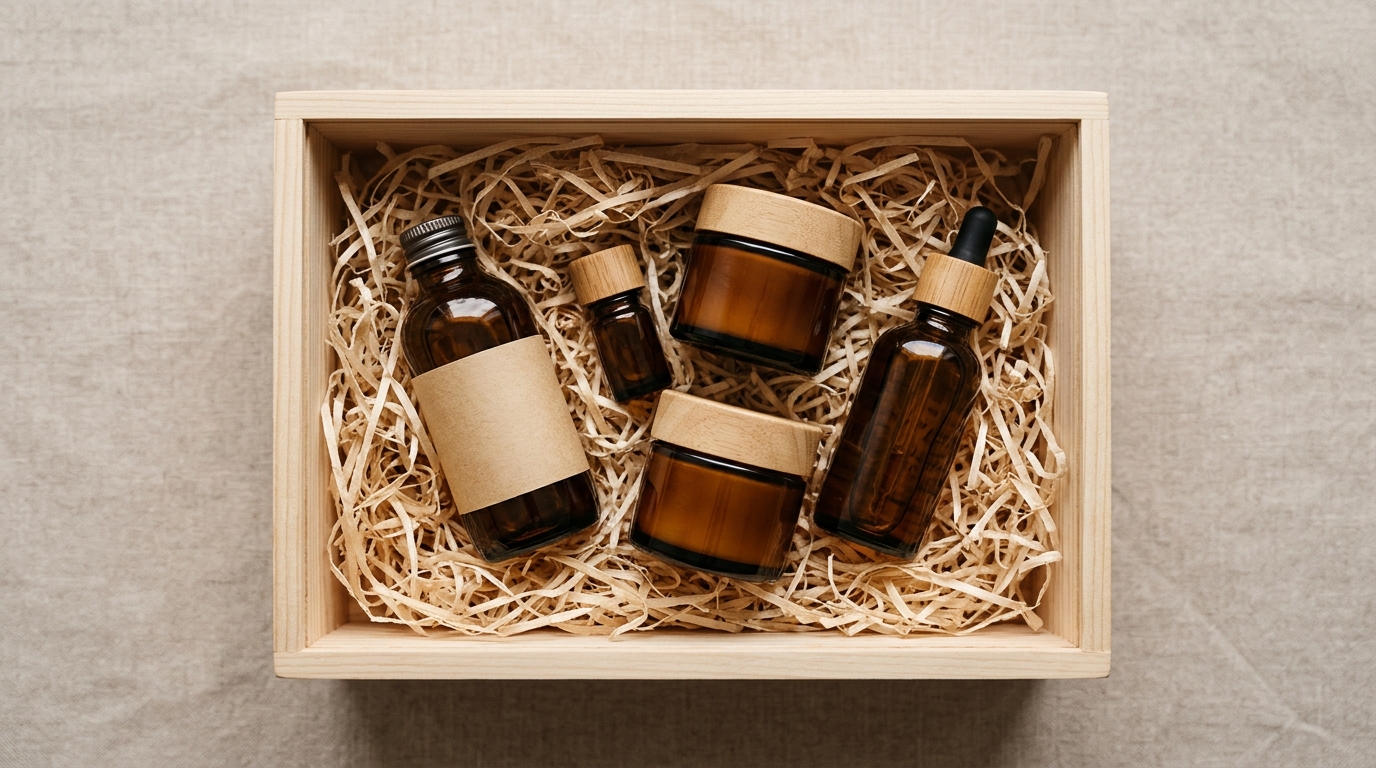
Wood shavings: Creates a natural bed or "nest" that cradles the jars, offering volume, a rustic scent fitting for honey, and excellent shock absorption.
Crinkled or honeycomb kraft paper: This die-cut material expands to create a three-dimensional structure that acts as an optimal shock absorber, contouring closely around the glass cylinder.
Wooden or rigid cardboard dividers: Interior interlocking grids that separate the box into individual compartments, ensuring that each jar holds its exact position throughout the journey.
The Shake Test
The golden rule of secure packaging is the sound test. Once the box is closed with the honey inside, shake it gently. If you hear movement or the jars clinking together, more void fill is required. The interior must remain completely compact.
How to Prepare a Perfect Shipment Step-by-Step
The logistical process at the producer or distributor facility must be standardized to minimize human error. The optimal method for securing each shipment is detailed below.
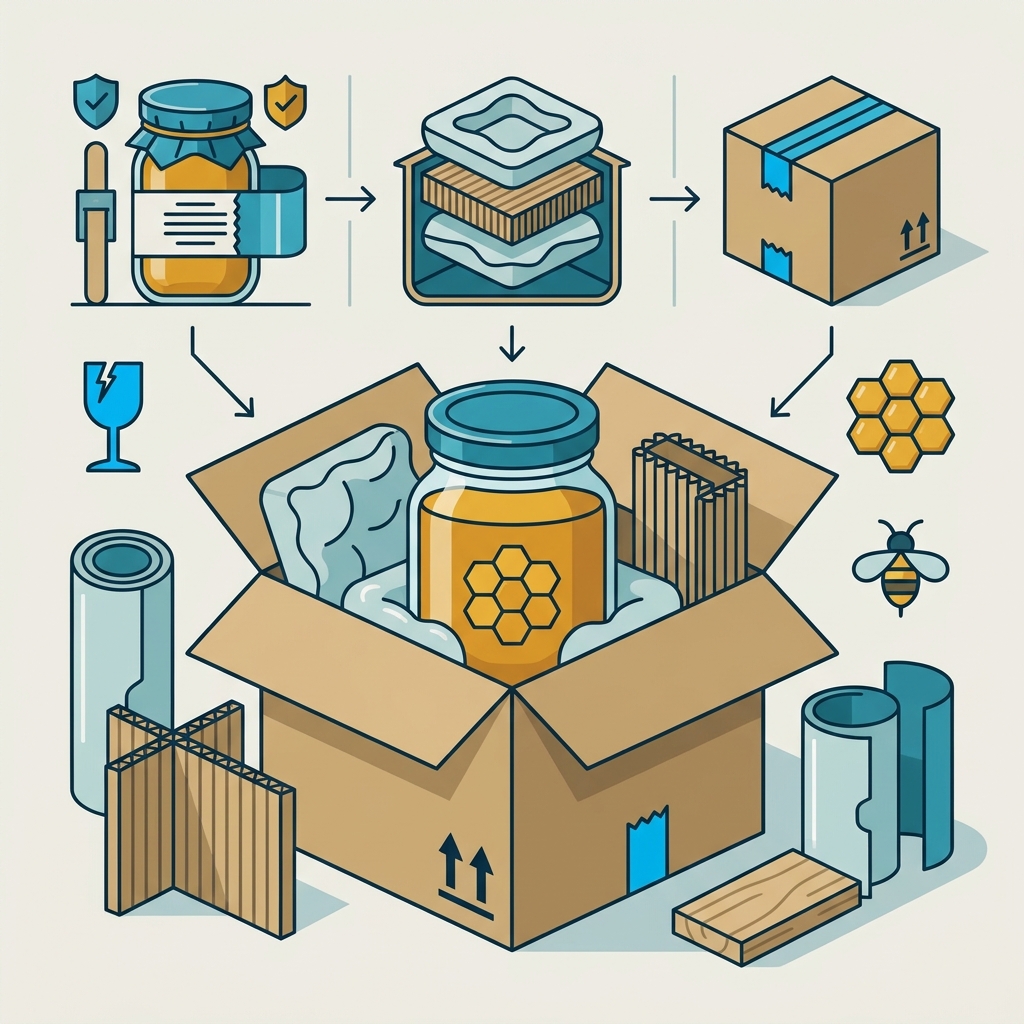
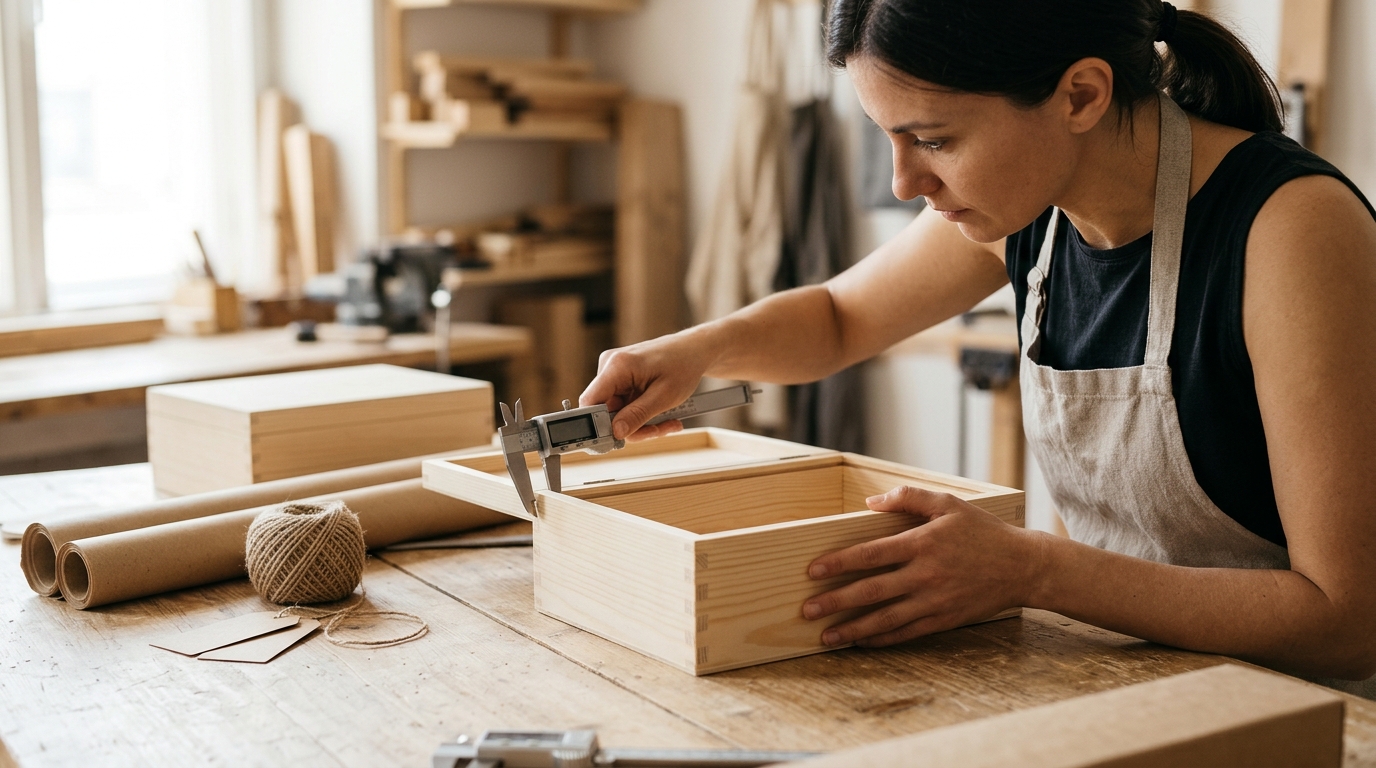
Base assembly and inspection. Ensure that the wooden box (whether assembled with nails, hinges, or interlocking joints) has no loose play. Place an initial protective layer at the bottom (2–3 cm of firmly packed wood shavings or kraft sheeting).
Positioning the divider grid. Insert the wooden or rigid cardboard dividers to define individual spaces for each unit.
Perimeter protection for the glass. Wrap each jar individually with expandable honeycomb paper before placing it into its compartment. This doubles transit security.
Filling void spaces. Add more wood shavings or eco-friendly void fill into the upper gaps and corners to fully immobilize the jars along the vertical axis.
Secure closure and sealing. Secure the wooden lid (sliding or hinged) and, for courier logistics, place the wooden box inside a corrugated cardboard outer box (secondary packaging) to prevent shipping label marks and surface scratches on the wood.
Before rolling out a new structural design across entire production runs, industry experts always recommend to Order Packaging Samples Before Purchasing Successfully, testing firsthand how the brand's actual jars fit into the proposed internal dimensions.
Customization: The Final Touch for Gourmet Packaging
Secure packaging for shipping gourmet honey is incomplete without captivating brand identification. Wood accommodates multiple printing techniques that deliver significant perceived value without compromising structural integrity.
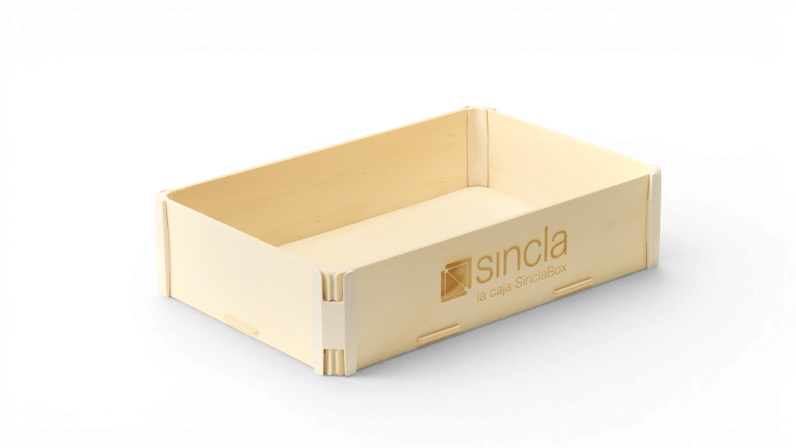
Laser engraving is by far the most popular technique in 2026 for this niche. By subtly scorching the wood's surface, it produces a permanent debossed effect that resists wear and aligns seamlessly with the rustic, pure imagery of artisanal honey. It requires no inks, reinforcing the packaging's eco-friendly profile.
For brands that require corporate colors, screen printing or digital UV printing on the wooden lid delivers crisp, vibrant finishes. Some brands opt for hot foil stamping with gold or copper foils to emphasize the luxurious nature of exclusive offerings, such as white truffle honey or honeys infused with edible gold flakes.
Secondary Transit Packaging
To protect premium wooden packaging from shipping hazards (dust, rain, courier adhesive labels), it is essential to place the wooden box inside an outer cardboard box tailored to its exact dimensions for transit.
Frequently Asked Questions
Is wood light enough to avoid driving up shipping costs?
Yes. Today, plywood boards with optimized thicknesses (generally between 3 and 5 millimeters) are used, providing extreme impact resistance without adding excessive weight, which keeps courier fees well within standard brackets.
What type of divider is best for three-jar honey gift sets?
Dividers integrated into the same material as the box (plywood) are the most effective, as they provide structural rigidity to the entire container and eliminate the risk of glass-on-glass clinking. If the box does not include them, a die-cut rigid cardboard insert in a cross or zig-zag pattern is the best alternative.
Does wooden packaging affect the temperature stability of honey during shipping?
Wood is an excellent natural thermal insulator. While standard parcel shipping is not temperature-controlled, a solid wooden box dampens abrupt temperature fluctuations far better than plastic or thin cardboard, helping to prevent undesirable changes to the honey's crystallization during multi-day transits.
Can I ship jars of different sizes in the same box?
Yes, but it requires custom-designed internal dividers or the generous use of malleable void fill (such as wood shavings) to conform to irregular contours. In these cases, manual packing takes more care, but it is strictly necessary to ensure that secure packaging for shipping gourmet honey functions at 100% effectiveness.