Present and Protect with Style: Boxes for Artisan Cheese Shops
boxes for artisan cheese shopsKey Takeaways
- Wooden boxes and customized trays are the standard for presenting gourmet cheeses and gift sets.
- The material must be safe, breathable (in the case of natural wood), and sustainable, prioritizing certifications like FSC.
- Customization through techniques like laser engraving or screen printing reinforces the shop's visual identity.
Recommended Materials for Cheese Packaging
-
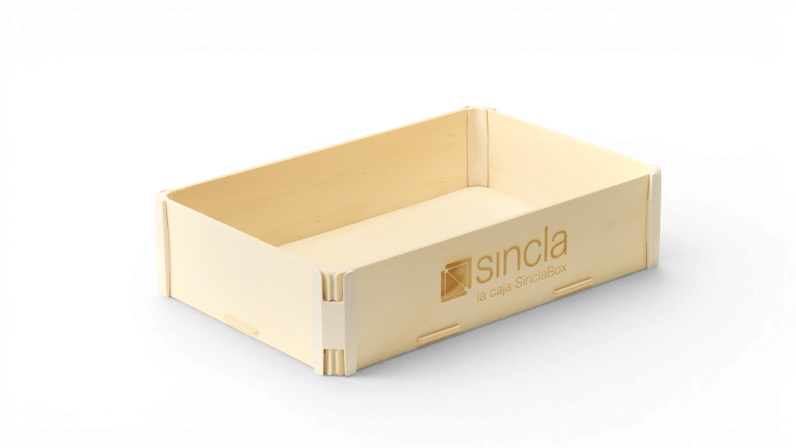
Solid wood or plywood: Provides sturdiness, a rustic and elegant look, and allows natural breathability—ideal for aged cheeses.
-
MDF wood: A versatile and uniform alternative, excellent for boxes requiring very smooth or lacquered finishes, common in modern presentations.
-
Rigid Kraft cardboard: Lightweight and cost-effective. Usually used with internal dividers for small wedges or combined with wooden cases.
-
Presentation trays: Ideal for display cases or for preparing ready-to-eat cheese boards for events.
Food Contact
It is crucial to ensure that materials in direct contact with cheese comply with current health and safety regulations. Often, cheese is pre-wrapped in wax paper or vacuum-sealed before being placed into the display box.
Common Formats and Uses in Gourmet Shops
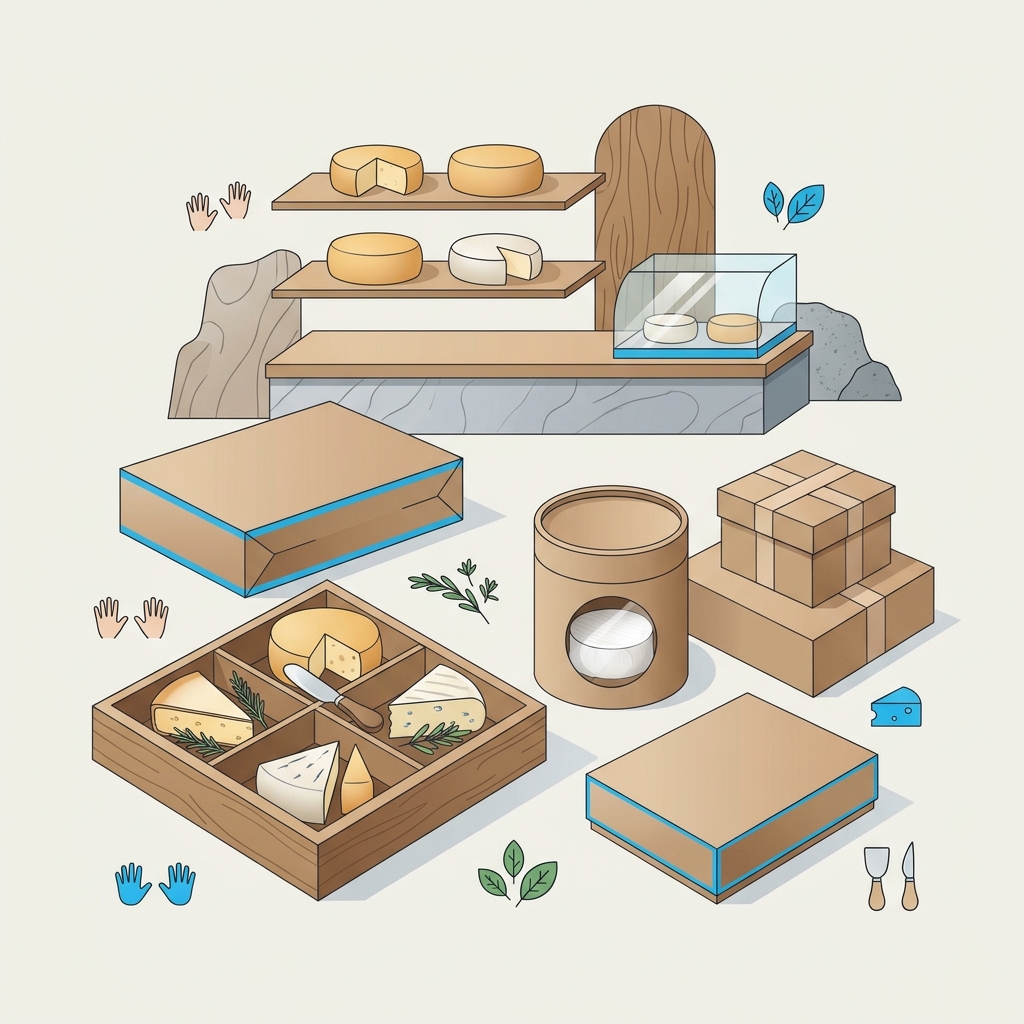
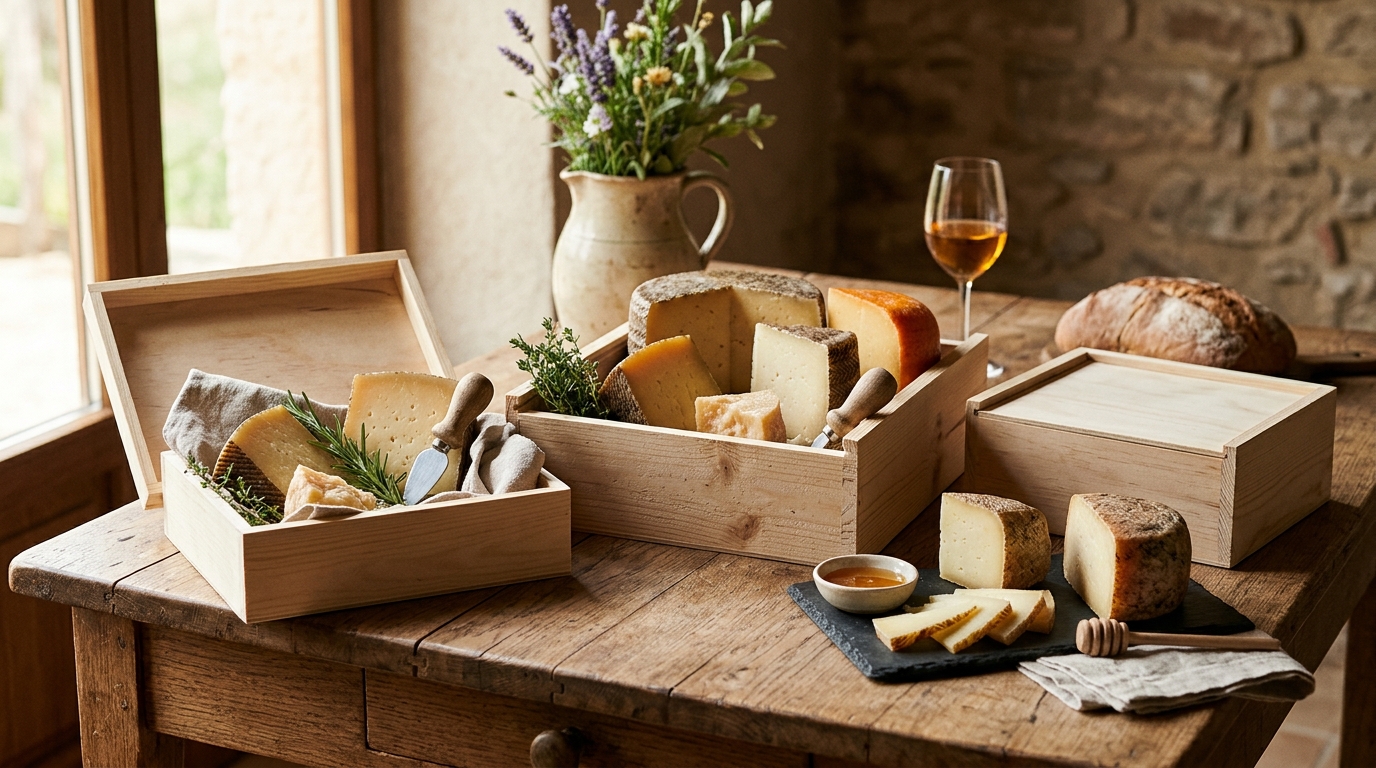
boxes for artisan cheese shopsIndividual Boxes for Whole Cheeses
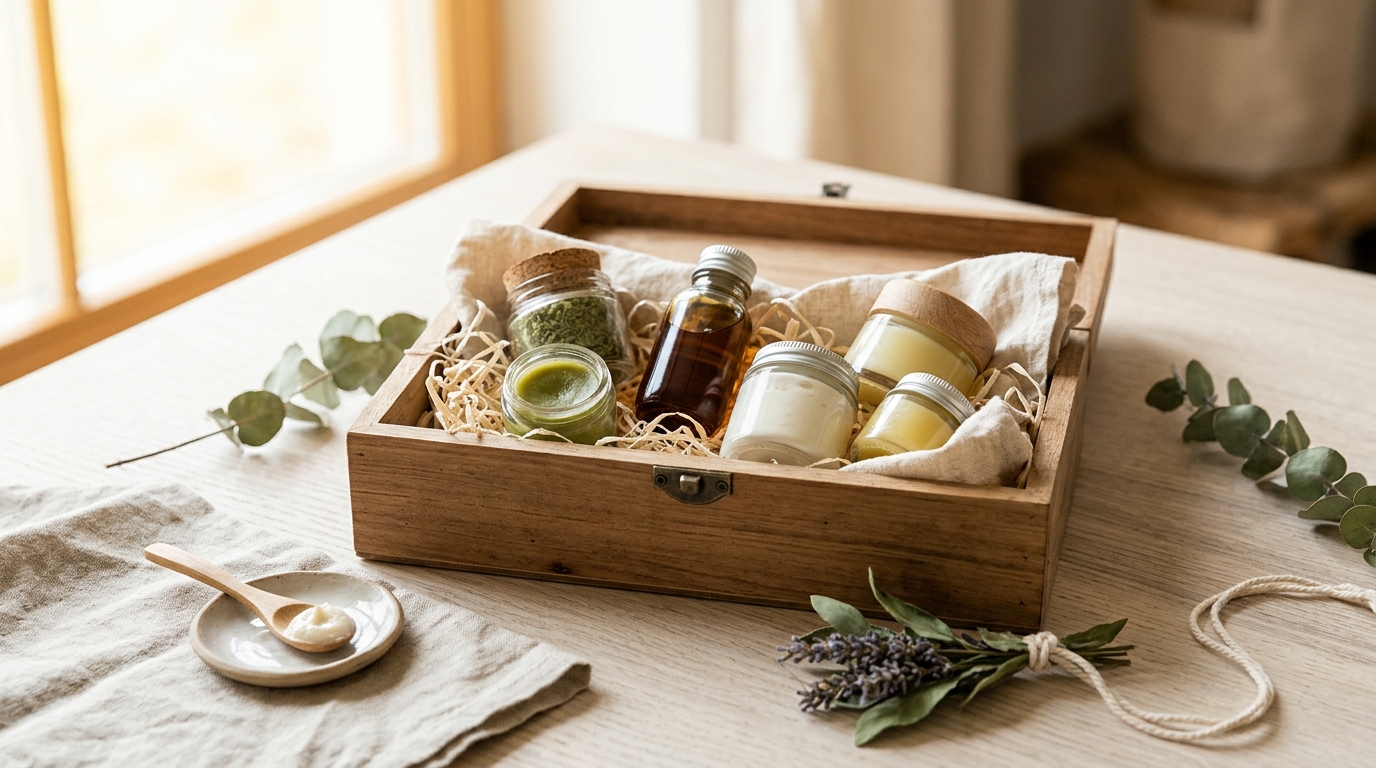
Tasting Cases and Gift Sets
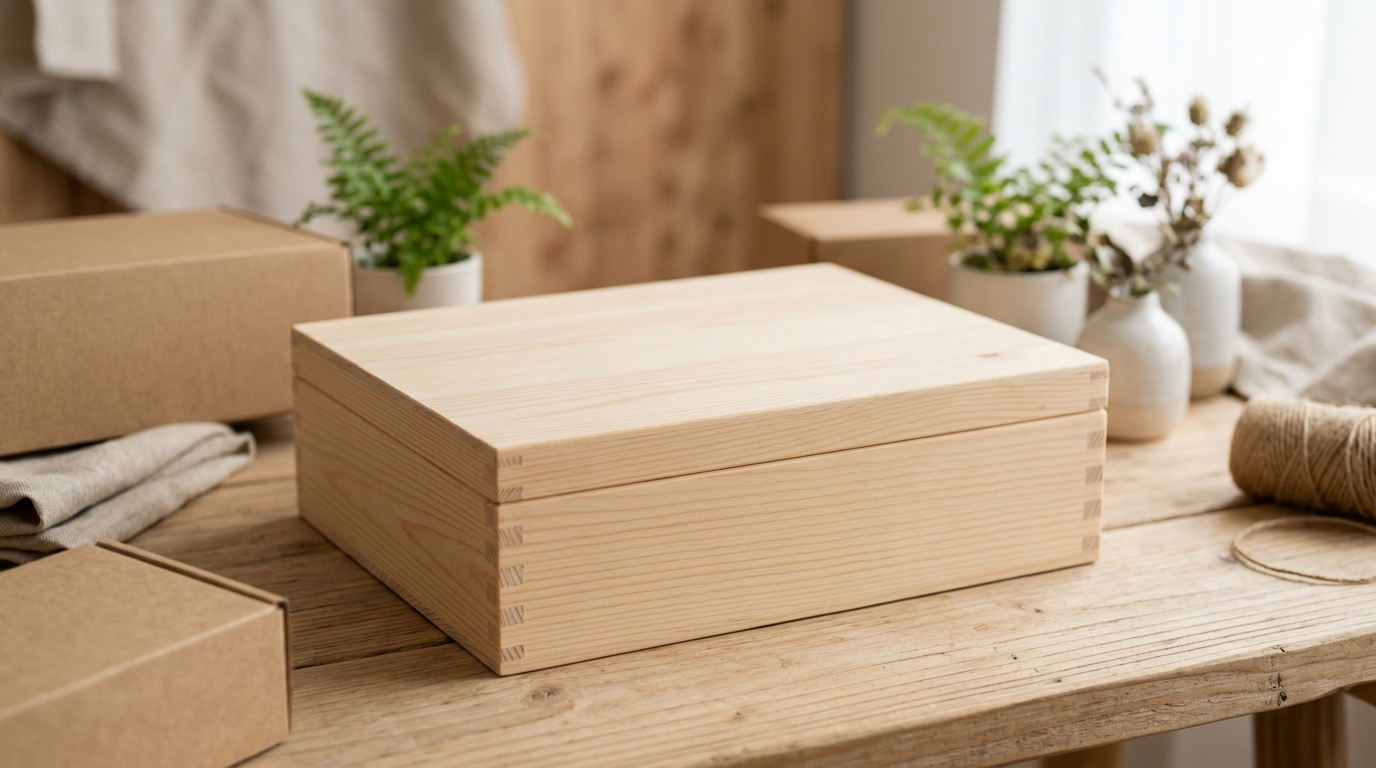
wooden casesFSC / PEFCSustainable wood
ThicknessFrom 3mm to 10mm
FormatsSliding lid or hinged
Trays for Cheese Boards
Packaging does not just protect the cheese; it tells the story of its aging process, its artisanal origin, and the producer's care.
Customization and Branding: Finishing Techniques
| Technique | Description | Ideal Use in Cheese Shops |
|---|---|---|
| Laser engraving | Lightly burns the surface, leaving a recessed, dark, and highly durable finish. | Solid wood boxes for premium wheels, providing a rustic and timeless style. |
| Screen printing | Application of spot color inks through screens. Allows for exact corporate colors (Pantone). | Corporate gift sets or custom cardboard boxes where the logo needs to stand out. |
| Pad printing | Ink transfer via a silicone pad, ideal for small details or irregular surfaces. | Subtle branding on the sides of trays or small cases. |
| Cardboard sleeves and labels | External printed wraps that go around a generic box. | For changing seasonal messaging (Christmas, Valentine's Day) using the same base box. |
Using Wood Shavings
Filling the bottom of boxes with natural wood shavings (cellulose or pine) not only enhances the rustic presentation, but also cushions impacts and holds jam jars and cheese wedges securely in place.
How to Plan Your Cheese Shop's Packaging Step by Step
- Audit the catalog: Measure the diameters and heights of your best-selling whole cheeses, and define the volume needed for combination sets.
- Select the base material: Choose between wood, plywood, or kraft cardboard based on the perceived value you want to convey (premium vs. budget-friendly).
- Define the closure style: Sliding lid (practical and stackable), hinged lid (elegant for gifts), or open tray for display.
- Design the customization: Pick your branding technique (laser or ink) and prepare the final artwork, ensuring that the logo and brand details remain clearly legible.
- Plan procurement: Calculate required quantities, particularly ahead of seasonal demand spikes, ensuring adequate storage space or exploring options for small orders.
Sustainability in Cheese Packaging
Humidity and Temperature
Although wood handles temperature changes well, it should not be stored in cold storage rooms with heavy direct condensation, as it could swell or warp. Cheese must be properly protected before being placed in its decorative box.