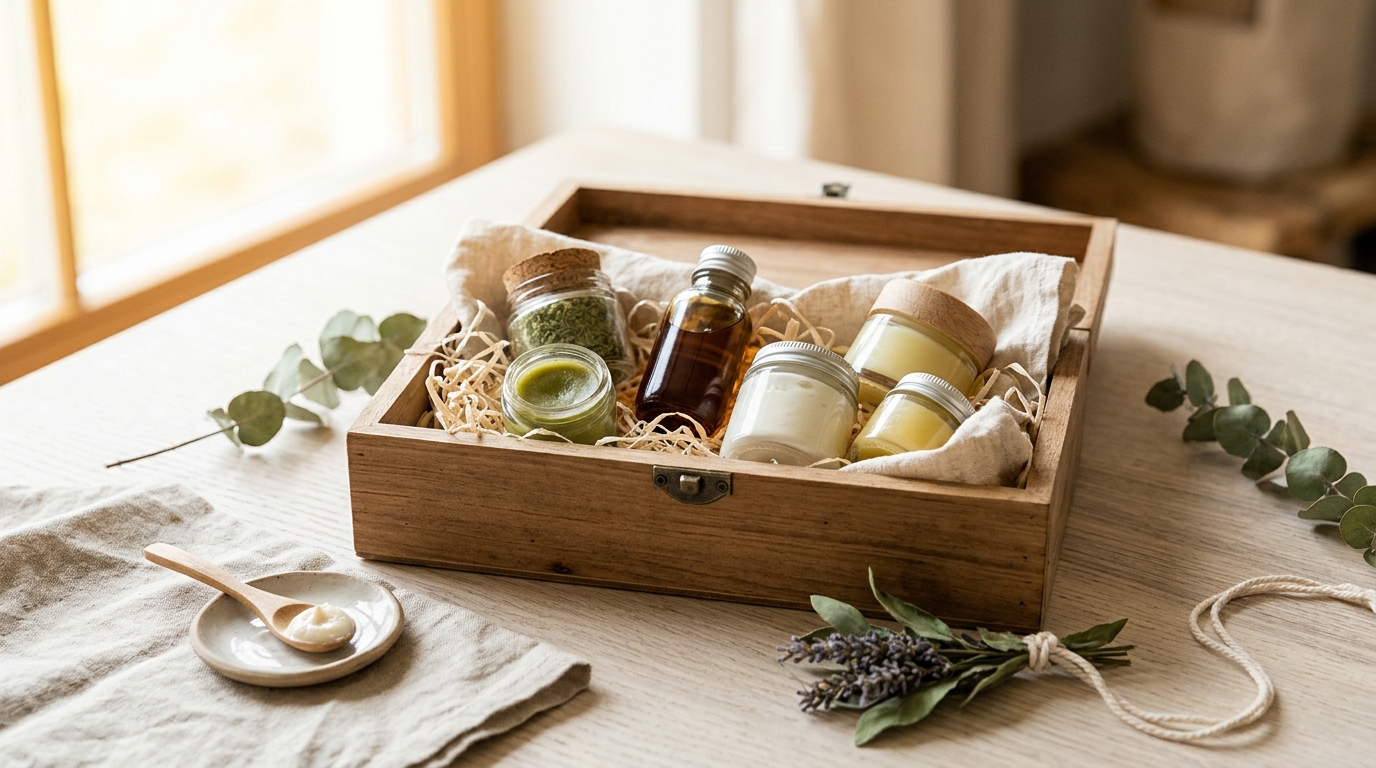
How to Choose the Best Packaging for Handcrafted Natural Cosmetics
The presentation of natural and handcrafted cosmetic products must reflect the same values of purity, sustainability, and care as the ingredients they contain. While primary packaging, such as glass jars or dispensers, protects the formula, secondary packaging—or outer packaging—is responsible for conveying the brand's essence, attracting consumers, and protecting the product during handling and transport. In today's market, choosing packaging that combines premium aesthetics with environmental responsibility is one of the most strategic decisions for this type of product.
Key Takeaways
- Outer packaging in natural cosmetics should prioritize sustainable materials such as FSC-certified wood or compostable bioplastics (PLA).
- Aesthetic consistency is key: natural finishes, organic textures, and clean designs connect better with the target audience.
- Poplar wood boxes and bioplastic trays or inserts offer an optimal balance between protection, presentation, and sustainability.
- Customization through laser engraving or screen printing reinforces brand identity without adding polluting materials.
Why Packaging Matters in Eco-Friendly Cosmetics
In the natural cosmetics sector, consumers are typically highly environmentally conscious. A product made with organic essential oils and pure botanical extracts loses much of its credibility if presented in single-use plastic packaging or wrapped in conventional cellophane. Packaging serves as the first tangible touchpoint between the customer and the product; it is the physical embodiment of the brand promise.
The Three-Second Rule
In retail, a product has roughly three seconds to capture a shopper's attention. A design that communicates ecological values at a glance multiplies the chances of impulse purchases or genuine interest.
Quality secondary packaging not only communicates ingredients and certifications (Ecocert, Cosmos, etc.), but it also elevates the product's perceived value, often justifying the premium pricing typical of artisan goods. In this context, original packaging ideas for sustainable shops become especially relevant for standing out on store shelves and during e-commerce unboxings.
Sustainable Materials for Secondary Packaging
Material selection is the most critical technical and philosophical decision when developing packaging for handcrafted cosmetics. It must fulfill the function of protecting glass jars or fragile containers while remaining easy to recycle, compost, or reuse.
-
FSC Wood (Poplar or Pine)Renewable, biodegradable, and provides unmatched warmth and a premium presence.
-
Bioplastics (PLA)Derived from cornstarch, industrially compostable, and useful for transparent windows or internal dividers.
-
Recycled Kraft CardboardLightweight and economical, though offering a lower perception of luxury compared to wood. Easy to recycle.
-
Seed PaperAn innovative option for labels or outer sleeves; it can be planted after use.
Poplar Wood: Lightness and Sustainability
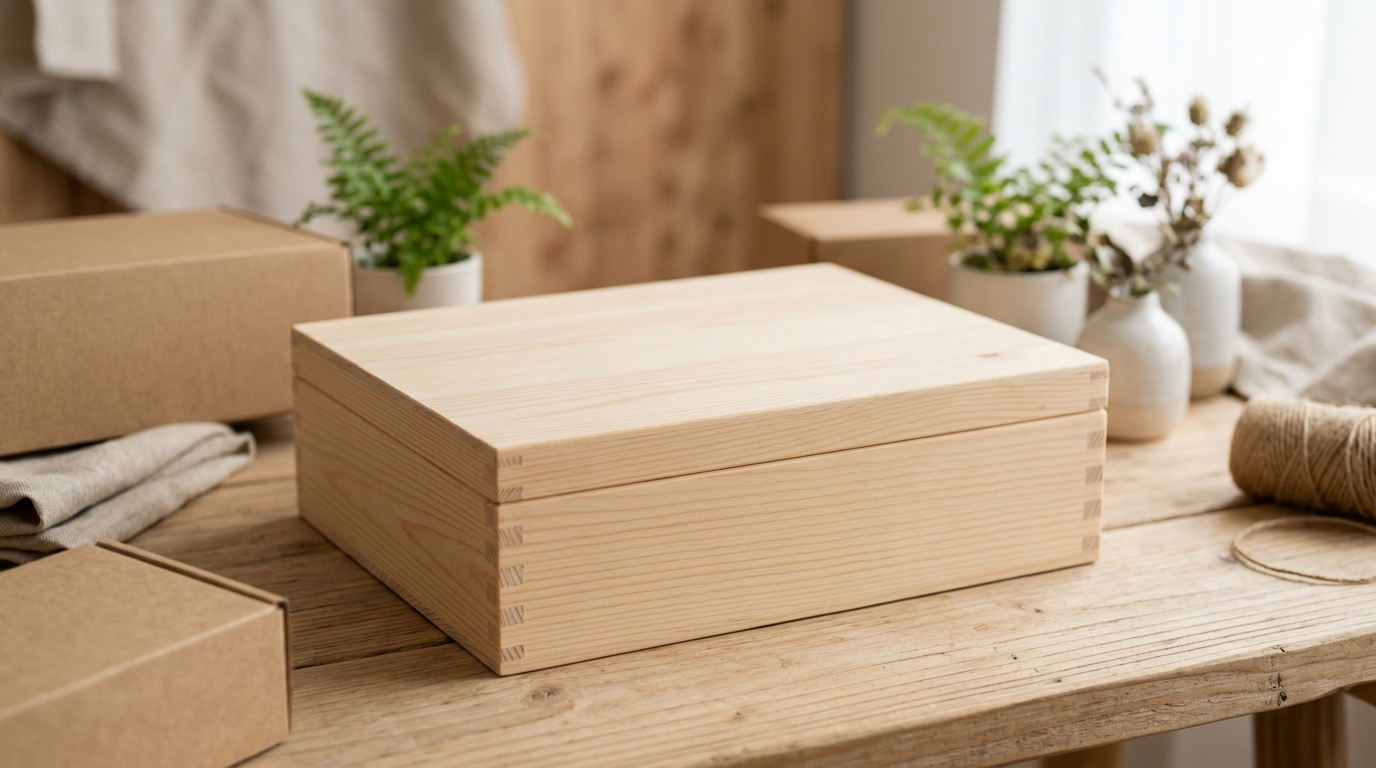
For centuries, wood has been synonymous with craftsmanship and a connection to nature. Today, using poplar or pine plywood sourced from sustainably managed forests (FSC certification) is one of the most valued choices for gift boxes and cases. Poplar wood, in particular, stands out for its lightweight nature and light, uniform tone, which provides an ideal canvas for branding while offering a minimalist aesthetic well-aligned with organic beauty brands.
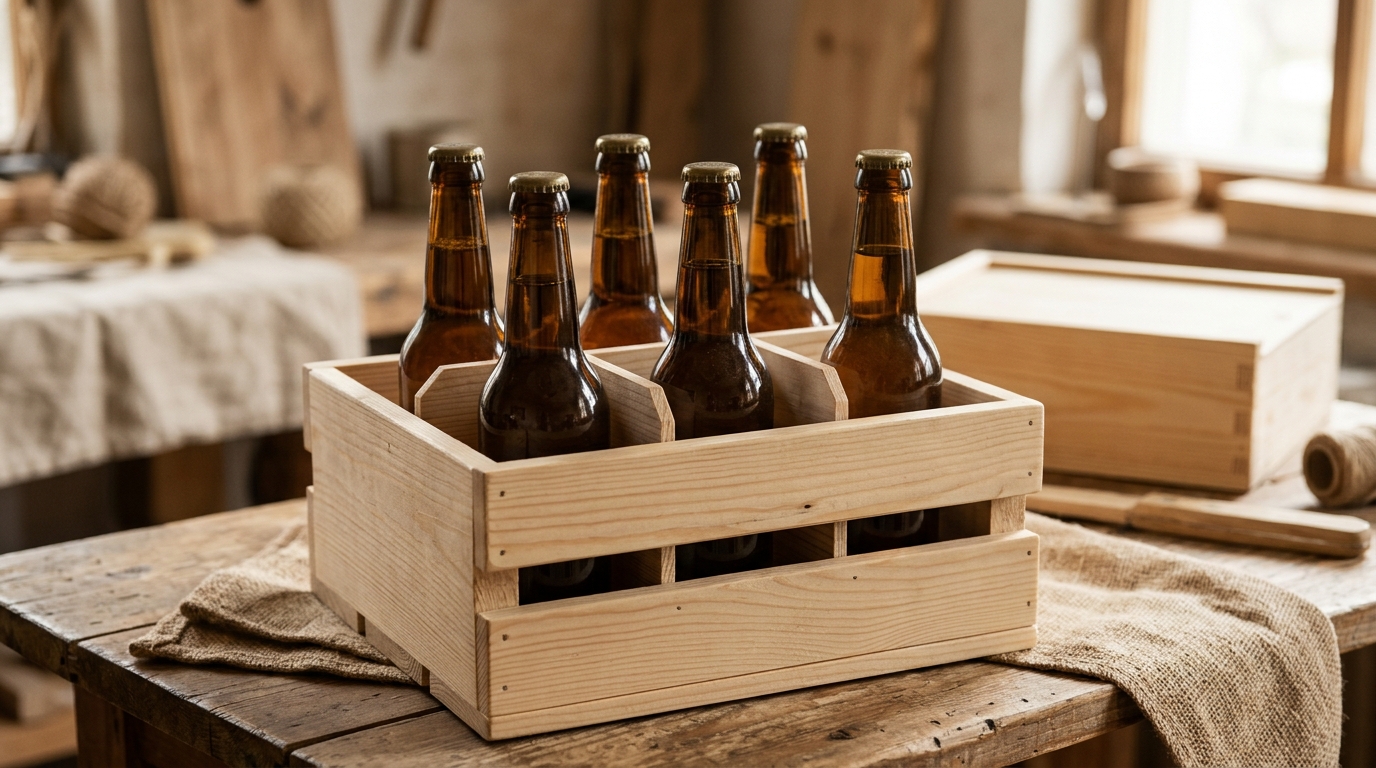
To create wooden boxes that truly stand out, many companies choose to pair the wood with other eco-friendly materials inside, creating custom inserts or cradles that secure the products and protect them from impacts—a critical factor when dealing with glass bottles of facial oils or serums.
The Role of Bioplastics (PLA) in Product Presentation
Brands often want to showcase the product inside without requiring the customer to open the box. Historically, this was achieved using petroleum-derived plastic windows (PVC or PET). Today, the most coherent alternative for natural cosmetics is the use of bioplastics, such as Polylactic Acid (PLA). This material offers transparency comparable to conventional plastics, yet biodegrades under industrial composting conditions, responsibly closing the packaging lifecycle.
Format Types for Handcrafted Cosmetics
Choosing the shape and structure of the box depends on the number of products, their weight, and the sales channel. Packaging a single artisan soap does not require the same packaging as a complete three-step facial routine set.
| Packaging Format | Recommended Use | Key Advantages |
|---|---|---|
| Sliding lid boxes | Gift sets, complete skincare routines (serum + cream + cleanser) | Premium unboxing experience, highly reusable. |
| Matchbox-style boxes | Solid soaps, lip balms, solid perfumes | Compact size, elegant and distinctive format. |
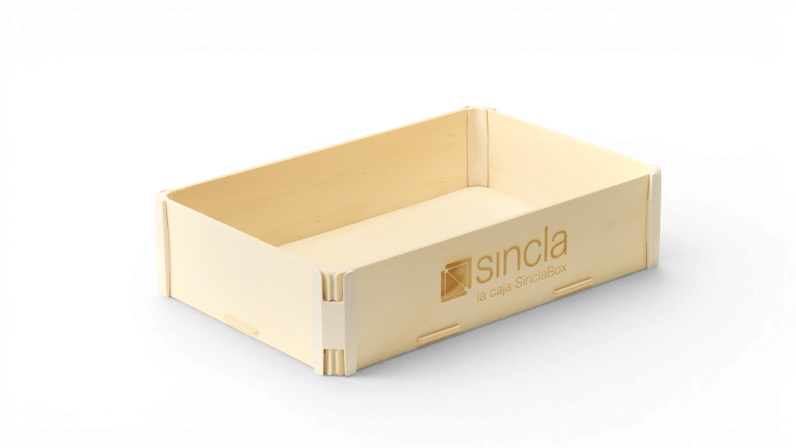
| Display trays | Points of sale, retail stores, trade fairs | Maximum product visibility, easy restocking. |
| Boxes with window (PLA) | Visually appealing products (soaps with botanical inclusions) | Allows visibility inside while protecting the product from dust and handling. |
For entrepreneurs seeking format inspiration, exploring examples of small wooden boxes for favors and events can provide valuable ideas on packaging travel sizes, samples, or lip balms in rigid containers that convey distinction.
Leverage Reusability
A well-crafted, sturdy wooden box rarely ends up in the trash. Customers frequently repurpose them to store jewelry, tea bags, or small keepsakes, keeping your brand logo visible in their homes for years.
Customization and Finishes: Communicating the Brand
Customization transforms a generic container into a true brand ambassador. However, within the realm of organic products, not every printing technique is suitable. It is best to choose methods that avoid inks containing heavy metals or harsh solvents.
- Laser engraving: The premier technique for wood in the eco-friendly sector. It lightly burns the design onto the surface, creating a permanent, rustic, and elegant debossed effect without using a single drop of ink.
- Screen printing with water-based inks: Ideal for adding color (such as a mint green or terracotta logo). By using a water base, the environmental impact is significantly reduced compared to plastisol inks.
- Manual rubber stamps: For limited runs or artisan special editions, hand-stamping the box adds a charming irregularity that reinforces the handmade concept.
- FSC paper sleeves: A paper band wrapped around the box. It allows you to include substantial information (INCI list, directions for use, barcode) temporarily, leaving the box clean for future reuse.
Understanding how to customize wooden boxes with labels or sleeves is essential for balancing the legal requirement to display cosmetic formulations with the desire to maintain clean, minimalist packaging.
Criteria for Choosing a Packaging Supplier
Developing a packaging line involves more than just selecting attractive materials; it requires evaluating the supplier to ensure their supply chain shares the same ethical standards as your cosmetics brand.
- Origin of raw materials: Verify forestry certifications (FSC, PEFC) for wood or paper, ensuring your packaging does not contribute to deforestation.
- Transport distance: Choosing local or regional manufacturers reduces the carbon footprint associated with shipping empty containers (which take up significant volume).
- Minimum order quantities (MOQ): Many handcrafted cosmetics ventures start with small production runs. Working with suppliers that offer low minimums prevents excess storage costs and material waste if a product changes format.
- Custom design capabilities: Every jar, airless pump, or bar of soap has unique dimensions. Packaging that does not fit securely can lead to product breakage during e-commerce shipping.
If your brand works with micro-batches or limited runs, learning about options for custom wooden boxes for small orders can make the difference between a generic presentation and a distinctive premium look.
"Natural cosmetics packaging doesn't just enclose a product; it envelops a philosophy of respect for the body and the environment."
Common Mistakes When Designing Organic Beauty Packaging
When developing wooden cases or boxes for cosmetic products, certain recurring mistakes can negatively impact brand perception or create logistical complications.
Excessive Interior Fill
Filling an oversized wooden box with synthetic crinkle shred or polyurethane foam to fit a small bottle directly contradicts the message of "natural cosmetics." Use custom kraft paper inserts or natural wood excelsior instead.
Another frequent mistake is oversizing the outer box. Today's consumers strongly disapprove of overpackaging. Secondary packaging should be sized as closely as possible to the product's volume to reduce the shipping footprint, while retaining enough wall thickness to protect glass bottles. Furthermore, using non-ecological adhesives or glues during assembly can compromise the packaging's overall recyclability. Interlocking joinery techniques can eliminate the need for adhesives entirely, or you can specify non-toxic, water-based wood glues.
Memorable Unboxings for E-Commerce
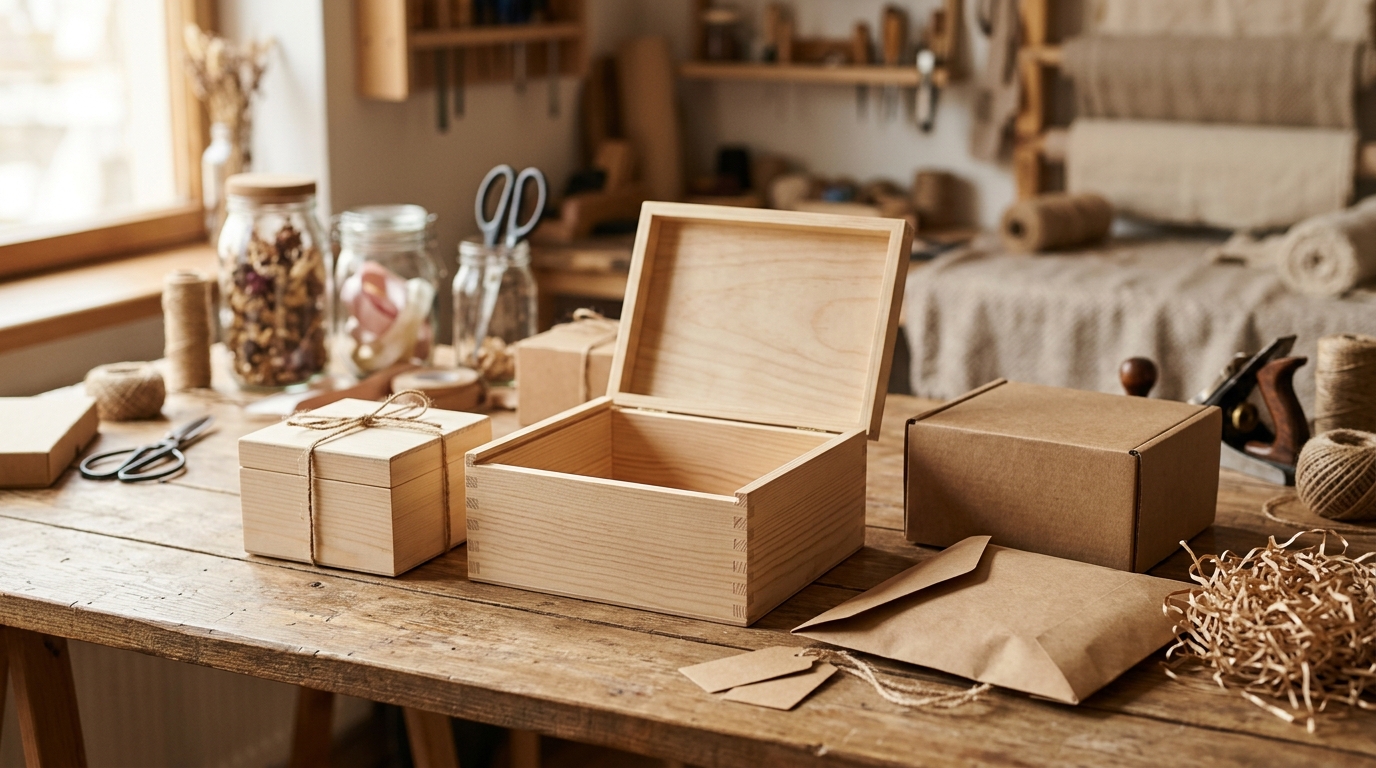
A significant portion of artisan cosmetics is now sold online. The home unboxing experience is often the only physical opportunity to communicate your brand values directly to the customer. A wooden gift box adds weight, a tactile opening sound, and a natural scent that standard cardboard boxes cannot replicate.
To optimize this experience for direct shipments, the outer shipping box must protect the inner wooden case seamlessly. Using printed natural tissue paper, natural wood wool for protective fill, a seed-paper thank-you card, and sealing the package in a sturdy kraft cardboard mailer with water-activated paper tape creates an immaculate sensory experience that naturally encourages social media sharing.