Exploring the World of Easy Crafts for Kids Aged 6 to 12 Years
The Essentials
- Simple crafts boost creativity and motor skills in children aged 6 to 12.
- It is essential to choose safe, accessible, and preferably sustainable materials.
- Projects like collages, clay figures, or painting with natural elements are ideal for this age.
- Active adult participation in planning and guidance is key for success and enjoyment.
Invaluable Benefits of Crafts in Childhood
- Cognitive DevelopmentStimulates concentration, memory, and the ability to follow instructions.
- Motor SkillsImproves fine motor skills, hand-eye coordination, and manual dexterity.
- Fostering CreativityEncourages imagination, lateral thinking, and artistic expression.
- Sensory StimulationAllows exploration of different textures, colors, shapes, and smells.
- Emotional DevelopmentIncreases self-esteem and confidence by seeing the result of their effort.
- Social SkillsPromotes teamwork and communication if done in a group.
Prepare the Space
Before starting any craft, make sure you have a clear and protected workspace. Use old newspapers or a plastic tablecloth to prevent stains and facilitate subsequent cleaning.
Essential and Sustainable Craft Materials
Basic Essential Materials:
- Paper and Cardboard: Colored paper, cardstock, kraft cardboard, toilet paper or kitchen rolls. They are the basis of many creations and can be easily recycled. Using a white box can be an excellent canvas to start.
- Adhesives: Glue stick, white glue (non-toxic), adhesive tape.
- Cutting Tools: Round-tipped scissors (suitable for children), utility knife (always under adult supervision).
- Coloring Elements: Colored pencils, crayons, washable markers, watercolors or tempera paints.
- Filling/Texture Materials: Cotton, wool, fabric scraps, buttons, sequins, glitter (biodegradable if possible).
- Natural Materials: Dried leaves, pinecones, small branches, stones, shells.
- Recycled Materials: Clean yogurt containers, plastic bottles, caps, old CDs, cord or threads.
Sustainability Considerations:
- Reuse: Encourage the use of everyday objects that would otherwise go to waste.
- Natural Materials: Explore the environment to collect elements that integrate into projects, such as leaves for a herbarium or stones for painting.
- Non-Toxic Products: Make sure that paints, glues, and modeling clays are child-safe and free of harmful substances.
- Certified Wood: If wooden elements are used, it is advisable that they come from sustainable sources such as FSC wood.
Safety First
Always supervise children, especially when using scissors, utility knives, or any sharp tool. Opt for non-toxic glues and paints and ensure the space is well ventilated.
Easy and Fun Crafts for Each Age Group
For Children Aged 6 to 8: Discovery and Experimentation
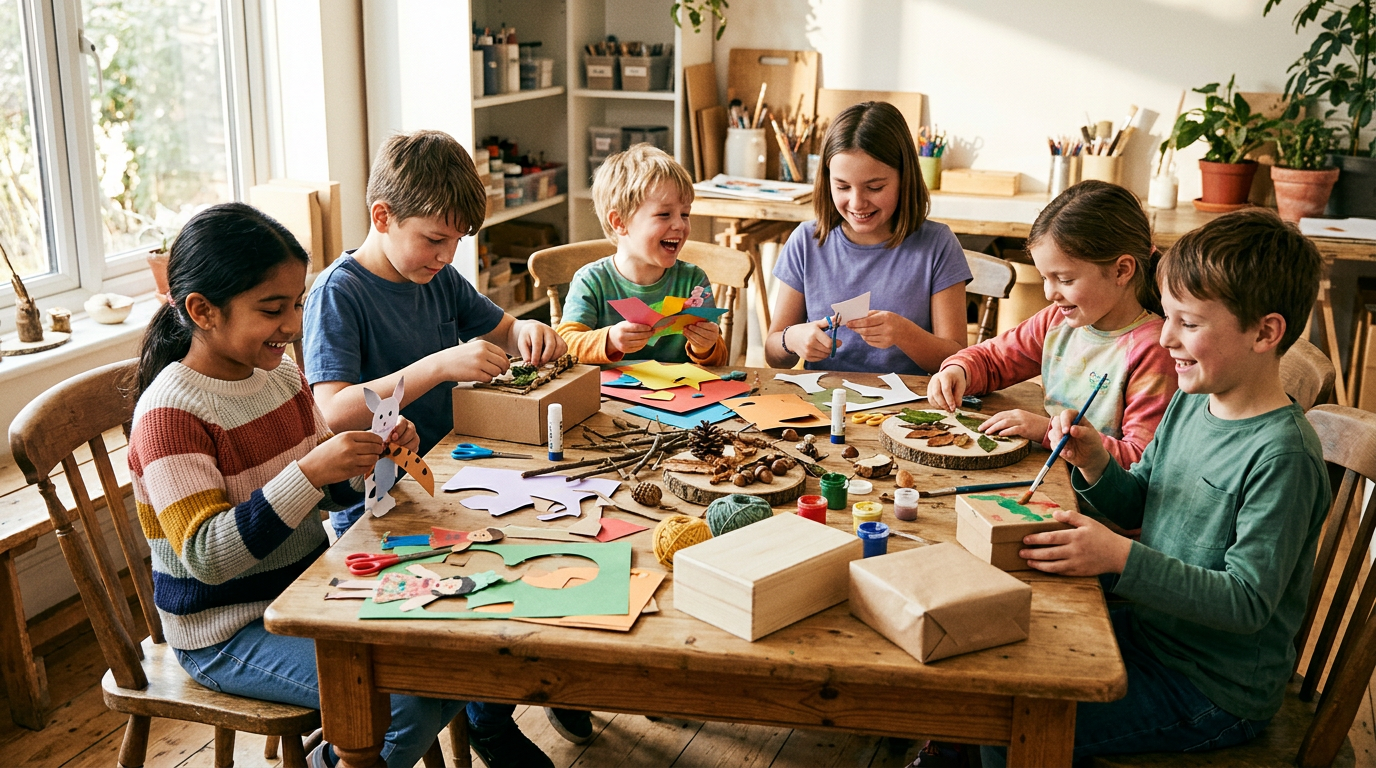
- Nature Collages. Collect leaves, flowers, twigs, small stones and glue them onto cardstock to create landscapes or abstract figures. You can use a decorative box as a base.
- Figures with Play-Doh or Air-Dry Clay. Allows molding and creating characters, animals, or abstract shapes, which can then be painted.
- Finger or Bag Puppets. Use small paper bags or felt to create simple puppets, decorating them with markers, yarn, or fabric scraps.
- Painting with Sponges or Homemade Stamps. Cut shapes into potatoes or sponges to create unique stamps and print designs on paper.
- Constructions with Paper Rolls. Stack and glue toilet paper or kitchen rolls to build towers, castles, or tunnels.
"Creativity is intelligence having fun." - Albert Einstein
For Children Aged 9 to 12: Planning and Detail
- Personalized Bookmarks. With cardstock, threads, beads, and creativity, they can design unique bookmarks. They can even experiment with techniques like origami.
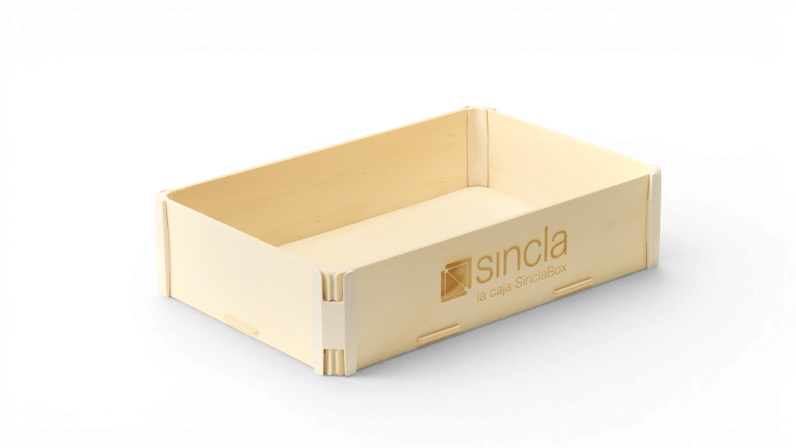
- Jewelry Boxes or Decorated Boxes. Use small wooden boxes or plain cardboard and decorate them with paint, decoupage, seed or shell mosaics to store small treasures. Laser engraving or screen printing can also be explored for a more professional finish (with adult help).
- Creating Photo Albums or Personal Journals. Using cardstock, rings, or basic stitching, children can create an album or journal and decorate it to their liking.
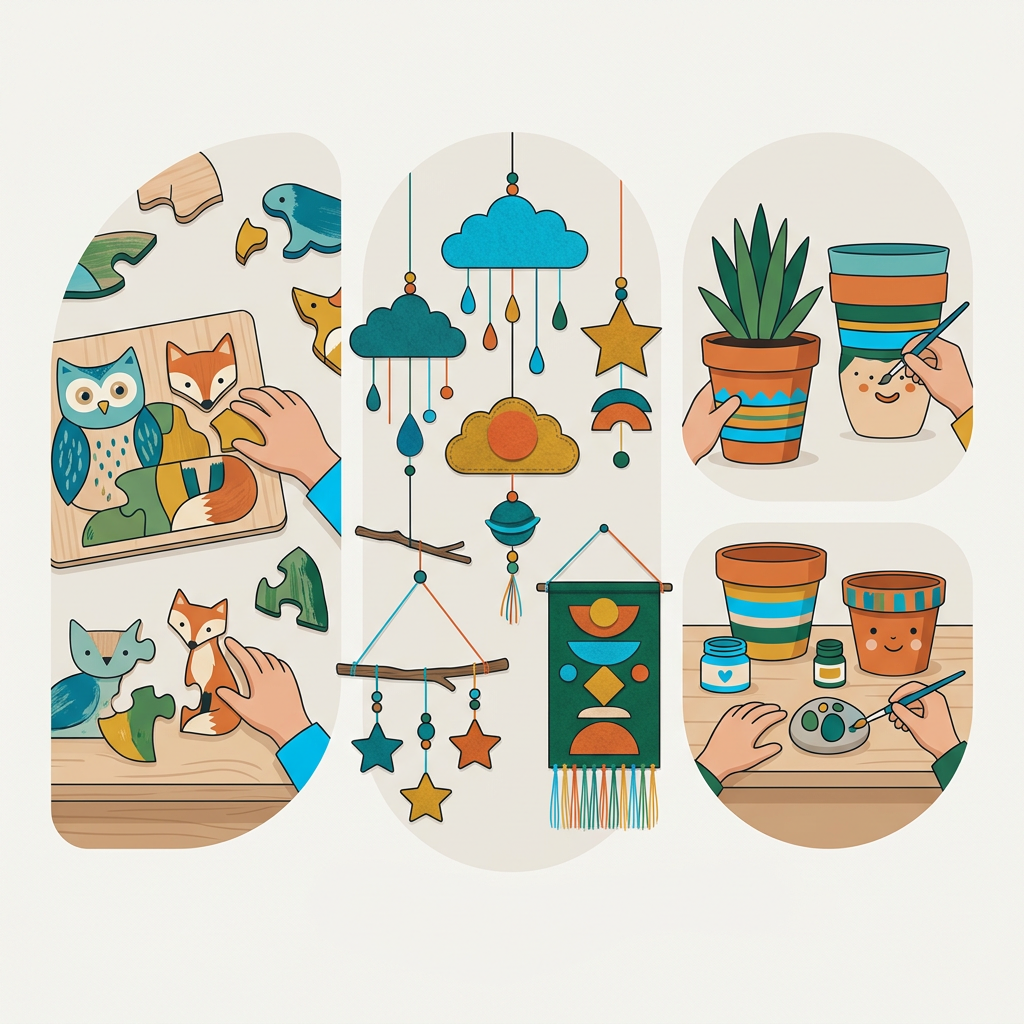
- Decorated Pots. Recycle cans or glass jars, paint and decorate them to use as pots for small plants or as pencil holders.
- Dreamcatchers. With hoops (which can be wicker or wire), threads, feathers, and beads, they can weave their own dreamcatchers.
- Origami and Advanced Paper Folding. From animal figures to small boxes, origami offers a rewarding challenge for this age.
Packaging Materials
Many crafts can utilize materials from packaging. Kraft cardboard, bubble wrap (for paint textures, although bubble wrap should be used with caution) or even personalized wooden boxes (if not for a specific use) can be transformed into creative bases.
Tips for Adults to Foster Creativity
- Offer Options, Don't Impose: Allow them to choose the project that interests them most.
- Be a Facilitator: Prepare materials, help with the more difficult parts (like cutting or precise gluing), and supervise safety.
- Value the Process, Not Just the Result: Praise effort, creativity, and patience, beyond the perfection of the final product.
- Encourage Experimentation: Encourage them to try new techniques, mix colors, or use materials in unexpected ways.
- Create a Positive Atmosphere: Play music, talk about what they are creating, and enjoy the moment together.
- Display Their Creations: Showing their works at home or in a visible place increases their self-esteem and encourages them to continue creating.
30-60 minIdeal duration per activity
75%Spontaneous creativity
100%Guaranteed fun
Common Mistakes to Avoid
- Unrealistic Expectations: Don't expect museum-quality artwork. The process is more important than the perfect result.
- Excessive Intervention: Avoid constantly "correcting" their work or doing it for them. Allow them to make mistakes and learn from them.
- Lack of Variety: If the same crafts are always made, interest may wane. Introduce new materials and techniques regularly.
- Ignoring Safety: Do not underestimate the importance of supervision and using age-appropriate materials.
- Too Much Complexity: A project that is too difficult for their age can lead to frustration and demotivation. It is better to start with something easy and gradually progress.