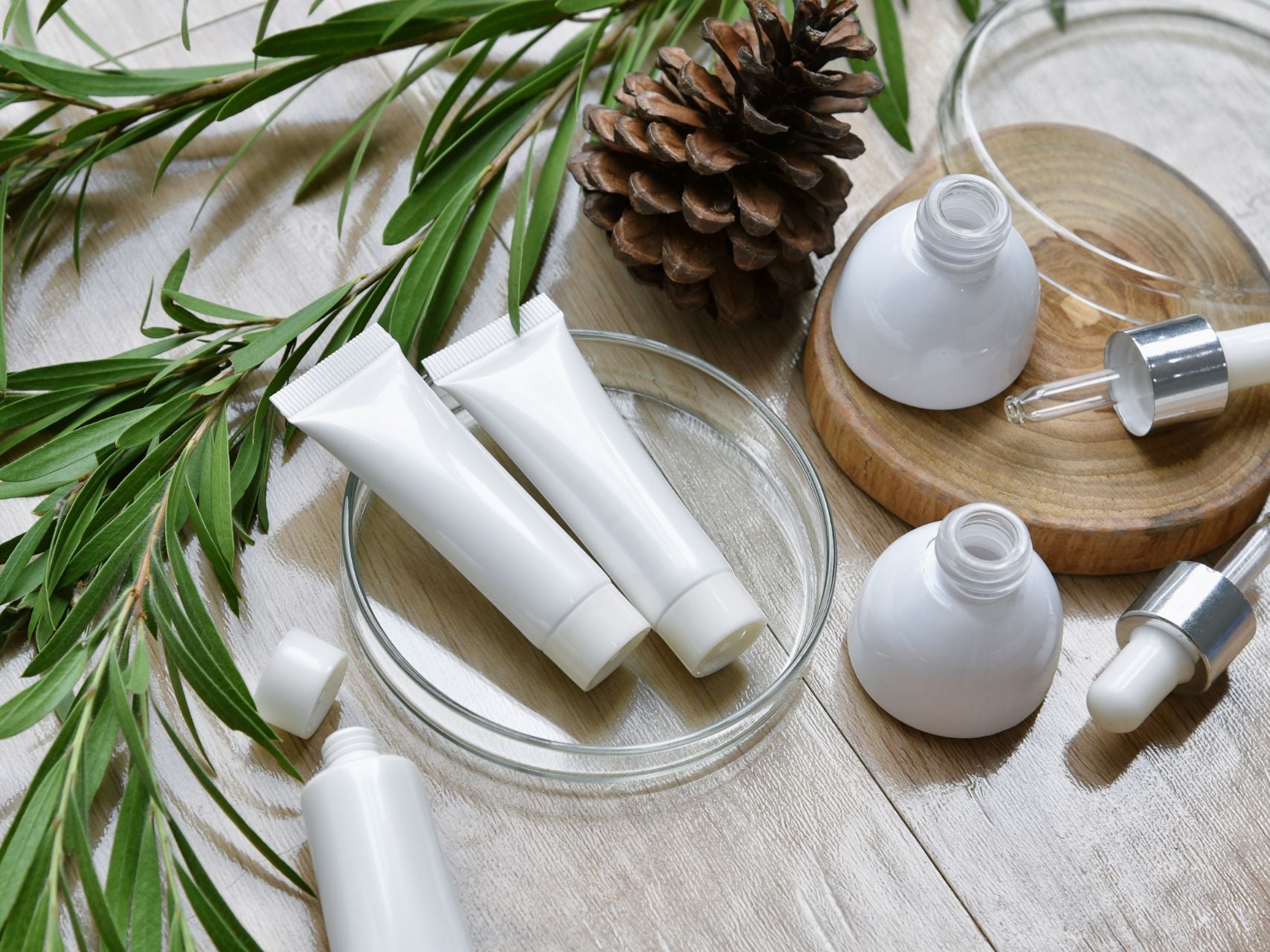
In recent years, single-dose packaging has gained prominence in multiple industrial sectors, from food to cosmetics and pharmaceuticals. This format, characterized by offering an individual and precise amount of product, responds to the demands of modern consumers who seek convenience, hygiene, and portability. However, the rise of these packages has also generated environmental concerns due to their impact on plastic waste generation. In this article, we will thoroughly analyze what single-dose packages are, their benefits, applications, challenges, and future trends.
The essentials
- Single-dose packages offer convenience, hygiene, and precise dosing for various products.
- They are widely used across food, cosmetics, pharmaceuticals, cleaning, and hospitality sectors.
- A significant challenge is their environmental impact due to complex and difficult-to-recycle materials.
- Sustainable alternatives include recyclable/compostable materials, refillable systems, and improved education on recycling.
What are single-dose packages?
Single-dose packages are containers designed to hold and dispense a single portion or use of a product. They can come in different formats and materials, such as plastics, aluminum, glass, or biodegradable materials, depending on their content and application.
Their main function is to provide a predetermined amount of product, ready to be consumed or used without the need to measure, cut, or store leftovers. This feature makes them a practical and safe solution in contexts where precision, hygiene, and ease of use are priorities.
Main advantages of single-dose packages
- User convenience Portability allows consumers to carry essential products anywhere, from shampoo to a sauce.
- Hygiene and safety Reduced risk of cross-contamination as each dose is individually sealed.
- Precision in dosing Eliminates calculation errors and waste by providing exact amounts for application or consumption.
- Reduced product waste Prevents spoilage as the package is discarded after use, avoiding poor preservation.
- Greater stock and consumption control Allows for better management and reduces losses in various environments like hospitals or hotels.
Sectors where single-dose packages are used
Food and beverages
In this sector, single-dose packages have revolutionized out-of-home consumption. We can find them in:
- Sauces and dressings (mayonnaise, ketchup, oil, vinegar).
- Sugar, salt, and other condiments.
- Instant coffee or coffee capsules.
- Drinkable yogurts or smoothies.
- Alcoholic beverages in capsules or shots.
Furthermore, in the catering industry or on airlines, individual packages are essential for hygiene, logistics, and convenience reasons.
Cosmetics and personal care
Beauty and personal care products have also widely adopted this format, especially in:
- Single-dose facial masks.
- Creams and serums in ampoules.
- Promotional samples.
- Shampoos and gels in sachets for hotels or travel kits.
This facilitates both the user experience and logistics and stock control for brands. By having individually dosed and sealed units, it is easier to calculate production needs, make error-free shipments, and avoid waste from opened or contaminated products. Furthermore, single-dose packages allow for greater traceability and regulatory compliance, especially in sectors such as pharmaceuticals or food.
Traceability and Compliance
Single-dose packages enhance traceability and facilitate regulatory compliance, particularly crucial in pharmaceutical and food industries.
Pharmacy, supplements, and healthcare
In the pharmaceutical and nutrition fields, single-dose packages offer a safe and precise solution. Accurate dosing is key to ensuring treatment efficacy, preventing errors, and facilitating consumption anytime, anywhere.
They are widely used in:
- Liquid medicines or powders to dilute, in sachets or drinkable vials.
- Food supplements such as vitamins, collagen, or magnesium in sticks or ampoules.
- Ophthalmic and nasal solutions in sterile single-dose packages.
- Effervescent analgesics and cold remedies, prepared in individual sachets.
This format improves not only patient safety but also the consumer experience, especially for over-the-counter products taken at work, at the gym, or while traveling.
Household cleaning and hygiene products
Innovation in cleaning products has also adopted the single-dose format as a way to reduce waste and simplify use.
Common examples include:
- Washing machine or dishwasher detergent capsules, such as those from Ariel or Finish.
- Individual disinfectant wipes, widely used in restaurants, hospitals, or transport.
- Concentrated multi-purpose cleaning tablets, increasingly present in ecological brands.
These types of solutions are not only practical but also allow the user to better control consumption and reduce product excess.
Hospitality and tourism
In hotels, tourist apartments, airlines, and cruise ships, single-dose packages have become standard for reasons of hygiene, presentation, and logistical efficiency.
Some examples:
- Bathroom amenities in sachets or small bottles (gel, shampoo, conditioner, body lotion).
- Coffee, infusions, or sweeteners in individual format.
- Snacks or appetizers in single portions for minibars.
- Hygiene kits (toothbrush + toothpaste, wet wipes, comb).
In this sector, the design and quality of the packaging also directly influence customer perception. For this reason, many companies opt for personalized, recyclable packaging or packaging with a carefully designed aesthetic to reinforce their brand image.
Companies in hospitality often choose personalized and recyclable packaging with careful aesthetics to reinforce their brand image.
Children's products
The single-dose format also has strong growth in the children's sector, where ease of use and safety are fundamental.
Some notable uses:
- Porridges or purees in individual pouches, easy to carry and consume out of home.
- Powdered milk and cereals in measured doses for baby bottles.
- Wipes and hygiene products in individual sachets.
- Vitamin supplements or syrups in sticks or vials with a flavor adapted to the little ones.
These solutions help parents maintain an organized routine without carrying large quantities of product.
Men's cosmetics and sports products
More and more brands focused on men or athletes are turning to single-dose formats to offer convenient and functional solutions.
- Creams, shaving gels, or aftershave in sachets or single doses for the gym or travel.
- Energy or recovery supplements in individual sachets or drinkable gels.
- 2-in-1 shampoos and gels in small format, for the sports bag.
This format also allows brands to offer kits or combined packs, which facilitates cross-selling and improves the user experience.