Office Supplies: A Fundamental Pillar of Productivity and Organization
The essentials
- Office supplies are key to productivity and organization.
- The appropriate selection of materials impacts efficiency and well-being.
- Sustainability and ergonomics are increasingly relevant selection criteria.
- Proper office inventory management optimizes resources and reduces costs.
Classification and Types of Office Supplies
Writing and Correction Materials
- Pens and Fountain Pens: From economical oil-based ink pens to high-end fountain pens. The choice depends on frequency of use, writing surface, and personal preferences.
- Pencils: Graphite, mechanical pencils, colored pencils. Essential for drafts, technical or artistic drawing, and tasks requiring precision or correction.
- Markers and Highlighters: Permanent, dry-erase for whiteboards, fluorescent (highlighters). Fundamental for highlighting information, organizing ideas, or creating visual presentations.
- Correction Fluid/Tape: Liquid, tape, or pen-type. Essential for maintaining neatness in handwritten or printed documents.
Stationery Materials
- Paper: A4, A3 sheets, letter sizes, cardstock, notepads, post-its. Varieties by grammage, whiteness, color, and finish (gloss, matte). An important aspect is sustainability, with options for recycled paper or FSC certified.
- Envelopes and Folders: For organizing, filing, and sending documents. Different sizes, materials (cardboard, plastic, fabric), and closure systems (flap, elastic bands, rings).
- Notebooks and Planners: For note-taking, planning, and time management.
Filing and Organization Materials
- Filing Cabinets and Sorters: Lever arch files, ring binders, modular systems, archive boxes. They allow documents to be stored systematically for easy retrieval.
- Dividers and Indexes: To structure content within filing cabinets.
- Desk Trays and Magazine Files: Help keep the work surface clear and documents at hand.
Optimize your space
Consider vertical storage solutions to maximize space on small desks. Multi-compartment desk organizers are ideal for keeping pens, clips, and small accessories tidy.
Office Tools
- Guillotines and Trimmers: For cutting paper with precision.
- Hole Punches: Manual or electric, for preparing documents for filing in ring binders.
- Staplers and Staple Removers: Essential tools for joining or separating sheets.
- Adhesive Tapes and Dispensers: For sticking, repairing, or sealing. Includes clear tape, double-sided tape, masking tape, etc.
- Scissors and Box Cutters: Versatile cutting tools.
Presentation and Display Materials
- Whiteboards and Cork Boards: With their corresponding accessories (markers, erasers, thumbtacks).
- Projectors and Screens: For visual presentations.
- Flipcharts: Ideal for brainstorming and interactive sessions.
IT and Technological Consumables
- Ink Cartridges and Toners: For printers. The choice between original and compatible can influence cost and print quality.
- Storage Devices: USB drives, external hard drives, memory cards.
- Batteries: For wireless electronic devices.
Criteria for Selecting Office Supplies
- FunctionalityDoes the material fulfill its purpose efficiently?
- Quality and DurabilityInvesting in durable products reduces the need for replacement.
- ErgonomicsComfort of use to prevent fatigue or injuries.
- SustainabilityRecycled, recyclable, or low environmental impact materials.
- Cost-BenefitBalance between price and long-term performance.
Impact of Quality and Ergonomics
Sustainability and Environmental Responsibility
- Products made from recycled materials (paper, plastic).
- Recyclable items at the end of their useful life.
- Rechargeable or reusable options (batteries, ink cartridges).
- Products with environmental certifications (FSC for wood and paper, eco-labels).
- Items manufactured with low carbon footprint processes.
Relevant certifications
Look for seals like FSC (Forest Stewardship Council) for wood and paper products, or the EU eco-label for products meeting high environmental standards.
Efficient Management of Office Supply Inventory
- Initial Audit. Conduct a complete inventory of existing materials to know what you have and in what quantity.
- Setting Reorder Points. Define a minimum level for each item that, when reached, triggers a replenishment order. This prevents running out of stock.
- Consumption Control. Monitor the frequency and quantity of use for each item. This helps forecast future needs and adjust purchase volumes.
- Supplier Evaluation. Compare prices, delivery times, service quality, and sustainability options among different suppliers to obtain the best conditions.
- Organized Storage. Designate a specific space for office supplies, keeping it clean, tidy, and easily accessible. A metal cabinet or industrial shelving can be very useful.
- Promote Responsible Use. Encourage users to reuse and care for materials to extend their lifespan and reduce waste.
"Efficiency in the office begins with organization, and organization is sustained with well-selected and managed office supplies."
Common Mistakes in Office Supply Management
- Impulse Purchases: Acquiring large quantities of unnecessary items just because they are on sale, without considering storage space or expiration dates.
- Lack of Inventory: Not knowing what you have and what you need, leading to duplicate purchases or running out of essential items.
- Disorganization: Dispersed or poorly stored materials, making it difficult to find what is needed and potentially leading to loss or deterioration.
- Ignoring Quality: Always opting for the cheapest option without considering durability or functionality, which often proves more costly in the long run.
- Not Considering Sustainability: Overlooking ecological options, which can be a lost opportunity to reduce environmental impact and improve corporate image.
Beware of perishable stock
Some materials, such as inks or adhesives, have a limited shelf life. Pay special attention to their expiration dates to avoid losses and ensure their proper functioning when needed.
Customization and Branding in Office Supplies
- Writing Instruments: Pens with engraved or printed logos.
- Stationery: Letterheads, envelopes, and notepads with the company masthead.
- Folders and Binders: Custom designs that reflect the corporate image.
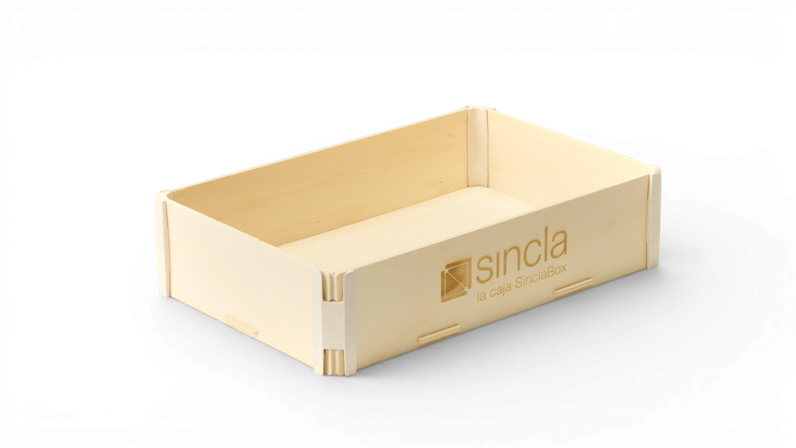
- Promotional Material: Small office gifts, such as notebooks or markers, which can be part of an unboxing experience if delivered in custom wooden boxes.
The Future of Office Supplies
- More ecological materials: Biodegradable, compostable, or with a closed life cycle.
- Smart design: Products that integrate technology for greater efficiency (e.g., interactive whiteboards, digital pens).
- On-demand customization: 3D printing of office items, adapted to specific needs.
- Subscription models: Automated and ecological supply of basic materials.