Omnichannel in Today's Commerce: Keys to a Seamless Customer Experience
omnichannel strategyThe Essentials
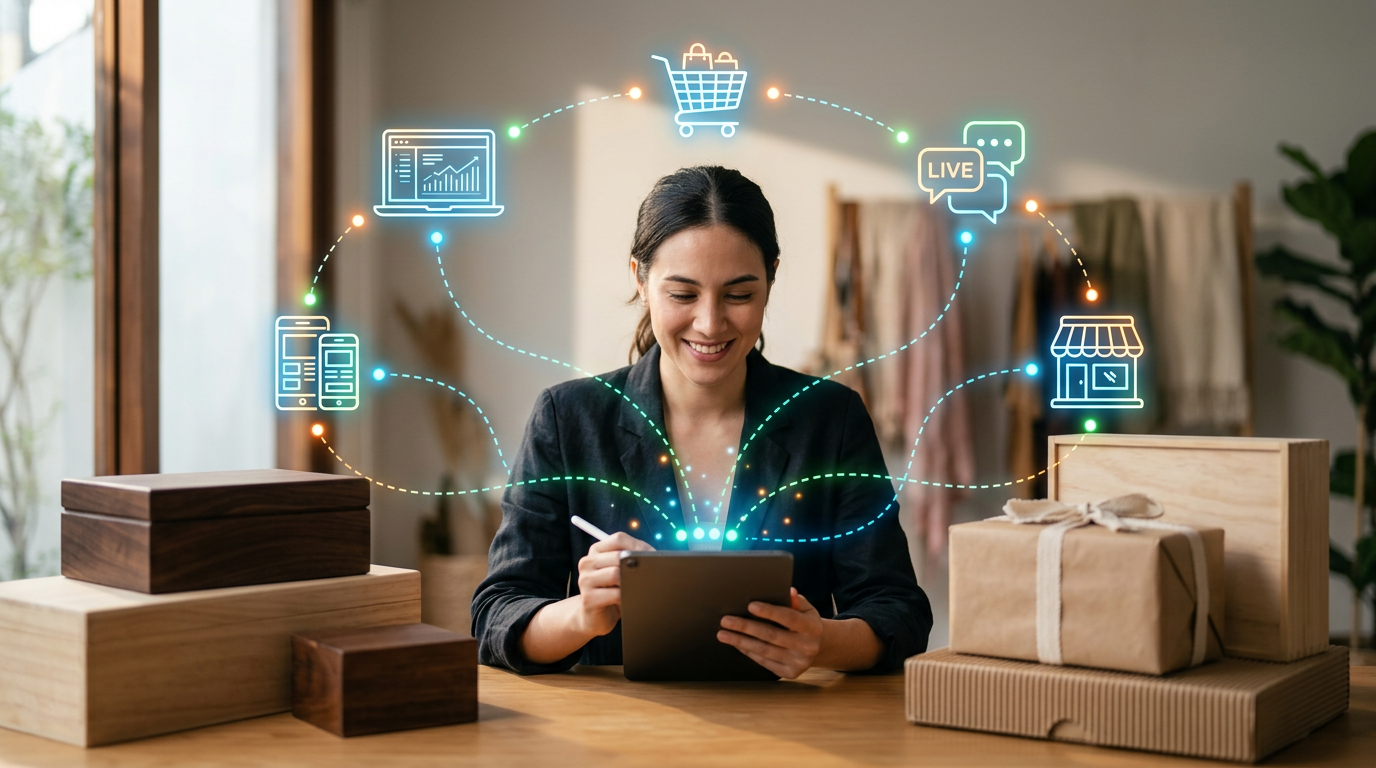
- Omnichannel aims for a fluid and integrated customer experience across all touchpoints.
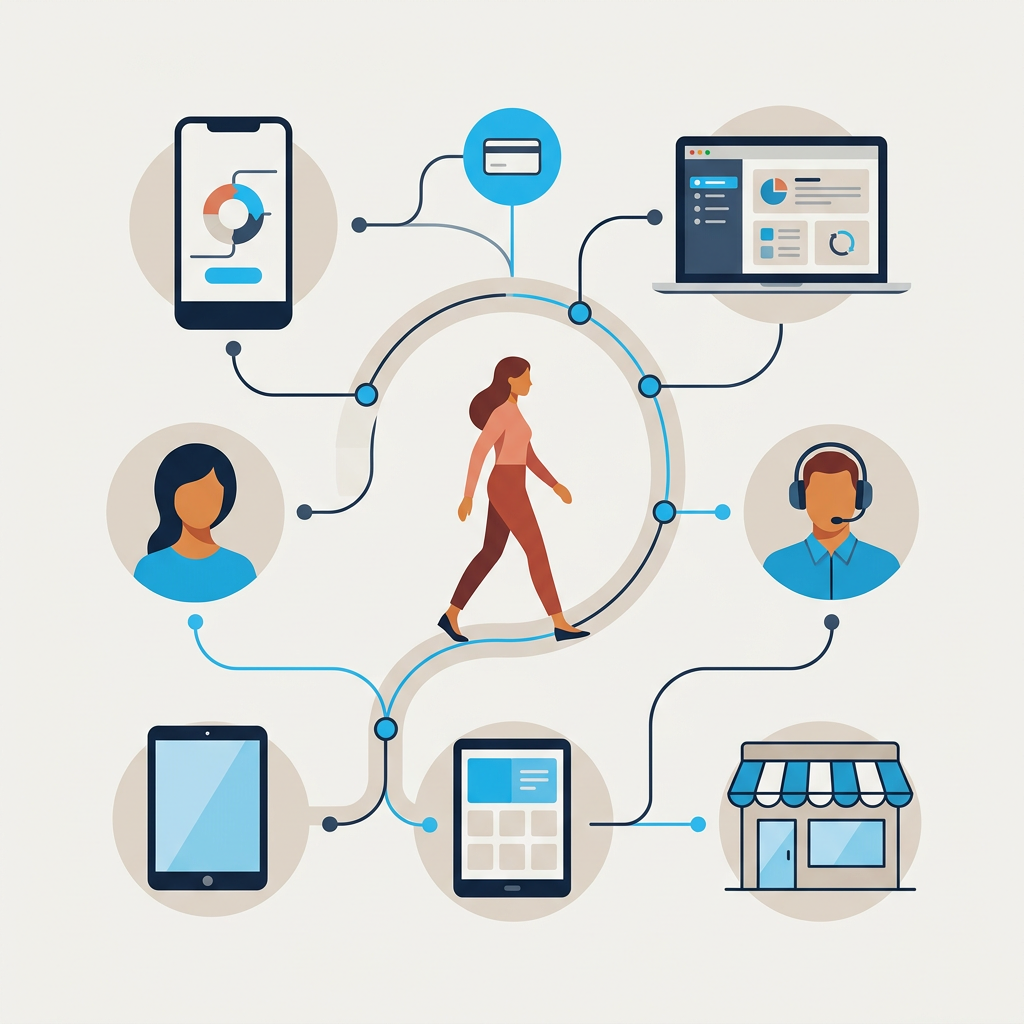
- It differs from multichannel by constant connection and consistency in information.
- Packaging and product design are critical elements in an omnichannel strategy.
- Sustainability and personalization are key trends reinforcing omnichannel.
- Customer data is essential for optimizing the omnichannel experience.
Differentiating Omnichannel, Multichannel, and Cross-channel
- MultichannelPresence across multiple channels, but operating in isolation.
- Cross-channelChannels communicate at specific points, but there is no deep integration.
- OmnichannelAll channels are integrated and coordinated, creating a unified customer view.
Customer at the Center
Omnichannel flips the logic: instead of the customer adapting to the company's channels, it's the company that adapts to the customer's journey, offering a fluid and consistent experience.
The Role of Packaging in the Omnichannel Strategy
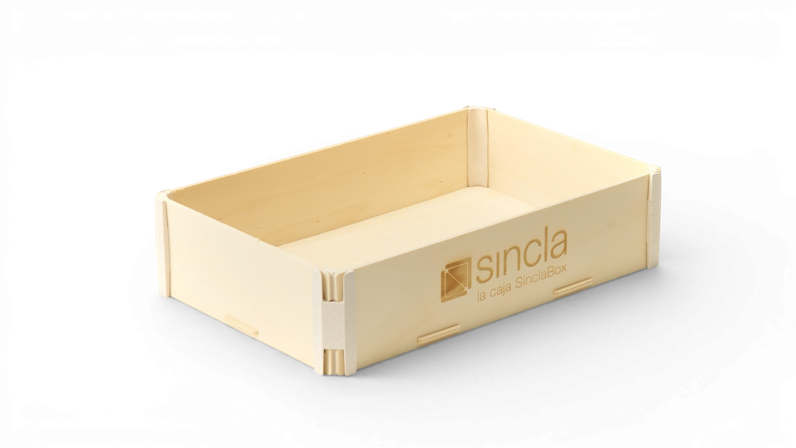
custom wooden boxes1. Brand Consistency and Design
Visual Reinforcement
Well-designed packaging, consistent with brand identity, reinforces the message the company sends through its digital channels, creating a unified experience.
2. Connecting the Physical and Digital Worlds
- QR and NFC Codes: Including QR codes or NFC tags on the packaging can direct customers to specific landing pages, usage tutorials, exclusive promotions, brand history, or even a space to leave reviews.
- Augmented Reality (AR): Some brands are exploring AR through packaging, allowing customers to use their smartphone to visualize the product in 3D or interact with additional content.
- Social media: Inviting customers to share their unboxing experience on social media, using specific hashtags, connects the physical moment with the brand's social and digital environment. See also: How to Create Instagrammable Packaging Without Losing Authenticity.
3. Personalization Options and Premium Experience
- Laser engraving or screen printing: On wooden or rigid cardboard boxes, allows for incorporating logos, personalized messages, or unique patterns.
- Hot stamping: Adds a metallic or bright color touch, ideal for high-end products.
- Sustainable materials: The use of FSC (Forest Stewardship Council) wood, birch plywood, or recycled kraft cardboard not only complies with environmental regulations but also communicates a brand commitment that resonates with an increasingly conscious type of consumer.
- Inserts and fillers: Custom foams, tissue paper, wood shavings, or fabric can protect the item and enhance the unboxing experience.
| Material | Characteristics | Typical Finishes | Sustainability | |
|---|---|---|---|---|
| Solid wood | Resistant, natural aesthetic. | Ideal for luxury and durable products. | Laser engraving, pyrography, varnishing. | High (if FSC or recovered). |
| Plywood | Lightweight, stable, versatile. | Suitable for gift boxes and sets. | Screen printing, laser engraving, lacquering. | Medium-High (depending on origin). |
| MDF (Medium-density fibreboard) | Smooth, dense, easy to paint. | Economical option for uniform finishes. | Painting, lacquering, pad printing. | Medium (binding components). |
| Kraft cardboard | Lightweight, recyclable, economical. | Excellent for e-commerce and rustic aesthetics. | Digital printing, screen printing, stickers. | High (especially if recycled). |
| Rigid cardboard | Solid structure, great finish. | Perfect for presentation boxes and cases. | Hot stamping, laminating, die-cutting. | Medium-High (depending on recycled content). |
4. Valuable Information and Feedback
EcoGreen Consciousness
QRDigital Connection
UnboxingMemorable Experience
Implementing an Effective Omnichannel Strategy
1. Customer Journey Mapping
2. Data Integration
free sampleCentralized Data
Data integration is the backbone of omnichannel. Without a single view of the customer, consistency of experience is impossible to achieve.
3. Communication and Branding Consistency
Where to Place Your Logo on Your Box4. Staff Training
Picking and Packing: Optimising Preparation and Shipping5. Appropriate Technology
True omnichannel isn't about the quantity of channels, but the quality of connection between them, always centered on the customer.
Benefits of Omnichannel for the Customer and the Brand
- Convenience: The ability to interact with the brand at the time and place of their choosing.
- Personalization: Receiving offers and communications tailored to their preferences.
- Consistency: Not having to repeat information or experience contradictory messages.
- Trust: A brand that "knows" the customer inspires greater loyalty.
- Increased customer satisfaction: Happier customers are more loyal customers.
- Increased sales: A fluid experience removes friction and encourages purchases.
- Cost optimization: Although initial implementation can be costly, efficiency improves in the long run.
- Better customer understanding: A unified view of data allows for more informed decisions.
- Competitive advantage: Standing out in a saturated market by offering a superior experience.