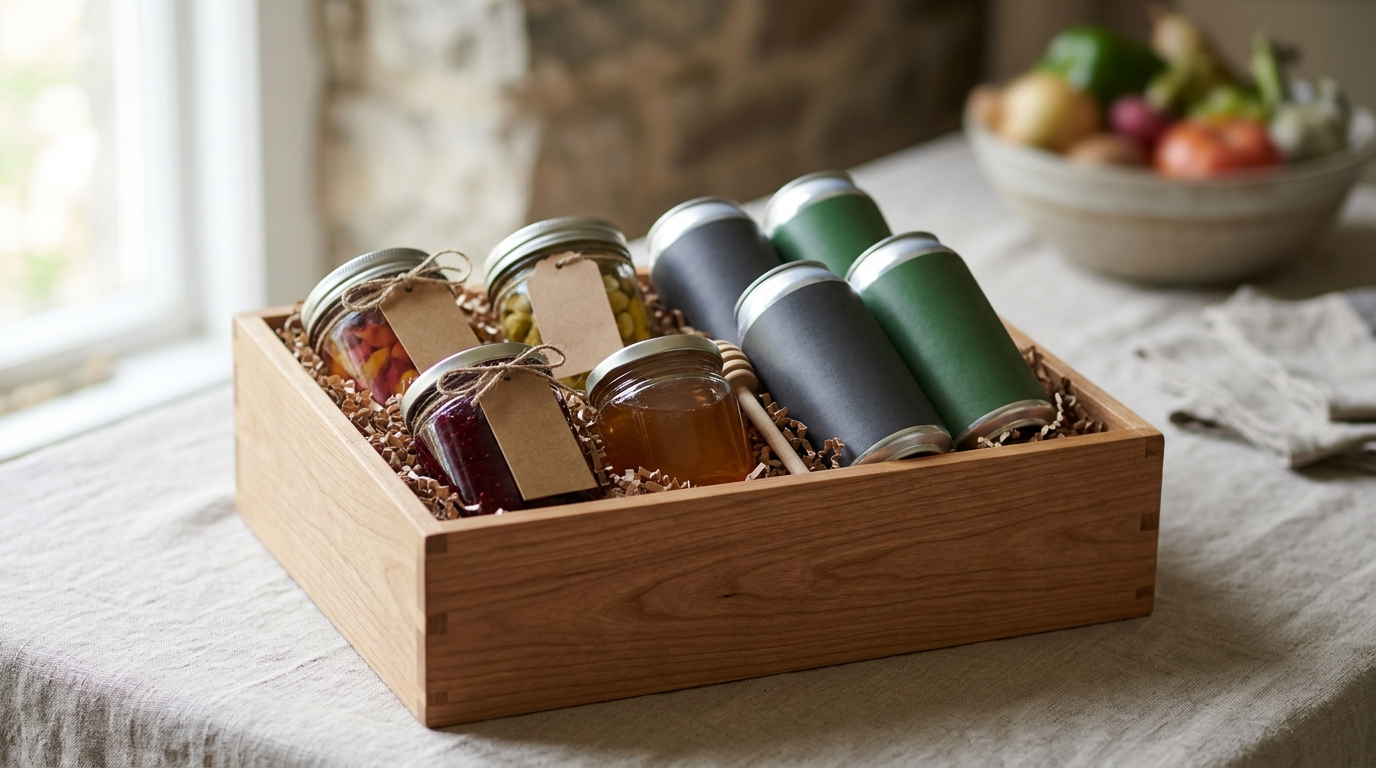
The Challenge of Presenting Excellence: Packaging for Gourmet and Delicatessen Preserves
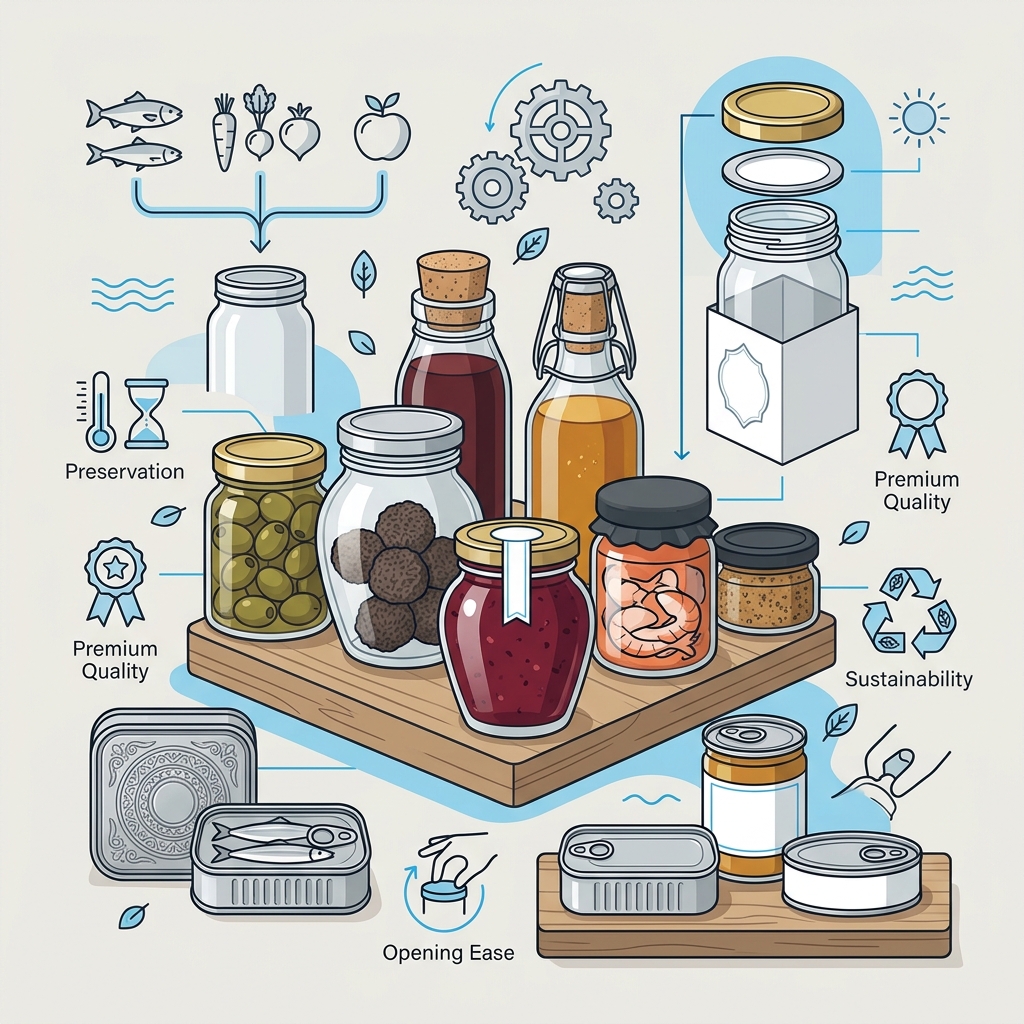
The haute gastronomy market is unforgiving of careless presentation. When consumers choose to invest in a superior category product, the visual and tactile experience of the packaging must match the contents. Packaging for gourmet and delicatessen preserves is not a mere container; it is the first physical point of contact with product quality, the element that justifies the price, and the factor that triggers the purchasing decision on retail shelves or during an online unboxing.
The Essentials
- Gourmet packaging must protect cans and jars without diminishing their visual prominence.
- The choice of materials (such as wood or premium cardboard) drives the perception of exclusivity.
- Structural design requires dedicated securing elements to prevent breakage during transport.
- Customization options (engraving, screen printing) add the final touch of luxury to the presentation.
Addressing the design and selection of appropriate packaging involves balancing aesthetics, functionality, and sustainability. Preserves, by their very nature, are typically packaged in glass or metal—heavy materials that, in the case of glass, are also fragile. Therefore, the outer box must guarantee product integrity during handling and shipping while simultaneously elevating the unboxing experience for gourmet stores.
Materials: The Foundation of Exclusivity
Material selection is the first critical step in conceptualizing packaging. Each substrate conveys different values and offers distinct technical capabilities. In the delicatessen sector, the prevailing trend in 2026 shifts away from single-use plastics to embrace natural and sustainable options that reflect the artisanal origin of the preserves.
-
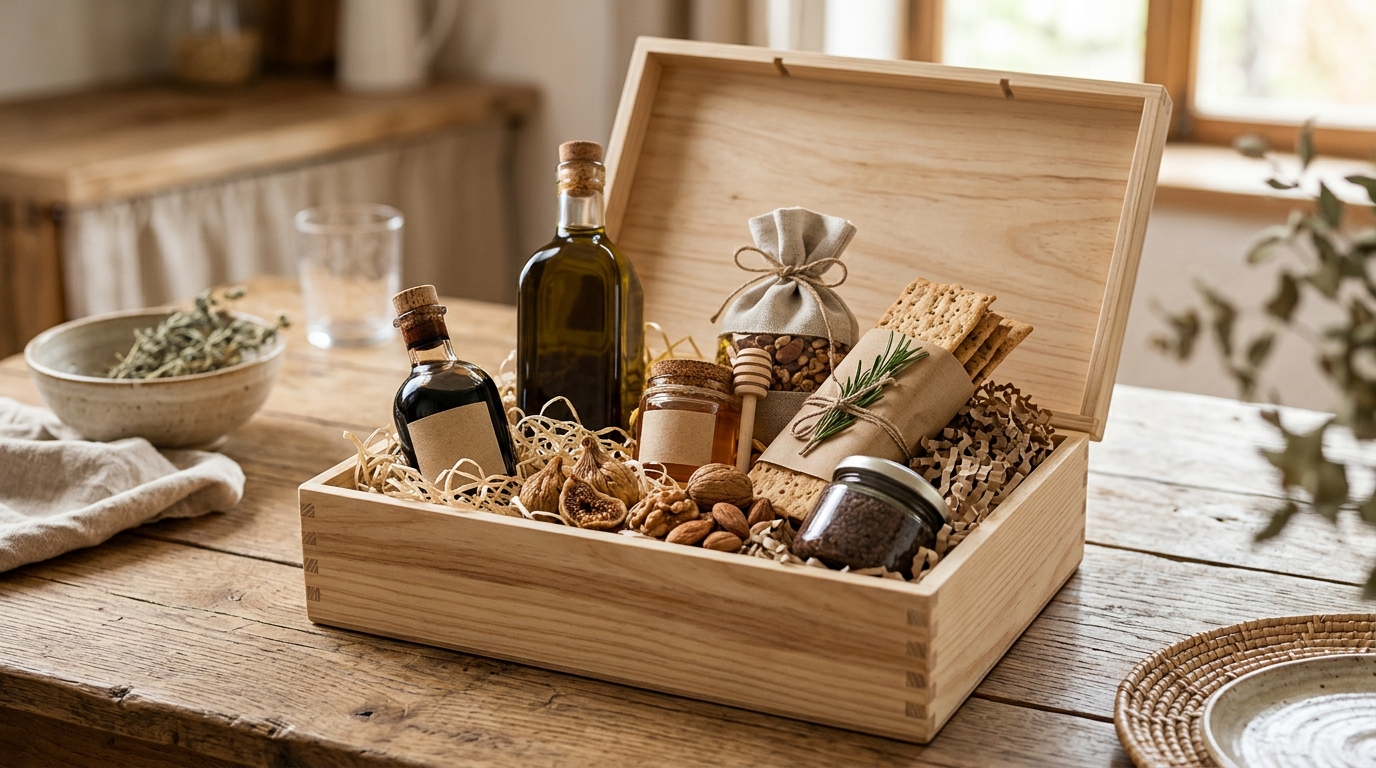
Solid Wood or Plywood Conveys tradition, sturdiness, and high perceived value. Ideal for gift boxes and high-end sets.
-
Lined Rigid Cardboard Provides a perfect surface for high-definition printing and special finishes such as hot stamping.
-
MDF (Medium-Density Fiberboard) Offers smooth, uniform surfaces, exceptionally well suited for precision routing and lacquering.
-
Heavyweight Kraft Cardboard Brings a rustic, organic look, highly valued in organic preserves and limited editions.
Debates surrounding the advantages of wood versus cardboard in packaging are common, but the final choice depends on brand positioning, budget, and logistical requirements. An FSC-certified wooden box, for instance, earns sustainability credentials and offers a second life in the consumer's home, serving as a permanent brand reminder.
Structural Design: Protection and Display
The technical challenge of packaging for preserves lies in the need to immobilize heavy and often cylindrical containers. A jar of wood-roasted piquillo peppers or a tin of Galician ría cockles cannot shift freely inside the box; impacts between them can cause anything from minor dents to total breakage in e-commerce shipments.
To solve this, interior design is just as important as the exterior. Inserts or trays are critical components. These can be manufactured using various materials:
- Die-cut Cardboard or Wood Inserts: Allow the creation of cavities tailored precisely to the can or jar. They are aesthetically clean and eco-friendly.
- Wood Wool or Kraft Paper Shreds: Fill empty spaces and cushion impacts. They provide a traditional "pantry" look, perfectly aligned with artisanal preserves.
- Technical Foams (EVA or PU): While less eco-friendly (except for recycled variants), they offer maximum protection for very fragile or heavy glass jars.
Weight Is the Enemy
Never underestimate the combined weight of multiple preserves. If using cardboard boxes, ensure that the grammage and bottom design can support loads exceeding 2–3 kg without warping or opening when lifted.
Popular Formats in the Delicatessen Sector
Presentation varies significantly depending on the sales channel and the purpose of the set. Custom wooden boxes adapt to numerous configurations:
| Format | Description | Ideal Use |
|---|---|---|
| Single or Duo Box | Fitted boxes for one or two flagship products (e.g., caviar, truffles). | High-end corporate gifts, exclusive tastings. |
| Trunk-style or Sliding Lid Box | Medium capacity, accommodates 3–5 assorted preserves. | Themed gift sets (e.g., "Cantabrian Aperitif," "Vegetable Selection"). |
| Presentation Trays | Open bases without a top lid or with a clear window lid. | Display cases, gourmet store windows, and open gift baskets. |
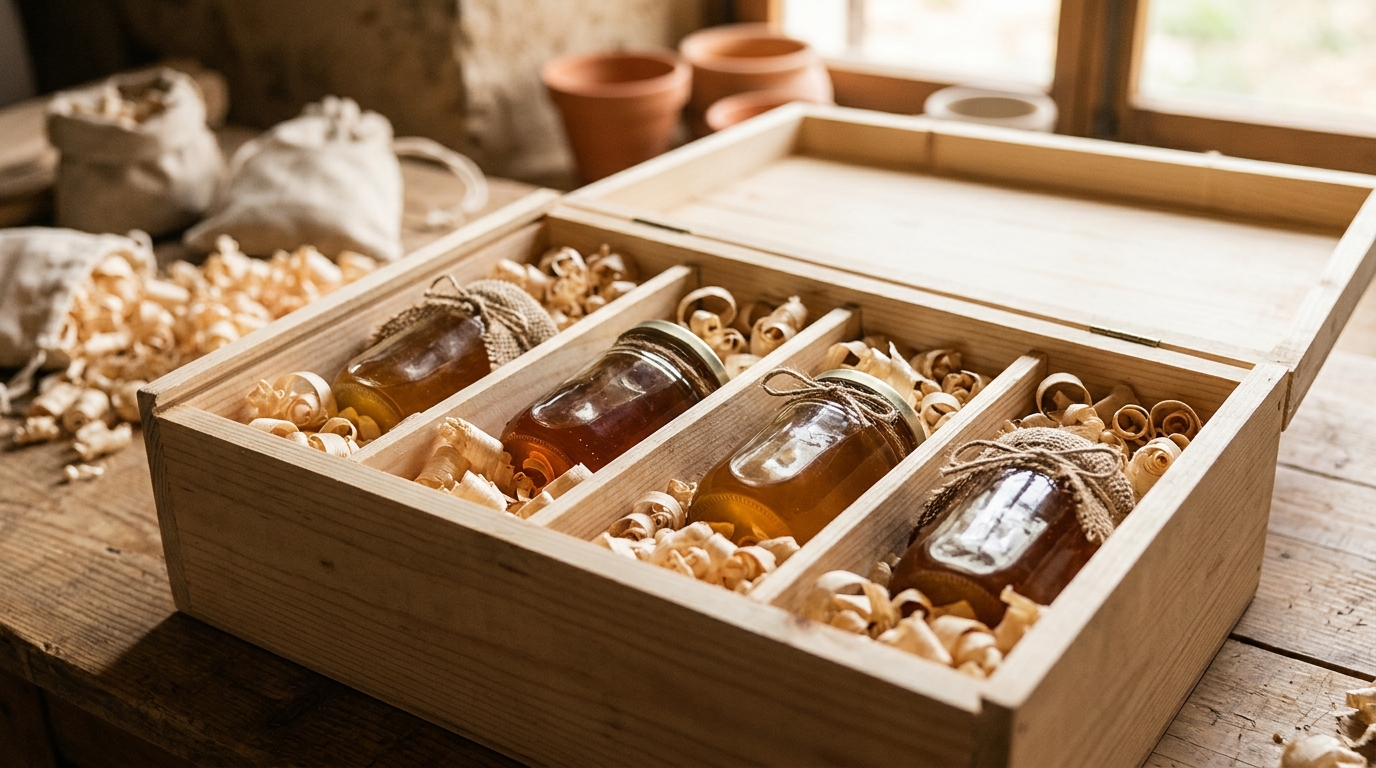
| Compartmented Boxes | Interior divided by fixed rigid dividers. | Collections of jams, patés, or honeys in varied flavors. |
Special attention should be given to wooden boxes for artisanal honey and jams, where the transparency of the jar interacts with the warmth of the outer packaging, creating sets in high demand during holiday seasons or as premium travel gifts.
Customization and Finishes: Setting Yourself Apart
A quality package without brand identity is a missed opportunity. Customization turns a generic container into a silent ambassador for the delicatessen brand. Marking techniques must be chosen in alignment with the texture of the base material.
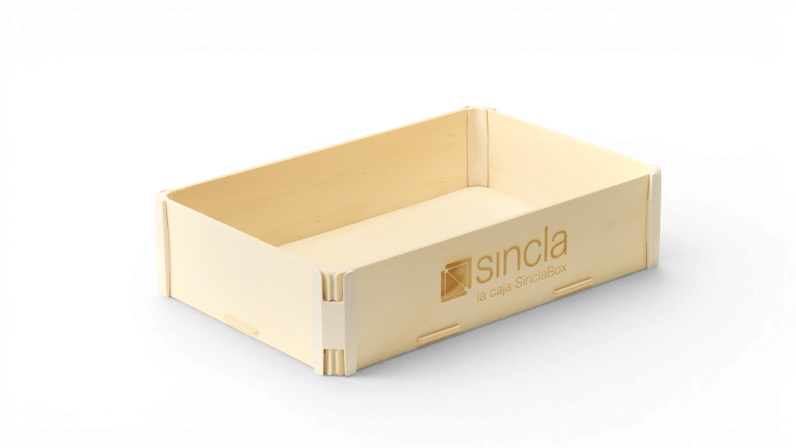
On wooden or thick kraft cardboard surfaces, laser engraving is exceptionally popular. It burns the surface to create an indelible, dark bas-relief that conveys permanence and craftsmanship. Meanwhile, screen printing allows the application of solid colors (ideal for specific corporate logos), whereas pad printing is useful for irregular surfaces or intricate details.
For lined rigid boxes, techniques such as hot stamping (foil stamping with metallic foils, typically gold, silver, or copper) or embossing/debossing (ink-free relief) instantly elevate the perception of luxury. These finishes are standard practice in the caviar and jumbo-caliber canned seafood sectors.
"Packaging is not the wrapper of the product; in the luxury tier, packaging is part of the product itself."
Key Steps to Implement New Gourmet Packaging
If you are planning to update or launch a new line of boxes for preserves, follow a methodical process to avoid costly mistakes:
- Define the exact assortment: Measure jars and tins (diameter, height, weight) with millimeter precision. A single millimeter discrepancy can render an insert unusable.
- Determine required structural strength: Calculate total package weight and simulate drops or stacking. Establish whether the box is meant for direct retail, courier shipping, or both.
- Select materials matching brand values: Ensure you use certified or recyclable options to comply with standards for sustainable packaging for eco-friendly brands.
- Request prototypes: Never approve mass production without physically placing your product into a free sample or prototype to verify fit and ease of assembly.
Labeling Regulations
Remember that the outer packaging of a multi-item food pack typically requires specific labeling under European or local regulations. It must indicate at least contents, total net weight, consolidated allergens, and responsible business operator details, unless this information is clearly legible through the outer packaging.
The Role of Packaging in Seasonal Campaigns
The delicatessen preserves market experiences sharp demand peaks during specific periods of the year, especially Christmas. Preparing exclusive sets and baskets is an essential commercial strategy. Accurately defining the budget for corporate Christmas gifts requires balancing the cost of the gourmet food item with that of the container.
A well-designed box not only drives seasonal sales, but also works wonders for product presentation at trade shows and events, where capturing the visual attention of distributors and specialized press is the first step toward commercial success.