The Impact of Product Presentation at Trade Shows and Events
Product presentation at trade shows and events is a fundamental element for capturing the public's attention, standing out from the competition, and conveying brand values. In environments where visitors are bombarded with stimuli, the way items are displayed can be the decisive factor in generating interest, encouraging interaction, and ultimately closing sales or establishing key business contacts. In 2026, the trend leans toward sustainable, modular, and aesthetically flawless setups, where materials like wood take center stage.
Key Takeaways
- An effective presentation at events maximizes visibility and reinforces corporate identity.
- Sustainable materials, such as certified wood, enhance brand perception.
- Modularity and ease of assembly are essential for trade show logistics.
- Customization through techniques like laser engraving helps you stand out.
Why Standing Out in the Exhibition Environment Is Crucial
Participating in an industry trade show or a pop-up event requires a significant investment of time and resources. Therefore, making that presence profitable requires designing a booth that does not go unnoticed. Product presentation is not merely about placing items on a table; it involves designing a visual and tactile experience that tells a story.
Good display design guides the visitor's eye toward flagship products, facilitates understanding of their features, and conveys quality. Additionally, an orderly and attractive environment invites people to approach and start a conversation, which is vital for networking.
The Power of the First Few Seconds
Trade show visitors typically decide whether to stop at a booth in under 5 seconds. A structured display featuring natural elements, such as wooden displays and trays, can significantly increase the chances of holding their attention.
Strategies for an Effective Display
To make products shine at an event, it is necessary to carefully plan various aspects of the presentation. From spatial layout to lighting, every detail matters.

Visual Hierarchy and Layout
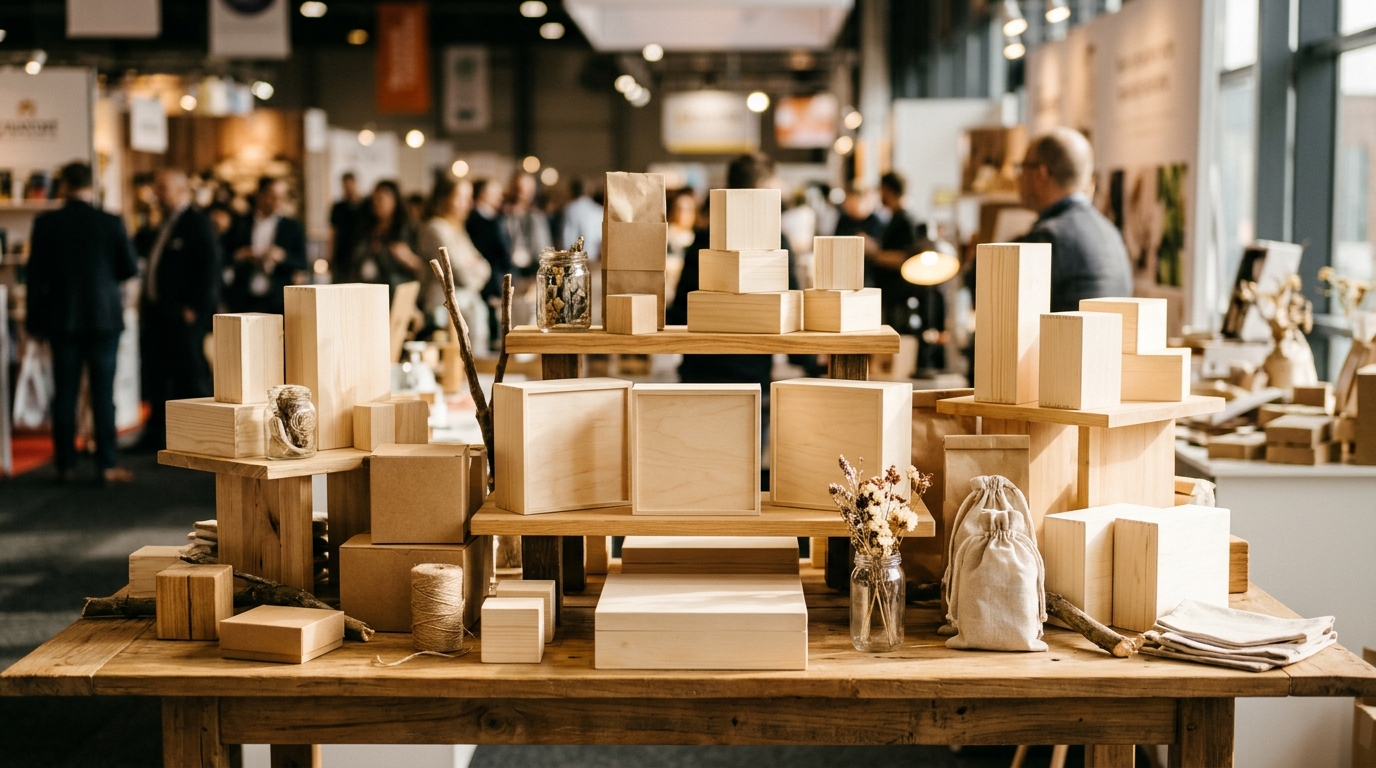
Not all products hold the same level of importance. It is advisable to establish a clear visual hierarchy, placing new arrivals or higher-margin items in the most accessible areas and at eye level. Using different heights through plinths, shelves, or tiered trays creates dynamism and avoids the visual monotony of flat surfaces.
Grouping by Theme or Product Line
Organizing products by collections, colors, or uses makes it easier for visitors to understand the catalog intuitively. For instance, in the cosmetics sector, grouping items into dedicated packaging such as boxes for natural cosmetics sets helps contextualize the product and suggests cross-selling opportunities.
Strategic Lighting
Light is one of the most powerful tools in product presentation. Proper lighting highlights the textures, colors, and details of the items. It is important to avoid harsh shadows and ensure that light sources do not blind visitors. Combining general booth lighting with directional spotlights aimed at displays usually yields the best results.
-
Eye LevelKey products should be positioned between 1.20 m and 1.70 m from the floor.
-
White SpaceLeaving breathing room between products conveys exclusivity and order.
-
AccessibilityAllowing customers to touch the product increases purchasing interest.
-
Clear SignagePrices and descriptions should be legible yet non-intrusive.
The Use of Wood in Displays and Trays
The choice of materials for displays plays a decisive role in the image projected by the booth. Compared to alternatives like acrylic or metal, wood provides warmth, elegance, and a strong connection to sustainability—values highly appreciated by modern consumers.
Benefits of Wooden Displays
Wooden elements, whether made from plywood, MDF, or solid pine, provide a timeless aesthetic that suits a wide range of industries, from gourmet food to fashion and artisan crafts. Its versatility allows for everything from small tasting trays to large modular shelving units.
Furthermore, wood is a robust material that withstands the typical wear and tear of trade shows, including repeated transport, assembly, and dismantling. Opting for FSC-certified (Forest Stewardship Council) wood reinforces a brand's commitment to the environment, a topic covered extensively in guides on sustainable packaging.
Modularity to Streamline Logistics
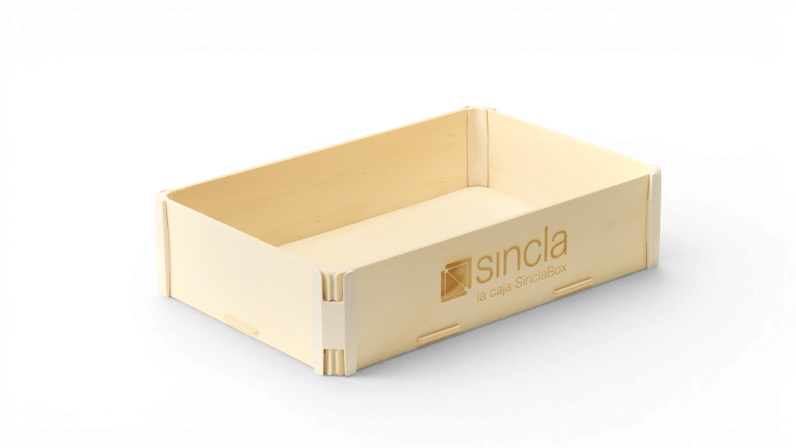
For touring trade shows, it is highly practical to use displays that can be assembled without tools using interlocking slot systems. This reduces setup times and shipping costs, as they can travel flat-packed while taking up minimal space.
Types of Wooden Display Solutions for Trade Shows
Various types of wooden display elements exist, each suited to different purposes within the booth:
- Stackable trays: Ideal for organizing small or bulk products. They maximize vertical counter space.
- Modular crates: Styled after traditional fruit crates but with refined finishes. They can be arranged in various configurations to build temporary shelving units.
- Countertop displays: Small risers or tiered displays perfect for showcasing jars, vials, or small bottles.
- Display boxes with transparent lids: Highly useful for valuable items, such as jewelry or accessories, protecting them from dust and unwanted handling.
| Material | Durability | Weight | Ideal for... |
|---|---|---|---|
| Plywood | High | Lightweight | Flat-pack modular displays. |
| MDF | Medium | Medium | Smooth painted or lacquered finishes. |
| Solid wood (pine) | High | Heavy | Premium booths or permanent fixtures. |