Recycling is an important process for preserving the environment and reducing the amount of waste generated in society. To encourage this habit, recycling symbols have been created that allow for easy identification of materials that can be recycled. This article will describe the meaning and application of these symbols in packaging.
The essentials
- Recycling symbols are pictograms that indicate the possibility of recycling a material, simplifying waste separation.
- These symbols are international, but recyclability can vary by location.
- It's crucial to understand each symbol's meaning and local recycling policies.
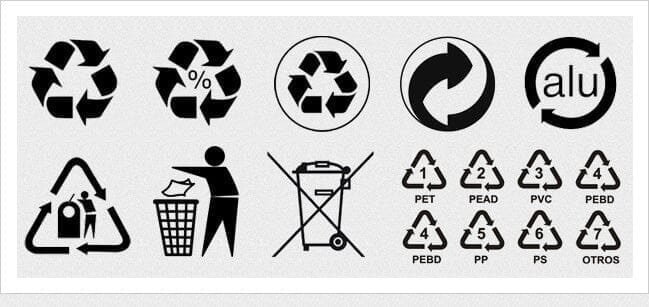
Recycling symbols are pictograms that indicate the possibility of recycling a material. These symbols have been created to simplify the task of separating waste and to make the process more accessible to everyone. These symbols are international and are used worldwide to identify materials that can be recycled. The most common recycling symbols are the crossed-out wheelie bin symbol, the plastic bottle symbol, the aluminium can symbol, and the glass bottle symbol. These symbols are applied to a wide variety of products and packaging, and are used to identify materials that can be recycled.
In the case of packaging, recycling symbols are essential to facilitate the recycling process. By identifying recyclable materials, separating waste becomes easier and the efficiency of the recycling process improves. Furthermore, these symbols help to promote recycling among consumers by making them more aware of the importance of separating waste and recycling recyclable materials. Additionally, it is a reason to create eco-friendly packaging.
Local Policies Matter
It is important to note that not all materials with a recycling symbol are recyclable everywhere. Always check local recycling policies and regulations before separating waste.
Furthermore, it is important to highlight that recycling symbols are not only applied to packaging but are also used on other products, such as electronics, textiles, furniture, etc. These symbols have the same purpose as in the case of packaging: to identify recyclable materials and encourage recycling.
Main recycling symbols
All recycling symbols, whether on packaging or other products, ultimately serve to identify recyclable materials and encourage recycling practices.
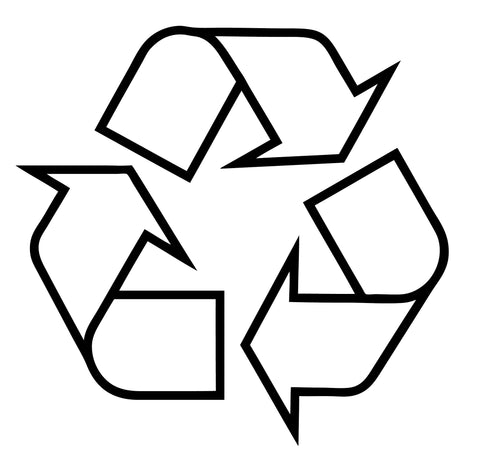
Mobius Loop: This symbol is used to identify products and packaging made from recycled materials. The Mobius loop represents the continuity and recycling cycle of materials.
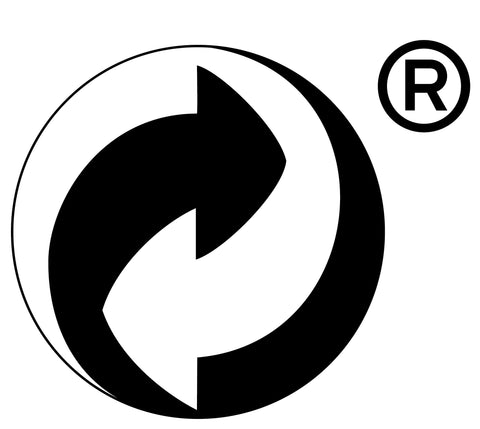
Green Dot: The Green Dot is a symbol that indicates the presence of recycled materials in the product or packaging. This symbol is used to encourage demand for recycled products and packaging and to incentivise consumers to choose more sustainable products.
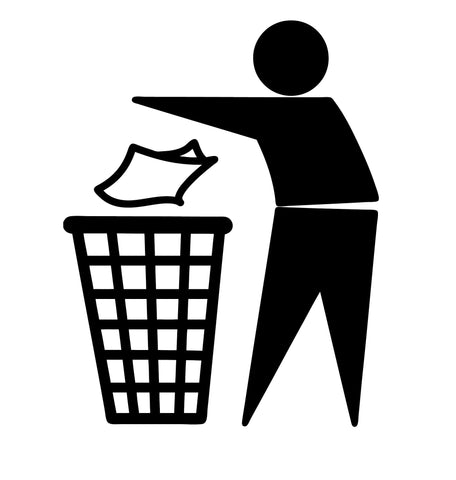
Tidyman: This symbol represents a person maintaining a tidy and collected posture. It is used to identify packaging and products that are easy to recycle and to encourage responsibility in waste separation.
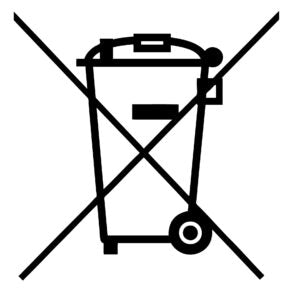
Electronic waste: This symbol is used to identify electronic products that must be recycled separately. Electronic waste can be harmful to the environment if not managed correctly, so it is important to identify them clearly.
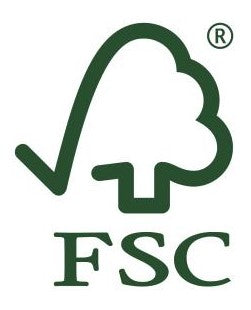
FSC: The FSC (Forest Stewardship Council) symbol is used to identify wood products that comply with forest sustainability standards. This symbol guarantees that the wood used in the product comes from responsibly and sustainably managed forests.
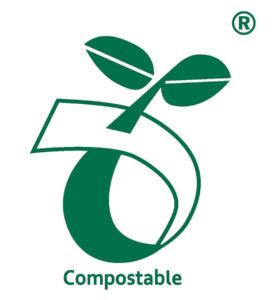
Composting: This symbol is used to identify products and packaging that are biodegradable and suitable for composting. These products can naturally break down and turn into fertiliser for plants.
OK Compost: This symbol indicates that the product or packaging is suitable for industrial composting. Products with this symbol can be recycled efficiently and without harming the environment.
OK compost HOME: This symbol is similar to OK Compost, but refers to home composting. Products with this symbol are suitable for home composting and can naturally decompose.
Glass: This symbol is used to identify glass containers that can be recycled. Glass is a highly recyclable material and its recycling contributes to the conservation of natural resources and waste reduction.
Plastic recycling: This symbol is used to identify products that are made from recycled plastic. Plastic recycling contributes to the conservation of natural resources and waste reduction.
Wood recycling symbols
In the case of wood, several recycling symbols are used to identify wood products that are sustainable and suitable for recycling. Some of the most common symbols include:
- FSC The Forest Stewardship Council (FSC) symbol certifies wood from responsibly and sustainably managed forests.
- PEFC The Programme for the Endorsement of Forest Certification (PEFC) indicates wood from forests complying with international management standards.
- Wood recycling Identifies wood products made from recycled wood, supporting resource conservation.
FSC: The Forest Stewardship Council (FSC) symbol is one of the most recognised in the field of sustainable wood. It indicates that the wood used in the product comes from responsibly and sustainably managed forests, complying with forest sustainability standards.
PEFC: The Programme for the Endorsement of Forest Certification (PEFC) is another symbol that identifies sustainable wood. It indicates that the wood used in the product comes from responsibly and sustainably managed forests and complies with international forest management standards.
Wood recycling: This symbol is used to identify wood products that are made from recycled wood. Wood recycling contributes to the conservation of natural resources and waste reduction.
In short, the use of recycling symbols on wood is important to encourage demand for sustainable wood products and to ensure that forests are managed responsibly and sustainably.
To correctly use recycling symbols, it is important to consider the following tips:
Ensure clear, legible, and authentic recycling symbols are used, corresponding to the correct product type and materials, without alteration.
- Understand the meaning of each symbol: Before using any recycling symbol, it is important to understand its meaning and ensure that the product complies with the corresponding standards.
- Use them correctly: Recycling symbols must be used clearly and legibly on the product's packaging. It is also important to ensure that the symbol is not altered or modified in any way.
- Use the appropriate symbols: Not all products are suitable for recycling and, therefore, not all can use the same symbols. It is important to ensure that the recycling symbol corresponding to the type of product and materials used is applied.
- Verify the authenticity of the symbol: It is important to verify the authenticity of the recycling symbol and ensure that it has been issued by a recognised entity.
In conclusion, recycling symbols are a key element for the success of the recycling process. Through their use, the identification of materials that can be recycled is facilitated and awareness of the importance of separating waste and recycling is promoted. It is important to remember that recycling symbols are not universal and may vary depending on the location, so it is essential to know local recycling policies and regulations. Ultimately, the use of recycling symbols is a step forward in promoting a more sustainable and environmentally responsible lifestyle.