The Strategic Relevance of Shoe Boxes in Industry and Commerce
The Essentials
- Shoe boxes are crucial for footwear protection, storage, and presentation.
- Material choice (cardboard, plastic, wood) depends on durability, aesthetics, and budget.
- Customization ranges from basic printing to premium finishes and structural design.
- Sustainability is a growing factor, driving the use of recycled materials and reusable designs.
- Aspects such as size, shape, and strength must align with the type of footwear and the box's purpose.
Essential Functions of Shoe Boxes
Key Fact
The unboxing experience, heavily influenced by the box, has become a key differentiator for footwear brands, especially in e-commerce.
Types of Shoe Boxes by Design and Construction
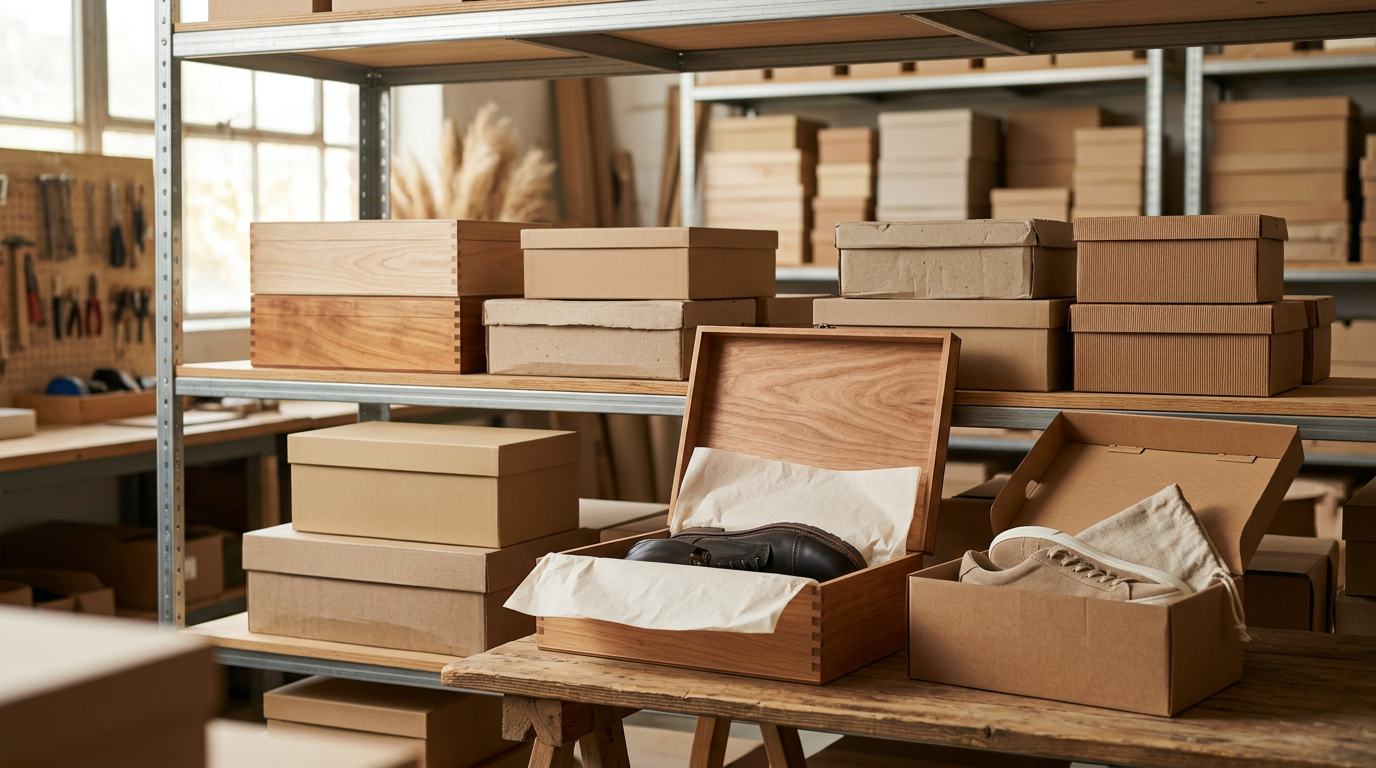
- Foldable or Corrugated Cardboard Boxes: These are the most common. Generally made from corrugated or solid board, they are delivered flat and assembled at the packing point. They are economical, lightweight, and easy to store before use. They offer good stacking resistance and are recyclable.
- Rigid or Assembled Boxes: These boxes come pre-assembled, with a more robust construction and often higher quality finishes. They are ideal for luxury or premium footwear, as their solidity and aesthetics convey superior value. They may include separate lids or hinges.
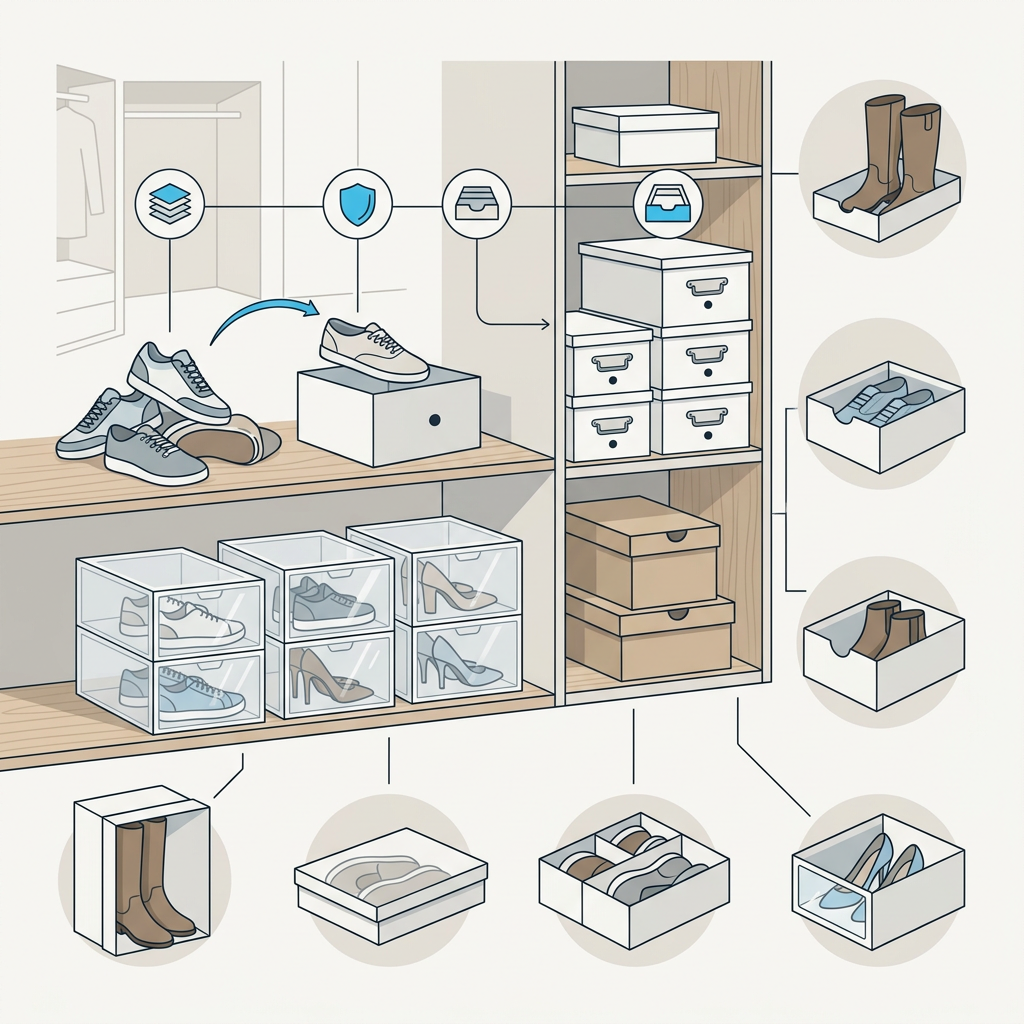
- Window Boxes: Incorporate an opening covered by a transparent film that allows the product to be viewed without opening the box. Useful for in-store display or for footwear with a particularly attractive design.
- Lid and Base Boxes: Composed of two separate pieces, a base and a lid that fits over it. They allow for a more elegant opening and a careful presentation of the product. Very popular in the premium sector.
- Boxes with Handles or Portable Boxes: Designed to facilitate transport by the customer, they incorporate die-cut or rope handles. Common in stores where the customer is expected to carry the product with them.
Materials Used in the Manufacture of Shoe Boxes
| Material | Main Characteristics | Advantages | Disadvantages | Recommended Use |
|---|---|---|---|---|
| Corrugated Cardboard | Several layers of kraft paper with an intermediate corrugated layer. | Lightweight, economical, recyclable, good impact resistance. | Less moisture resistance, more basic aesthetic. | Everyday footwear, mass shipping, storage. |
| Solid / Folding Cardboard | A single layer of thick, dense cardboard. | Higher print quality, better aesthetics, lighter than corrugated for certain applications. | Less impact protection than corrugated. | Mid-range footwear, fashion, customization. |
| Rigid Board (Cartoncillo) | Cellulose fiberboard, coated. | High rigidity, premium feel, excellent for luxury finishes. | More expensive, not foldable (takes up more storage space). | Luxury footwear, limited edition, premium gifts. |
| Plastic (Polypropylene, PVC) | Synthetic material, transparent or opaque. | Water resistance, extreme durability, product visibility. | Less ecological (if not recycled/recyclable), higher cost. | Long-term storage, outdoor use, reusable boxes. |
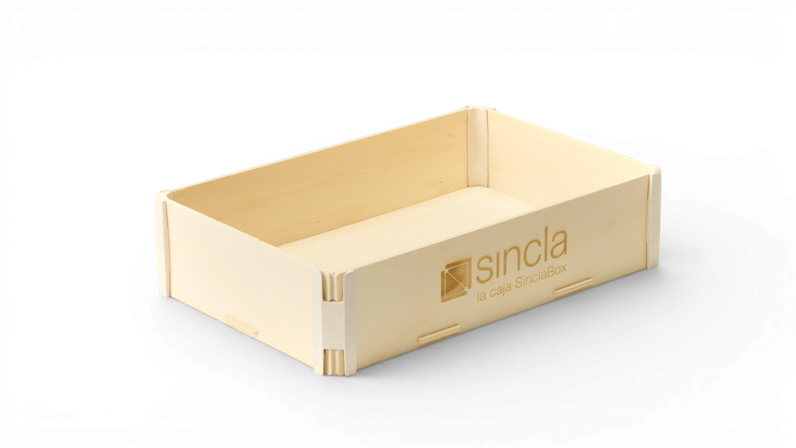
| Wood (FSC, plywood, MDF) | Natural, robust, and aesthetic material. | Maximum durability, luxury, added value, reusable. | Heavier, more expensive, not suitable for high volumes. | High-end footwear, special editions, corporate gifts. |
Customization and Finishes: The Art of First Impressions
Printing Options:
- Screen Printing: Ideal for logos or designs with few solid colors. Offers good color saturation and durability.
- Offset Printing: The most common technique for complex designs, photographs, and full-color graphics. Offers high quality and is efficient for large runs.
- Digital Printing: Perfect for short runs or variable customization, as it does not require plates. Offers flexibility and speed.
- Pad Printing: Allows printing on irregular surfaces, useful for boxes with special shapes.
Special Finishes:
- Hot Stamping: Adds a touch of luxury with metallic foils (gold, silver, bronze) or color. Creates a glossy effect and relief.
- Embossing/Debossing: Creates three-dimensional textures without ink, raising or recessing parts of the design. Adds tactile sophistication.
- Varnishes and Laminations: Can be glossy or matte, offering additional protection and altering visual and tactile perception. Laminations (matte, glossy, soft-touch) increase resistance and perceived quality.
- Die-cutting: Allows the box to be cut into specific shapes or to create windows, openings for handles, or intricate designs on the edges.
- Laser Engraving: Especially relevant for materials like wood or certain plastics, offering exceptional detail and permanence, ideal for logos and messages.
Design Tip
Considering the "feel" of the packaging is as important as its visual appearance. Finishes like soft-touch lamination or embossing can create a sensory experience that reinforces the perceived quality of the footwear.
Logistical and Storage Considerations
- Standardized Dimensions: Using box sizes that fit standard pallets and shipping containers optimizes space and reduces transport costs.
- Stacking Resistance: Boxes must be robust enough to withstand the weight of other boxes on top without collapsing, especially in warehouses or during shipping.
- Ease of Assembly: For folding boxes, an intuitive and quick assembly design minimizes packing times.
- Labeling and Barcodes: Integrating spaces for shipping labels, barcodes, or QR codes facilitates inventory management and order tracking.
- Internal Protection: Often, the box is complemented with internal elements such as tissue paper, cardboard molds, or bubble wrap to secure the footwear inside and protect it from scuffs. Tissue paper is widely used to add an extra touch of luxury.
Sustainability: A Growing Priority
- Recycled MaterialsUse of cardboard with a high percentage of post-consumer recycled fibers.
- Monomaterial DesignAvoid combinations of materials that are difficult to separate for recycling.
- Eco-friendly InksWater-based or vegetable inks, with low VOC (volatile organic compounds).
- Reusable DesignsBoxes designed to be used for other purposes after their initial function.
- CertificationsSeals like FSC (for wood and paper) or PEFC, guaranteeing responsible forest management.
FSCCertified wood
80%Recycled cardboard
100%Recyclability
"A shoe box is not just a wrapper; it's a canvas, a protector, and increasingly, a statement of brand principles."
Common Mistakes When Choosing or Designing Shoe Boxes
- Underestimating size: A box that is too small can deform the footwear, while an excessively large one increases shipping volume and the risk of internal movement.
- Ignoring strength: Flimsy boxes will not protect the product and can lead to complaints or returns. It is essential to consider the weight and fragility of the footwear.
- Neglecting branding: A generic or poorly designed box is a lost opportunity to connect with the customer and reinforce brand identity.
- Omitting sustainability: In an increasingly conscious market, not offering sustainable packaging options can damage a brand's reputation.
- Overdoing luxury: For inexpensive footwear, overly premium packaging can be perceived as an unnecessary expense that is passed on to the final price. Packaging should align with the product's value.
- Lack of testing: Before large-scale production, it is crucial to conduct shipping and handling tests to ensure the box fulfills its protective function.
How to Choose the Right Box for Each Type of Footwear
- Sports or Casual Footwear: Generally, corrugated or solid cardboard boxes are chosen; they are functional and resistant, with designs that reflect the brand's energy or style.
- Dress or Formal Footwear: Rigid cardboard boxes with higher quality finishes (laminates, hot stamping) are preferable, conveying elegance and sophistication.
- Luxury or Limited Edition Footwear: Wooden boxes, with soft internal linings, laser engraving, or even special closing systems, are the excellent choice for products requiring maximum exclusivity and a memorable unboxing experience. For these types of needs, exploring a catalog of wooden boxes can offer tailor-made solutions.
- Children's Shoes: Functionality, resistance, and often fun and colorful designs are sought. Boxes can include elements that lend themselves to play or reuse.
- Bulky Footwear (boots, ankle boots): Requires boxes with adequate dimensions and superior structural strength to support the product's weight and shape.
Attention to Detail
Good packaging not only protects the shoe but also protects the brand's reputation. A product damaged by inadequate packaging generates dissatisfaction and can deter future purchases.
The Future of Shoe Boxes
- Greater Technological Integration: Boxes with NFC tags or QR codes that offer additional information about the product, brand, or sustainability.
- Modular and Versatile Designs: Boxes that can adapt to different types of footwear or easily transform for other uses.
- Focus on the Circular Economy: Materials that are not only recyclable but also biodegradable or compostable, closing the product's life cycle.
- Mass Personalization: Printing technologies that allow for efficient small-scale or even individual box customization.
- Material Reduction: Ingenious designs that minimize the amount of material needed without compromising protection.