The Ballpoint Pen: A Detailed Analysis of its Evolution, Materials, and Relevance in the 21st Century
Key takeaways
- The ballpoint pen revolutionized writing by offering a practical and economical alternative.
- There are various types depending on their mechanism and ink (ballpoint, gel, rollerball).
- Manufacturing materials range from recycled plastics to precious metals.
- Personalization is key, turning the pen into a marketing tool or a premium gift.
- Sustainability is increasingly incorporated into its design and production.
Brief History and Evolution of the Ballpoint Pen
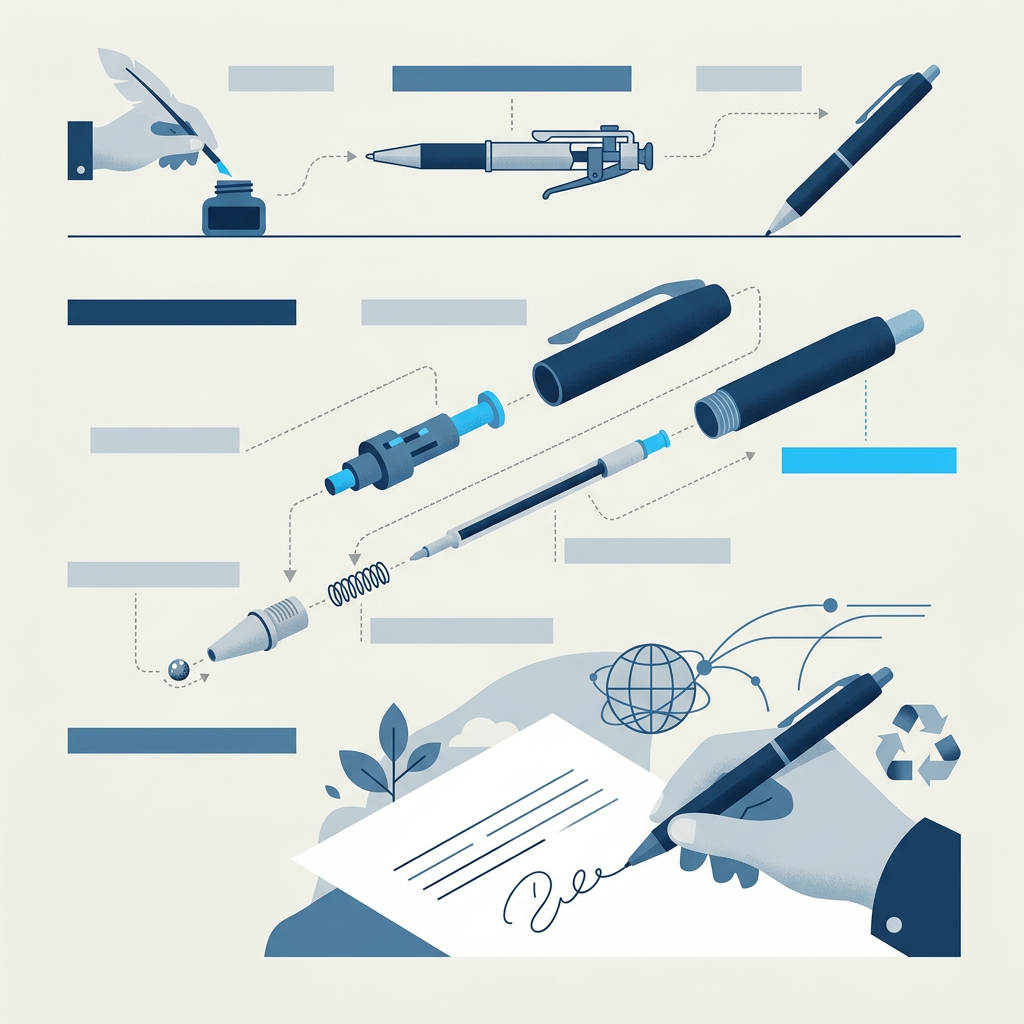
ballpoint penKey Components of a Ballpoint Pen
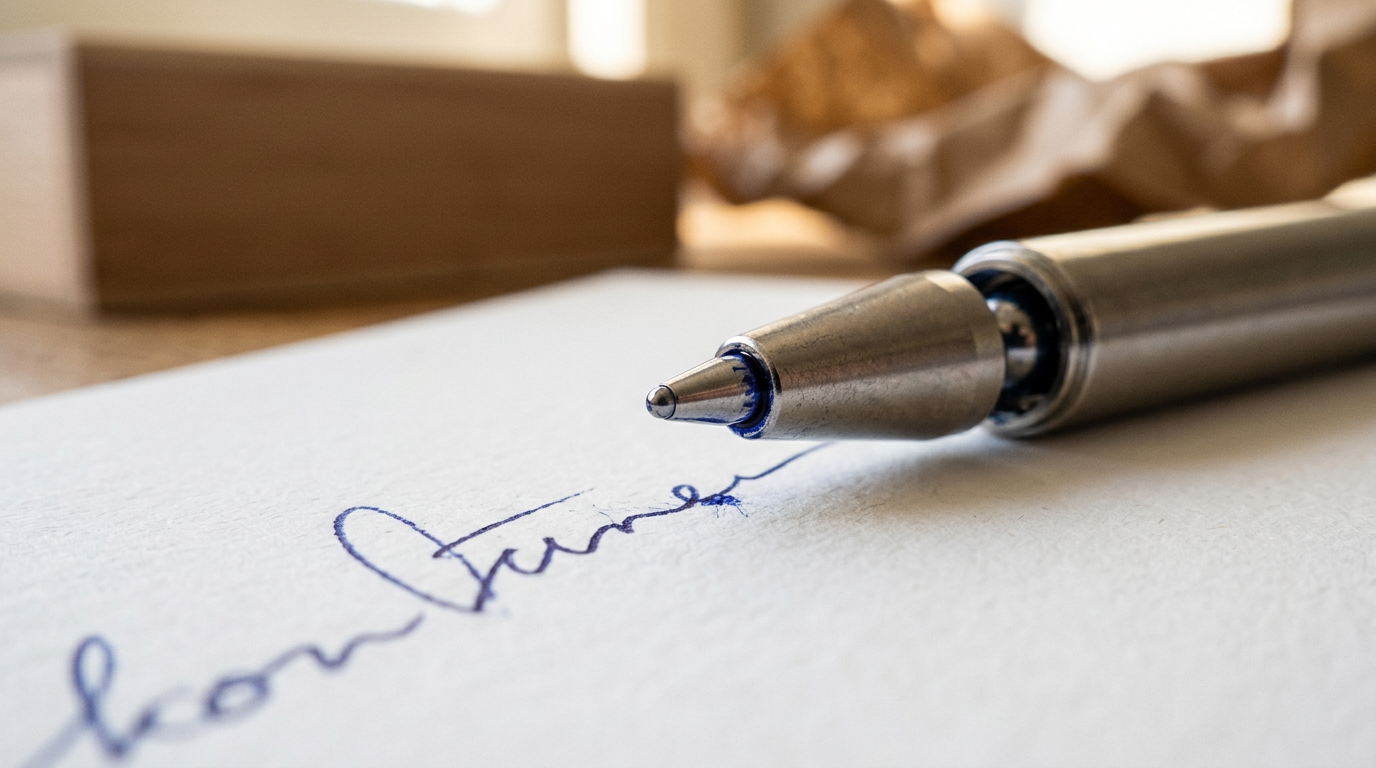
- Tip: This is the most critical part, composed of a tungsten carbide or steel ball, housed in a socket. The ball rotates freely, picking up ink from the cartridge and transferring it to the paper. The size of the ball determines the line thickness (commonly 0.5 mm, 0.7 mm, or 1.0 mm).
- Ink cartridge or refill: Contains the ink and a feeder tube that carries it to the tip. The ink is designed to be viscous in traditional ballpoint pens and more fluid in gel or rollerball pens.
- Body or barrel: This is the main part held when writing. It can be made of plastic, metal, wood, or resin, and determines the ergonomics and aesthetics of the pen.
- Action mechanism: Can be capped (requires removing a lid), retractable (by pressing a button or twisting the body), or semi-retractable.
- Clip: Allows the pen to be attached to a pocket, a notebook, or the edge of a packing list.
Choosing the Tip
For precise and fine writing, opt for 0.5 mm tips. For bolder strokes or for filling in documents, 0.7 mm or 1.0 mm tips are more suitable. The type of paper also influences the final result.
Ballpoint Pen Varieties: Beyond the Classic
- Ballpoint pen: Uses oil-based ink, which is very viscous, dries quickly, and is water-resistant. They offer consistent lines and are ideal for writing on almost any paper surface without bleeding. They are durable and economical.
- Gel pen: Uses water-based ink with pigments suspended in gel. It produces more vivid and opaque colors than traditional ballpoint pens. It glides smoothly over paper, but may take a little longer to dry and can occasionally bleed on thin papers.
- Rollerball pen: Similar to the gel pen, it uses water or gel-based ink, but with lower viscosity than gel ink, allowing for a more constant ink flow and a fluid writing experience, similar to a fountain pen. The ink absorbs more deeply into the paper.
- Multi-function pen: Combines several functions in a single body, such as different ink colors, a mechanical pencil, or even a stylus.
Manufacturing Materials: Durability, Ergonomics, and Aesthetics
- Plastic: The most common material for disposable pens. It allows for mass and economical production, and can come in vibrant colors and ergonomic shapes. Recycled plastics are gaining ground in sustainable manufacturing.
- Metal: Stainless steel, aluminum, brass, or even precious metals like silver in luxury pens. They offer greater weight, durability, and a robust feel. They are ideal for engraving and premium finishes.
- Wood: Provides warmth and a natural look. Hardwoods such as maple, beech, or walnut are used. They are often combined with metal details and are popular in handcrafted or gift pens. FSC certified wood is a sustainable option.
- Acrylic resins: Allow for a wide variety of colors and patterns, often with marbled or transparent effects. They are lightweight and used in design pens.
- Bamboo: A sustainable and lightweight alternative, ideal for an ecological approach. It offers a comfortable grip and is easily customizable.
The Ballpoint Pen as a Gift and Marketing Element
The Power of Promotional Items
A pen with a company logo is one of the most effective promotional items due to its daily usefulness. People use it, lend it, and see it constantly, reinforcing brand visibility.
Personalization Options
- Laser engraving: Ideal for metal or wood pens. Produces a permanent, crisp, and elegant finish. Perfect for names, dates, logos, or short messages.
- Silkscreen printing: Primarily used on plastic pens. Allows printing logos and text in various colors. It's a durable and cost-effective option for large runs.
- Pad printing: Similar to silkscreen printing but more suitable for curved or irregular surfaces. Offers high print quality and is common on mid-range pens.
- Digital UV printing: Allows full-color graphics and fine details directly onto the pen's surface, adapting to different materials.
The Unboxing and Presentation Experience
| Packaging Type | Description | Advantages |
|---|---|---|
| Simple cardboard case | Kraft or white cardboard box, often with a window. | Economical, lightweight, easy to customize with a print or label. |
| Metal or aluminum case | Rigid case offering greater protection and a premium look. | Durable, reusable, excellent for engraving or printing. |
| Wooden case | Made from fine woods, ideal for luxury pens. | Exclusive, very aesthetic, possibility of deep laser engraving. |
| Fabric pouch or bag | Small velvet, leather, or cotton pouch. | Protects from scratches, soft to the touch, adds a touch of elegance. |
Sustainability and the Future of the Ballpoint Pen
- Recycled materials: Use of recycled plastics (PET, ABS) for pen bodies.
- Biodegradable materials: Pens made with bioplastics from corn starch or bamboo.
- Refillable pens: Promote the reuse of the pen body, reducing waste generation.
- Eco-friendly inks: Development of inks with fewer harmful chemicals or water-based inks.
- Sustainable packaging: Use of kraft paper, recycled cardboard, or reusable cases for presentation.
The ballpoint pen, from being a simple disposable tool, is evolving into a conscious and durable object, reflecting the global trend towards sustainability.
Choosing the Right Pen: Buyer's Criteria
EconomicalFor daily use
PremiumFor gifting or signing
ErgonomicFor prolonged use
- Intended use: Is it for daily office use, signing important documents, a gift, or a promotional event?
- Ink type: Do you prefer the fast-drying oil-based ink (ballpoint), the fluidity of gel or rollerball, or the vibrant colors of gel?
- Material and weight: Heavier pens (metal) often give a feeling of greater control and quality, while lighter ones (plastic, bamboo) are comfortable for prolonged use.
- Ergonomics: Good grip, texture, and balance prevent hand fatigue during writing.
- Cost: Prices vary enormously, from a few cents to hundreds of euros for designer or limited-edition pieces.
- Sustainability: If environmental impact is a concern, look for options made from recycled, biodegradable, or refillable materials.
- Personalization options: If it is a gift or promotional material, consider the possibilities of engraving or printing.