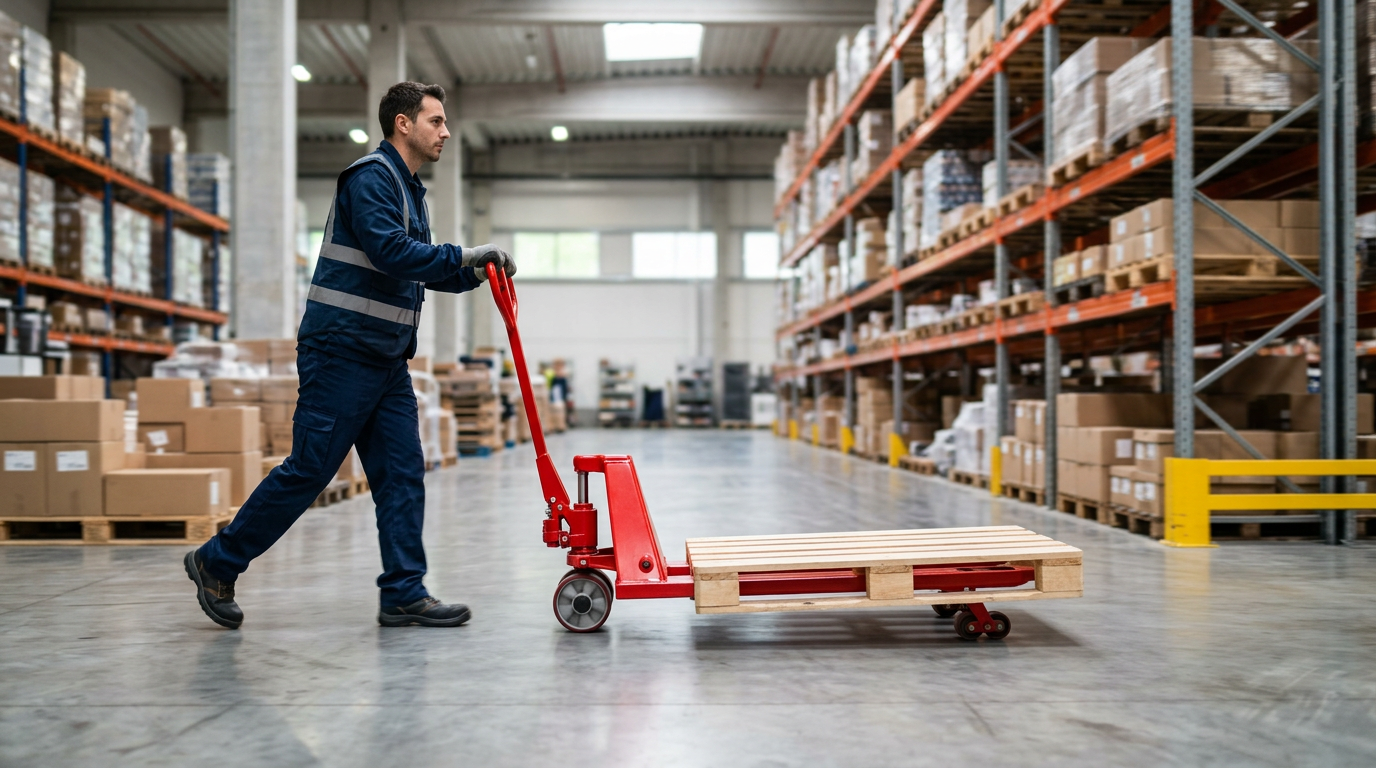
The Pallet Jack: Types, Operation, and Essential Uses
Sincla
The Pallet Jack: A Fundamental Pillar in Efficient Load Handling The optimization of logistics and storage processes is a constant goal for any productive sector that handles physical goods. In this context, the pallet jack (or pallet truck) emerges as a
The Pallet Jack: A Fundamental Pillar in Efficient Load Handling
The Essential
Pallet jacks are vital for efficiently moving palletized loads.
There are manual, semi-electric, and electric models, each with specific uses.
Load capacity, wheel type, and dimensions are key selection criteria.
Regular maintenance and operator training are fundamental for safety.
What is a Pallet Jack and What Are its Key Components?
Forks: Two parallel arms that slide under the pallet to lift it. Their length and width vary depending on the type of pallet to be handled.
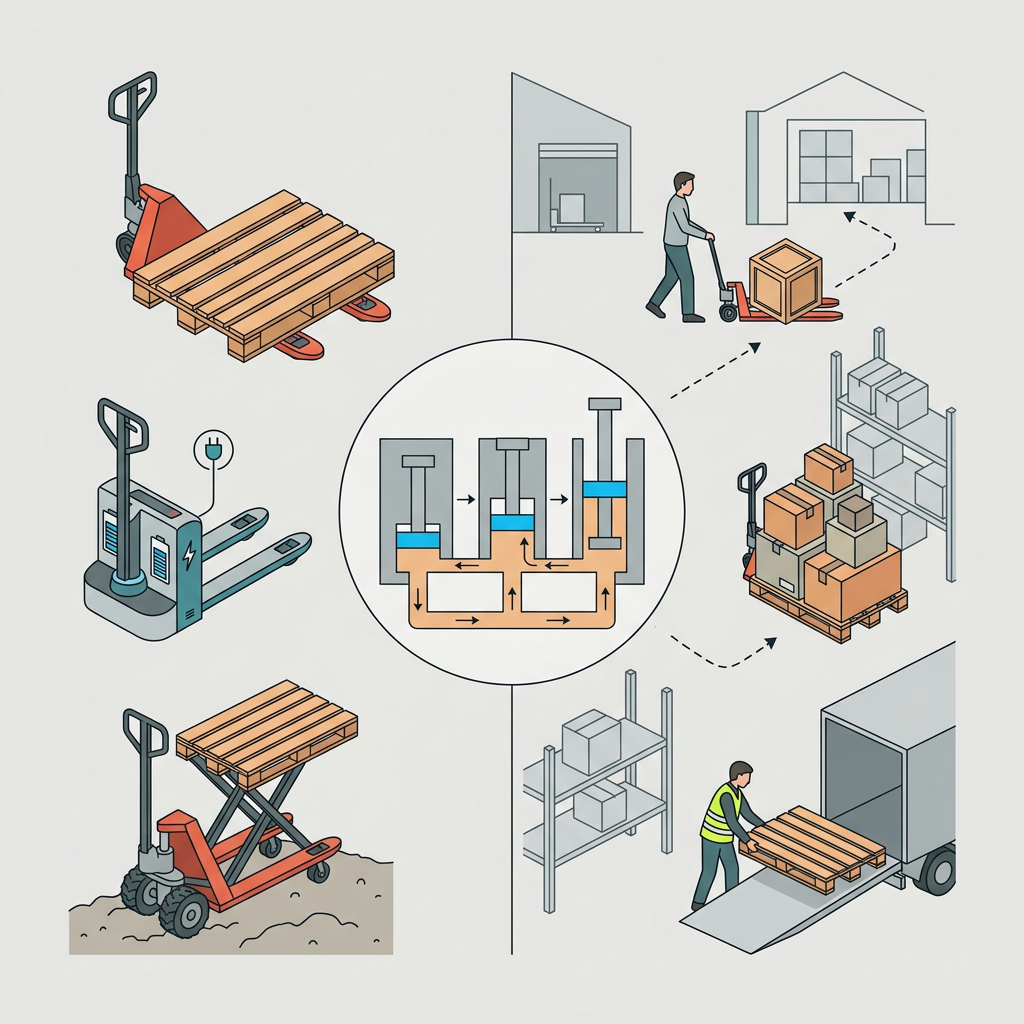
Hydraulic system: A cylinder and a pump that, by means of a lever system (usually operated by the tiller), raise the forks.
Wheels: Two steering wheels (larger) on the tiller and two or four load wheels (smaller) under the forks. The wheel material (nylon, polyurethane, rubber) is crucial for the type of surface and the desired noise level.
Tiller (or handle): Element for steering the pallet jack and operating the lift/lower mechanism. Often includes a lever for three positions: lift, lower, and neutral.
Origins of the Pallet
The concept of palletization, and thus the need for tools like the pallet jack, became popular after World War II, aiming to optimize military and later industrial logistics. The Euro pallet (EUR-pallet) is one of the most common standards.
Custom wooden boxes
Discover our wooden boxes for packaging, hospitality, events and more. In-house manufacturing and full customisation.
Types of Pallet Jacks: Adaptability to Every Operational Need
Manual Pallet Jack
This is the most basic and widespread model. It requires the operator's physical effort both to pump the hydraulic system and lift the load, and to push and maneuver it. They are economical, compact, and do not require external power. Ideal for intermittent operations, confined spaces, and limited budgets. Their load capacity usually ranges from 2,000 kg to 3,000 kg.
Semi-Electric Pallet Jack
Represents an intermediate step between the manual and the fully electric. In these models, the load lifting is manual (by pumping), but the traction (movement) is electric. This significantly reduces operator effort when moving heavy loads over medium distances, making it a balanced option in terms of cost and efficiency.
Electric Pallet Jack (or Powered Pallet Jack)
These are the most advanced and efficient. Both lifting and traction (and, in some cases, steering) are assisted by an electric motor powered by a battery. This allows for the handling of heavy loads for prolonged periods with minimal operator effort. They are further classified into:
Walkie/Pedestrian: The operator walks behind the pallet jack. Ideal for short and medium distances within the warehouse.
With platform: They incorporate a folding platform where the operator can stand, increasing speed and reducing fatigue over longer distances.
Rider: Designed for operating in large warehouses with long transport distances, offering greater ergonomics and safety for the operator.
EfficiencyReduce time and effort in moving goods.
SafetyMinimize the risk of injuries for operators.
VersatilityAdaptable to various loads and environments.
DurabilityEquipment built for a long service life with proper maintenance.
Specialized Pallet Jacks
Beyond the basic types, there are pallet jacks designed for very specific tasks:
Low-profile pallet jacks: Ideal for pallets with low entry height.
Weighing pallet jacks: Integrate a scale to weigh the load while transporting it.
Scissor lift pallet jacks: Allow the load to be raised to an ergonomic working height (up to approximately 80 cm), functioning as a lifting table.
Rough terrain pallet jacks: With large, robust wheels, designed for uneven or outdoor terrain.
Pallet jacks for specific environments: Made of stainless steel for food industries or corrosive environments, or with explosion protection for ATEX zones.
Keys to Choosing the Right Pallet Jack
Selecting the correct pallet jack directly impacts the efficiency, safety, and profitability of operations. Considering the following factors is fundamental:
Load Capacity: This is the most critical factor. A model capable of reliably handling the maximum weight of typical loads should be chosen, allowing for a safety margin. Capacities typically range from 1,000 kg to 3,500 kg or more for electric models.
Fork Dimensions: Must be compatible with the measurements of the pallets or containers to be transported. The most common are for Euro pallets (800x1200 mm) or American/universal pallets (1000x1200 mm).
Wheel Type:
Nylon: Hard, wear-resistant, ideal for smooth, concrete surfaces. Considerable noise.
Polyurethane: Quieter and with better grip than nylon, ideal for delicate laminate or tiled floors. Greater durability.
Rubber: Offer maximum traction and cushioning, ideal for uneven surfaces or small obstacles, although with less resistance to intense abrasion.
Working Environment:
Surface: Smooth, uneven, wet, with ramps.
Space: Narrow aisles require more compact and maneuverable models.
Temperature: Cold environments (cold rooms) or very hot environments may require specific versions.
Noise level: Important in warehouses where people operate or in public sales areas.
Frequency and Intensity of Use: For occasional use, a manual pallet jack may suffice; for intensive and daily use, electric or semi-electric models are more suitable.
Ergonomics and Safety Considerations: Electric models reduce fatigue. Brakes, audible warnings, and operator protection are important.
Budget: Manual pallet jacks are the most economical option, followed by semi-electric and finally electric, which represent a greater initial investment but offer a return in productivity and injury reduction.
Check the ramps
If the working environment includes ramps, make sure the chosen pallet jack has enough power (in the case of electric ones) or ease to move the load uphill and safe braking capacity downhill.
Safe Operation and Maintenance of the Pallet Jack
Although the pallet jack is a relatively simple tool, its incorrect use can lead to serious accidents and damage to goods. Proper staff training and preventive maintenance are essential.
Principles of Safe Operation
Training: All operators must receive training on the correct handling of the equipment, its load limits, and emergency procedures.
Pre-inspection: Before each use, check the condition of the wheels, hydraulic system, brakes (if applicable), and tiller.
Correct loading: Do not exceed the maximum load capacity. Center the load on the forks to ensure stability.
Visibility: Ensure a clear view of the path. If the load is too high, move the pallet jack by pulling it (instead of pushing) or seek assistance.
Appropriate speed: Adjust speed to environmental conditions and load. Avoid sudden movements.
Surfaces: Pay attention to wet, slippery, or uneven floors.
Safe parking: Leave the pallet jack with forks lowered and brake applied (if applicable) in a place where it does not obstruct passage.
Preventive Maintenance
An adequate maintenance program will extend the equipment's useful life and ensure safe operations:
Checking hydraulic oil level: Essential for the correct functioning of the lifting system. It should be checked regularly and refilled if necessary, following the manufacturer's specifications.
Wheel inspection and cleaning: Remove tangles (ropes, plastics) and debris that may affect movement or damage bearings. Check for wear and replace if necessary.
Lubrication of articulation points: Moving parts such as bearings and axles should be lubricated periodically to reduce friction and wear.
Structure verification: Check for deformations, cracks or corrosion in the chassis and forks.
Battery status (for electric): Periodically check the distilled water level in lead-acid batteries, if they are not maintenance-free. Perform correct charging and discharging cycles to maximize their lifespan.
Periodic review by qualified personnel: Consider annual or semi-annual inspections by specialized technicians, especially for electric or intensive use models.
2500 kgAverage load
3-5 yearsAverage lifespan (manual)
20%Injury reduction with electric
Innovations and Trends in the Pallet Jack Sector
The logistics sector is constantly evolving, and pallet jacks are not immune to innovations. Some current trends include:
Increased electrification: The demand for sustainability and the reduction of noise and emissions are driving the adoption of electric pallet jacks, with lithium-ion batteries gaining ground due to their greater autonomy and reduced charging times.
Smart Connectivity (IoT): Some electric pallet jacks already integrate telematics systems that allow monitoring their use, location, battery performance, and maintenance needs in real time.
Automation: Autonomous pallet jacks (AGVs or Automatic Guided Vehicles) are emerging as a solution for repetitive tasks in large warehouses, transforming the intralogistics landscape in the long term.
Ergonomic design: Special attention is paid to operator ergonomics, with designs that reduce fatigue and the risk of musculoskeletal injuries.
Lighter and stronger materials: The use of advanced alloys and materials seeks to reduce the weight of the equipment without compromising its strength and load capacity.
Storage boxes are the perfect complement to organize and optimize space that is freed up or better managed thanks to the efficient use of pallet jacks. Exploring options in a wooden box catalog can offer ideas for optimally storing products. Likewise, for those who handle a wide variety of products, the key to logistical success lies in excellent planning, where tools like the pallet jack are fundamental. A correct packing list: the essential packing list in logistics, can complement the efficient use of this type of machinery.
"The modern pallet jack is not just a piece of equipment; it is a key technological link in the efficiency and safety of the supply chain."
Frequently Asked Questions
What is the main difference between a manual and an electric pallet jack?
The main difference lies in the type of propulsion and lifting. A manual pallet jack requires the operator's physical effort to lift and move the load. An electric one, on the other hand, uses a motor and battery to assist both lifting and moving the load, reducing effort and increasing productivity, especially with heavy loads or over long distances.
What type of wheels should I choose for my pallet jack?
The choice of wheels depends on the type of surface and the working environment. Nylon wheels are hard and suitable for smooth, resistant floors, but they are noisy. Polyurethane wheels are quieter and offer better grip on delicate floors. Rubber wheels provide the best traction and cushioning on uneven surfaces, but may have lower durability in very aggressive environments.
Is any type of maintenance mandatory for a manual pallet jack?
Yes, although less complex than electric ones, maintenance is essential. It includes periodic checking of the hydraulic oil level, cleaning and inspection of the wheels, and lubrication of articulation points to ensure safe operation and extend the equipment's useful life.
Are there specific safety regulations for the use of pallet jacks?
While there are no exclusive regulations for pallet jacks in all countries, their use is subject to general occupational risk prevention and workplace safety laws. This implies the need for operator training, regular equipment inspections, and compliance with load capacities and safety conditions recommended by the manufacturer.
Can I use a pallet jack to lift loads to significant heights?
Standard pallet jacks are designed to lift loads a few centimeters off the ground, just enough to move pallets. To lift loads to significant heights (above about 80 cm), equipment such as stackers (mast pallet jacks) or forklifts are needed, which are specifically designed for that function.