¿Qué es el unboxing? Descifra el arte de desempaquetar
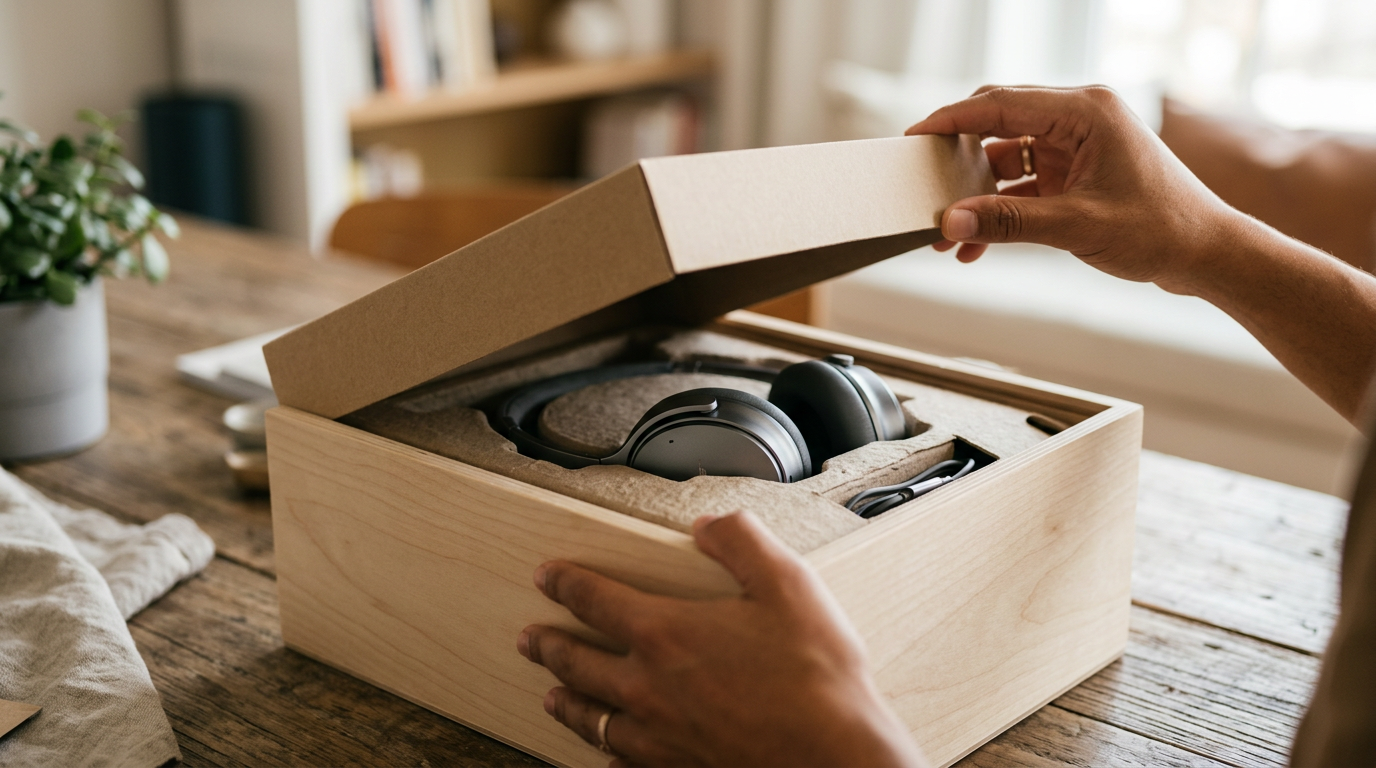
What is Unboxing? Deciphering the First Contact Experience with Your Product
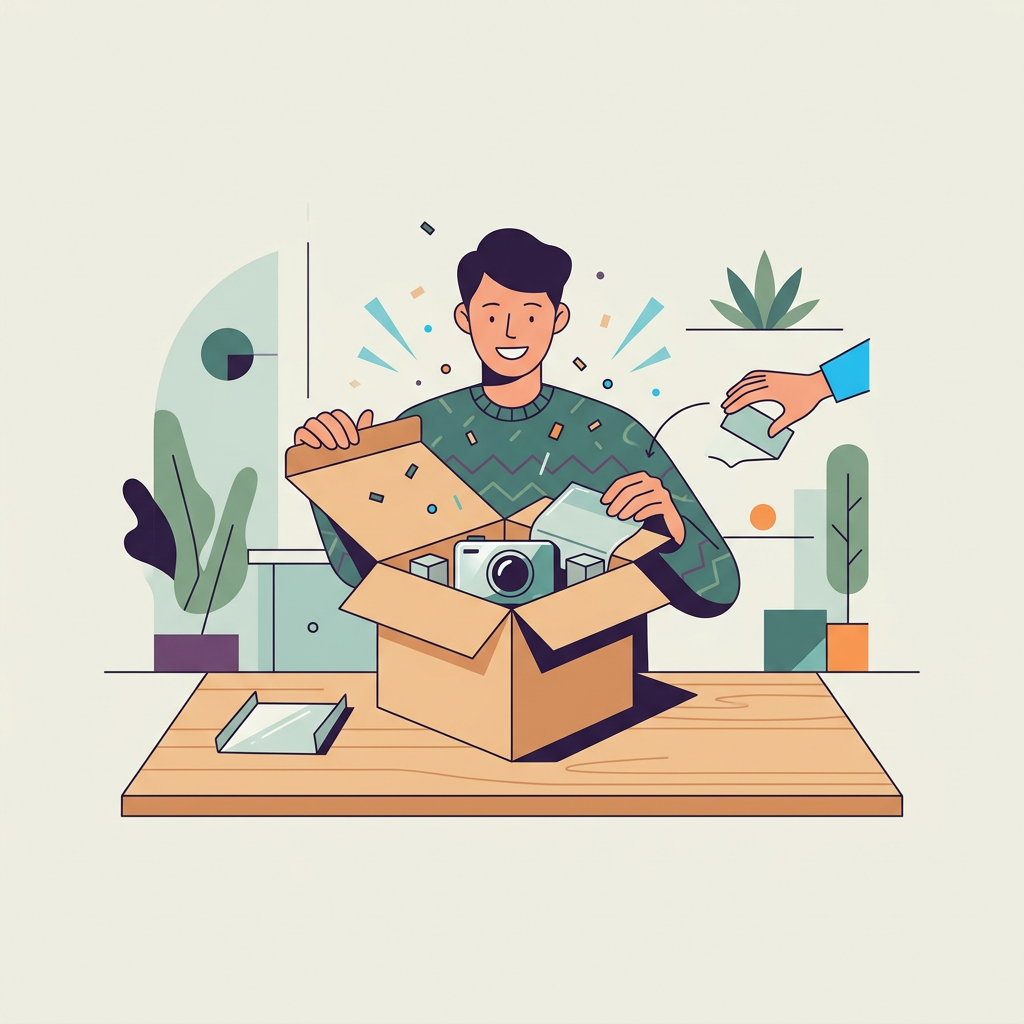
In the digital age, where online shopping and customer experience are becoming increasingly important, a phenomenon emerges that goes beyond simply opening a package: **unboxing**. Far from being a fleeting trend, this practice has solidified as an integral part of the buying cycle for many consumers and a powerful marketing tool for brands. But what exactly does unboxing entail, and why has it captured the attention of millions of people worldwide? Unboxing refers to the act of unpacking or unboxing a new product, often technological, luxury, cosmetic, or any consumer item, while documenting the process. This documentation can be through photos, videos, or live streams, subsequently shared on platforms like YouTube, Instagram, TikTok, or specialized blogs. Its essence lies in anticipation, discovery, and the gradual revelation of what's inside, transforming a simple gesture into a sensory and emotional experience.The essentials
- Unboxing is the documented experience of unpacking a new product.
- It combines anticipation, discovery, and the revelation of the contents.
- It is a phenomenon with significant impact on consumer purchasing decisions.
- Packaging plays a crucial role in brand perception and value.
The Origin and Evolution of the Unboxing Phenomenon
Although the term and popularity of unboxing are relatively recent, the concept of showcasing a product's opening is not. The first glimpses date back to the early 2000s, with the advent of accessible digital cameras and the popularization of the internet. However, it was with the explosion of YouTube around 2006-2007 that it began to take shape. Initially, videos were primarily of electronic devices, such as iPhones or video game consoles, where enthusiasts wanted to see and share every detail of the product and its packaging. Over time, unboxing extended to almost every imaginable product category: toys, cosmetics, clothing, monthly subscriptions, gourmet foods, and, of course, luxury products that by their nature already come in premium packaging. What began as a way to share detailed information has transformed into an entertainment genre in its own right, where the content creator's personality and visual storytelling are as important as the product itself.Fun Fact
The first widely recognized unboxing video was published on YouTube in 2006, showing the opening of a Nokia E61 phone. Since then, millions of videos have flooded the platform.
Why Does Unboxing Captivate Consumers?
The fascination with unboxing has multiple psychological and social layers. For the viewer, it offers a combination of attractive elements:- Anticipation and SurpriseThe thrill of the unknown and the gradual discovery of the product.
- Sensory ExperienceSeeing and hearing the process: the sound of cellophane, the texture of tissue paper, the packaging design.
- Validation and TrustHelps potential buyers assess product quality and presentation before purchase.
- Social ConnectionBeing part of a community where interests and experiences are shared.
- Vicarious SatisfactionExperiencing the joy of receiving something new, even if it's not one's own.
The Crucial Role of Packaging in the Unboxing Experience
This is where packaging ceases to be a mere container and becomes an extension of the brand and the product. Good packaging design not only protects the item but also enhances the unboxing experience, justifying its cost and perceived value. Thoughtful packaging can transform an ordinary product into something special.Practical Tip
To maximize unboxing impact, brands should consider the entire customer journey, from receiving the package to discarding the packaging. Every interaction is an opportunity to reinforce their message.
Key Elements of Packaging that Boost Unboxing:
1. Quality Materials: Material choice is fundamental. For premium products, materials like wood (in formats such as custom wooden boxes or wooden gift boxes), high-grade cardboard, tissue paper, or kraft paper immediately communicate a sense of value. Resistance, texture, and finish are crucial. For example, the use of tissue paper can add a layer of luxury and mystery. 2. Design and Aesthetics: A visually appealing design, with a color palette consistent with the brand, elegant typography, and well-integrated logos. Simplicity is often key, but also the strategic use of patterns or illustrations. 3. Functionality and Protection: Packaging must be easy to open, yet robust enough to protect the product during transit. Elements like magnetic closures, decorative ribbons, or slots for lifting the lid contribute to a smooth and pleasant opening. Bubble wrap or wood shavings, while protective, can be part of the design if chosen consciously. 4. Personalization: Adding a personal touch, such as a handwritten note, a thank you card, a small gift, or even the option to include a message in a wooden gift box, creates an emotional connection with the customer. 5. Layered Unveiling: A good unboxing often involves multiple layers of packaging. From the sturdy outer box to a delicate inner paper wrapping, through a fabric lining or custom-cut foam base. Each layer adds anticipation and prolongs the experience. 6. Sustainability: Increasingly, consumers value eco-friendly packaging. Using recyclable, biodegradable, or sustainably sourced materials (such as FSC-certified wood or recycled cardboard) is not only good for the planet but also improves brand perception. Discussing packaging sustainability, as in the case of reusable plastic boxes or easily recyclable cardboard, is crucial.Unboxing for Different Product Types and Materials
The nature of the product directly influences the type of packaging needed for an optimal unboxing experience.Wooden Boxes and Premium Gift Boxes:
For luxury items, jewelry, special wines, perfumes, or corporate gifts, wooden boxes offer an unparalleled unboxing experience. The robustness, natural wood texture, and possibility of detailed finishes elevate the perceived value.- Selection of wood type. From pine or poplar for a rustic look, to fine woods like beech or walnut for a more sophisticated aesthetic. Plywood panels or MDF are also versatile options for achieving different finishes and costs.
- Custom finishes. Techniques such as screen printing, laser engraving, or hot stamping allow for incorporating logos, messages, or designs that perfectly integrate with the wood. Good grammage in internal materials is also important.
- Fillers and interior protection. Wood shavings, custom-cut foams, satin fabric, or felt not only protect the product but add a layer of luxury and care.
- Closures and hardware. Hinges, metal clasps, or magnets reinforce the feeling of quality and durability when opening and closing the box.
Packaging for Weddings and Special Events:
Unboxing at events like weddings or communions goes beyond the product; it's an invitation to celebration. Wedding boxes or communion boxes often contain favors for guests or special gifts. Here, delicacy, personalization, and a romantic or festive aesthetic are key. Materials like textured cardboard, pearlescent paper, organza ribbons, and floral details are common.Cardboard Boxes for E-commerce:
For most online purchases, cardboard boxes are the base. However, not all are created equal. Kraft cardboard is a popular choice for its natural look and resistance, as well as being easily recyclable. The interior design, printing on the inside of the lid, thank you cards, or the use of interior gift wrap to envelop the product can transform a simple box into a memorable experience. Custom stamps or labels are also an effective detail.Common Mistakes in Packaging and Unboxing Design
Although the goal is to create a positive experience, there are mistakes that can sabotage the effort: * Excessive or Insufficient Packaging: Too much packaging can be perceived as wasteful and environmentally unfriendly; too little can result in a damaged product and a frustrating experience. * Difficulty Opening: Excessively strong seals, complicated boxes to handle, or the need for special tools to open can cause irritation. * Lack of Brand Consistency: If the packaging does not reflect the brand's identity or values, the message is diluted. * Ignoring Sustainability: Currently, unsustainable packaging can create a negative image, even if the product is excellent. * Neglecting Protection: The primary purpose of packaging is still to protect the product. Attractive packaging that fails this basic function is a failure. * Lack of Personalization: A generic package without any personal touch misses the opportunity to create a lasting connection."Packaging is the first physical interaction a customer has with your brand after purchase. Ensuring it's memorable is an investment, not an expense."
Impact of Unboxing on Consumer Purchasing Decisions
The ripple effect of unboxing is undeniable. A video or series of photos of a positive unboxing can: 1. Generate Interest and Desire: Watching someone else enjoy opening a product creates curiosity and longing in the viewer. 2. Influence Purchase Decisions: Many consumers use unboxing videos as part of their pre-purchase research, looking for opinions and visual details they wouldn't find in a standard product description. 3. Increase Brand Trust: Quality packaging and a thoughtful unboxing experience convey an image of care, attention to detail, and product quality. 4. Boost Word-of-Mouth Marketing: Positive unboxing experiences are highly shareable on social media, generating organic and free publicity for the brand. 5. Create Loyalty: An exceptional unboxing experience can turn a one-time buyer into a repeat customer and brand advocate.How to Create a Memorable Unboxing Experience?
For a buyer, unboxing is an opportunity to maximize the satisfaction of their purchase. If a brand has paid attention to details, the buyer will feel they have received extra value.- Choose the Right Product: Not all products benefit from elaborate unboxing. Luxury, tech, collector's items, or gifts are the best candidates.
- Pay Attention to the Outer Packaging: Although the exterior is functional, an attractive design, with the logo or a subtle message, already begins to generate anticipation.
- Develop Layers of Discovery: Don't reveal everything at once. Use tissue paper, inner wrappers, or a box structure that guides the user through the process.
- Add an Element of Surprise: A small sample, a discount for the next purchase, a pin, or a personalized note.
- Consider Sustainability: Beautiful and eco-friendly packaging is a winning combination.
- Think Functionality: Ensure the packaging is easy to open and the product is well protected.
- Include Extra Content: Clear instructions, a small manual with usage tips, or interesting information about the product's origin.
Frequently Asked Questions
Do all products need an elaborate unboxing experience?
No, not all products benefit from a very elaborate unboxing. It is more relevant for products with high perceived value, luxury items, technology, gifts, subscriptions, or items where aesthetics and user experience are a fundamental part of the brand's value. For mass-market or low-cost products, functionality and sustainability are usually prioritized.
What packaging materials are best for good unboxing?
The best materials are those that convey quality, brand consistency, and preferably, sustainability. This can include wooden boxes (pine, spruce, plywood), high-grade cardboard (kraft, micro-flute), tissue paper, wood shavings, fabric (cotton, satin), or custom foams. The combination of textures and colors is key.
Is unboxing only for expensive or luxury products?
Although it is very common in the luxury sector, unboxing is not exclusive to expensive products. Cosmetic brands, clothing, handmade items, or even gourmet foods can create a memorable unboxing experience by investing in creative and personalized packaging, regardless of the product's price.
How does sustainability influence the unboxing experience?
Sustainability plays an increasingly important role. Consumers value packaging that is recyclable, reusable, or made with sustainable materials (such as FSC-certified wood or recycled cardboard). An environmentally conscious unboxing is not only well-received but can improve brand perception and ethical commitment.
What personalization techniques are used in unboxing packaging?
Personalization techniques are varied and depend on the material. For wood, laser engraving, screen printing, or hot stamping are prominent. For cardboard and paper, digital printing, offset, custom stamps, or self-adhesive labels are common. Elements such as personalized ribbons, thank you cards, or small details that reinforce brand identity can also be added.