Adhesive tape, often considered a simple accessory, is actually a fundamental component in a vast range of industries and applications, from logistics packaging to craft and DIY projects. Its apparent simplicity hides considerable complexity in terms of materials, adhesives, and designs, which make it a versatile and, in many cases, indispensable tool. Understanding the different types of adhesive tape, their properties, and their specific uses is crucial for choosing the most suitable option, ensuring the safety, efficiency, and, in the context of premium packaging, even the aesthetics of a product.
The Essential
- Adhesive tape is crucial for packaging, logistics, and a multitude of applications.
- There are various types of tape, each with specific properties for different needs (strength, adhesion to surfaces, temperature).
- The correct choice directly impacts shipping security, operational efficiency, and brand image.
- Aspects such as backing material, adhesive type, and application conditions are critical for optimal sealing.
- Customization and sustainability are growing trends in the adhesive tape sector.
Main Types of Adhesive Tape and Their Characteristics
The diversity of adhesive tapes on the market is enormous, and each type has been designed to fulfill specific functions. The choice largely depends on the package's weight, the type of surface to be sealed, the environmental conditions it will be exposed to, and the desired application method.
Standard Packaging Tapes (PP/PVC)
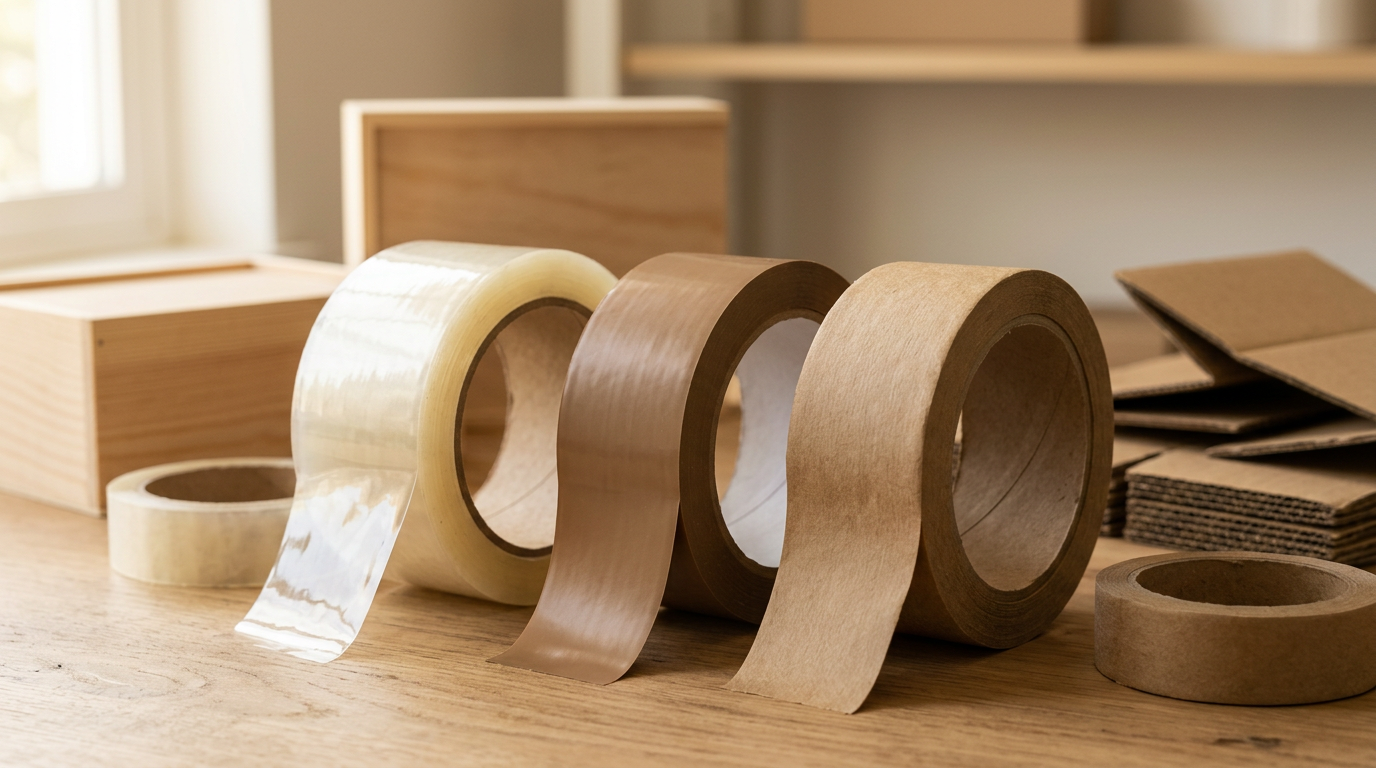
These are the most common tapes for sealing cardboard boxes. They are mainly distinguished by their backing material:
- Polypropylene (PP) Tape: Economical and widely used, PP tape is versatile for sealing light to medium-weight cardboard boxes. It is available in acrylic (silent and UV resistant), hot-melt (higher initial adhesion), and synthetic rubber versions. Its tensile strength is good, but it can tear more easily than PVC.
- PVC (Polyvinyl Chloride) Tape: Known for its superior tensile strength and flexibility, PVC tape offers a more robust seal. It is ideal for heavy packages and applications requiring greater security. Its main disadvantage is higher cost and environmental impact, as it is not easily recyclable. It is often noisier when unwound, although low-noise versions exist.
Gummed Paper or Kraft Tapes
They represent an ecological and high-strength alternative, especially valued in premium packaging and when a sustainable solution is sought. They are water-activated and chemically bond to the cardboard surface, creating a seal that becomes an integral part of the box. This makes them:
- Extremely resistant: Once dry, they are almost impossible to remove without tearing the packaging, which offers a high level of tamper security.
- Ecological: Being made of paper, they are 100% recyclable along with the cardboard box, eliminating the need to separate the tape before recycling.
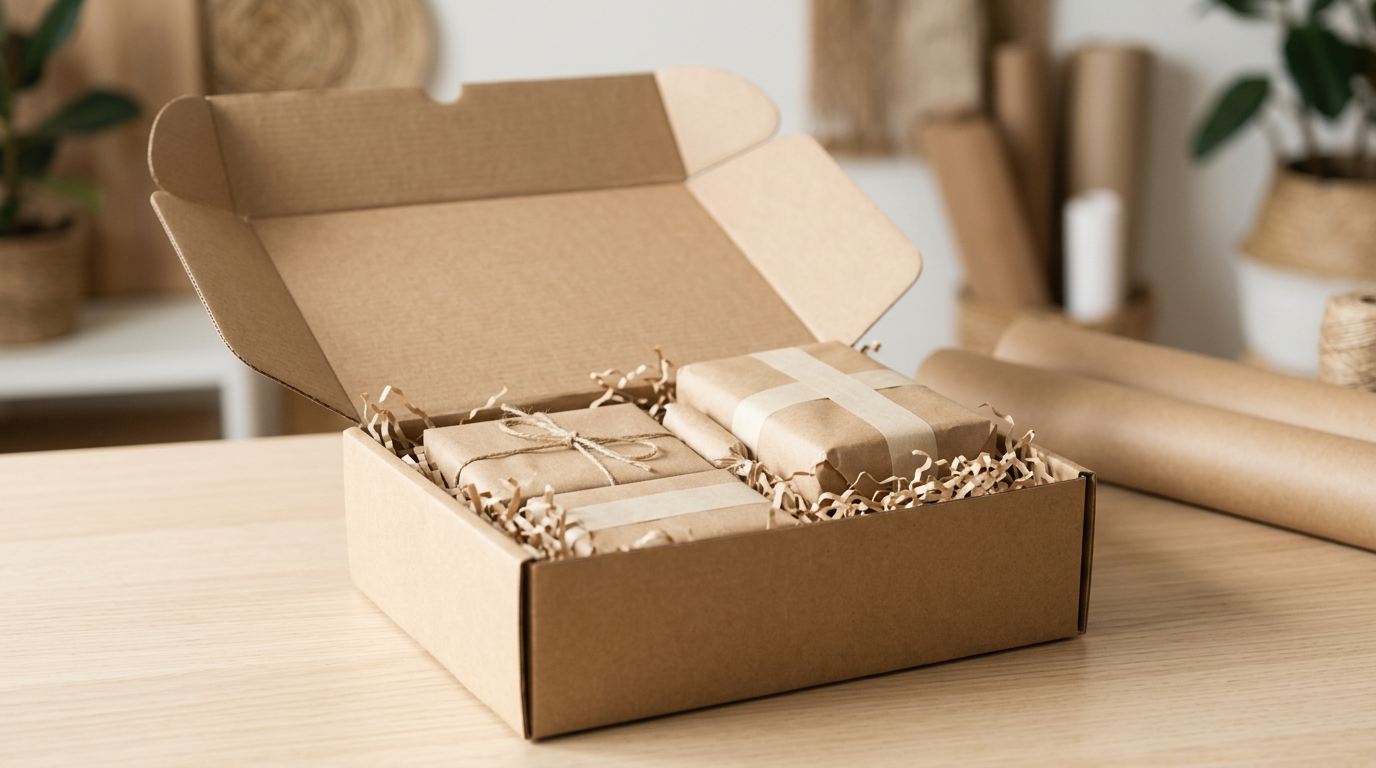
- Aesthetic: Their matte and natural finish is ideal for brands seeking a rustic, artisan, or environmentally committed image.
- Customizable: They allow high-quality printing, enabling the integration of the brand's logo or messages subtly and elegantly.
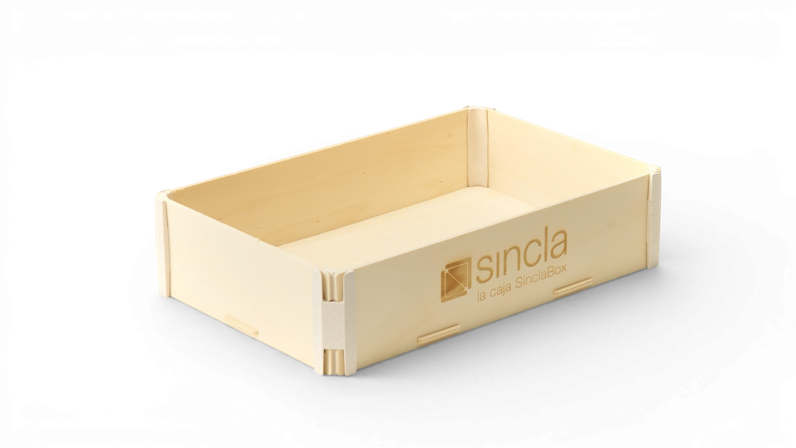
For those looking for more elaborate alternatives for their products, exploring options for custom wooden boxes can complement a conscious packaging choice.
Application Tip
To use gummed paper tape, a special dispenser that moistens the tape just before application is needed. Make sure you have the right equipment to optimize its use and achieve a perfect seal.
Specialized Tapes
Beyond general packaging, there are tapes designed for very specific needs:
- Duct Tape / Gaffer Tape: Known for its extreme strength and versatility, duct tape is made of fabric laminated with polyethylene and a strong adhesive layer. It is waterproof and used for repairs, sealing ducts, temporary fastening, and demanding applications where other tapes would fail.
- Filament Tape: Reinforced with fiberglass or polyester filaments, this tape is ideal for securing heavy loads, palletizing, or wrapping bulky products. Its tensile strength is exceptionally high.
- Double-Sided Tape: With adhesive on both sides, it is used to join two surfaces, mount components, or fix decorative elements. Variants exist with different types of adhesive for smooth or rough surfaces, or for temporary or permanent use.
- Masking Tape: Made of crepe paper and removable adhesive, it is primarily used to protect surfaces during painting or spraying processes, leaving no residue when removed.
- Electrical Insulating Tape: Made of flexible PVC, designed to insulate electrical splices and cables, offering resistance to tension, abrasion, and moisture.
- Anti-Slip Tape: With a rough surface to improve traction, ideal for steps, ramps, or areas where preventing falls is required.
The Adhesive: The Heart of the Tape
The performance of an adhesive tape is intrinsically linked to its adhesive. The main types of adhesives used in packaging tapes are:

- AcrylicIdeal for long-lasting bonds, good resistance to temperature, UV rays, and aging. Common in silent PP tapes.
- Hot-Melt (Synthetic Rubber)Very strong initial adhesion, ideal for fast packaging and slightly rough surfaces. Less resistant to extreme temperatures and UV than acrylic.
- Natural Rubber (Solvent)Powerful adhesion and adaptable to a wide variety of surfaces, even at low temperatures. Used in PVC tapes and some high-strength PP tapes.
- Starch/VegetableUsed in gummed paper tapes. Water-activated, it forms a chemical bond with the cardboard fibers.
How to choose the right adhesive tape?
The selection of the ideal tape should not be taken lightly, as a poor choice can result in product damage, operational inefficiencies, or a deficient brand image.
- Analyze the weight and type of content. For light packages, a standard PP tape may suffice. For heavy or fragile products, PVC or filament tape is recommended, offering extra security.
- Consider the type of cardboard. Recycled or rough-finished cardboards may require more powerful adhesives like hot-melt or natural rubber, or even gummed paper tape that adheres to the fibers for a more secure seal.
- Evaluate storage and transport conditions. Extreme temperatures, humidity, or UV exposure can degrade certain adhesives. Acrylic tapes offer greater resistance to these conditions, ensuring package integrity.
- Determine the application method. For manual applications, ease of unwinding and cutting is important. For automatic carton sealing machines, consistency of thickness and tear resistance are crucial to avoid interruptions.
- Define the aesthetic purpose of the packaging. Is it a functional and purely protective packaging, or does it also seek to communicate a brand message or sustainability? This is where customization and the choice of materials like kraft paper come into play to enhance the brand image.
- Adjust the budget. Although the cost per roll is a factor, it is important to consider the total cost per package, including durability and reduction of potential damages and returns, which can be more expensive in the long run.
Tape Thickness
The thickness of the tape (measured in microns or thousandths of an inch) directly influences its strength. Thicker tapes are usually stronger, but it is not always the only determining factor; the type of base material and adhesive are equally important for its performance.
Adhesive Tape Customization: Beyond Sealing
In the context of premium packaging and customer experience, custom adhesive tape has transcended its purely functional role to become an extension of the brand. It allows:
- Reinforce Brand Identity: Printing the logo, slogan, or distinctive patterns on the tape transforms a functional closure into a branding opportunity. It is a detail that adds value to the presentation, especially for wooden boxes with lids intended for gifts or high-value products.
- Security and Tamper Evidence: Custom tapes with the company logo can act as a security seal, making unauthorized tampering with the package difficult and offering peace of mind to the recipient.
- Communication and Marketing: Promotional messages, QR codes, instructions, or thank you notes can be printed, extending customer interaction beyond the product and the unboxing moment.
- Professionalism: A box sealed with custom tape conveys an image of care, attention to detail, and professionalism, reinforcing the brand's perception of quality.
Customization options include different background colors, printing in one or more inks, and the use of materials such as PP, PVC, or kraft paper, the latter being ideal for a more natural and sustainable finish. To explore more packaging options that complement customization, consider reviewing the various packaging products available.