The Art of Selecting Boxes for Bean to Bar Chocolate
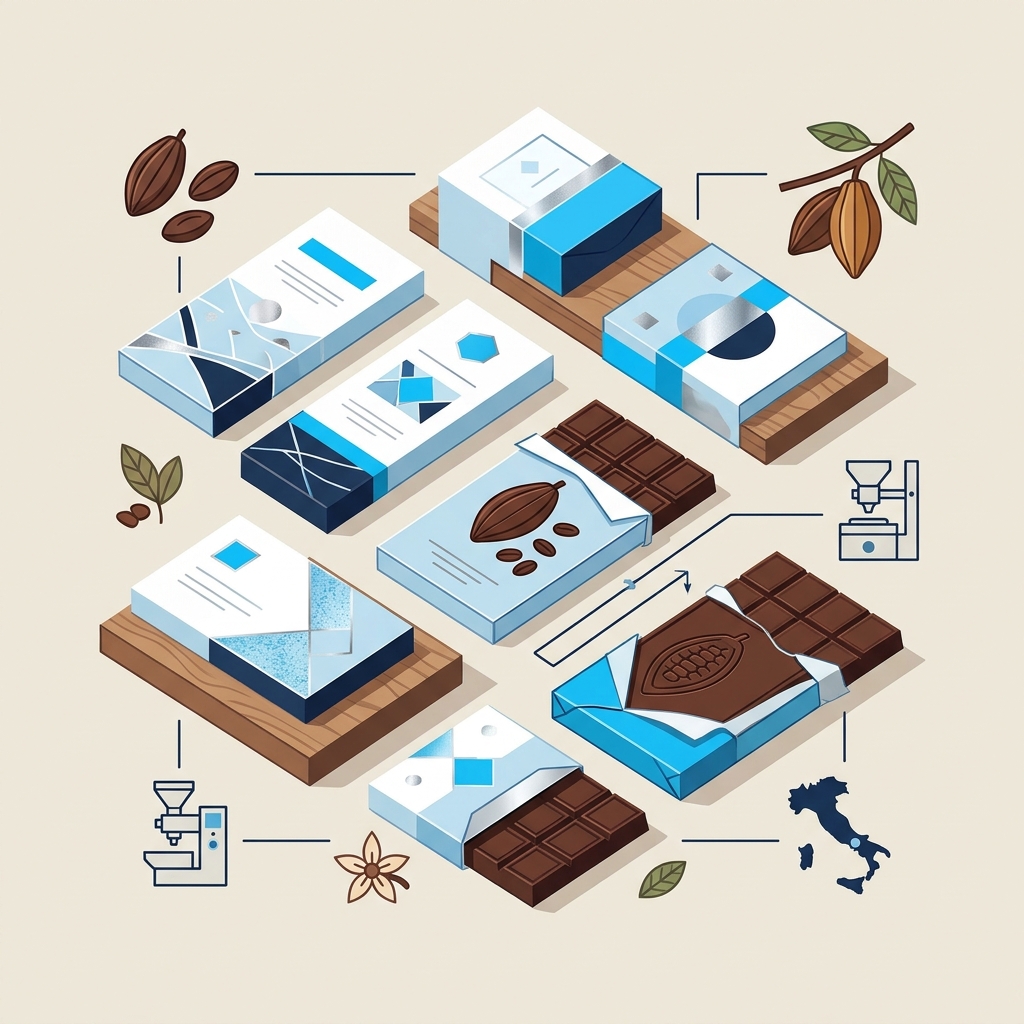
The craft cocoa movement has radically transformed the confectionery industry, elevating the traditional bar into a luxury product category, and along with it, boxes for bean to bar chocolate have become an essential piece of the commercial puzzle. Unlike mass-market industrial candy, a bar crafted "from the bean to the bar" embodies a meticulous process spanning from origin selection to roasting, conching, and tempering. This level of dedication demands packaging that not only protects the product's delicate organoleptic properties, but also visually and tactilely conveys the premium quality the consumer is about to experience.
The Essentials
- Packaging must reflect the premium quality and ethical origin of craft cocoa.
- Certified wood delivers a significantly higher perceived value for limited editions and gift sets.
- It is essential to pair the rigid outer case with food-safe inner wrapping.
- Customization options, such as laser engraving, reinforce the identity of organic and artisanal brands.
The Philosophy Behind Single-Origin Cocoa and Its Packaging
The "bean to bar" concept is not merely a marketing label, but a philosophy of transparency and respect for the raw ingredient. Brands that embrace this approach control every single stage of production. Consequently, the packaging cannot clash with these values. Using synthetic materials, single-use plastics, or low-density cardboard directly contradicts the narrative of sustainability and purity that the end customer seeks.
For this product profile, packaging serves a dual function. On one hand, it must act as a thermal and physical barrier, since authentic artisanal chocolate—free from artificial stabilizers—is extremely sensitive to sudden temperature fluctuations, moisture, and the absorption of external odors. On the other hand, it acts as the primary brand ambassador on a gourmet store shelf or at the moment it is given as a gift.
The Invisible Enemy: Odor Migration
Cocoa butter is highly lipophilic, meaning it quickly absorbs scents from its environment. A sturdy outer package, such as a wooden box with a proper closure, adds a vital layer of insulation against external agents during storage and transportation.
Core Criteria for Craft Chocolate Bar Packaging
Selecting the right packaging for this industry requires a detailed analysis of several factors to ensure an optimal user experience from the very first glance to the final bite.
-
Mechanical ProtectionPackaging rigidity prevents unwanted bar breakage, a critical aspect for premium products that must reach the consumer intact.
-
Thermal InsulationMaterials with low conductivity, such as certain woods or multilayer paperboard, help mitigate temperature spikes during transit and logistics.
-
Visual IdentityThe design must communicate origin, cocoa percentage, and tasting notes with perfect legibility, making the product easy to understand.
-
Demonstrable SustainabilityThe use of biodegradable, recyclable, or compostable materials is practically mandatory for certified organic brands.
Materials in the Sector: From Paper to Wood
When designing packaging for single-origin bars, there is a wide array of materials available, but not all of them convey the same level of exclusivity. Kraft board, textured cardstocks, and natural fiber papers are standard for everyday retail outer wrapping. However, when it comes to gift sets, limited micro-batch editions, or tasting kits, the bar must be raised.
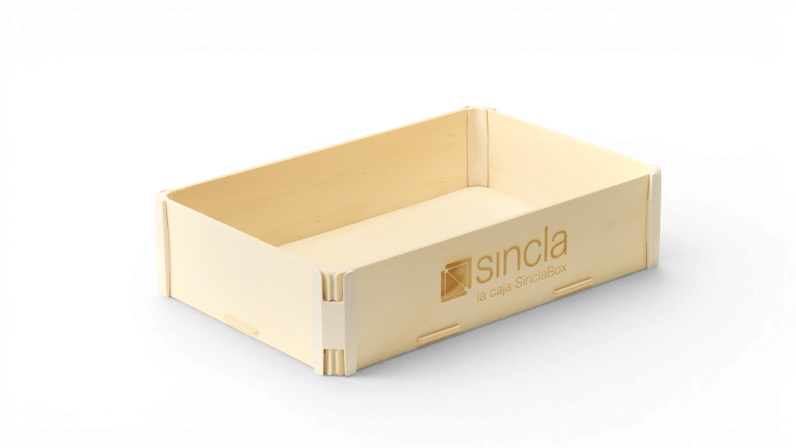
It is in this top-tier segment where bean to bar chocolate boxes made of wood take center stage. The industry primarily relies on lightweight wood plywood (such as poplar or pine), MDF (medium-density fiberboard), and, to a lesser extent for highly exclusive cases, solid wood. Understanding the advantages of wood over cardboard in packaging is essential to making an informed decision, especially for high-volume campaigns like the holiday season or corporate events.
| Material | Resistance | Perceived Value | Main Application in Bean to Bar |
|---|---|---|---|
| Cardstock / Kraft | Low to Medium | Standard | Individual retail sales and gourmet supermarket shelves. |
| Wood Plywood | High | Premium | Special editions, tasting packs, and corporate gifts. |
| MDF | High | Medium-High | Boxes with modern stained or lacquered finishes. |
Customization and Finishes to Stand Out
Premium packaging makes little sense if it does not unequivocally project the artisan chocolatier's identity. The texture of a wooden box provides an unparalleled canvas for printing and engraving techniques that bring depth and character to the packaging.
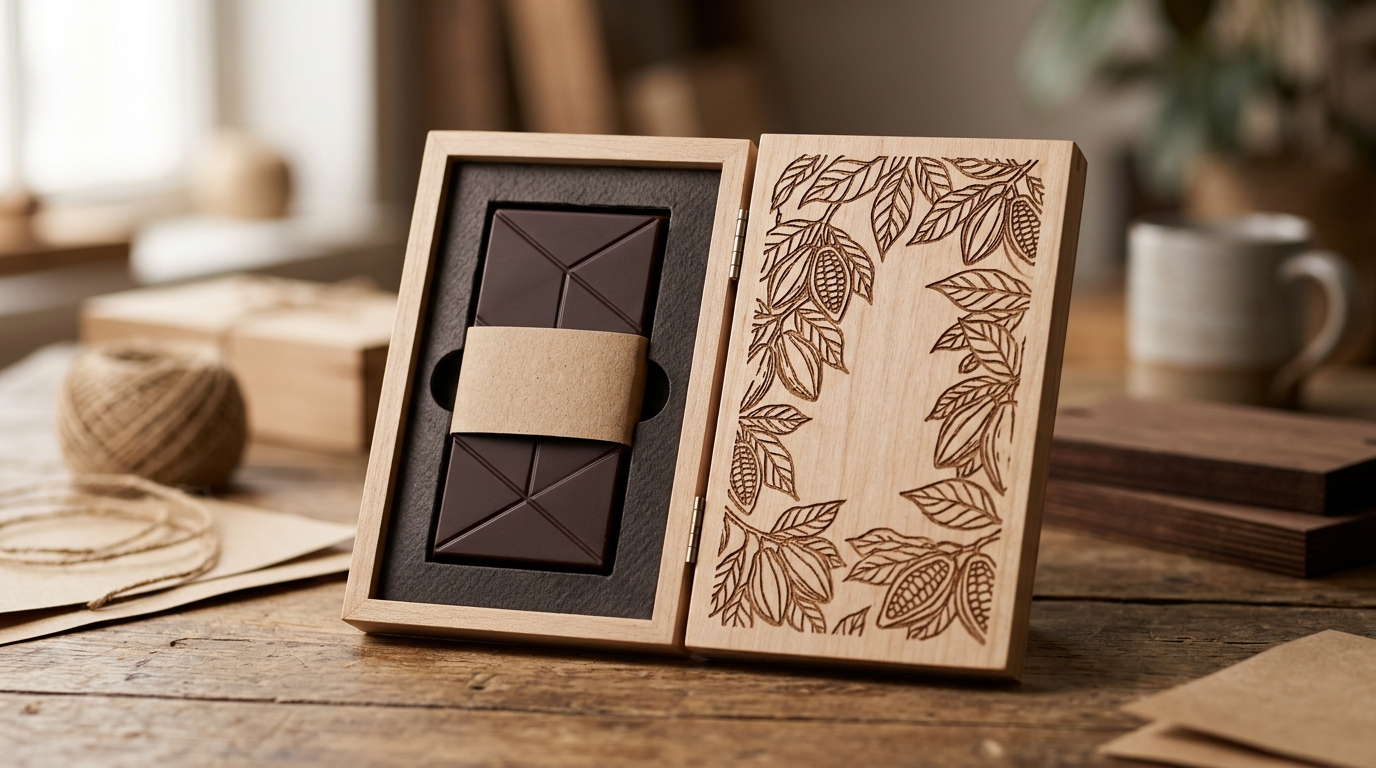
Laser engraving is undoubtedly one of the most requested techniques in the craft cocoa niche. By gently searing the wood surface, the laser creates a tactile low-relief with toasted tones that visually echo the cocoa itself. Another popular option is screen printing, which allows for solid, contrasting colors—ideal for brands seeking a more contemporary aesthetic without sacrificing the warmth of natural materials.
- Defining the format. Determine whether the box will house a single bar (typically slim and rectangular) or an assortment of napolitains and full-size bars for tastings.
- Choosing the base material. Opt for untreated natural wood for a rustic, organic look, or dark stained finishes for a sophisticated appearance.
- Selecting the marking method. Decide between the subtlety of laser engraving, the vibrant color of pad printing, or the elegance of hot foil stamping.
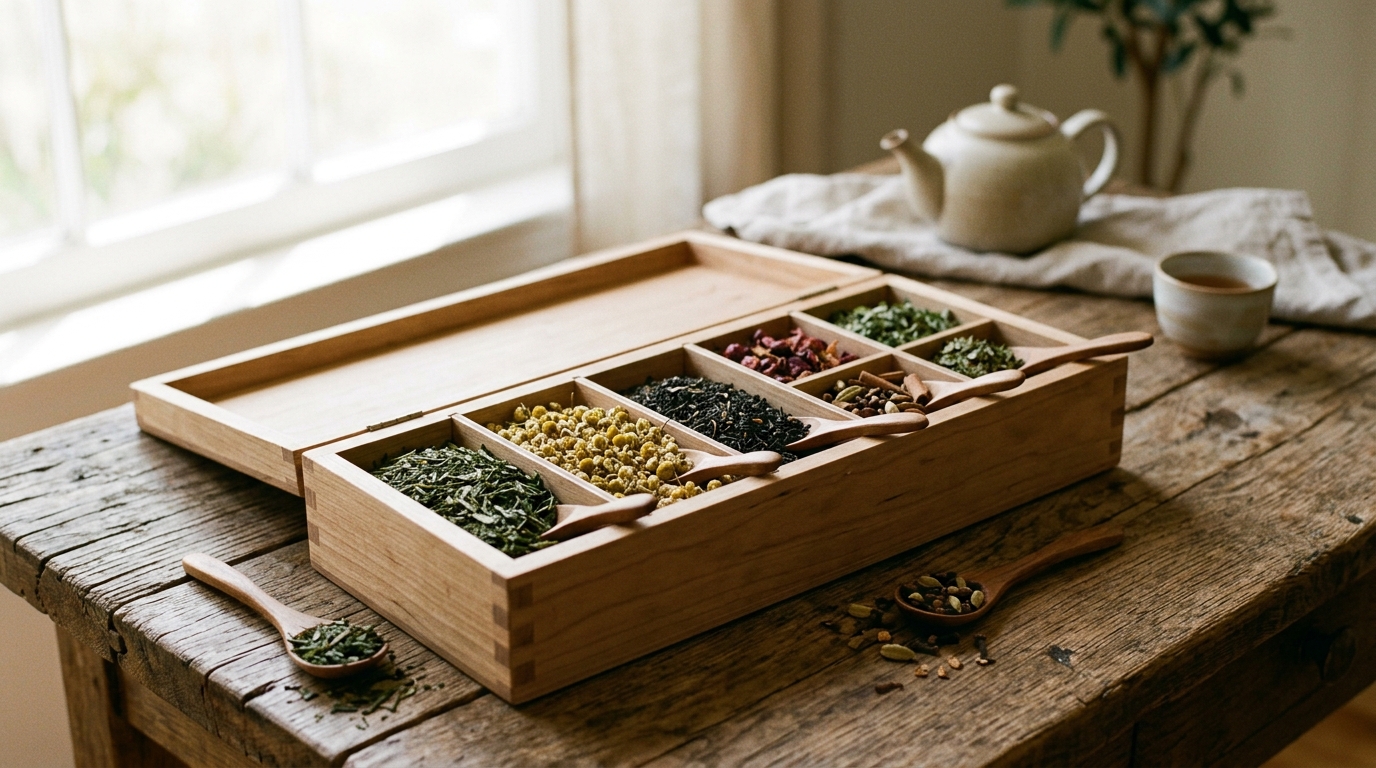
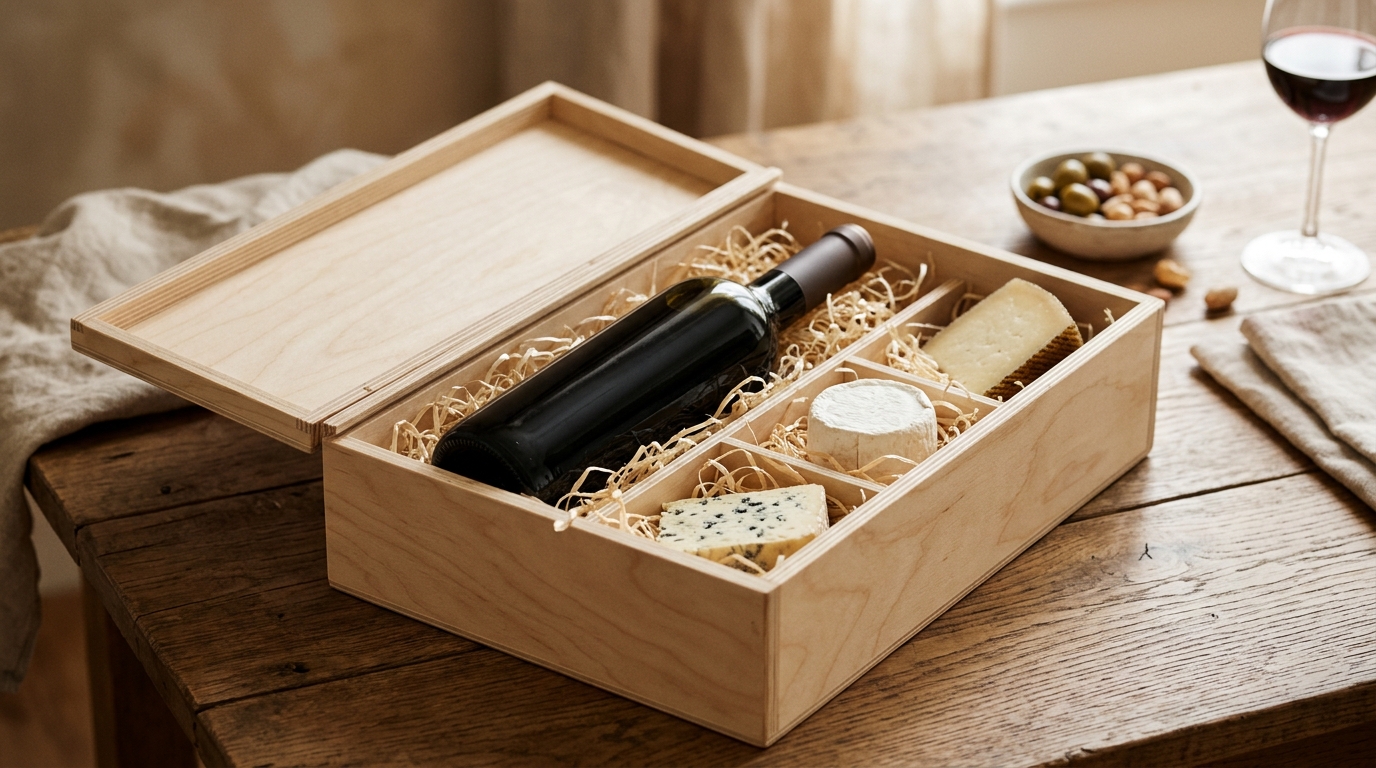
- Designing the interior fitment. Include recycled paper inserts, wood wool, or custom-cut fittings so the bars do not shift during transit.
The Power of Unboxing
In the gourmet gift segment, the act of opening the packaging is just as important as the product inside. A wooden sliding lid that glides open smoothly, releasing the aroma of cocoa, creates a memorable moment. Curating this unboxing experience for gourmet shops and packaging significantly boosts customer loyalty.
Sustainability: The Non-Negotiable Requirement
In 2026, craft chocolate consumers take it for granted that the product has been cultivated under strict ethical standards (fair trade, zero deforestation). It would be a monumental strategic error to package such a pure product in packaging that harms the environment.
This is why origin certifications play a critical role. The wood used in bean to bar chocolate boxes should come from sustainably managed forests, ensuring that harvesting contributes to forest regeneration rather than deforestation. Widely recognized certifications, such as the FSC label, serve as an indispensable guarantee for both the maker and the buyer. Adopting sustainable packaging for organic brands is not just a matter of corporate responsibility, but a core selling point.
Outstanding packaging does not just protect the chocolate; it anticipates and respects the mastery of the artisan who crafted it.
Common Mistakes in Chocolate Box Design
Even the best-intentioned brands can make mistakes when selecting or designing packaging for their premium lines. Knowing these in advance saves costs and returns while ensuring total customer satisfaction.
The primary mistake lies in direct contact. By its porous nature, wood can transfer its own aromas (resins, woody notes) to the cocoa butter. It is imperative that the chocolate bar has an appropriate primary wrapper (usually food-grade aluminum foil or certified compostable cellulose) before being placed into a rigid wooden case. The box provides structural protection and visual appeal, but the inner seal preserves the pure flavor profile.
Pay Attention to Dimensional Fit
Designing an overly loose box causes the bar to knock against the walls during transit, leading to breakage. It is essential to calculate the exact space by accounting for the thickness of the inner wrapping and to include dividers when packing multiple units.
Another frequent misstep is an excess of synthetic varnishes. While a lacquered finish may look luxurious, using harsh solvents in the exterior treatment can subtly taint the ambient aroma when the box is opened. It is strongly recommended to choose natural finishes, water-based stains, or polished raw wood to maintain an olfactory neutrality fitting for the product.