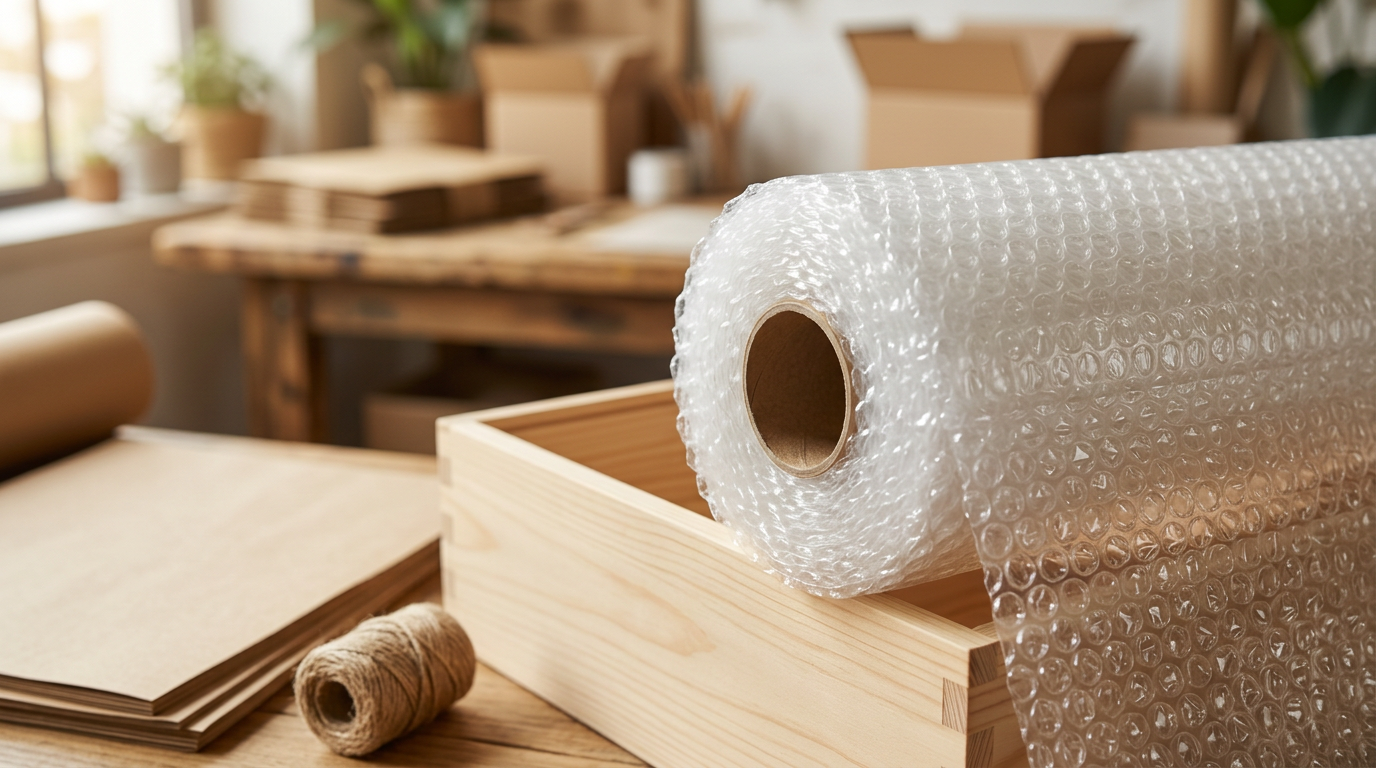
Bubble Wrap: The Complete Guide to an Essential Packaging Ally
The essentials
- Bubble wrap is a versatile and indispensable packaging material for product protection.
- There are various types depending on bubble size, material (polyethylene, antistatic), and format (rolls, bags, sheets).
- Its effectiveness lies in cushioning impacts and vibrations thanks to the air trapped in its bubbles.
- Correct application is crucial to maximize its protection, avoiding empty spaces and ensuring full coverage.
- Sustainable alternatives such as honeycomb paper or compostable films are gaining ground as eco-friendly options.
History and Evolution of Bubble Wrap
How Does Bubble Wrap Work?
Types of Bubble Wrap and Their Applications
By Bubble Size
- Small Bubble (Ø 6-10 mm): Ideal for light and small objects requiring delicate protection or for filling empty spaces. Allows for a more precise fit around the product's shape.
- Medium Bubble (Ø 15-20 mm): The most common and versatile size, suitable for a wide range of medium-weight products, offering a balance between cushioning and flexibility.
- Large Bubble (Ø 25-30 mm or more): Designed for heavy, bulky, or extremely fragile objects that need superior protection against severe impacts. Offers greater cushioning distance.
By Material and Additional Properties
- Standard (Polyethylene): The most common type, made from low-density polyethylene (LDPE). It is transparent, lightweight, and resistant.
- Antistatic: Contains additives that dissipate electrostatic charges, preventing damage to sensitive electronic components. It is recognized by its pink or blue color. Essential for packaging motherboards, hard drives, and other devices.
- Cohesive or Self-Adhering: One side of the film is coated with a cohesive layer that adheres to itself but not to the product, eliminating the need for adhesive tape. Useful for quickly wrapping irregular objects.
- Kraft: A combination of bubble wrap with a layer of kraft paper, providing additional puncture resistance and a more aesthetic and discreet appearance. Often used for documents or items requiring extra opacity and surface robustness.
- Reinforced: Incorporates an additional layer of film or fabric to increase tensile strength and tear resistance, ideal for objects with sharp edges or for long-distance packaging.
By Format
- Rolls: The most common format, available in various widths and lengths, ideal for wrapping products of different sizes and shapes or for cushioning large surfaces.
- Bags: Pre-formed bags with airtight sealing, perfect for individually protecting small items, such as jewelry, electronic components, or spare parts. Some may be self-adhesive for quick sealing.
- Sheets or Envelopes: Pre-cut sheets or ready-to-use padded envelopes, which simplify the packaging process for flat or standard-sized items. Envelopes are especially popular for postal shipments.
Practical tip
For very fragile or irregularly shaped objects, consider combining different types of bubble wrap or using multiple layers for optimal protection.
Advantages and Disadvantages of Bubble Wrap
Advantages
- Superior ProtectionExcellent cushioning against impacts and vibrations.
- LightweightAdds little weight to the package, reducing shipping costs.
- FlexibleAdapts to almost any product shape or size.
- EconomicalVery favorable cost-effectiveness ratio for the protection it offers.
- Water-resistantOffers some protection against moisture and spills.
Disadvantages
- Environmental impact: Although recyclable in many places, its plastic base (derived from petroleum) raises concerns about plastic waste.
- Volume: Takes up storage space, especially large rolls.
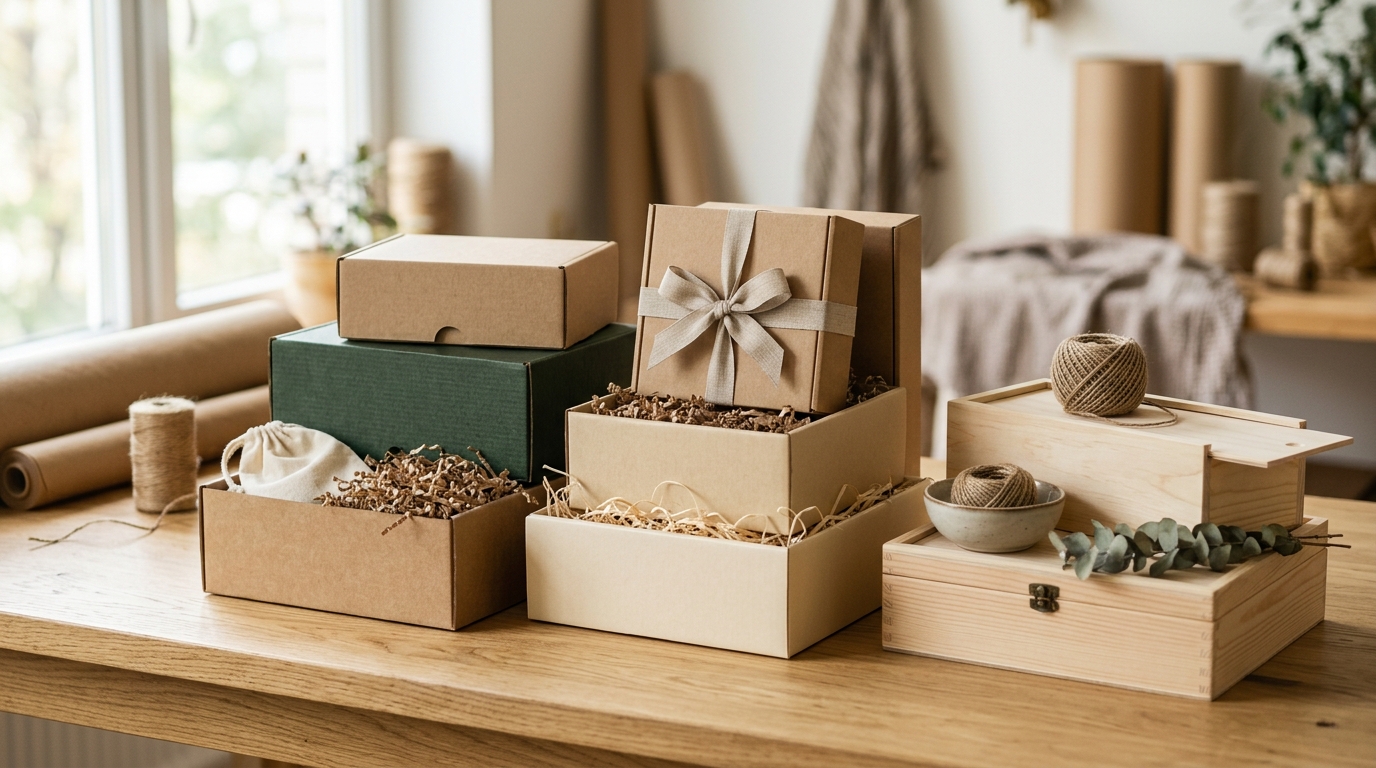
- Aesthetics: While functional, it is not always the most premium or attractive option for product presentation. For gift packaging or high-value items, it is often complemented by other materials.
- Non-breathable: May not be suitable for products requiring ventilation.
How to Use Bubble Wrap Correctly
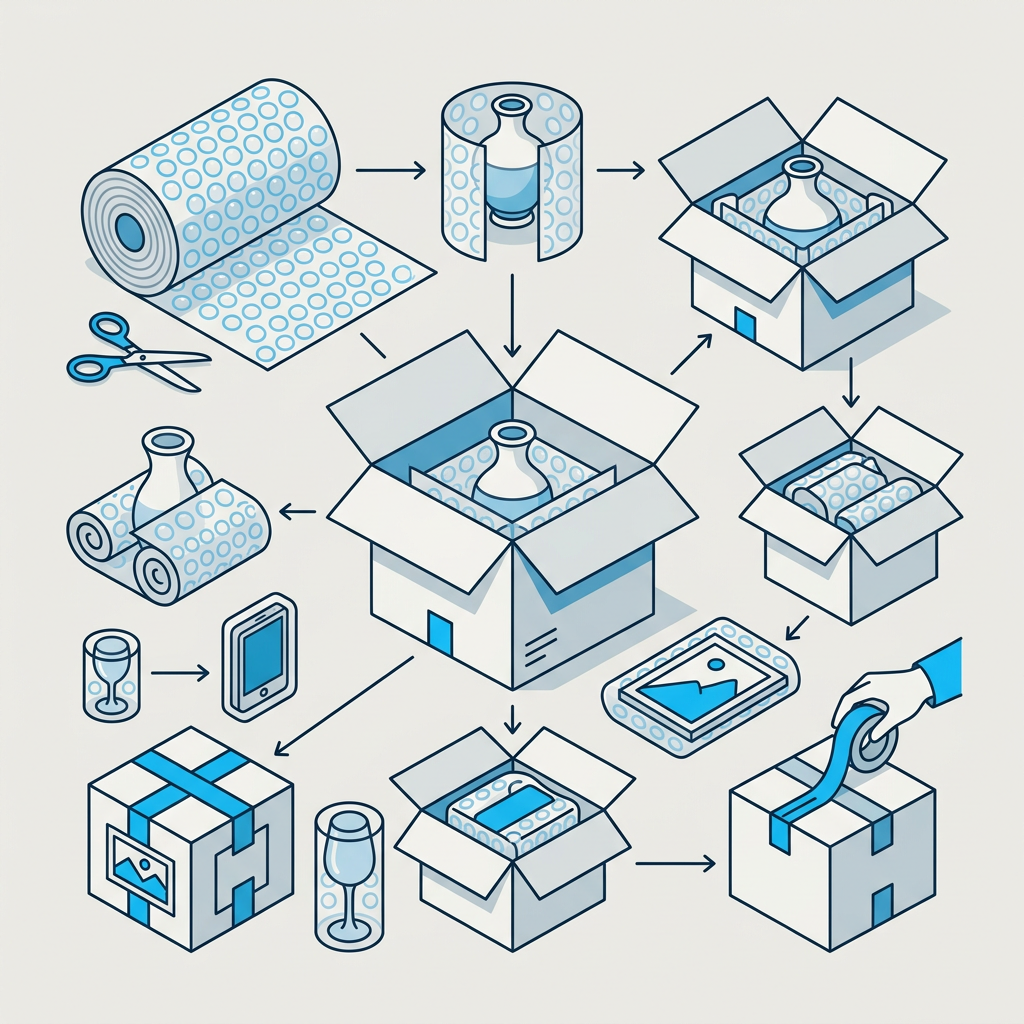
- Choose the right bubble size. Use small bubbles for small or delicate objects, and large bubbles for heavier items or those needing more cushioning.
- Wrap firmly but without over-tightening. The goal is for the air in the bubbles to act as a cushion, not to be compressed until it disappears. Ensure all surfaces of the object are covered.
- Multiple layers if necessary. For very fragile objects or those with sharp edges, adding two or more layers significantly increases protection.
- Secure with adhesive tape. Use quality packaging tape to secure the bubble wrap and prevent it from unrolling during transport.
- Fill empty spaces. Once the object is wrapped, place it inside the shipping box. If there are gaps, fill them with more bubble wrap, paper, packing peanuts, or foam to prevent internal movement, which is a common cause of damage.
- Consider orientation. If the object has a specific handling orientation, ensure it is indicated on the outer box.
Caution!
Never use antistatic bubble wrap for packaging food or products that may react with its chemical components. Its use is exclusively for electronics.
Sustainable Alternatives to Bubble Wrap
- Recycled Bubble Wrap: Made with a percentage of post-consumer or post-industrial recycled material, reducing reliance on new virgin resources.
- Biodegradable/Compostable Bubble Wrap: Composed of polymers that decompose in the environment under certain conditions, although it is important to verify certifications to ensure effective biodegradation.
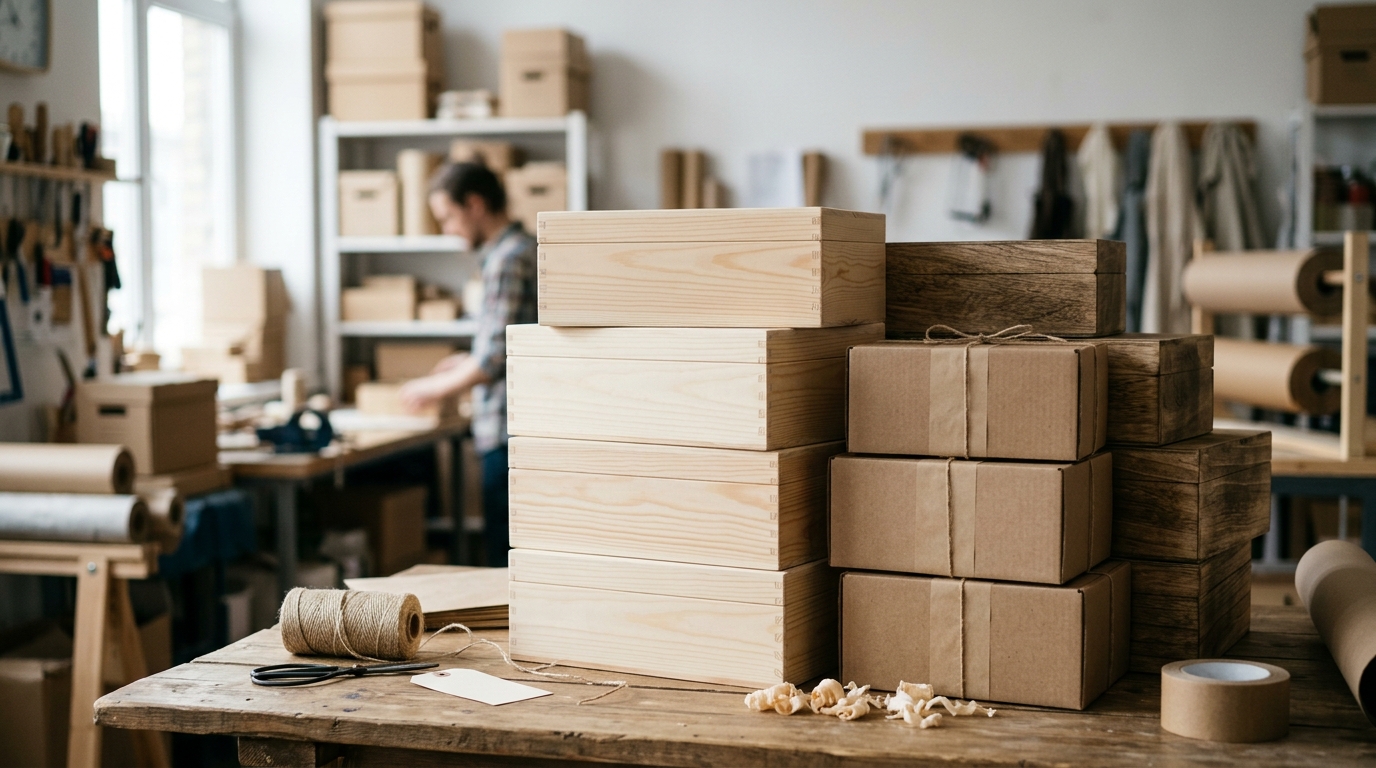
- Honeycomb Paper or Alveolar Paper: A pre-cut or pre-formed paper packaging that expands to create a honeycomb-like structure, offering excellent cushioning. It is 100% recyclable and biodegradable. It can be a great option for protecting custom wooden boxes or premium gift items.
- Shredded/Crinkled Paper Fill: Recycled or virgin kraft paper, crinkled or shredded, serving as excellent void fill material to immobilize products and absorb impacts.
- Biodegradable Packing Peanuts: Made from corn or potato starch, these are a compostable alternative to traditional polystyrene peanuts. They dissolve in water.
- Paper Air Cushions: Systems that inflate paper bags to create air cushions on demand, offering lightness and protection, in addition to being recyclable.
- Eco-Friendly Packaging Foams: Some foams are being developed on a bio-basis or with processes that reduce their carbon footprint, offering very high protection.
Bubble Wrap in the World of Premium and Gift Packaging
chocolate boxLDPECommon base material
6-30 mmTypical bubble diameter
50%Possible recycled content
Common Mistakes When Using Bubble Wrap
- Incorrect orientation: The bubbly side should always be placed facing the object to maximize cushioning. The smooth side should face outwards.
- Not using enough material: Skimping on layers can result in insufficient protection. It's better to use a little more than to use too little.
- Leaving empty spaces: If the product can move inside the box, the bubble wrap will not effectively absorb impacts. Void fill is key for immobilization.
- Excessive reuse: Bubble wrap loses its cushioning properties with use. Bubbles can pop or deflate, reducing their effectiveness. If reusing, ensure it is in good condition.
- Choosing the wrong bubble size: Using large bubbles for a small, delicate object may not provide the necessary fit, and small bubbles for a heavy object may not offer sufficient cushioning.
- Not considering special properties: Not using antistatic bubble wrap for electronics, or using a standard one for items requiring specific breathability or water repellency.
Environmental Considerations and Recycling
Key fact
Low-density polyethylene (LDPE), the base material of bubble wrap, is recyclable. Check your local recycling regulations.