The Key Figure in Modern Design: The Packaging Creator
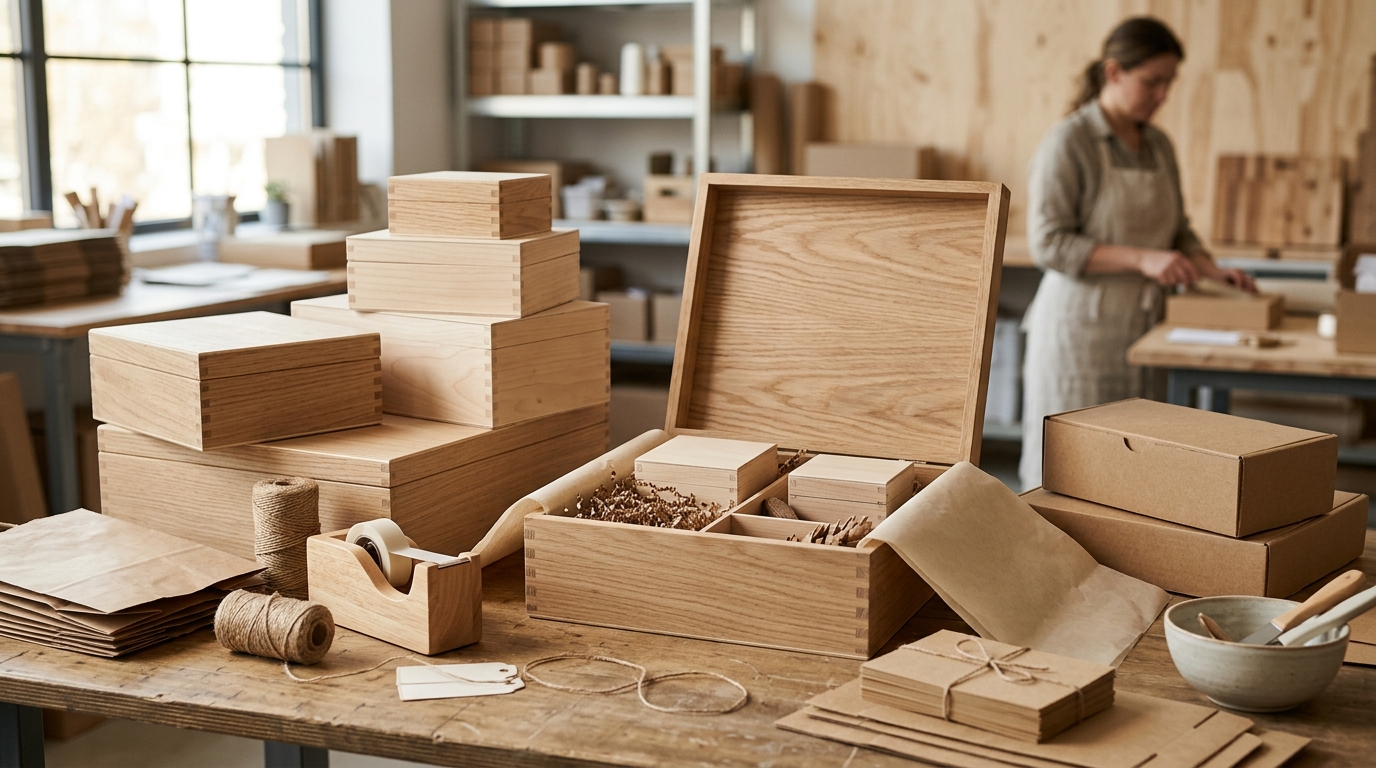
Packaging design has long ceased to be a mere functional formality and has become one of the most strategic disciplines in industrial and graphic design. A packaging creator is the professional or team responsible for conceptualising, designing, and developing the perfect container for a product, balancing aesthetics, protection, sustainability, and costs. In a market where first impressions often dictate purchasing decisions, mastering this process is essential for any brand looking to stand out.
Key Takeaways
- A packaging creator must balance design, product protection, and the user unboxing experience.
- The choice of materials (such as FSC-certified wood or kraft cardboard) defines both perceived quality and environmental impact.
- Successful design requires a methodical process: from needs analysis to prototyping and final production.
The Fundamental Role of the Packaging Creator
When a consumer interacts with a product for the first time, whether on a physical shelf or upon receiving a parcel at home, the packaging is their primary touchpoint. A packaging creator does not merely design attractive graphics; their work encompasses structural engineering, material selection, production feasibility, and consumer psychology.
This professional must consider critical factors such as the fragility of the contents, weight, dimensions, legal labelling regulations, and available budget. Furthermore, today, brand differentiation through packaging is essential for creating an emotional connection with the buyer.
The Value of the Unboxing Experience
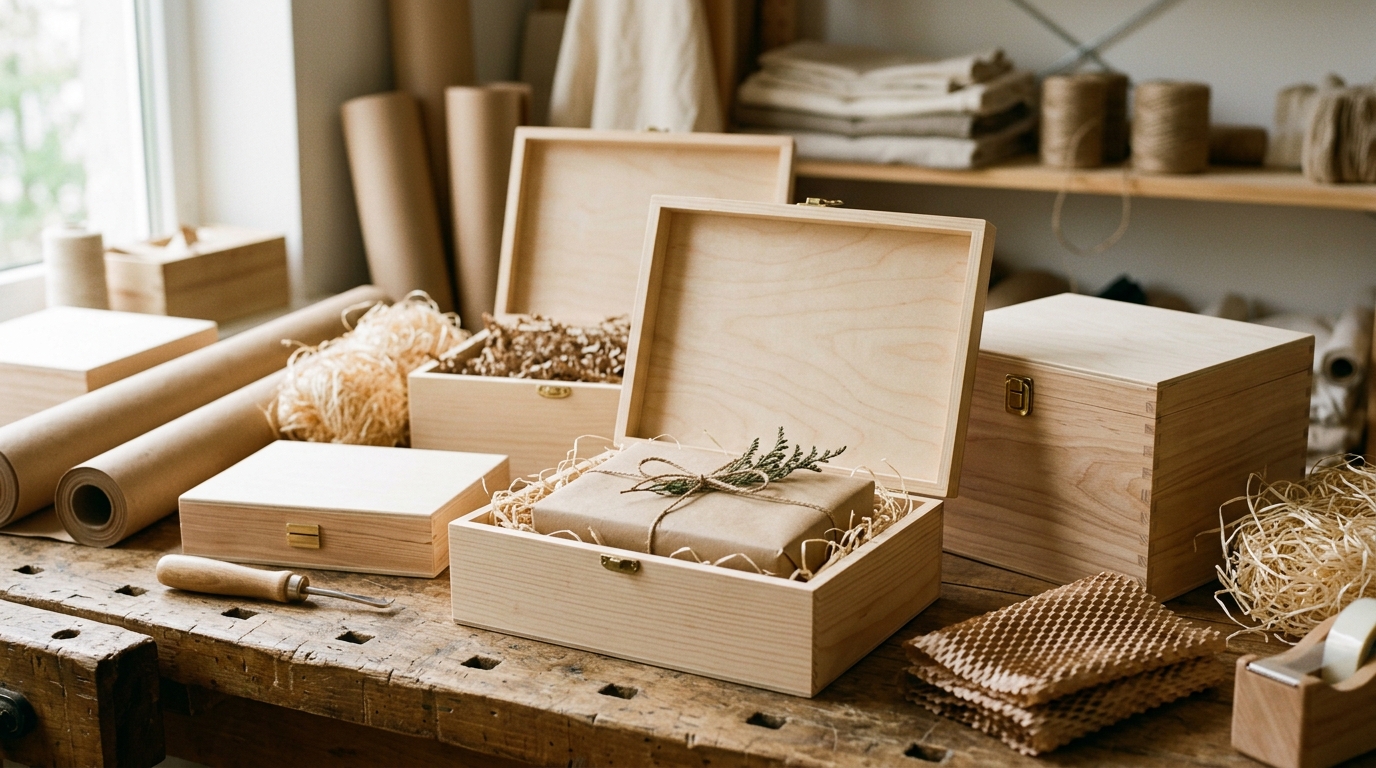
The unboxing experience can significantly increase a product's perceived value and foster customer loyalty.
Step by Step: How a Packaging Creator Works
The packaging development process follows a clear methodology ensuring the end result meets all technical and commercial requirements.
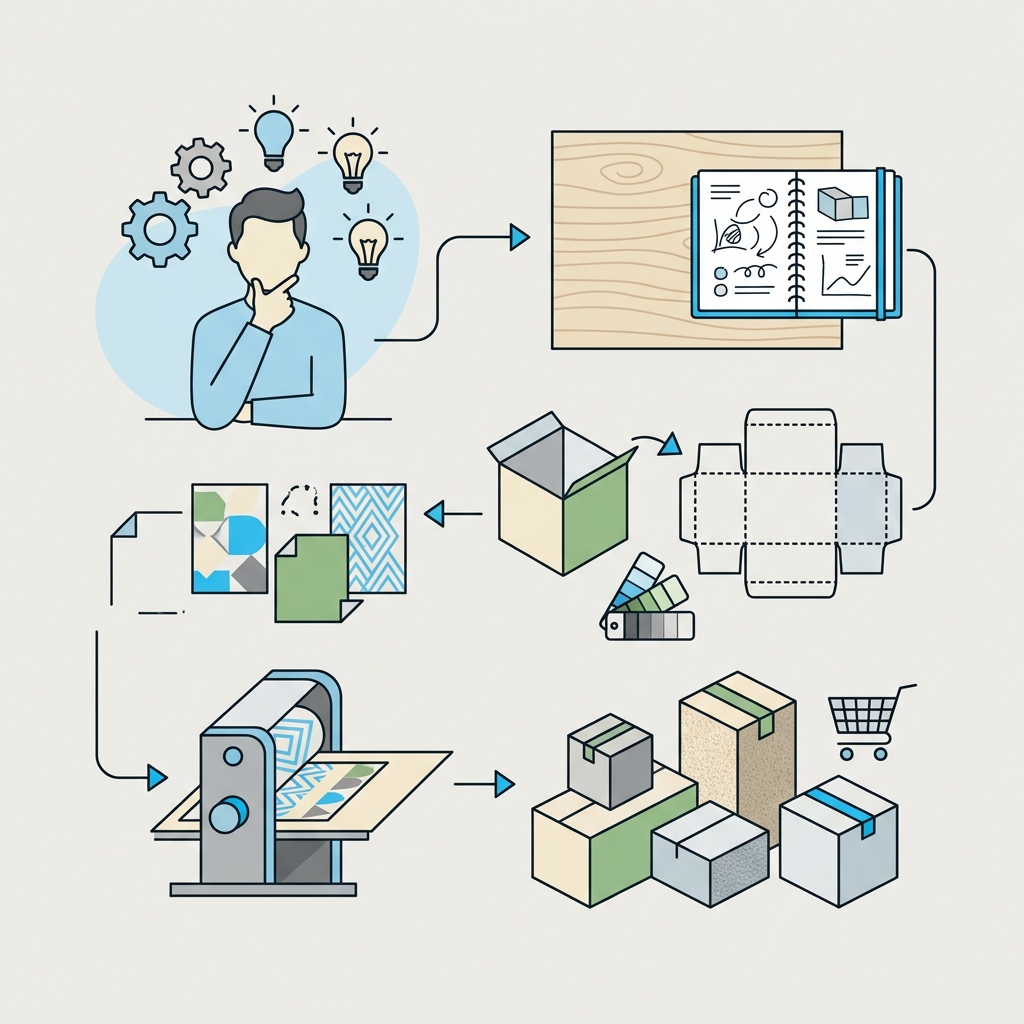
- Product and Target Audience Analysis: Understanding what is being packaged, who will purchase it, and in what context (physical store, e-commerce, premium gift).
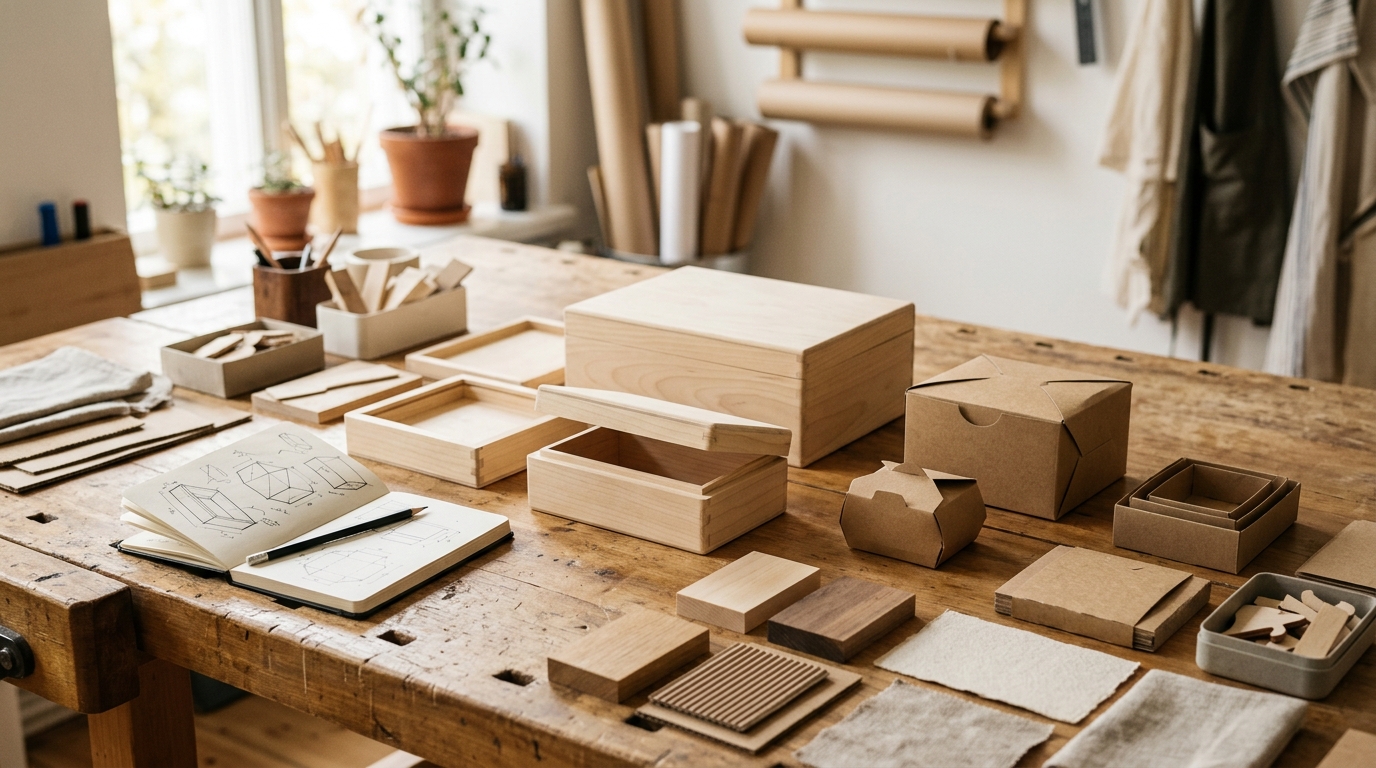
- Conceptualisation and Structural Design: Creating initial sketches and 3D models to define the shape, opening and closing mechanisms, and internal space layout.
- Material Selection: Evaluating options based on sustainability, strength, and desired finishes (timber, plywood, corrugated cardboard, etc.).
- Graphic Design and Brand Integration: Applying colours, typography, logos, and visual elements in compliance with labelling regulations.
- Prototyping and Testing: Producing physical samples to test durability, product fit, and usability prior to mass production.
- Final Production: Making final adjustments and launching manufacturing, ensuring quality control at every stage.
Key Criteria for Effective Design
For a packaging creator to succeed, they must consider several criteria that determine the project's viability.
- ProtectionThe primary objective is for the product to arrive undamaged at its destination.
- Logistics OptimisationThe design must minimise void space to reduce shipping and storage costs.
- SustainabilityThe use of recyclable, biodegradable, or responsibly sourced materials.
- Visual IdentityThe packaging must clearly communicate the brand's core values.
Materials and Finishes in the Packaging Creator's Toolkit
Material selection is perhaps the most critical decision a packaging creator makes. Depending on the product's market positioning, the solution chosen may be budget-friendly or distinctly premium.
Material Options
In high-end packaging and luxury gifting, wood and its derivatives hold a prominent place thanks to their durability and natural aesthetic.
- Certified Solid Wood (FSC/PEFC): Ideal for premium products, such as reserve wines or luxury goods. It conveys heritage and exclusivity.
- Plywood: Offers an exceptional strength-to-weight ratio. Widely used for packaging requiring durability without excessive bulk.
- MDF (Medium-Density Fibreboard): Features a smooth, uniform surface, making it perfect for lacquered finishes or intricate printing.
- Kraft and Corrugated Cardboard: The standard choice for e-commerce due to cost-efficiency and recyclability. An expert packaging creator knows how to elevate this baseline material through clever structural designs.
Sustainability as the Standard
In 2026, sustainability is no longer merely an added benefit—it is an indispensable requirement. Always prioritise certified materials and mono-materials that streamline end-of-life recycling.
Customisation and Finishing Techniques
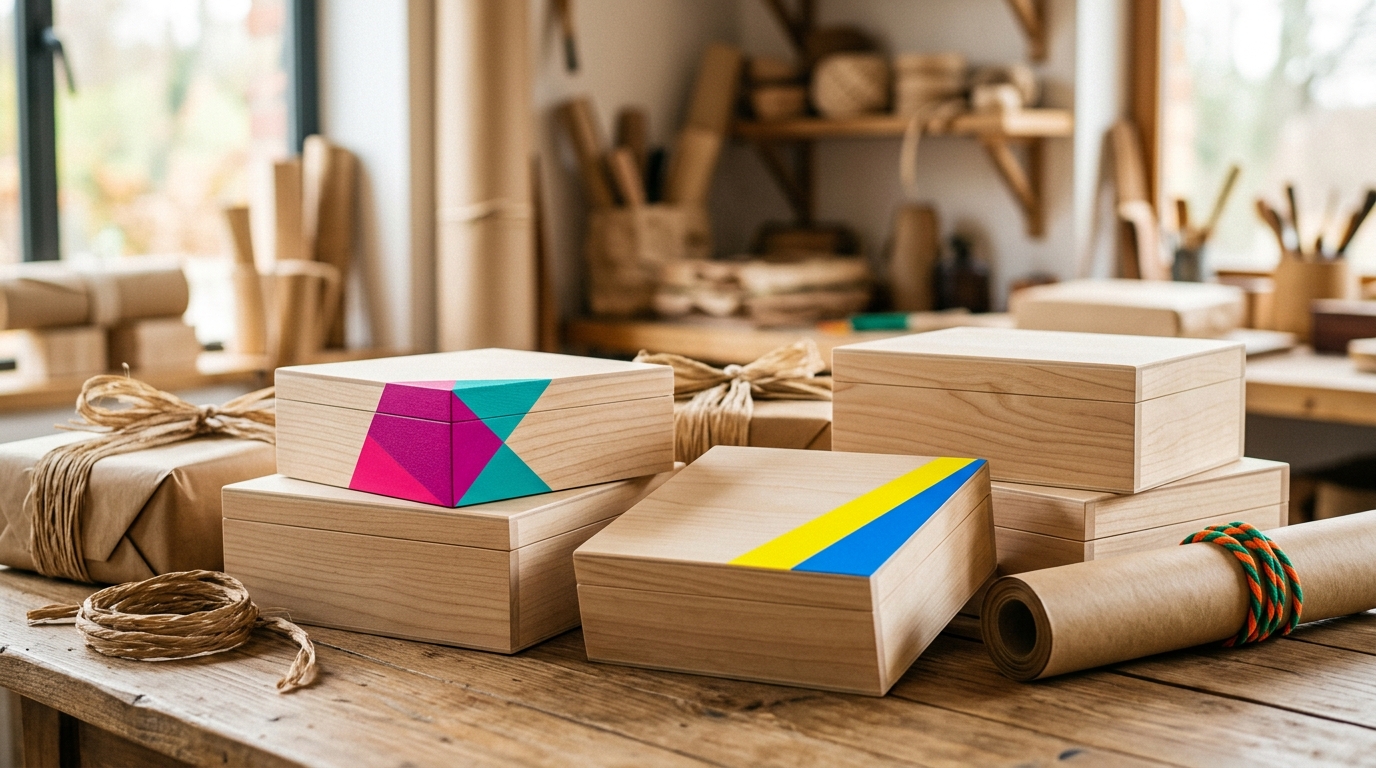
The final touch that elevates a good design into an exceptional one lies in the customisation techniques applied.
| Technique | Description | Recommended Use |
|---|---|---|
| Laser Engraving | Lightly burns the surface, creating natural, elegant relief and contrast. | Solid wood, plywood, MDF. Excellent for intricate logos. |
| Screen Printing | Mesh-based printing that delivers vivid, opaque colours. | Flat surfaces, medium to large production runs. |
| Pad Printing | Ink transfer via a silicone pad, ideal for uneven surfaces. | Fine details, curved or complex shapes. |
| Hot Stamping | Application of metallic foils (gold, silver) using heat and pressure. | Premium packaging, exclusive gift boxes, and limited editions. |
"Good packaging protects your product. Great packaging protects your brand."