Cajas Decorativas: Guía Completa de Materiales y Usos
The Art of Wrapping: A Complete Guide to Decorative Boxes
Decorative boxes are much more than simple containers; they are design elements that add value, aesthetics, and a memorable experience to any product or gift. Their function transcends mere protection, transforming into a style statement, an extension of the brand, or an essential component of presentation. Since ancient times, the act of storing and transporting has been intrinsically linked to the need for embellishment, giving rise to a packaging category that today is as varied as the occasions it celebrates. Understanding the diversity, materials, finishes, and applications of these boxes is fundamental to choosing the option that best suits each need, whether for a special event, a personal gift, or a marketing strategy.The essentials
- Decorative boxes combine functionality and aesthetics, elevating the perception of the content.
- The choice of material (wood, cardboard, metal, etc.) defines their durability and style.
- Multiple customization options exist to adapt to brands and occasions.
- Sustainability is a key factor in the selection and production of this type of packaging.
The Essence of Decorative Boxes: Function and Style
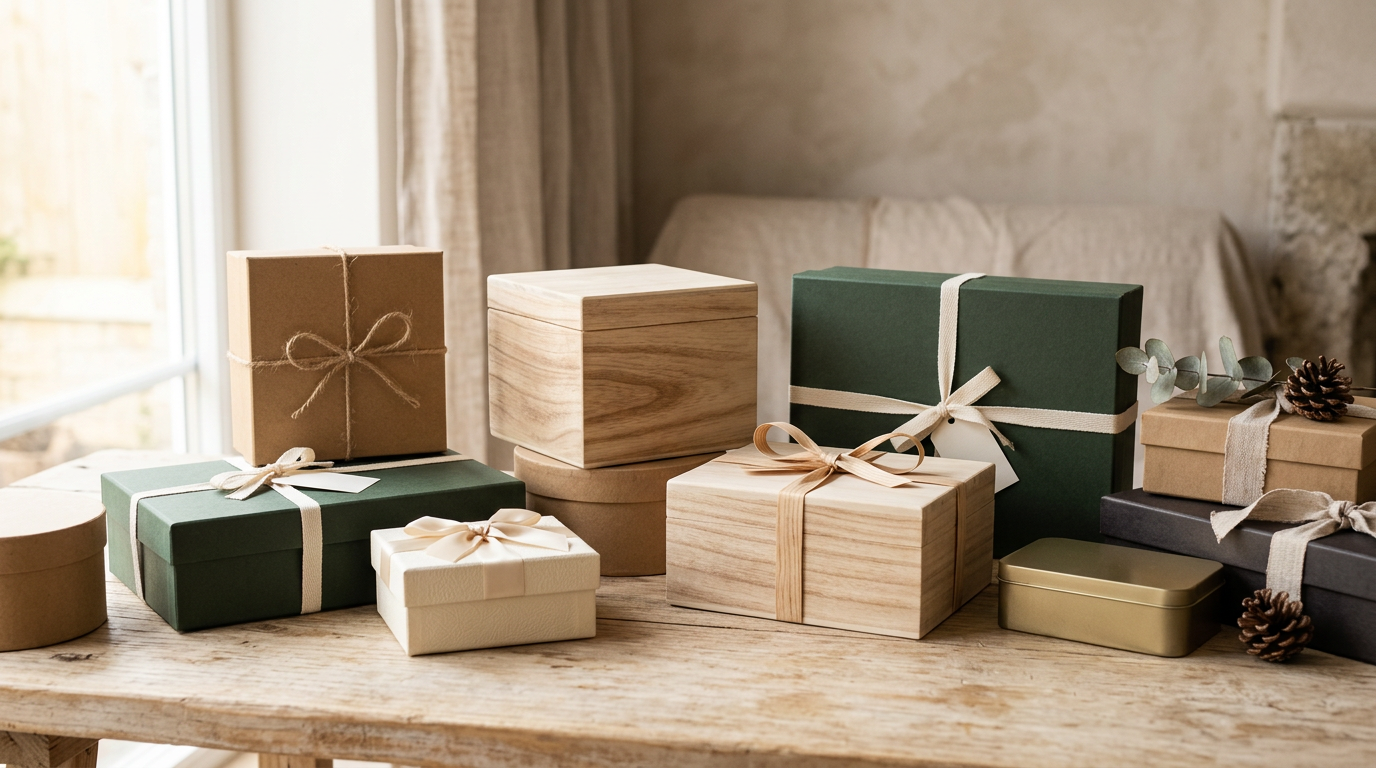
A decorative box is distinguished by its ability to go beyond the functional. It not only safeguards an object but presents it in a way that emotionally impacts the recipient. This type of packaging has become a powerful tool in various fields:- Personal Gifts: Adds a touch of exclusivity and anticipation, transforming a simple gift into an experience.
- Premium Product Packaging: For brands seeking to communicate luxury, quality, or exclusivity, a decorative box is indispensable. It contributes to the "unboxing experience," which is fundamental in the perception of value. If you want to delve deeper into this concept, you can explore the art of unboxing.
- Events and Celebrations: From weddings and communions to corporate events, these boxes are ideal for favors, invitations, or small details. An example of use in special events can be seen in wedding packaging or communion boxes.
- Decoration and Storage: Many decorative boxes are designed to be reused as decorative elements in the home or office, offering a practical and aesthetic solution for organizing objects.
The power of first impressions
Decorative packaging is the consumer's first physical interaction with a product. A well-designed box can increase the perceived value of the content and strengthen brand identity.
Materials in Decorative Boxes: A Universe of Possibilities
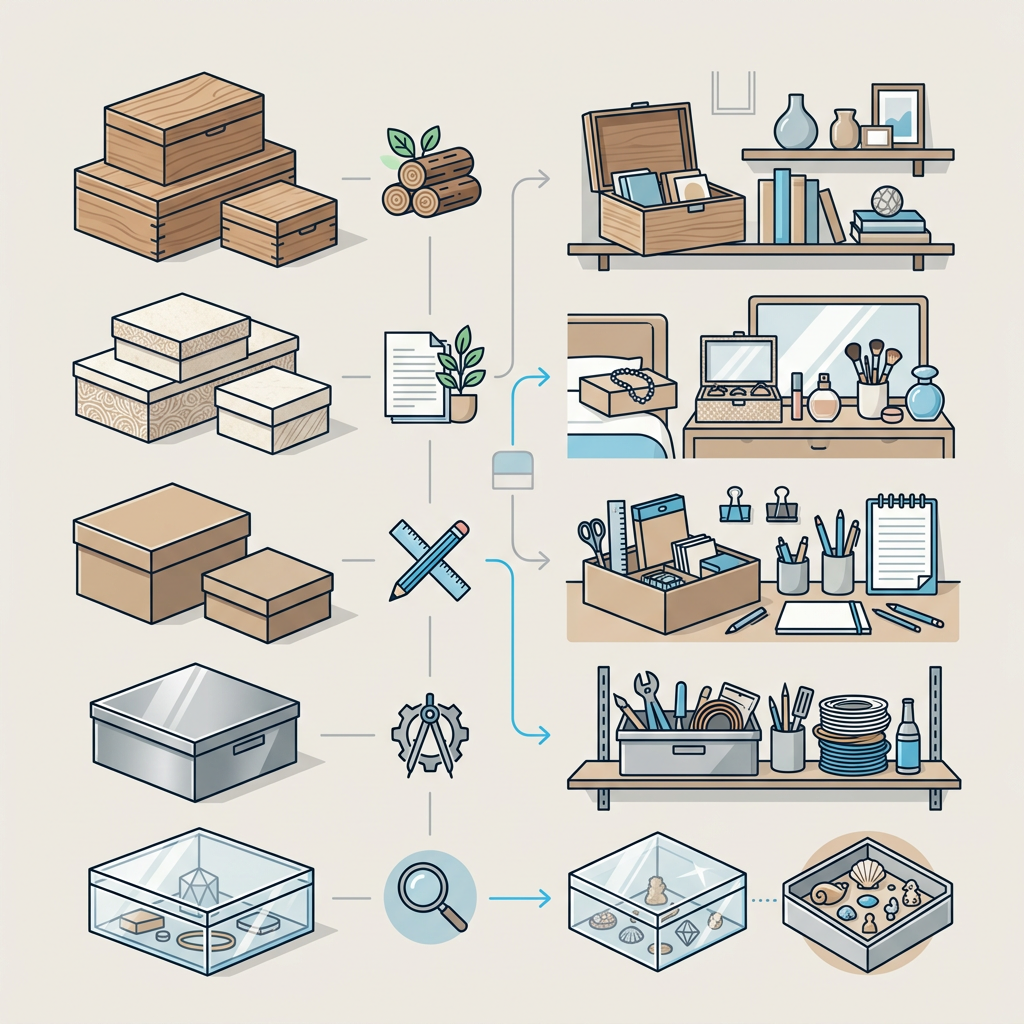
The choice of material is crucial, as it defines the resistance, aesthetics, and often the cost of the box. Below are the most common ones:Wooden Boxes
Wood is the material par excellence when seeking durability, a natural finish, and a premium feel. Its variants offer different characteristics:- Solid Wood: Provides robustness and a rustic or luxurious aesthetic, depending on the type of wood (pine, beech, oak, etc.). It is ideal for valuable objects or as a decorative piece in itself. FSC-certified wood guarantees responsible sourcing, being an important factor in sustainability.
- Plywood: Formed by thin layers of wood bonded together, it offers great stability and resistance to deformation. It is lighter than solid wood and allows for smooth finishes.
- MDF (Medium Density Fiberboard): Composed of wood fibers and resins, it is very versatile for cutting and customization. Its uniform surface is perfect for painting, lacquering, or laminating, achieving a sophisticated and modern finish.
FSCCertified wood
VariableDensity and weight
HighDurability
Cardboard Boxes
Cardboard offers great versatility and a more economical and sustainable option.- Compact or Graphic Cardboard: Ideal for rigid and elegant boxes, such as those for jewelry or cosmetics. It allows for high-quality printing and special finishes.
- Corrugated Cardboard (Kraft or White): Offers resistance and protection. Kraft cardboard boxes, with their natural and recyclable appearance, are very popular for a more ecological approach. They allow for customization through printing and are an excellent base for other decorations. If you are interested in material resistance, the concept of grammage in packaging is fundamental.
- Cardstock: Lightweight and easy to handle, perfect for small gift boxes, candy packaging, or stationery items.
Other Materials
Although less common, other materials are also used for their aesthetic or functional properties:- Metal: Brass, aluminum, or tin are used in vintage decorative boxes or for products that require extra protection and an industrial or retro aesthetic.
- Plastic: Although often associated with functionality, there are clear plastic boxes or those with elaborate designs used for gifts or storage where content visibility is key. Plastic boxes offer great resistance and versatility.
- Textiles (lined): Cardboard or wood lined with fabrics such as velvet, silk, or linen, providing a luxurious and soft-to-the-touch finish, often used in jewelry boxes or high-end presentation boxes.
Environmental considerations
When choosing materials, evaluate their origin and lifecycle. Prioritizing FSC-certified woods, recycled or recyclable cardboards, and non-toxic finishes contributes to more responsible consumption.
Types of Decorative Boxes and Their Applications
The shape and structure of a box also influence its functionality and visual appeal.- Lid and Base Boxes (Clamshell)The classic and versatile design, ideal for any type of gift or product.
- Hinged Lid BoxesOften made of wood or rigid cardboard, they provide a touch of sophistication and durability, perfect for jewelry boxes or keepsake boxes.
- Sliding Boxes (Drawer)Offer an elegant and functional "unboxing" experience, common in tech or beauty products.
- Window BoxesAllow part of the content to be displayed, adding intrigue and letting the recipient glimpse what is inside.
- Folding BoxesAre ideal for reducing shipping and storage costs, and are easily assembled at the time of use.
- Special Shaped BoxesFrom cylinders to complex geometric shapes, they are ideal for specific products or for standing out at the point of sale.
Finishes and Customization: The Key to Unique Design
The true magic of decorative boxes lies in the infinite possibilities of customization that allow a simple container to be transformed into a work of art.- Digital/Offset PrintingAllows complex designs, photographs, and a wide range of colors to be printed on cardboard.
- Screen PrintingIdeal for logos and text with flat colors and high definition, applicable to various materials such as wood, cardboard, or fabric.
- Laser EngravingA precise technique for wood and some plastics, creating an embossed or burned effect, adding a handcrafted and permanent touch. Custom wooden boxes often use this method.
- Pad PrintingSuitable for printing on irregular or small surfaces, such as logos on wooden lids or decorative elements.
- Hot StampingAdds a metallic (gold, silver, copper) or bright color touch, ideal for logos and details that seek to highlight luxury.
- Embossing and DebossingCreates tactile textures that elevate the design and give a premium feel to the touch.
- Varnishes and LaminatesProvide additional protection and can create gloss (UV), matte, or soft-touch effects, improving resistance and quality perception.
- Ribbons and Bows: From the classic satin bow to personalized fabric ribbons, they add an elegant finishing touch.
- Stamps and Stickers: Small details that reinforce the brand or message.
- Custom Labels: Allow adding information, a message, or a logo flexibly. Dymo label makers can be useful for small volumes.
- Tissue Paper: Wraps the content in a protective and aesthetically pleasing layer, which you can discover more about in our guide on tissue paper.
- Protective Fillers: Wood shavings, shredded paper, raffia, or foam not only protect the object but also contribute to the overall aesthetic.
A well-thought-out decorative box is a gift in itself, prolonging the excitement and value of its contents.
Criteria for Choosing the Ideal Decorative Box
Selecting the perfect box requires considering several factors:- Purpose: Is it for a gift, a product, storage, or an event? The use will define the necessary durability level and type of customization.
- Contents: The size, weight, and fragility of the object to be contained are decisive for choosing the material and structure. Ensure that the interior dimensions are appropriate.
- Desired Aesthetic: Are you looking for something rustic, modern, luxurious, minimalist, fun? The design should align with the brand image or the gift's message.
- Budget: Materials and finishes vary significantly in cost. Define a budget range to focus your search.
- Quantity: For large volumes, offset printing and automated processes are more cost-effective. For short runs, screen printing, laser engraving, or vinyl may be more suitable.
- Sustainability: Consider recycled, recyclable, biodegradable, or responsibly sourced materials to reduce environmental impact.
- Customer/Recipient Experience: Think about how the person will feel when opening the box. Is it easy to open? Does it protect the contents well? Does it generate excitement?
Common mistakes to avoid
Don't underestimate the impact of size: a box too large for a small object can seem wasteful, while one too small can damage the contents. Also, ensure that the graphic design is legible and not distorted by the folds or corners of the box.
Current Trends in Decorative Boxes
The decorative packaging sector is constantly evolving, driven by creativity and consumer demand. Some notable trends include:- Sophisticated Minimalism: Clean designs, neutral colors, and elegant typography that convey luxury without ostentation.
- Extreme Personalization: Boxes that not only carry a logo but adapt to specific events, names, or even have QR codes that link to digital experiences.
- Visible Sustainability: Use of recycled materials, eco-friendly inks, and designs that encourage box reuse. Consumers increasingly value environmental commitment.
- Textures and Tactile Finishes: Matte, soft-touch, or embossed surfaces that invite touch and add a sensory dimension to the unboxing experience.
- Themed Experiences: Boxes that tell a story or evoke a feeling, often with designs inspired by nature, art, or culture.
Frequently Asked Questions