Designing the packaging for a new product is a fundamental task that requires attention to numerous details to ensure its market success. Here’s a comprehensive guide to designing effective packaging that stands out from the competition and attracts consumers to your product.
The essentials
- Understand your product and audience before starting design.
- Define clear objectives for your packaging.
- Explore various packaging types to find the best fit.
- Incorporate attractive design elements consistent with your brand.
- Prioritize functionality and product protection.
- Test your packaging and gather feedback.
- Understand Your Product and Your Audience. Before starting with packaging design, it’s essential to fully understand your product and who it’s intended for. Analyze the key features of the product, its benefits, and how it differentiates itself from the competition. Also, identify your target audience, their needs, preferences, and values to design packaging that is appealing and relevant to them.
- Set Clear Objectives. Clearly define the objectives you want to achieve with your packaging. Do you want to stand out on shelves against the competition? Communicate your brand values? Convey the quality and functionality of the product? Establishing clear objectives will help guide the design process and evaluate its success later.
Define your goals
Clear objectives enable a focused design process and provide metrics for success evaluation.
- Explore Different Types of Packaging. There are numerous types of packaging you can choose from, each with its own characteristics and benefits. Some popular options include:
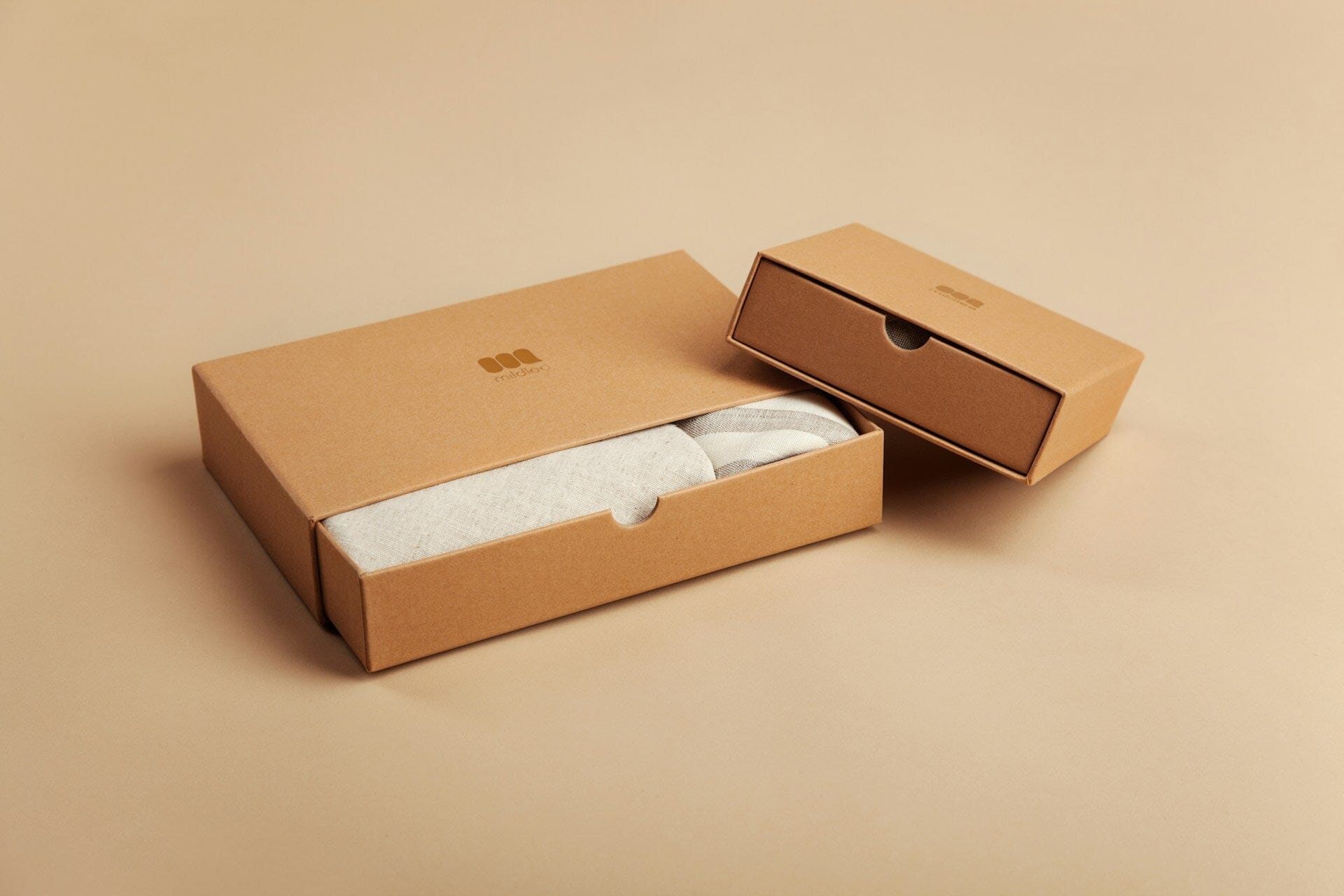
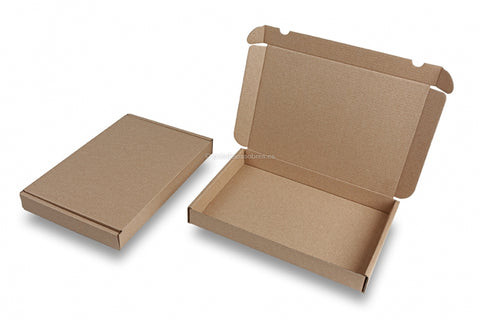
- Folding Cartons They are versatile and suitable for a wide variety of products. They can be customized with attractive and functional prints, such as transparent windows to display the product.
- Zipper Bags They are ideal for small products or food. They can be reusable and offer an eye-catching design.
- Flexible Packaging It is lightweight and flexible, making it ideal for products that require efficient and economical packaging.
- Tubes and Bottles They are excellent for liquid or gel products, such as cosmetics or personal care products. They can be easily customized with attractive labels and caps.
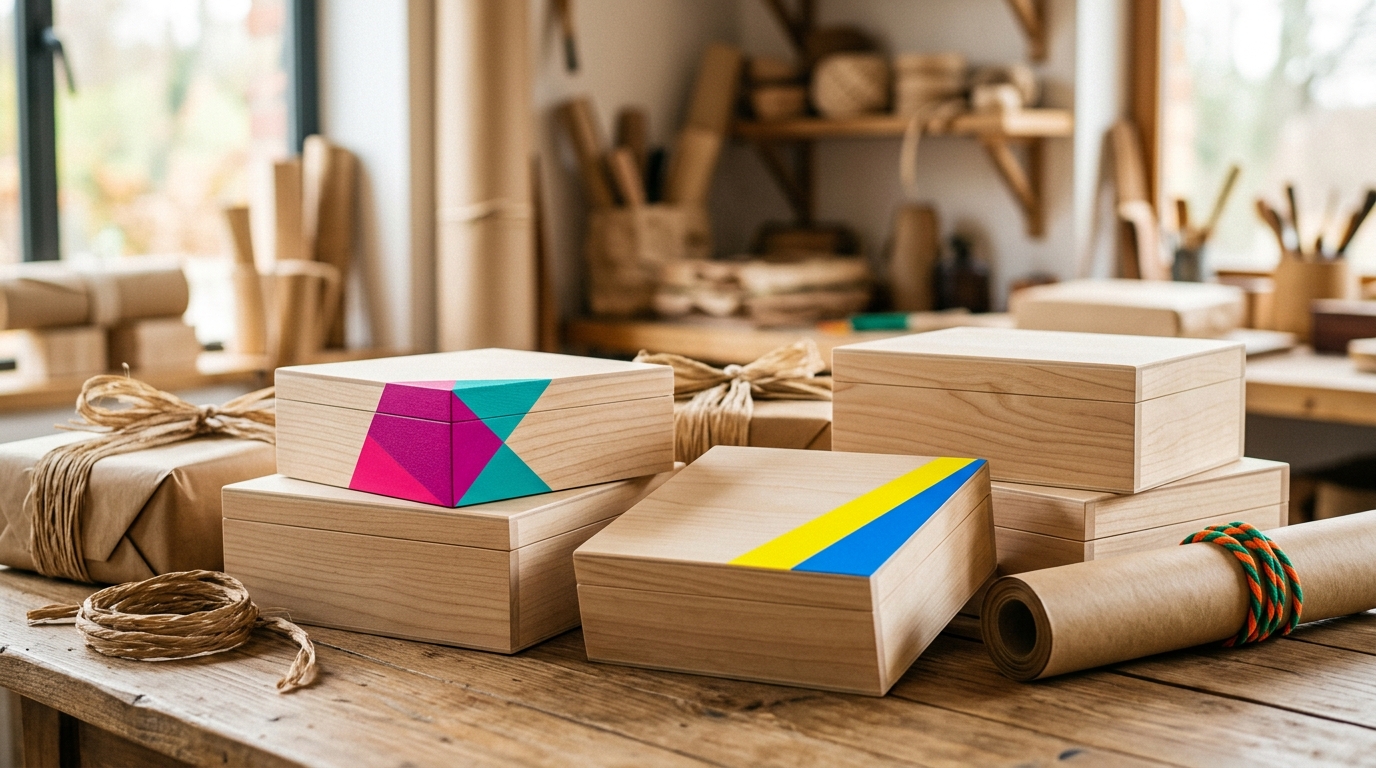
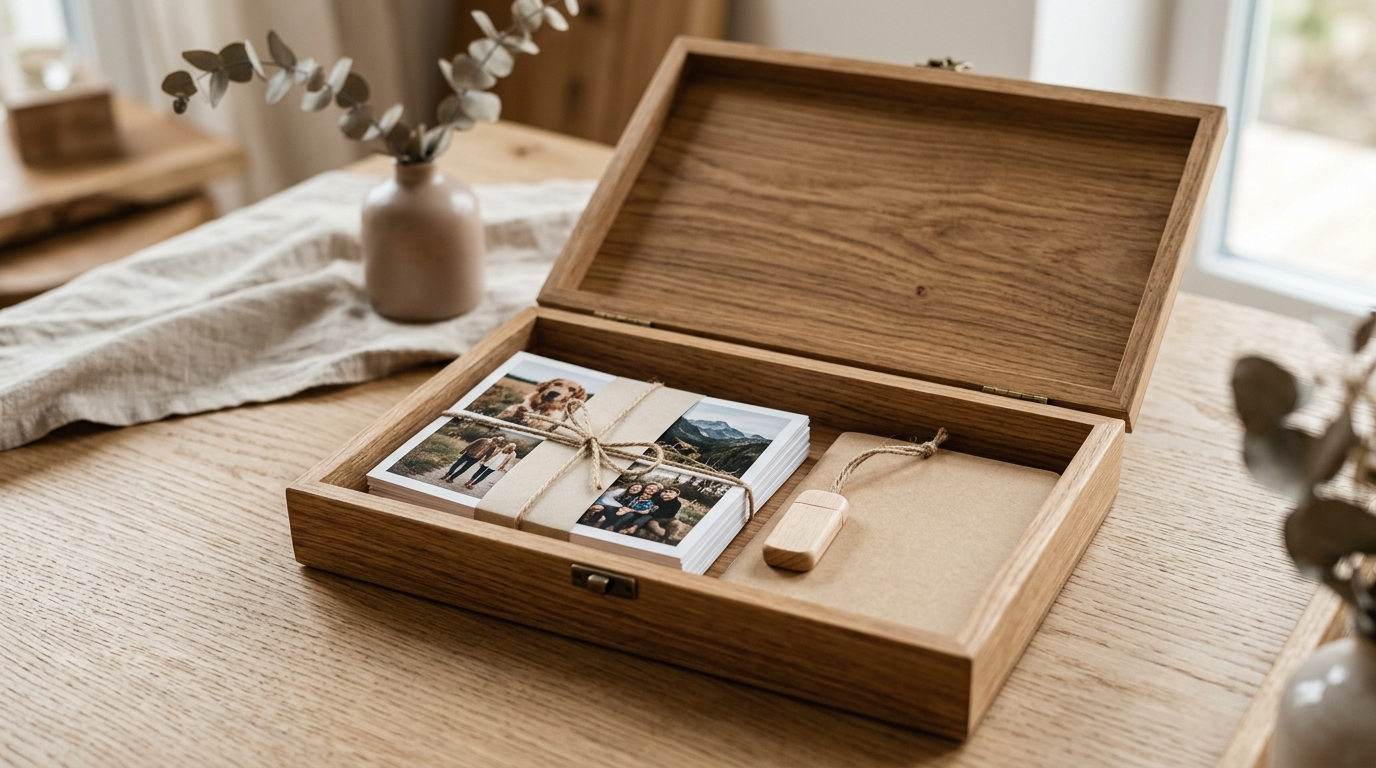
- Eco-friendly Packaging It is made with sustainable and biodegradable materials, making it ideal for brands committed to sustainability. For example, our Sincla wooden boxes are customizable and biodegradable.
There's a wide variety of packaging types to suit different product needs, from small items to liquids and eco-conscious choices.
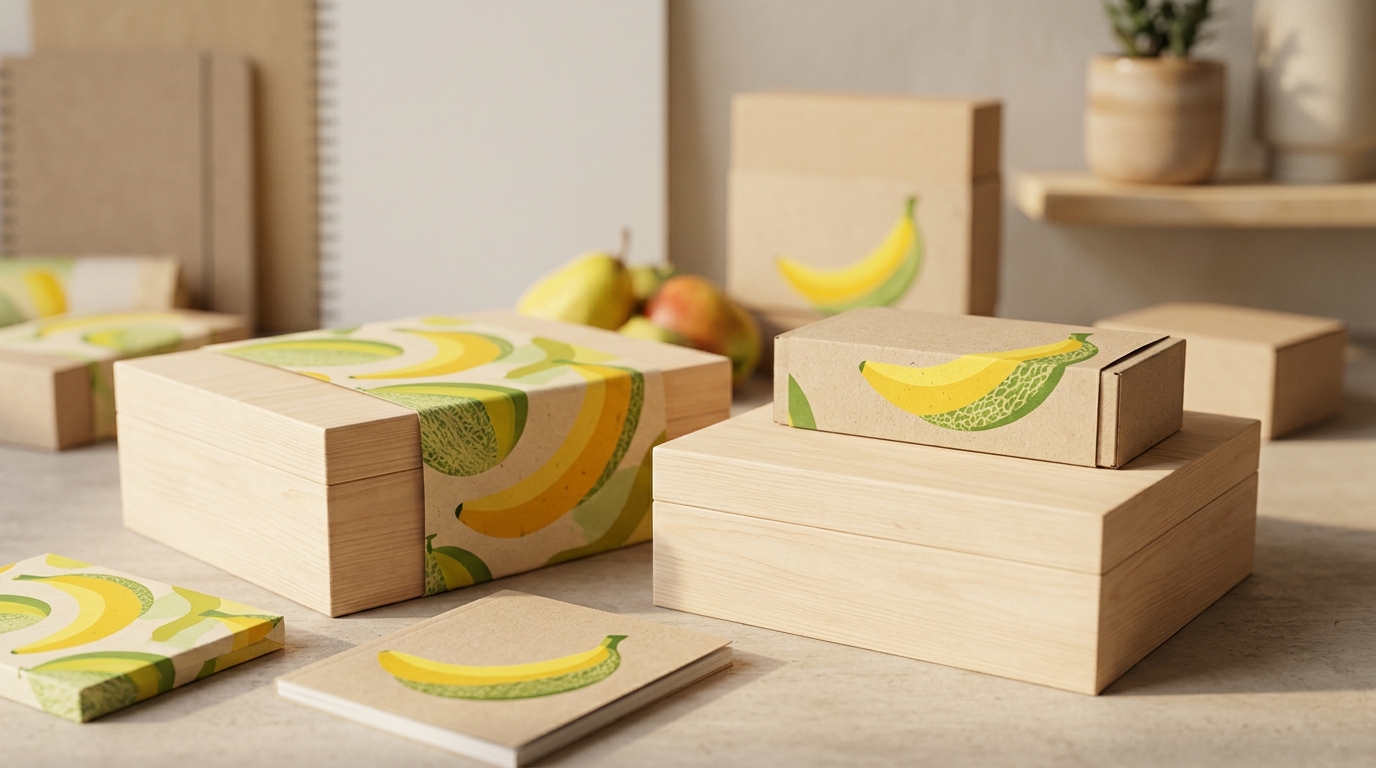
- Incorporate Attractive Design Elements. Graphic design and aesthetics are key aspects of packaging that can influence the perception of the product and the brand. Consider elements such as colors, typography, images, and graphics that are consistent with your brand identity and appealing to your audience.
- Prioritize Functionality and Protection. In addition to being visually attractive, your packaging must also be functional and adequately protect your product during transport and storage. Make sure to choose durable and resistant materials that are suitable for your product and offer the necessary protection.
Don't overlook protection
An attractive design is crucial, but ensuring your product is safe during transport and storage is equally important for customer satisfaction.
- Test and Receive Feedback. Once you have designed your packaging, it is important to conduct tests to ensure that it meets your objectives and expectations. Ask for feedback from friends, family, or potential customers, and make adjustments as needed based on their comments.
By understanding your product and audience, setting clear objectives, exploring different types of packaging, incorporating attractive design elements, prioritizing functionality and protection, and receiving feedback, you can create effective packaging that stands out in the market and attracts consumers to your product. Be creative and make sure your packaging reflects the essence of your brand and the value of your product!