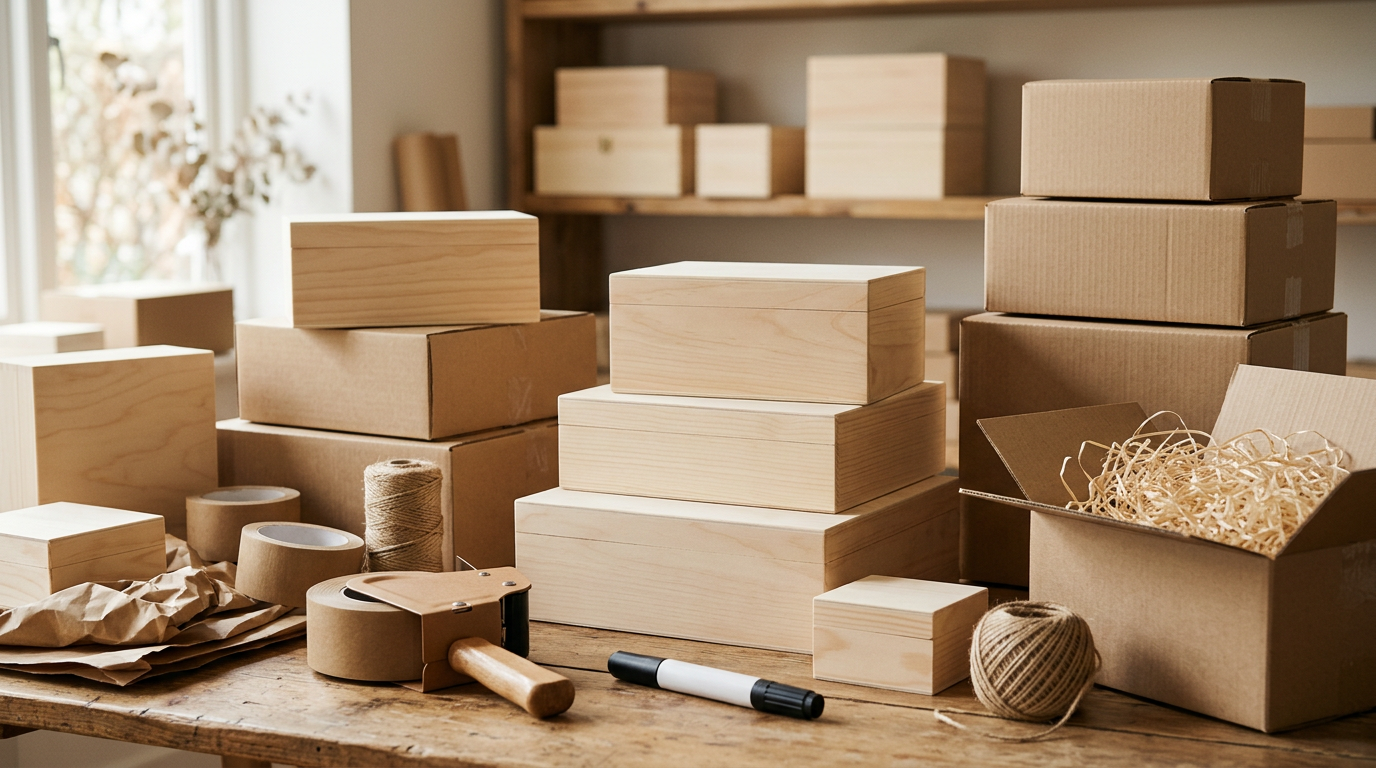
Moving Boxes: A Complete Guide for an Effective Relocation
The essentials
- The choice of box material and size is fundamental for the safety and efficiency of the move.
- Good planning and organization before packing save time and prevent damage.
- Sustainability is a key factor, opting for recycled or reusable materials.
Types of Moving Boxes: Materials and Formats
Common Materials
- Standard Corrugated Cardboard: This is the most common material. It consists of several layers of paper, including a wavy (corrugated) layer between two smooth layers, which gives it strength. Qualities vary:
- Single Wall: Suitable for light and bulky items such as bedding, towels, toys, or clothing. It is economical and easy to handle.
- Double Wall: Offers greater strength and protection, ideal for heavier or more fragile items such as books, crockery, small appliances, tools, or documents. Its double-corrugated structure better supports weight and impacts.
- Triple Wall: For extremely heavy, delicate, or high-value items that require maximum protection. It is not common for standard household moves but is used for industrial equipment or art pieces.
- Rigid Plastic (Reusable Containers): An increasingly popular alternative. These containers are robust, stackable, water-resistant, and often come with secure lids. They are ideal for valuables, electronics, important documents, or for those looking for a more sustainable and durable option. They are often rented by moving companies or specialized providers.
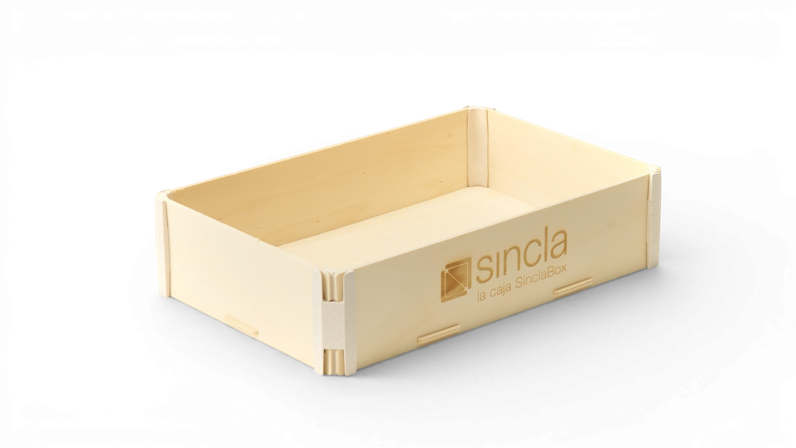
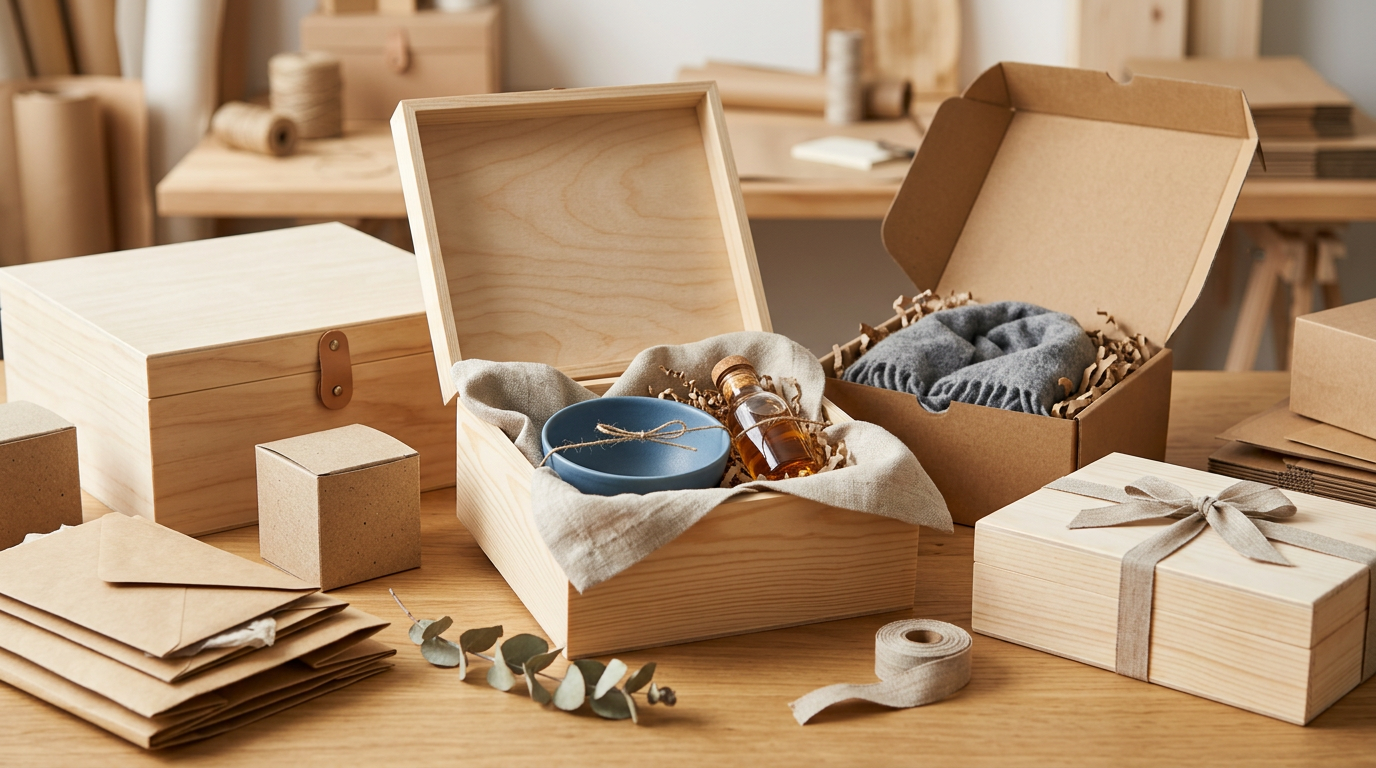
- Plywood or MDF: Although less common for a general household move, wooden boxes or crates are used for transporting extremely fragile, high-value, or oversized items, such as works of art, antiques, musical instruments, or machinery. They offer superior protection but are heavier and more expensive. Some specialized manufacturers offer a catalog of wooden boxes that can be adapted to specific needs.
Formats and Specific Uses
- Small BoxesPerfect for books, CDs, tools, or cans. They are sturdy and prevent excessive weight.
- Medium BoxesVersatile for kitchen items, toys, folded clothes, or decorations. A good balance between size and weight.
- Large BoxesIdeal for bulky but light items like bedding, pillows, blankets, or duvets.
- Wardrobe Boxes (with bar)Allow clothes to be transported hanging without wrinkles.
- Bottle BoxesDesigned with dividers for safely transporting bottles.
- Picture/Mirror BoxesFlat and sturdy, often extendable, with additional protection.
Planning and Estimating Quantities
How Many Boxes Do I Need?
- Studio or Small Apartment: 20-30 boxes (various sizes).
- 1 or 2-Bedroom Apartment: 30-50 boxes.
- 3-Bedroom House: 50-70 boxes.
- 4+ Bedroom House: 70-100+ boxes.
Practical Tip
Consider buying or renting 10-20% more boxes than you estimate. It's better to have an surplus than to have to rush out and buy more in the middle of the process.
Essential Packing Accessories
- Packing Tape: Strong and good quality. It is essential for securely sealing boxes. Dispensers are recommended for faster application.
- Bubble Wrap: Indispensable for protecting fragile items such as glassware, crockery, electronics, or decorative figures. A specific blog post about bubble wrap can offer more details.
- Packing Paper / Newspaper / Kraft Paper: For wrapping individual items, filling empty spaces inside boxes, and protecting against scratches.
- Moving Blankets / Fabric Protectors: For wrapping furniture, large appliances, or art pieces.
- Permanent Markers: For clearly labeling each box.
- Adhesive Labels: For more organized identification, often color-coded by destination room.
- Box Cutter or Scissors: For opening and adjusting boxes or cutting packing materials.
- Gloves: To protect hands when handling boxes and objects.