Exploring Storage Boxes: A Comprehensive Guide for Effective Organization
Storage boxes are much more than simple containers; they represent a fundamental solution for maintaining order, protecting goods, and optimizing spaces in a variety of environments, from private homes to industrial warehouses and commercial establishments. Understanding the diversity of available boxes, their materials, their functionalities, and the key considerations when choosing them is essential for making informed decisions that meet specific organization and protection needs.
The Essentials
- Storage boxes are key for organization and protection in diverse environments.
- The choice of material (wood, cardboard, plastic, metal) is fundamental depending on use and durability.
- Specific solutions exist for every need: moving, archiving, decoration, delicate items.
- Sustainability and the possibility of personalization add value to the selection process.
This exhaustive analysis will delve into the types of storage boxes, their most common applications, manufacturing materials, customization options, and some practical tips for their efficient use. The objective is to provide a clear and objective vision that empowers the user in their search for the perfect storage solution.
Why are storage boxes essential?
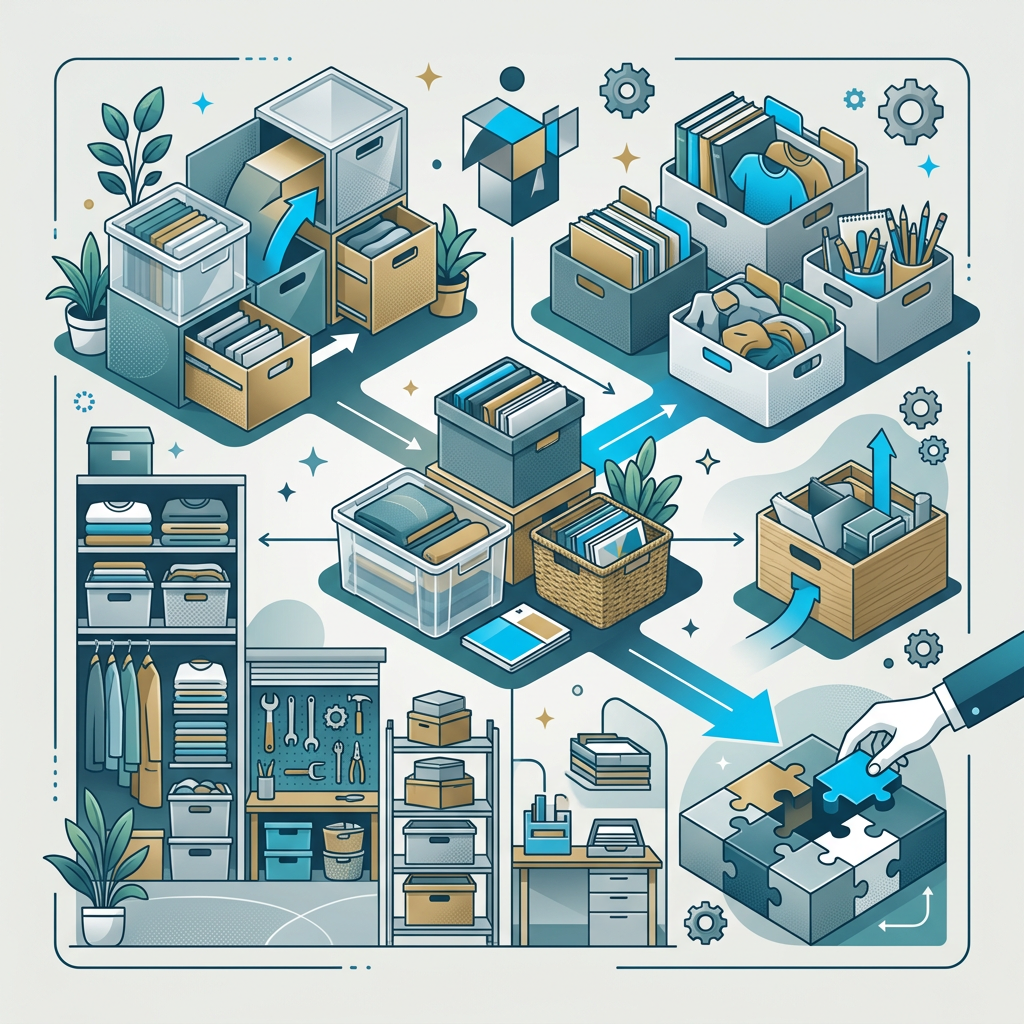
The need to organize and store goods is universal. In a home, boxes help clear spaces, save seasonal clothes or toys. In an office, they are crucial for document archiving and supply management. For businesses and manufacturers, storage boxes are the pillar of logistics, inventory, and product presentation. Their functionality extends to protection against dust, moisture, light, and impacts, factors that could deteriorate stored items.
Beyond aesthetics
Choosing a storage box should prioritize functionality and protection of its contents, in addition to its aesthetic integration with the environment.
Types of Storage Boxes by Material
The material is one of the most determining factors in the functionality and durability of a storage box. Each material offers unique properties, suitable for different environments and purposes.
Wood: Durability and Aesthetics
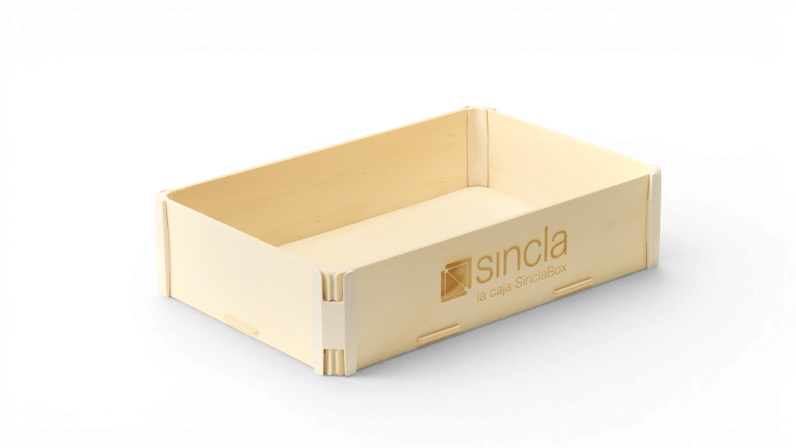
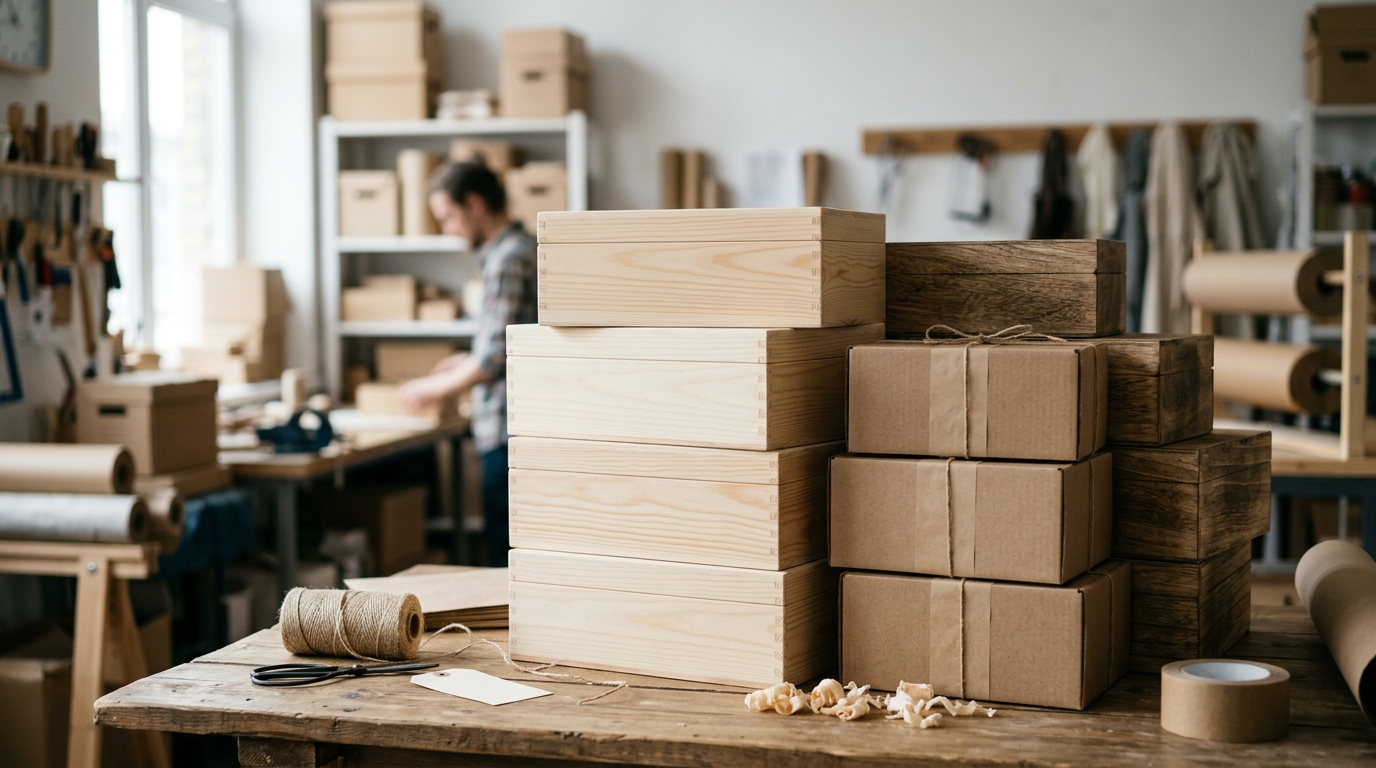
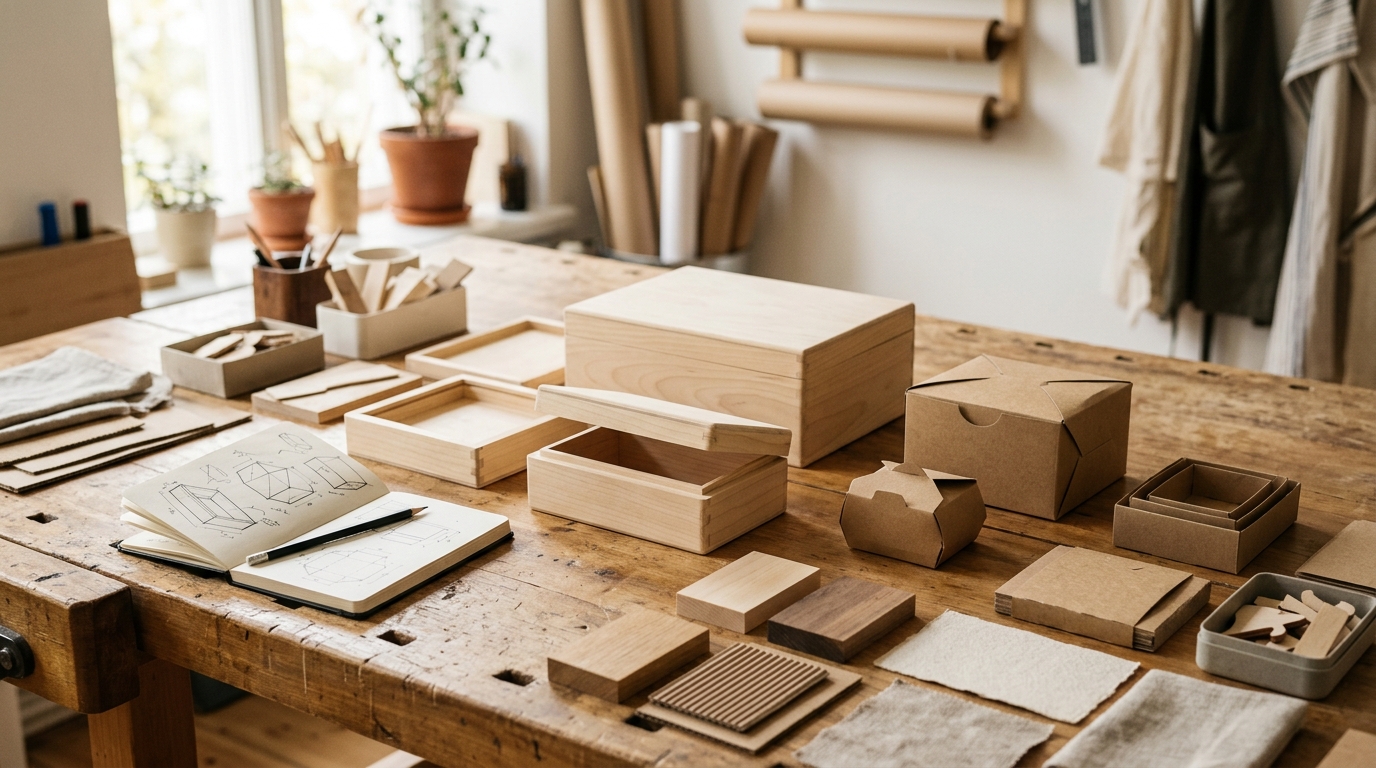
Wooden boxes represent a classic and robust option, valued for both their resistance and their aesthetic appeal. They are used in many contexts, from transporting heavy products to elegant storage solutions for the home or custom wooden boxes for premium gifts.
- Solid Wood: Offers maximum durability and a natural finish. Ideal for long-term storage or as a decorative element. Can come from sustainable sources with FSC certification, ensuring responsible forest management.
- Plywood: Made of thin layers of wood glued together, it is light but resistant. Excellent for boxes that require some flexibility without sacrificing durability.
- MDF (Medium Density Fiberboard): More economical and easier to work with, MDF is ideal for decorative boxes, drawer organizers, or shelving. It is not suitable for humid environments without proper treatment.
Wood finishes can vary from natural polish, through varnishes, lacquers, to customization options such as screen printing or laser engraving, which allow incorporating logos, texts, or designs.
Cardboard: Versatility and Sustainability
Cardboard is an extraordinarily versatile and economical material. It is the preferred choice for moving, archiving, and product packaging. For a more detailed analysis of this material, you can consult the article Cardboard: Versatility and Sustainability in Packaging.
- Corrugated Cardboard (Kraft): Available in various strengths (single, double, or triple wall), it is ideal for protecting objects during transport or bulk storage. Its recyclable nature makes it a sustainable option.
- Rigid Cardboard: More rigid and aesthetic, it is often used for gift boxes, jewelry boxes, or cases that require careful presentation.
Cardboard customization can include full-color offset printing, screen printing, UV varnishes, and special die-cuts to create unique box shapes.
Plastic: Resistance and Moisture Protection
Plastic boxes are known for their resistance to water, chemicals, and impacts, making them suitable for demanding environments such as workshops, garages, or outdoors.
- Polypropylene: Lightweight, stackable, and durable. Used for toolboxes, storage containers for clothes or toys, and boxes with airtight closures for food or sensitive materials. For more information, you can visit the entry on Polypropylene: Versatility and Essentiality in Modern Packaging.
- Polyethylene: Similar to polypropylene, but often more flexible and resistant to low temperatures.
Some plastic boxes incorporate ergonomic handles, wheels, and lids with security latches, increasing their functionality.
Metal: Maximum Protection and Security
Metal boxes, generally made of steel or aluminum, offer maximum protection against impacts, fire, and unauthorized access. They are common for tools, important documents, or high-value items.
- Steel: Very robust, ideal for safety deposit boxes or industrial containers.
- Aluminum: Lighter than steel, corrosion-resistant, and with a good strength-to-weight ratio, favored in boxes for electronic equipment or air transport.
Specific Applications and Functionalities
Storage boxes adapt to an infinite number of uses. The choice depends on the object to be stored, the environment, and the frequency of access.
- Moving and ArchivingIdeal for transporting and organizing documents temporarily or long-term.
- Home DecorationContribute to the aesthetics and organization of the space, can be the decorative focus.
- Industry and LogisticsEssential for transport, storage, and inventory management in professional environments.
- Gifts and PresentationCreate a premium experience and add perceived value to the product.
Solutions for the Home:
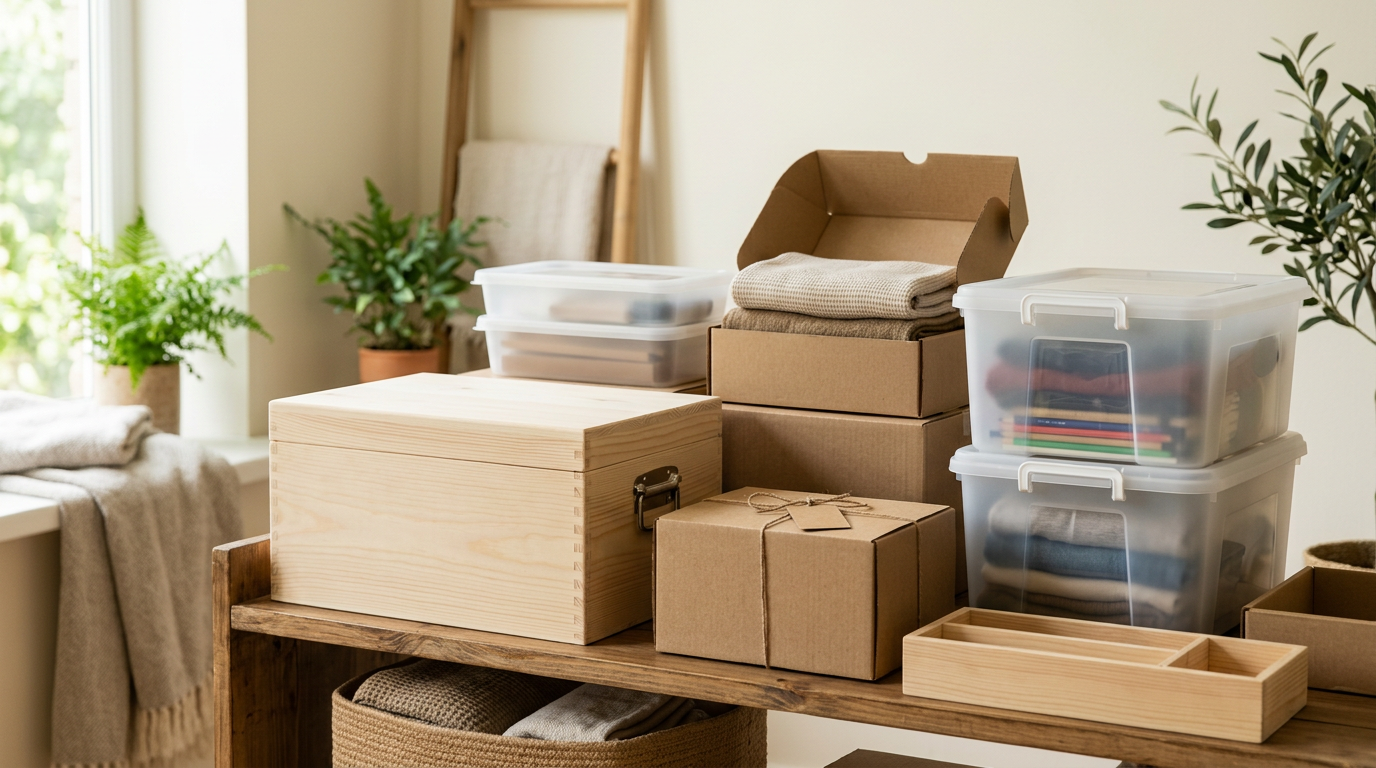
- Decorative boxes: Often made of wood, rigid cardboard or wicker, they combine functionality with design to integrate into the decor.
- Boxes for clothes and textiles: Usually made of breathable plastic or cardboard, ideal for storing seasonal clothes, duvets, or blankets.
- Baskets and chests: Offer large capacity and a rustic or elegant touch.
Solutions for Offices and Archiving:
- Archive boxes: Made of high-resistance cardboard, designed for storing A4 or legal documents, with or without lids and handles.
- Stackable plastic boxes: For office supplies, catalogs, or active files that need extra protection.
Solutions for Retail and Premium Gifts:
Storage boxes in this sector not only protect but also enhance the value of the product.
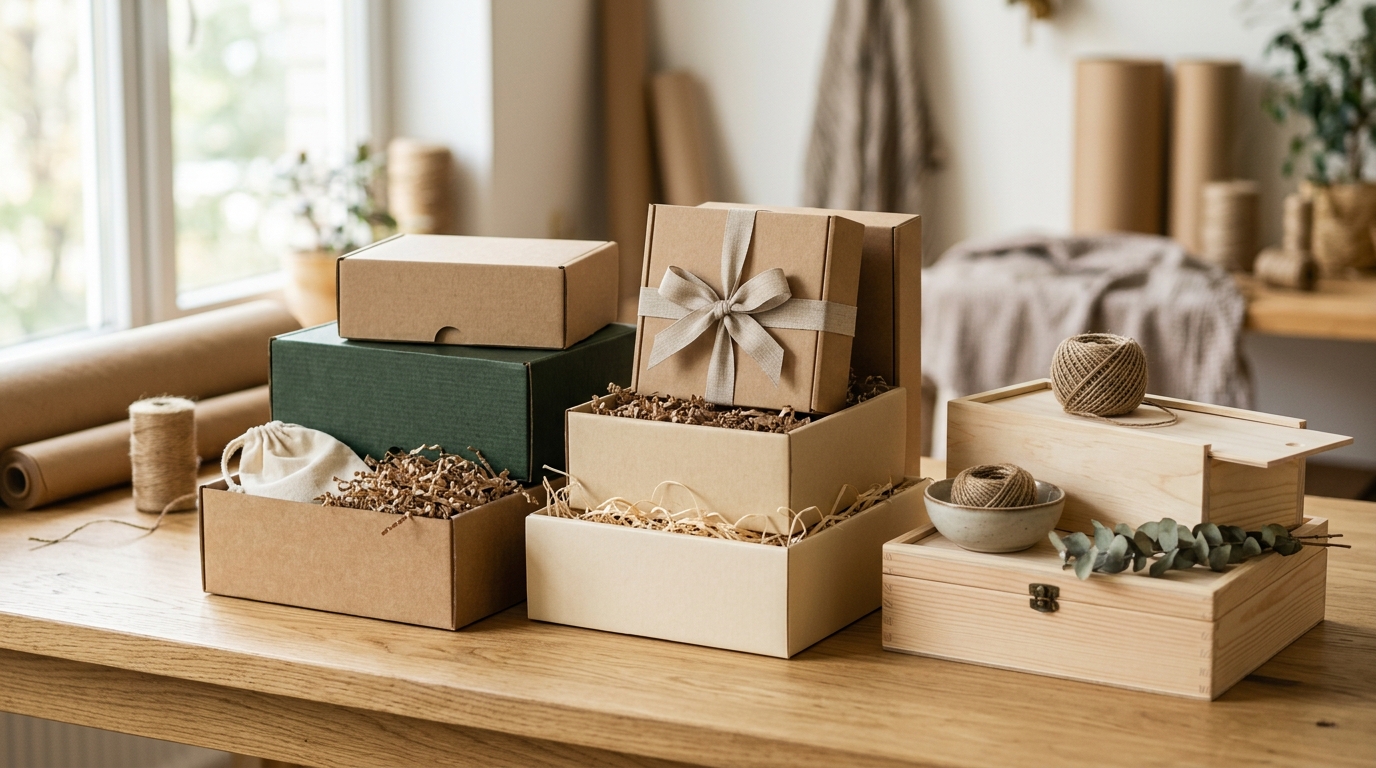
- Gift boxes: Made of rigid cardboard, wood, or metal, with finishes including embossing, stamping, or lined interiors to present products exclusively.
- Displays: Some boxes are also designed to function as point-of-sale displays.
Optimize visibility
For long-term storage, using labels or coding systems on your boxes facilitates quick identification of their contents, saving time and effort.
Key criteria for selecting the right storage box
- Purpose: Clearly define what will be stored and for how long. Is it for transport, permanent archiving, decoration, or protecting delicate items?
- Material: Choose the most suitable material based on required durability, content weight, exposure to environmental factors (humidity, temperature), and budget.
- Size and capacity: Estimate the volume and dimensions of the objects. Consider if the boxes will be stacked and the available space for storage.
- Strength and protection: Evaluate if protection is needed against impacts, dust, light, or humidity. For especially fragile items, the use of internal cushioning materials is crucial.
- Aesthetics and design: If the box will be visible, its design and finish can be as important as its functionality.
- Sustainability: Opt for recyclable, recycled materials or those from responsibly managed sources (like FSC wood).
- Budget: Prices vary widely depending on material, size, quality, and customization.
Good organization begins with the intelligent choice of the right containers.
Customization and Finishes
Customization transforms a simple storage box into a branding tool, a decorative object, or a memorable gift.
| Customization Type | Description | Common Materials | Advantages |
|---|---|---|---|
| Screen Printing | Single-color or few-color printing, ideal for logos and text. | Wood, cardboard, plastic, metal. | Durable, cost-effective for large volumes. |
| Laser Engraving | Carving designs onto the surface, offers a premium and durable finish. | Wood, some plastics, metal (with limitations). | Aesthetic, indelible, precise. |
| Pad Printing | Ink transfer to irregular surfaces, suitable for objects with complex shapes. | Plastic, wood, metal, ceramic. | Versatile, good definition. |
| Hot Stamping / Hot Foil Stamping | Application of metallic or colored foils with heat and pressure, for a shiny effect. | Cardboard, wood (smooth surfaces), leather. | Elegant, premium, high quality. |
| Digital / Offset Printing | Full-color printing, ideal for complex designs and photographs. | Cardboard, paper (for lining wood or other materials). | High image quality, endless design possibilities. |
Surface finishes, such as varnishes, lacquers, matte or glossy laminates, not only improve aesthetics but also provide an additional layer of protection to storage boxes.
Design Considerations
When choosing customization, it is essential to consider the durability of the method and how the design will integrate with the box material and its final use.
Sustainability in Storage Boxes
Environmental concern has driven demand for more ecological storage solutions. Manufacturers respond by offering:
- Recycled materials: Especially in cardboard and plastic, where post-consumer fibers or plastics are used.
- Biodegradable materials: Such as certain variants of cardboard or compostable plastics, though still less common.
- Certifications: Like FSC for wood, which ensures that the material comes from responsibly managed forests.
- Design for reuse: Durable and aesthetic boxes that encourage users to give them a second life, reducing waste.
Common mistakes to avoid when choosing and using storage boxes
- Underestimating weight: Using low-quality cardboard boxes for heavy objects is a recipe for disaster.
- Overfilling: Overfilled boxes can break or deform, and are difficult to move.
- Storage in unsuitable environments: Storing cardboard boxes in a damp basement without adequate protection can damage the contents.
- Not labeling: Will quickly lead to chaos and difficulty finding stored items.
- Ignoring stacking: Stacking boxes unstably or without considering the strength of the bottom box can cause collapses.
In summary, storage boxes are versatile and indispensable tools for organizing and protecting goods. The key is understanding the wide range of available options and selecting those that best suit specific needs, considering material, size, durability, aesthetics, and sustainability.