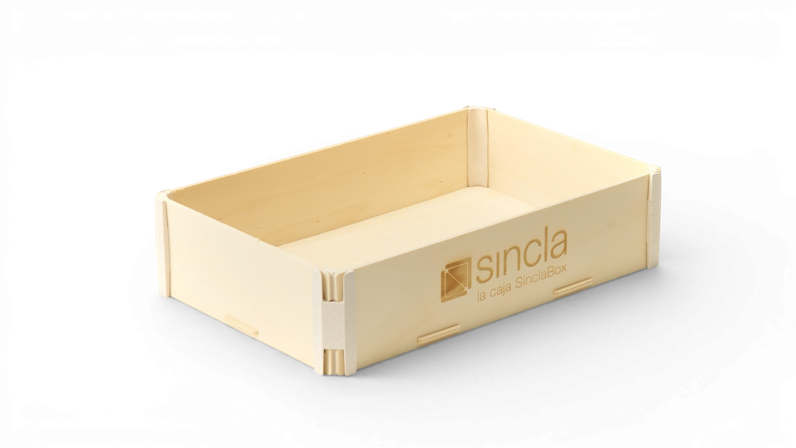
The Dossier in the Packaging Sector: An Essential Tool
The Essential
- A dossier is a strategic compilation of information about packaging.
- It serves to present products, projects, or capabilities to various audiences.
- There are different types of dossiers adapted to specific objectives.
- Clarity, detail, and relevance are fundamental pillars of its content.
- Presentation and design significantly influence perception and effectiveness.
Common Types of Dossiers in the Packaging Industry
Product Dossier
- MaterialsFrom pine or beech wood, to plywood or MDF.
- FinishesVarnished, stained, lacquered, aged, or natural.
- CustomizationLaser engraving, screen printing, hot stamping, or pad printing.
- CapacitiesVolume, supported weight, impact resistance.
- CertificationsFSC, PEFC for sustainable wood, or food grade suitability.
Company or Corporate Dossier
Project or Proposal Dossier
Sustainability Dossier
The Importance of Specificity
A generic dossier loses impact. Adapting the content and tone to the audience and specific objective is the key to its success.
Key Content of a Packaging Dossier
1. Introduction and Executive Summary
2. Detailed Product or Service Description
- Dimensions and technical specifications: Internal and external measurements, wall thicknesses, packaging weight, volumetric capacity. For wooden boxes, this includes details on joints (glue, nails, tongue and groove) and closures (hinges, metal clasps).
- Materials: Origin, type, quality. For example, if different types of wood are used (pine, fir, beech), or if materials such as plywood, MDF, or high-strength kraft cardboard are chosen.
- Manufacturing process: A brief description of how the packaging is produced, highlighting key technologies or quality standards.
- Finishes and treatments: Details on varnishes, lacquers, stains, or special treatments for moisture or pest resistance.
- Customization options: Explanation of available techniques such as screen printing, laser engraving, digital printing, pad printing, or hot stamping, with application examples.
- Certifications and regulations: Any quality, sustainability (FSC, PEFC) certifications, or compliance with specific industry regulations (e.g., for food or pharmaceutical packaging).
3. Applications and Usage Examples
wedding packagingcommunion boxes4. Competitive Advantages and Added Value
5. Image Gallery and Samples
free sample6. Contact Information
FSCCertified Wood
95%Customer Satisfaction
500+Projects Annually
Design and Presentation: The Importance of Form
Visual Clarity
Use a clean design, legible fonts, and strategic use of white space. Avoid overloading pages with text or images.
Logical Structure and Easy Navigation
Graphic Consistency
High-Quality Images
Adaptable Format
wooden box catalogProcess for Creating an Effective Dossier
- Define the objective and audience. What do you want to achieve with the dossier and who will read it? This is the first crucial question.
- Gather all relevant information. Collect technical specifications, sustainability data, certifications, images, case studies.
- Structure the content. Organize the information logically, creating a provisional index and clear sections.
- Write the texts. Write clearly, concisely, and persuasively. Avoid excessive technical jargon unless the audience is specialized.
- Design the layout. Work on the visual aspect, ensuring the design is attractive, professional, and consistent with the company's image.
- Review and get feedback. It is essential to review the dossier several times for spelling, grammatical, or data errors. Asking for opinions from colleagues or a target audience can provide valuable insights.
- Update periodically. The packaging sector is dynamic. Materials, technologies, and regulations evolve, so the dossier should be a living document that is regularly updated.
Common Mistakes to Avoid
Do not overload with irrelevant information, do not use low-quality images, neglect text review, and do not adapt the message to the specific audience.
The Dossier in the Digital Age and Sustainability
- Carbon footprint: Data on the environmental impact of packaging production and transportation.
- Circular economy: How products fit into a recycling and reuse model.
- Innovative materials: Presentation of new biodegradable, compostable, or high-recycled-content materials.
- Logistical efficiency: How packaging design optimizes space in transport and storage. An example of this could be the use of folding or stackable boxes that reduce transport volume when empty.